A house can feel too small even when the square footage says otherwise. An isolated kitchen, closed-off living room, aging bathrooms, poor storage, or a patio that sits unused can make daily life harder than it needs to be. A thoughtfully planned whole home renovation gives Central Texas homeowners the opportunity to solve those connected problems at once and create a home that supports the way they actually live.
The goal is not to replace every surface simply because it is old. It is to make intentional improvements that strengthen function, comfort, durability, and property value together. Whether you are settling into a long-term family home in Cedar Park, updating a Lakeway property, or modernizing an investment in Georgetown, the best results begin with a clear plan.
Start With How You Want the Home to Work
A successful renovation starts before material selections or demolition. It starts with an honest conversation about what is not working now and what needs to change over the next five, 10, or 20 years.
For a growing family, that may mean opening the kitchen to the main living space, adding a larger pantry, and creating bedrooms that can evolve with children. For remote professionals, it may mean a quiet office with reliable insulation, better lighting, and separation from busy household spaces. For multigenerational households, the priority may be an accessible first-floor suite, an addition, or an accessory dwelling unit that offers independence without losing connection.
Think about the moments that shape your day: preparing dinner while helping with homework, hosting friends, getting ready in the morning, managing laundry, or moving between indoor and outdoor spaces. These details reveal where the layout is helping and where it is creating friction. A renovation should make those routines easier, not just make them look better in photos.
Set Priorities Before Setting a Finish Budget
Homeowners often start by falling in love with cabinetry, tile, or fixtures. Those choices matter, but the larger decisions carry more weight. If the roof, plumbing, electrical system, foundation, or drainage needs attention, those conditions should be understood before allocating too much of the budget to cosmetic upgrades.
This does not mean every project requires a complete rebuild. It means the scope should reflect the actual condition of the property. In Central Texas, expansive soils, intense heat, storm exposure, and aging infrastructure can affect project decisions. Addressing structural or moisture concerns during a renovation can protect the investment you are making in new finishes.
A practical priority order is usually safety and structural integrity first, followed by building performance and layout, then finishes and decorative details. That approach helps prevent the frustration of installing beautiful new flooring only to remove it later for a plumbing repair or foundation-related work.
What a Whole Home Renovation Can Change
When multiple rooms are renovated independently over several years, the result can feel pieced together. A whole-home approach creates a more unified vision. Materials, lighting, paint colors, hardware, flooring transitions, and architectural details can work together while still allowing each room to have its own personality.
The biggest transformation is often found in the main living areas. Removing unnecessary walls, reworking kitchen placement, expanding sightlines, or adding properly sized windows can make a familiar home feel entirely different. Natural light and circulation matter as much as square footage. A home that is easy to move through tends to feel calmer, more spacious, and more useful.
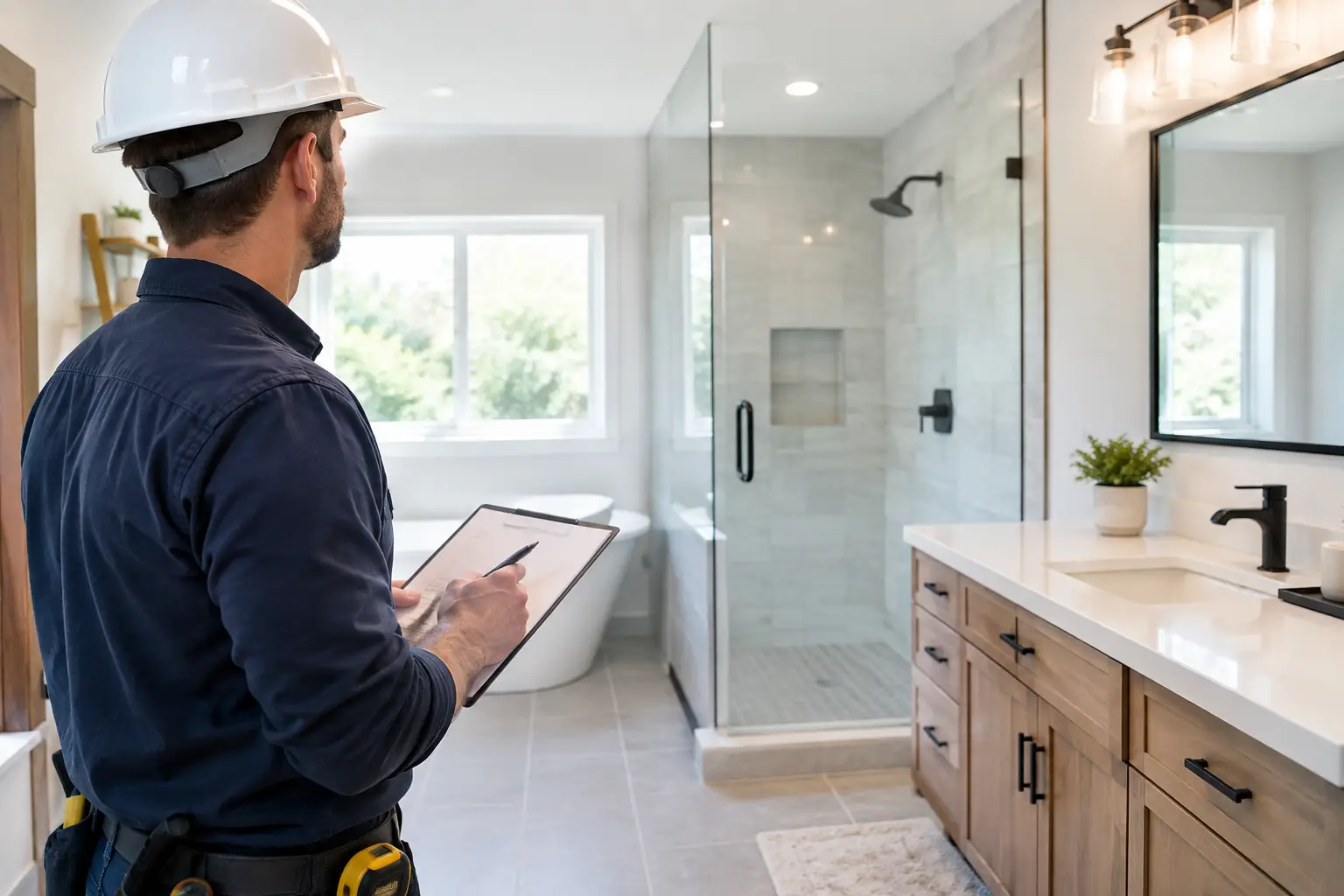
Bathrooms also deserve more than a surface-level update. A better vanity layout, walk-in shower, durable waterproofing, improved ventilation, and accessible features can improve everyday comfort while supporting long-term livability. In bedrooms, custom storage and improved lighting can turn underused rooms into functional retreats.
Outdoor improvements belong in the larger plan, especially in Austin-area communities where patios and backyards can become meaningful extensions of the home. A covered patio, outdoor kitchen, pergola, or dedicated entertaining area may be the piece that connects the renovated interior to the lifestyle you want. The right design considers sun exposure, drainage, privacy, and how the space will be used throughout the year.
Plan the Budget Around Decisions That Last
The cost of a whole home renovation depends on the home’s age, size, existing conditions, design complexity, structural changes, material selections, and permit requirements. A straightforward interior refresh has a very different budget from a project involving wall removal, an addition, foundation repair, new mechanical systems, and custom finishes.
The most productive budgeting conversations focus on value rather than just price. Some investments are easy to see, such as custom cabinetry or statement lighting. Others are behind walls, including electrical upgrades, insulation, waterproofing, and framing. Both are essential, but they serve different purposes.
Spend where daily use and long-term durability demand it. Kitchens, bathrooms, flooring, windows, doors, and exterior materials experience significant wear and deserve careful selection. At the same time, there may be opportunities to manage costs through smart material choices in lower-impact areas. A trusted construction partner can help identify where a premium product adds meaningful value and where a more practical option will perform just as well.
It is also wise to include a contingency allowance. Older homes can reveal unexpected issues once work begins, from hidden water damage to outdated wiring. A realistic contingency does not signal poor planning. It gives the project room to handle legitimate discoveries without forcing rushed decisions.
Design for Central Texas Conditions
A renovation in Central Texas should be designed for more than appearances. High temperatures, humidity swings, heavy rain events, and intense sunlight affect comfort, maintenance, and energy use.
Energy-conscious upgrades can make a noticeable difference. Better insulation, air sealing, efficient windows, thoughtful shading, and properly designed HVAC solutions can help stabilize indoor temperatures. Spray foam insulation may be a strong fit in some homes, but the right option depends on the structure, attic design, ventilation needs, and project goals. Good building performance is never a one-product decision.
Water management is equally important. Exterior grading, gutters, drainage paths, roof details, and foundation conditions should be evaluated as part of a major renovation. Protecting the home from water intrusion supports every finish inside it, from hardwood floors to drywall and cabinetry.
Durable material choices also matter outdoors. Select finishes that can handle sun exposure, temperature changes, and regular use without demanding constant replacement. Sustainable choices do not have to be a compromise in style. Often, the most responsible selection is simply the one that performs well for years.
Choose a Partner Who Can Manage the Full Picture
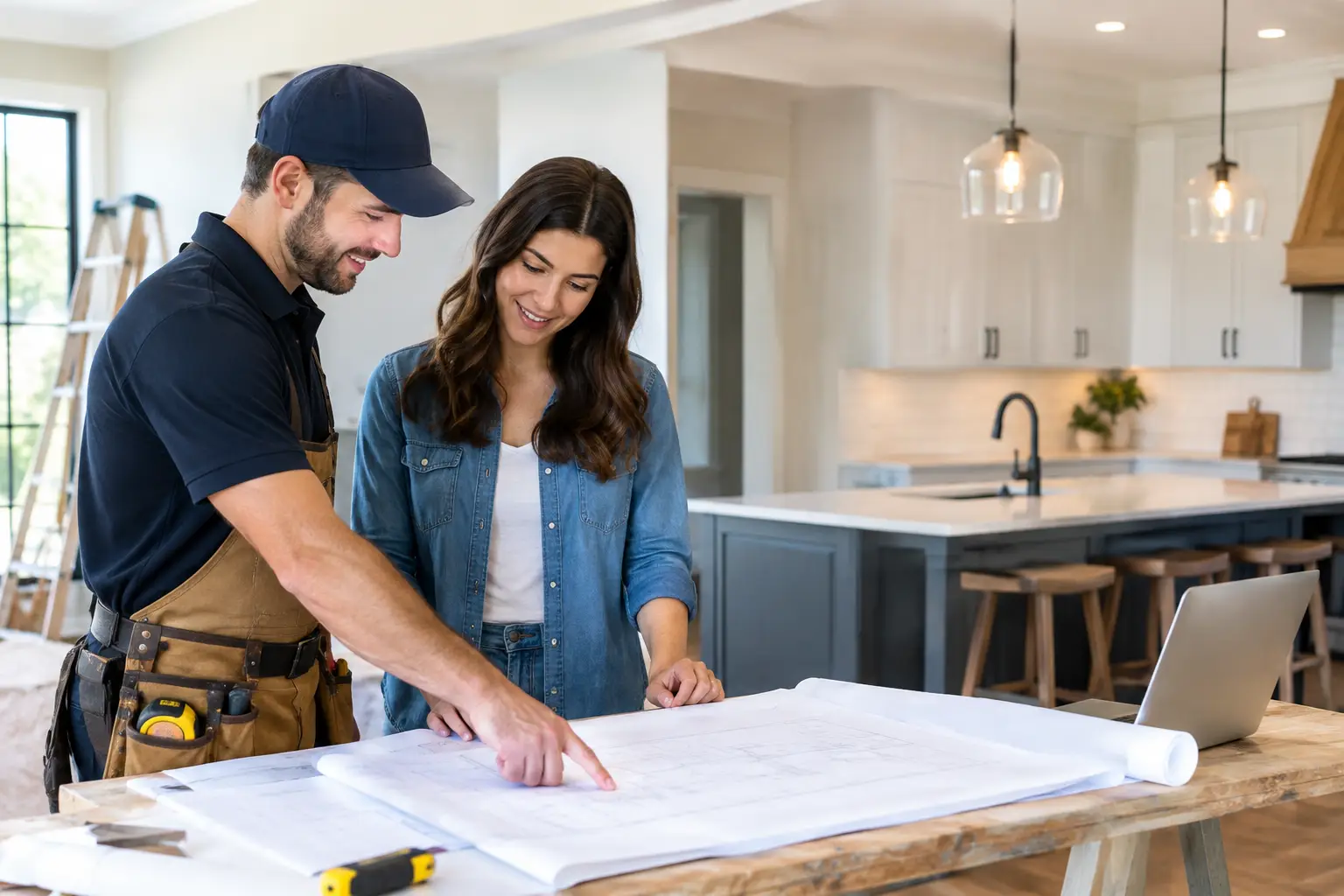
A complex renovation involves many moving parts: design decisions, permits, scheduling, demolition, structural work, plumbing, electrical, cabinetry, finishes, inspections, and final details. Homeowners should not have to coordinate every trade on their own while trying to protect their budget and keep life moving.
Look for a contractor who asks detailed questions early, explains the scope in clear terms, and communicates what may affect timing or cost. The right team will not promise that renovation is disruption-free. It is disruptive by nature. What they can provide is a disciplined process, realistic expectations, accountable project management, and respect for your home.
NXT Construction Inc. approaches renovations as a client partnership, connecting design-minded planning with practical craftsmanship from the first assessment through the final walkthrough. That matters when your project includes more than one room or requires coordination across structural, mechanical, interior, and outdoor work.
Questions Worth Asking Before Work Begins
Before committing to a renovation plan, ask how the project scope will be documented, who will oversee day-to-day communication, how change orders are handled, and what inspections may be required. You should also understand the anticipated project sequence, how the work area will be protected, and whether you can remain in the home during construction.
Living in the house can be practical during a partial renovation, but it depends on the extent of the work. If the kitchen, bathrooms, HVAC, and major living areas are all offline at once, temporary housing may be the less stressful option. A good preconstruction plan helps you make that decision early instead of reacting mid-project.
Your home should not force your family to work around outdated layouts, unfinished repairs, or spaces that no longer fit your life. Start by identifying the changes that would make the biggest difference every day, then build a renovation plan around lasting function, honest craftsmanship, and the future you want to create.