A search for “small construction companies near me” usually starts with a project that has become impossible to ignore: a kitchen that no longer works for family life, a foundation concern after a hard Texas summer, water damage that needs immediate attention, or an outdoor area with far more potential than function. The contractor you choose will influence more than the finished look. They will affect your budget, timeline, daily routine, and confidence in the investment you are making.
For Central Texas homeowners and business owners, proximity is valuable, but it is only the starting point. The right construction partner should understand local conditions, communicate clearly, coordinate the details across trades, and build spaces that hold up to real life. Whether you are considering a remodel in Cedar Park, an ADU in Leander, a patio in Lakeway, or a commercial retrofit in Austin, a thoughtful selection process can protect your property and turn a big idea into a well-managed project.
What “Local” Should Mean for Your Project
A nearby contractor should bring more to the table than a local address. Central Texas construction has specific demands: expansive clay soils, intense heat, sudden storms, drainage issues, neighborhood requirements, and permitting processes that can vary by municipality. A team that works in this region regularly is better prepared to recognize risks before they become expensive surprises.
Local knowledge is especially important when the project affects the structure or envelope of your property. Foundation repair, water remediation, insulation, roofing-related repairs, additions, and concrete work all require careful attention to what is happening beneath, around, and inside the building. A cosmetic solution may look good on day one while leaving the actual problem untouched.
This does not mean every small contractor is automatically a better fit than a larger company. Smaller construction companies can often offer more direct access to decision-makers and a more personal working relationship. Larger firms may have deeper internal capacity for several simultaneous projects. The best choice depends on your scope, urgency, desired level of collaboration, and the company’s ability to manage the work responsibly.
How to Compare Small Construction Companies Near Me
The strongest contractor is not always the one with the lowest first estimate or the fastest promised start date. Construction pricing reflects labor, materials, planning, subcontractor coordination, permits, protection of existing finishes, and the quality of the work behind the walls. Comparing companies on one number alone can create problems later.
Start With Relevant Project Experience
Ask whether the company has completed projects similar to yours, not simply whether it offers the service. A contractor experienced in a straightforward bathroom refresh may not be the right partner for a full-home renovation involving layout changes, plumbing relocations, structural modifications, and custom cabinetry.
Look for evidence that the team understands your actual goal. If you are planning an ADU, for example, the conversation should include access, utilities, privacy, storage, potential rental use, and how the new structure fits the property. For an outdoor kitchen or covered patio, discuss shade, drainage, durable finishes, ventilation, lighting, and how your family intends to use the space.
The same principle applies to commercial work. A retail, office, warehouse, or restaurant improvement project must support operations, safety, customer experience, and downtime constraints. Experience matters because it shapes the questions a contractor asks before construction begins.
Pay Attention to the First Conversation
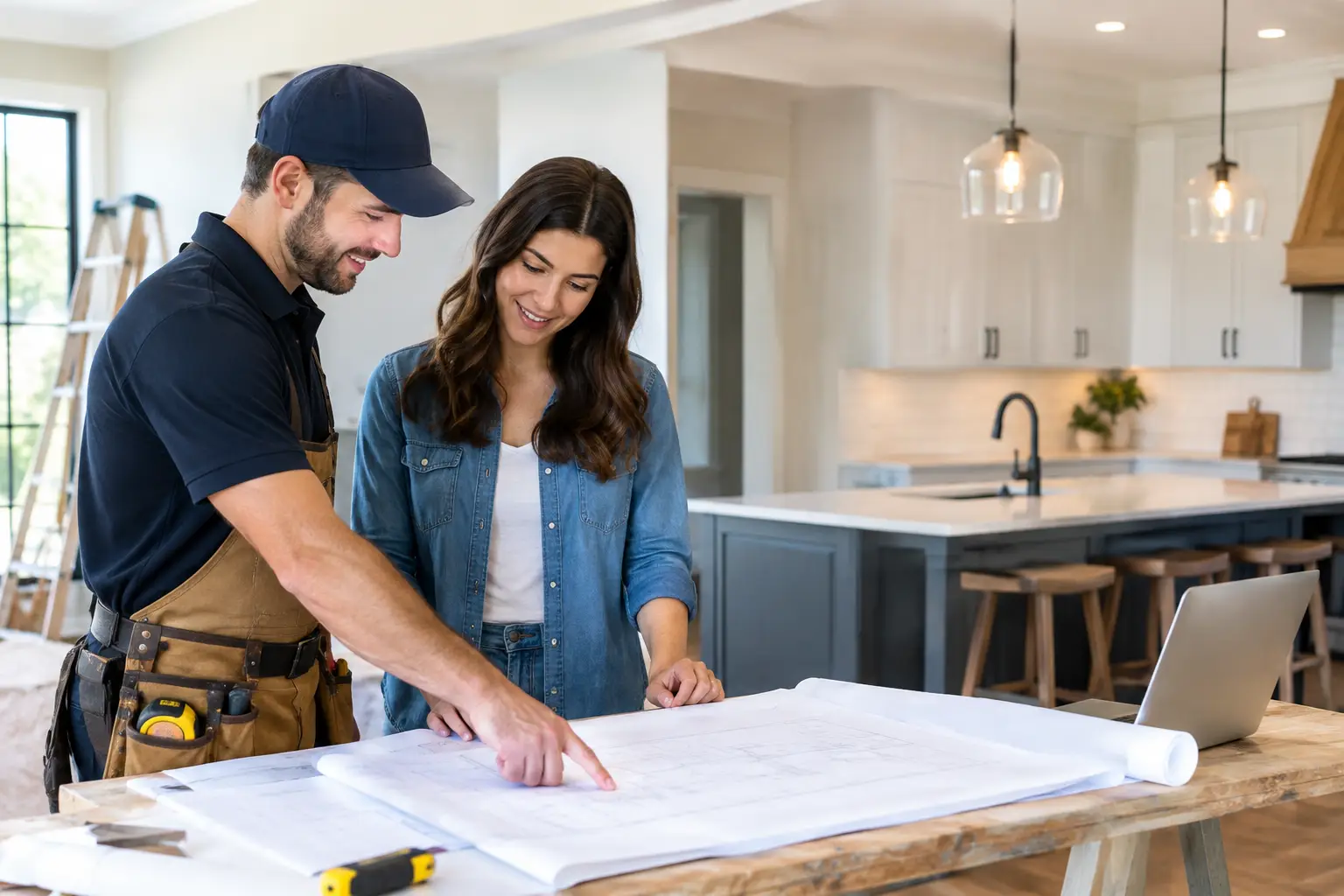
The early consultation often reveals how the project will be managed. A dependable construction partner should listen closely, ask practical follow-up questions, and explain options in language you can understand. You should not feel pressured to make design or budget decisions before you have enough information.
Clear communication is not just a customer-service preference. It prevents costly misunderstandings. You need to know who will be your main point of contact, how often you will receive updates, how change requests are handled, and what happens if the team finds an unforeseen condition. Older homes, properties with previous renovations, and water-damaged areas can reveal issues only after work begins. The key is not a promise that nothing will change. It is a process for addressing change openly and fairly.
Review Scope Before Reviewing Price
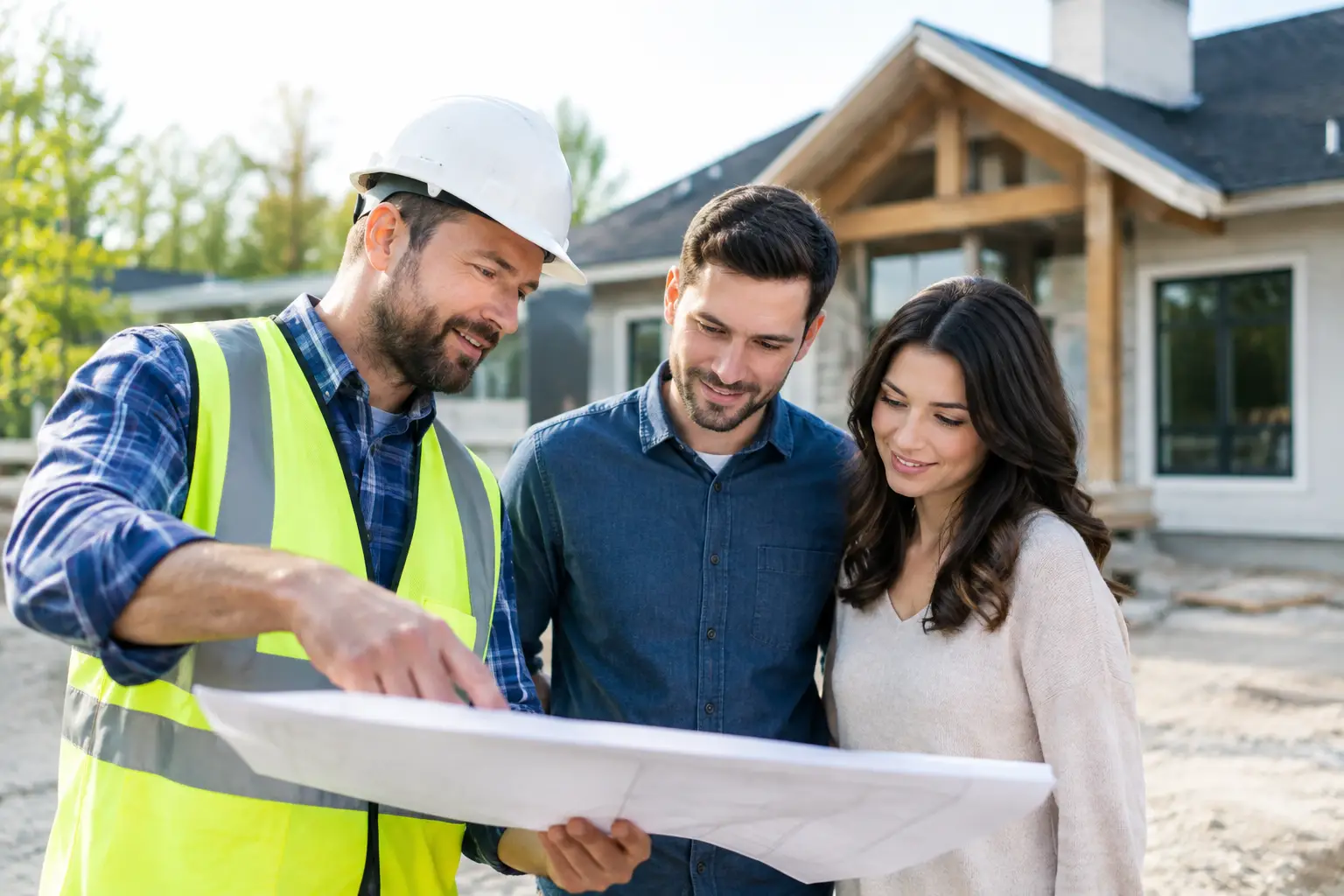
An estimate should help you understand what is included, what is excluded, and where selections may affect the final cost. If one proposal is notably lower than the others, compare the scopes line by line. It may exclude demolition, disposal, permit fees, finish materials, site protection, engineering, or repairs discovered during the project.
A detailed scope also helps set expectations for craftsmanship. “Install flooring” is not the same as specifying preparation, leveling, transitions, baseboards, moisture protection, and cleanup. “Build a patio” can mean very different things depending on the base, reinforcement, drainage plan, finish, electrical needs, and integration with the existing home.
You deserve an estimate that creates clarity, not confusion. Good contractors are willing to walk through the details and explain where your choices can increase or reduce cost without sacrificing the project’s essential function.
Confirm Credentials and Project Protection
Construction involves real risk, particularly when work touches electrical systems, plumbing, framing, foundations, or occupied commercial spaces. Ask about insurance, licensing requirements for applicable trades, permits, inspections, and the company’s warranty approach. A professional contractor should be comfortable discussing these subjects directly.
It is also wise to ask how subcontractors are selected and supervised. Most substantial construction projects involve specialized trades. What matters is that someone is accountable for coordinating those teams, reviewing the work, maintaining the schedule, and resolving issues when they arise.
For homeowners, this is where a full-service partner adds meaningful value. Instead of trying to manage designers, tradespeople, material deliveries, inspections, and separate vendors on your own, you have a team focused on aligning the moving parts around one shared plan.
Choose a Partner Who Designs Around Real Life
The most successful construction projects are not built around trends alone. They are built around how a property needs to perform. A growing family may need a more connected kitchen, a flexible home office, and storage that reduces daily friction. A multigenerational household may need an accessible suite or an ADU that offers independence while keeping loved ones close. An investor may need durable improvements that support rental income and lower future maintenance.
A design-minded builder considers these decisions together. Material choices affect maintenance. Layout affects resale appeal. Insulation and ventilation affect comfort and energy use. Outdoor improvements affect how often you enjoy the property and how well it functions through changing weather.
At NXT Construction Inc., that client-partnership mindset shapes the process from initial assessment through final walkthrough. The goal is not to force every project into a standard package. It is to create a durable, visually compelling space that matches your lifestyle, property, priorities, and budget.
Questions Worth Asking Before You Sign
Before selecting a contractor, make time for a direct conversation about the working relationship. Ask for a realistic timeline, including the factors that could affect it. Discuss how the site will be protected, where materials will be stored, and how the team will minimize disruption to your household or business.
You should also ask how quality is checked before the project is considered complete. A final walkthrough is valuable, but quality control should happen throughout construction, not only at the end. The best teams treat details such as alignment, finish consistency, clean transitions, and reliable operation as part of the job rather than optional extras.
Finally, consider whether the contractor gives you confidence. You are inviting people to make significant changes to a property that represents your savings, comfort, business operations, or future plans. Professional communication, transparent expectations, and accountable service are not bonuses. They are essential parts of a successful build.
A construction project can begin with a simple search, but it should end with a partner who sees the full potential of your property. Choose the team that asks the right questions, respects your investment, and has the skill to build a space you will be proud to live or work in for years to come.