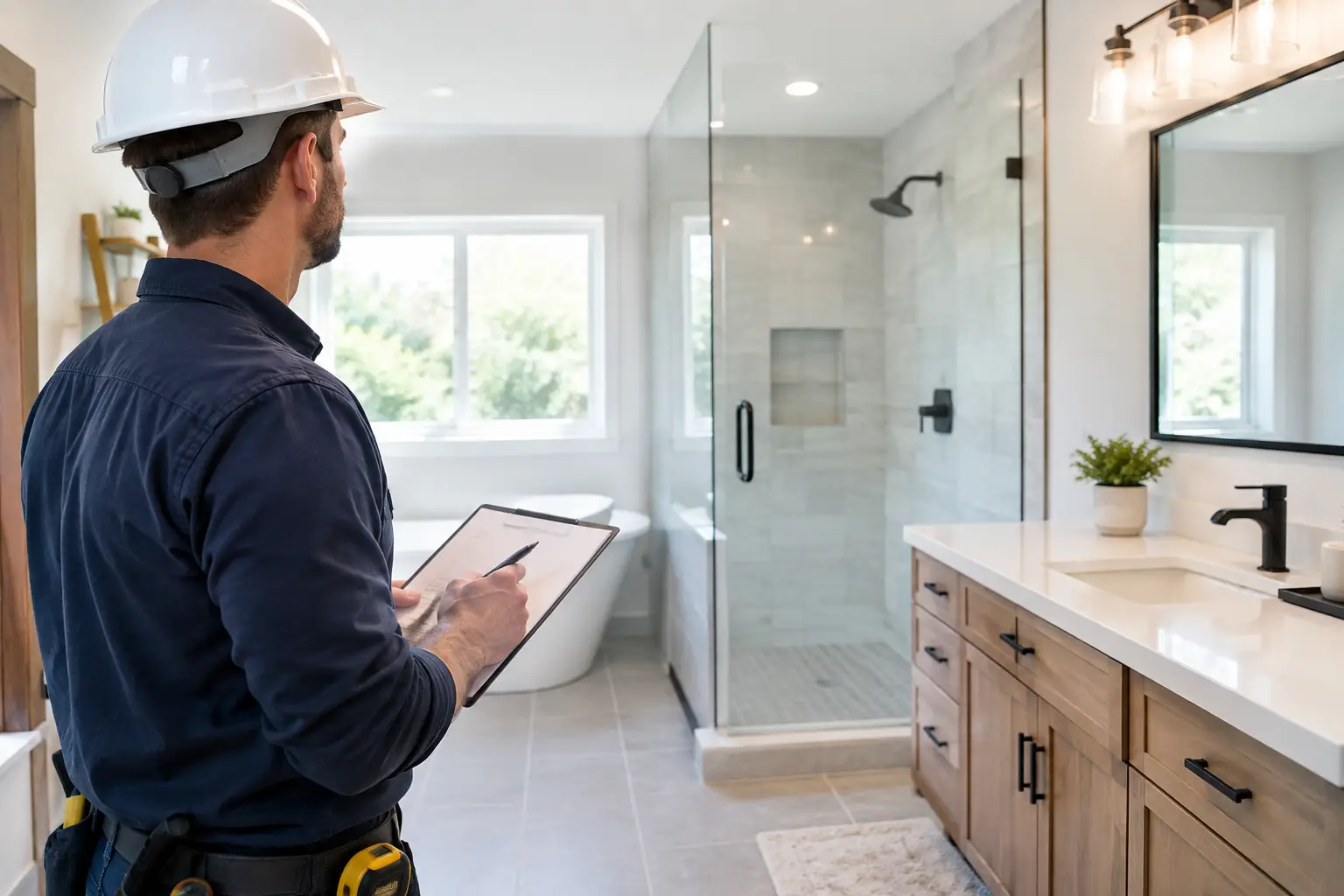
A kitchen that no longer works for family life, a bathroom showing its age, or a foundation concern that keeps you up at night is not a project to hand off casually. Searching for residential general contractors near me is usually the first step, but the best choice is not simply the company closest to your address. It is the construction partner that can understand your property, protect your investment, communicate clearly, and carry the work through without leaving you to coordinate a dozen separate trades.
For Central Texas homeowners, that decision carries extra weight. Austin-area homes face intense heat, expansive soils, rapid neighborhood growth, changing design expectations, and permitting requirements that can vary by community. Whether you are planning a full remodel in Cedar Park, an ADU in Leander, a new outdoor living space in Georgetown, or a repair project in Lakeway, the right contractor should bring local awareness and a disciplined process to every phase.
What Residential General Contractors Actually Manage
A residential general contractor is more than the person who swings the hammer or sends an estimate. Their role is to organize the people, materials, schedule, permitting, quality checks, and decisions that turn an idea into a finished space.
On a larger renovation or construction project, that often means coordinating designers, engineers, electricians, plumbers, HVAC technicians, framers, painters, concrete crews, and specialty trades. A capable general contractor keeps those moving parts aligned so a design choice in the kitchen does not create a costly delay when cabinets, flooring, lighting, and plumbing fixtures need to arrive and install in the right sequence.
This level of management matters most when projects affect multiple systems. Moving walls, expanding a home, adding a second-story room, building an accessory dwelling unit, correcting water damage, or repairing structural conditions all require decisions that reach beyond surface finishes. The contractor should be able to explain what is happening behind the walls and beneath the slab, not only what the finished room will look like.
How to Compare Residential General Contractors Near Me
A polished gallery is helpful, but it does not tell you everything about how a contractor runs a project. The early conversation should reveal whether the company is equipped to manage your specific scope, budget, site conditions, and priorities.
Start by describing the outcome you want, not just the item you want installed. Instead of saying you need a kitchen remodel, explain that you need better circulation for a busy family, more usable storage, a durable island for entertaining, or an open connection to the living area. A thoughtful contractor will ask follow-up questions about how you live in the home, the age of the property, your design preferences, and the level of disruption you can accommodate.
Then ask how the project will be planned. Strong contractors do not rush from a quick walk-through into a vague price. They assess existing conditions, define the scope, identify likely constraints, discuss permits where needed, and establish realistic material and labor expectations. For foundation, water intrusion, or structural concerns, an inspection and a clear explanation of the findings are especially important before cosmetic work begins.
You should also ask who will be responsible day to day. Some firms rely heavily on the homeowner to make scheduling decisions among subcontractors. Others provide active project oversight and a single point of contact. Neither approach is automatically wrong, but a homeowner who wants a managed experience should choose a contractor that clearly owns coordination, updates, quality control, and issue resolution.
Credentials Matter, but Process Matters Too
Verify insurance, applicable licenses, references, and experience with projects similar to yours. These are baseline checks, not optional extras. If your project requires engineering, specialized remediation, major electrical work, or structural repair, confirm how the contractor handles those technical requirements and whether qualified professionals are involved.
Just as important, look for a documented process. Ask how change orders are approved, how selections are tracked, how site protection is handled, and how the company addresses an unexpected condition discovered after demolition. Homes often hold surprises, especially older properties. The right partner does not promise that surprises never happen. They explain how decisions will be documented, priced, and communicated when they do.
Price Is Only One Part of the Proposal
A low bid can be attractive until it becomes a trail of allowances, exclusions, delays, and unfinished details. When comparing estimates, make sure you are comparing the same scope of work. One proposal may include demolition, permits, disposal, supervision, finish materials, and final punch-list work, while another may leave several of those items for later.
A detailed proposal should identify the work to be performed, major materials or allowances, expected timeline, payment structure, and exclusions. It should also make clear what is fixed and what may change if concealed damage, code upgrades, client-requested revisions, or material availability affect the plan.
There is a real trade-off between the lowest upfront number and long-term project confidence. Quality framing, moisture management, insulation, drainage, electrical work, and properly prepared surfaces are not always visible in a final photo, yet they influence durability, comfort, maintenance costs, and resale value for years. For many homeowners, the better value comes from investing in careful planning and craftsmanship rather than paying twice to correct rushed work.
Look for Local Knowledge, Not Just Local Search Results
Central Texas construction calls for practical regional expertise. Soil movement can influence foundation performance and drainage decisions. Long stretches of heat place demands on insulation, roofing, HVAC efficiency, exterior finishes, and outdoor living materials. Heavy rain can expose weaknesses around grading, gutters, flashing, windows, and drainage paths.
A contractor familiar with Austin, Liberty Hill, Leander, Cedar Park, Lakeway, Georgetown, and nearby communities should understand that each property is different. A hillside lot, an established neighborhood home, and a newer suburban build do not present the same constraints. Local knowledge helps the contractor ask better questions before work begins and recommend solutions suited to the property instead of applying a one-size-fits-all approach.
It also helps with timing. Permit reviews, inspections, material lead times, weather, utility coordination, and homeowner association requirements can all affect a schedule. An honest contractor will provide a realistic timeline with room for the variables that cannot be controlled, rather than making a fast promise that does not match the project’s complexity.
Choose a Partner Who Can See the Whole Property
The best home improvements work together. A remodeled kitchen may lead to a need for better lighting, upgraded insulation, new flooring transitions, or improved patio access. A garage conversion can become a home office, gym, guest suite, or rental opportunity, but it may also require careful attention to electrical capacity, HVAC, windows, and plumbing.
That is why full-service capability can be valuable. A construction partner who understands remodeling, custom homes, additions, ADUs, concrete, outdoor spaces, water remediation, and structural repairs can help you prioritize work in the right order. You may not need every service at once, but you do need a plan that prevents a new finish from being damaged by a repair that should have happened first.
NXT Construction Inc. approaches projects this way, connecting design-minded planning with practical construction execution so homeowners can make decisions around lifestyle, functionality, aesthetics, and long-term value. For a family planning an outdoor kitchen, for example, the conversation should include how the space will be used, shade, drainage, utilities, traffic flow, and materials that can stand up to Texas weather, not simply the size of the countertop.
Communication Is a Construction Standard
Homeowners remember how a project felt as much as how it looked. Clear communication reduces stress when a home is temporarily noisy, dusty, or partially inaccessible. Before signing a contract, ask how often you will receive updates, who to contact with questions, and how quickly the team responds when an issue arises.
A professional contractor should respect the property throughout the job. That includes protecting adjacent areas, organizing the worksite, communicating schedule changes, and completing a final walk-through for remaining details. The final punch list is not a formality. It is the contractor’s opportunity to confirm that finishes, functions, and workmanship meet the agreed expectations.
You should feel comfortable raising concerns early. A reliable contractor does not treat questions as an inconvenience. They recognize that your home is a meaningful financial and personal investment, and that trust is built through straightforward answers and accountable follow-through.
Start With the Right Questions
Before your first consultation, gather inspiration photos, a rough budget range, your preferred project timing, and a list of problems you want solved. If you know the age of major systems or have reports related to foundation movement, water damage, inspections, or prior repairs, bring those details as well.
During the meeting, focus on the contractor’s questions as much as their answers. Are they listening closely? Do they explain trade-offs in plain language? Can they distinguish between a cosmetic upgrade and work that requires deeper investigation? Do they offer options that respect your budget without ignoring the performance of the home?
The right contractor will help you transform an idea into a durable, functional space that feels designed for the way you live. Start with a thorough assessment, insist on a clearly defined scope, and choose the team that gives your project the attention it deserves from the first conversation to the final detail.