

A major remodel, new addition, foundation repair, or commercial retrofit can change how you live and how your property performs for years. Choosing a trusted general contractor is not simply about finding the lowest estimate. It is about selecting a partner who can understand your goals, manage the moving parts, communicate honestly, and deliver work built to last in Central Texas conditions.
The right contractor brings more than skilled labor to the job site. They bring planning, accountability, reliable trade partners, material knowledge, and the ability to guide decisions before a small issue becomes an expensive surprise. Whether you are updating an older Austin home, building an ADU in Leander, expanding a family home in Georgetown, or modernizing a commercial space in Cedar Park, the selection process deserves careful attention.
What Makes a Trusted General Contractor Different?
A dependable contractor does not begin with a vague promise or a rushed price. They begin by learning how you use the property, what is not working today, what you want the finished space to feel like, and what level of investment makes sense for your plans.
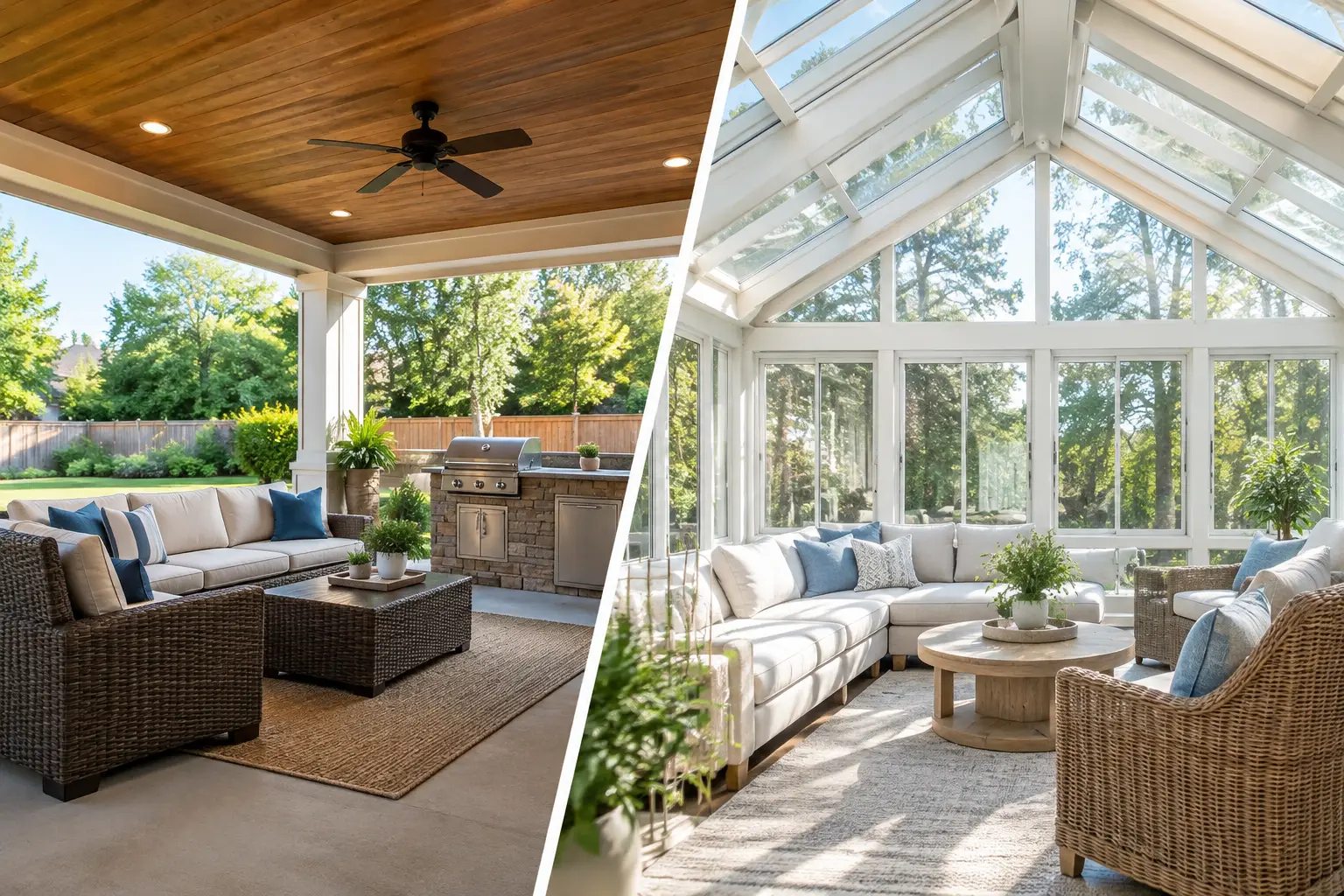
That consultative approach matters because construction is rarely one-dimensional. A kitchen renovation may involve plumbing updates, electrical capacity, ventilation, cabinetry, flooring, drywall, lighting, and structural changes. An outdoor kitchen may require drainage planning, concrete work, utility connections, shade structures, and materials that can handle Texas heat. A contractor who sees the entire project can coordinate those details instead of treating each one as a separate problem.
Trust also shows up in the less visible parts of the process. Is the contractor clear about what is included? Do they explain where allowances or unknown conditions may affect the budget? Do they return calls and document decisions? Are they prepared to protect your home, maintain an organized site, and address concerns quickly? Fine craftsmanship matters, but professional project management is what protects that craftsmanship from avoidable delays and confusion.
Start With Your Project Goals, Not Just a Price
Before requesting estimates, define the outcome you want. You do not need a complete design package to have a productive first conversation, but you should be able to explain the problem you are solving and the priorities behind it.
For example, a bathroom remodel may be driven by aging-in-place needs, a desire for more storage, water damage, or the goal of improving resale value. A home addition may be about a growing family, a dedicated office, or space for multigenerational living. An ADU can create room for guests, relatives, or rental income. Each goal changes the appropriate scope, materials, timeline, and budget.
Be open about your target investment range as well. A qualified contractor can help you distinguish between improvements that deliver daily value and upgrades that may look appealing but do not serve your priorities. The goal is not to cut corners. It is to make informed choices, such as investing in structural work, waterproofing, insulation, or durable finishes before adding features that can be upgraded later.
Verify Credentials, Experience, and Local Knowledge
A contractor should be willing to discuss insurance, licensing requirements that apply to the work, permits, subcontractor coordination, and experience with projects similar to yours. Ask for proof of appropriate insurance and take the time to understand who will be responsible for the work at your property.
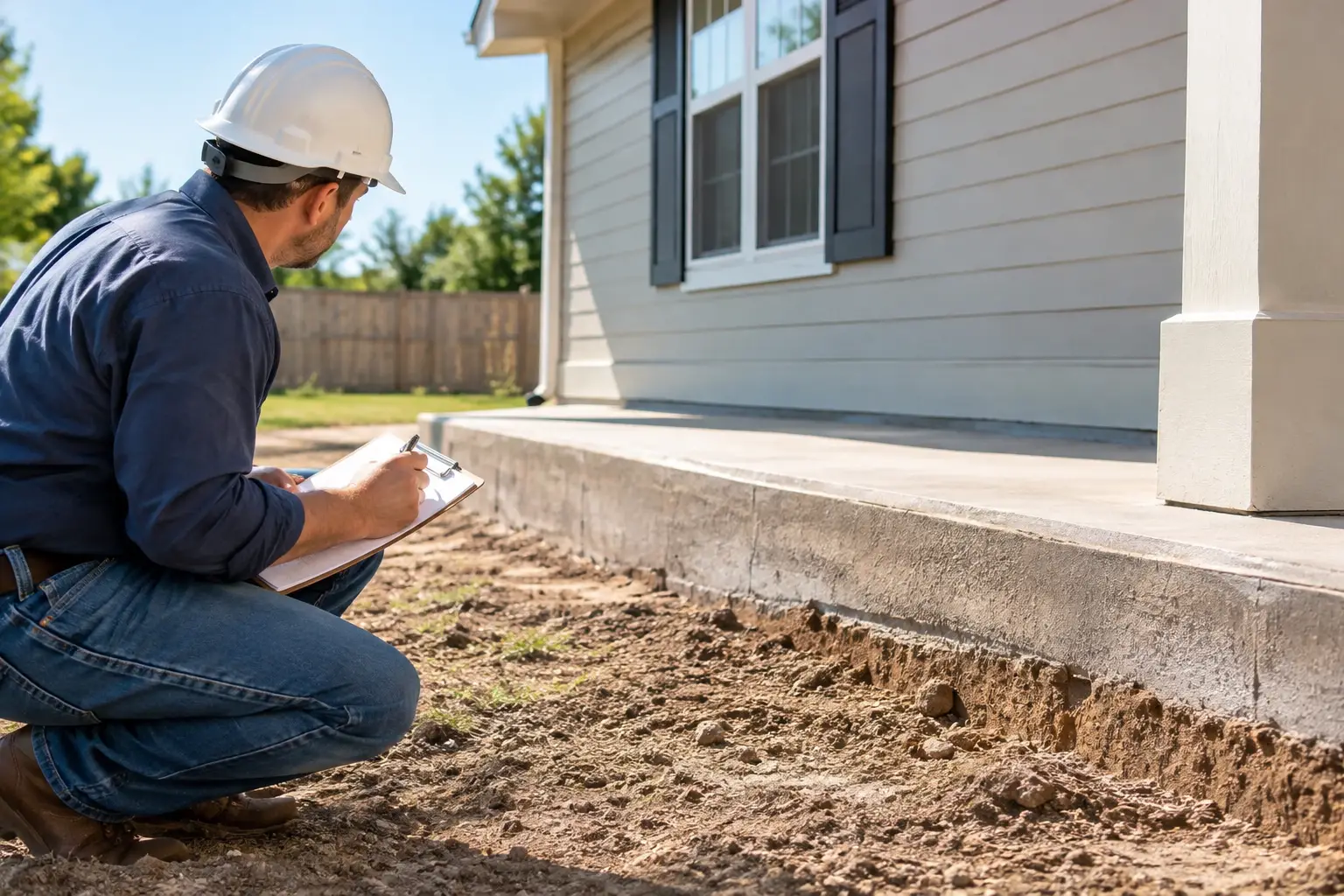
Local knowledge is equally valuable. Central Texas properties can present specific challenges, including expansive soils, foundation movement, intense sun, stormwater concerns, and moisture issues that may not be visible at first glance. A contractor familiar with the area can account for those realities when recommending drainage solutions, foundation repair, concrete installation, exterior finishes, insulation, and outdoor improvements.
Experience should match the complexity of your project. A contractor who handles cosmetic updates may not be the best fit for a structural remodel, water remediation project, custom home, or commercial retrofit. Ask about comparable work and how the team handled challenges such as permitting, occupied construction, unexpected damage, or changes requested during the build.
Look Beyond Online Reviews
Reviews can reveal useful patterns, especially when clients mention communication, job-site professionalism, quality, and follow-through after completion. Still, a few positive comments should not be the only deciding factor.
Ask for examples of completed projects that resemble your plans. Study the details in the work: consistent tile lines, clean transitions, thoughtful lighting placement, quality trim, durable exterior materials, and spaces that feel functional rather than merely new. A project gallery is helpful, but a direct conversation about the process behind the finished result is even more revealing.
Ask How the Project Will Be Managed
Construction becomes far less stressful when everyone knows who is responsible for what. During your consultation, ask who will be your main point of contact, how often you will receive updates, and how decisions will be documented. You should understand how the team handles scheduling, deliveries, inspections, subcontractors, site access, cleanup, and homeowner questions.
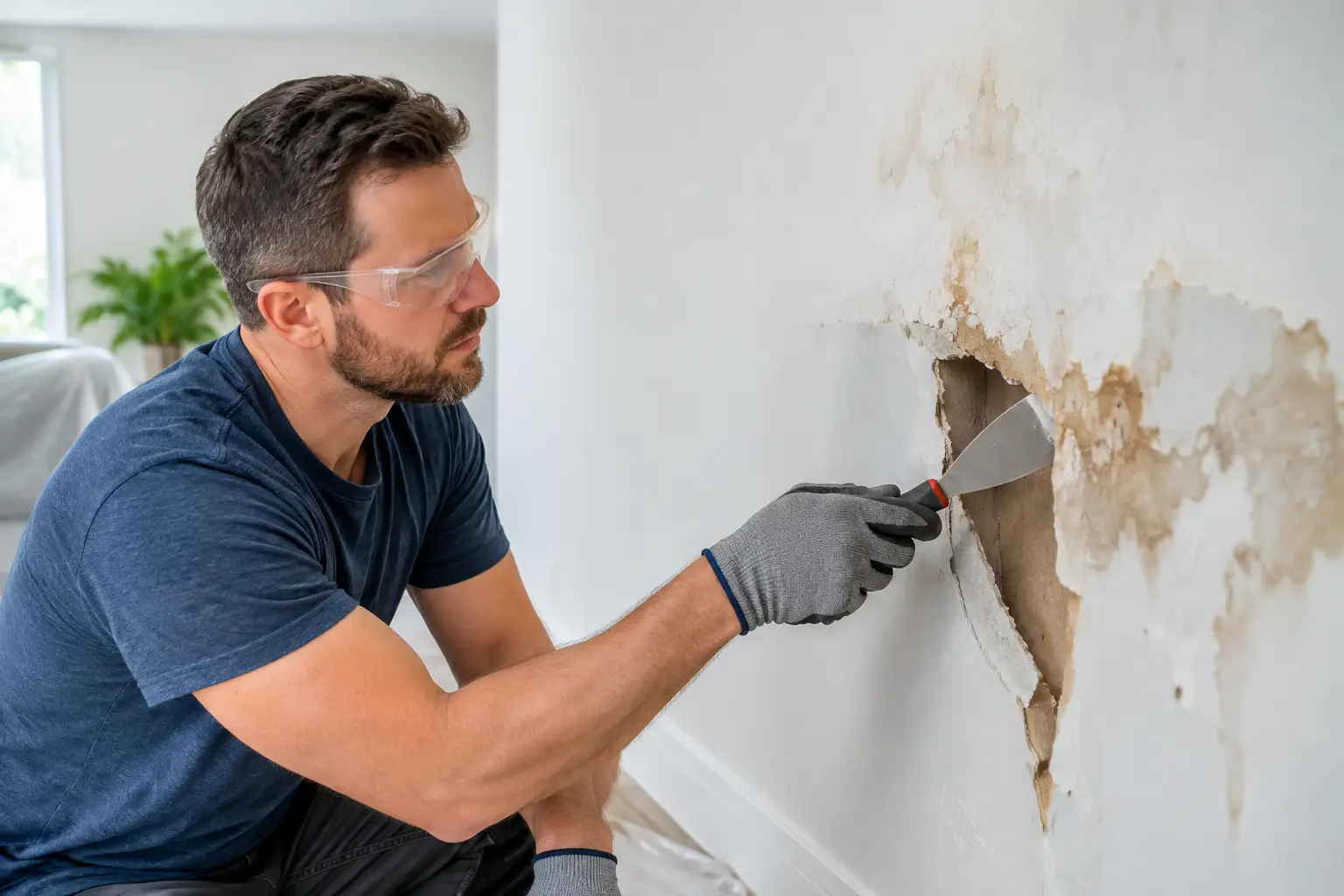
Change orders deserve a direct conversation. Changes are not always a sign of poor planning. Once walls are opened, a contractor may find outdated wiring, hidden water damage, framing issues, or conditions that could not reasonably be seen during an initial inspection. A trusted partner explains the finding, presents practical options, identifies the cost and schedule implications, and gets approval before moving forward.
Be cautious if a contractor promises that there will never be surprises. The more honest answer is that surprises can happen, especially in older homes, but they can be managed through thorough planning, transparent communication, and timely decisions.
Compare Estimates Fairly
Two estimates can have very different totals because they include different scopes. One may account for permits, demolition, disposal, design coordination, high-quality materials, finish work, and final cleanup. Another may leave several of those items unclear or exclude them entirely.
Instead of comparing only the bottom line, compare the level of detail. A useful proposal explains the planned work, major materials, responsibilities, exclusions, allowances, payment schedule, and anticipated timeline. If something is unclear, ask before signing. Clear questions early are far easier than difficult conversations after work begins.
The lowest price may be appropriate for a limited project with a simple scope. But if the difference is substantial, find out why. Lower pricing can reflect less experienced labor, missing project-management costs, lower-grade materials, incomplete prep work, or an estimate that leaves room for major additions later. Value comes from work that performs well, looks right, and does not require premature repair.
Pay Attention to Communication Before You Hire
The pre-construction experience is often a preview of the job itself. If a contractor is responsive, prepared, respectful of your questions, and realistic about constraints during the estimating stage, that is a strong sign. If they are difficult to reach, dismissive of concerns, or unwilling to put details in writing, those problems rarely improve after a deposit is paid.
You should feel comfortable discussing your budget, design preferences, concerns about living through construction, and long-term plans for the property. The best contractor-client relationships are collaborative. You bring knowledge of your home, business, family, and vision. The contractor brings construction expertise and practical guidance to turn those ideas into a durable, buildable plan.
At NXT Construction Inc., that partnership is central to the process. From a free inspection or early project conversation through construction and ongoing support, the focus is on translating your goals into spaces that improve function, appearance, comfort, and property value.
Choose the Partner Who Protects the Full Investment
A trusted general contractor should help you think beyond the immediate project. The right decisions can improve energy performance, reduce maintenance needs, prepare a home for changing family needs, strengthen damaged areas, or make an underused outdoor space part of everyday life.
That does not mean every project needs the most expensive finish or the largest possible scope. It means each recommendation should have a reason behind it. A good contractor can explain where quality matters most, where alternatives make sense, and how to phase a larger vision if needed.
Your property is more than a job site. It is where your family gathers, where your business serves customers, or where your next chapter takes shape. Choose a construction partner who treats that investment with the planning, craftsmanship, and accountability it deserves.

One Response