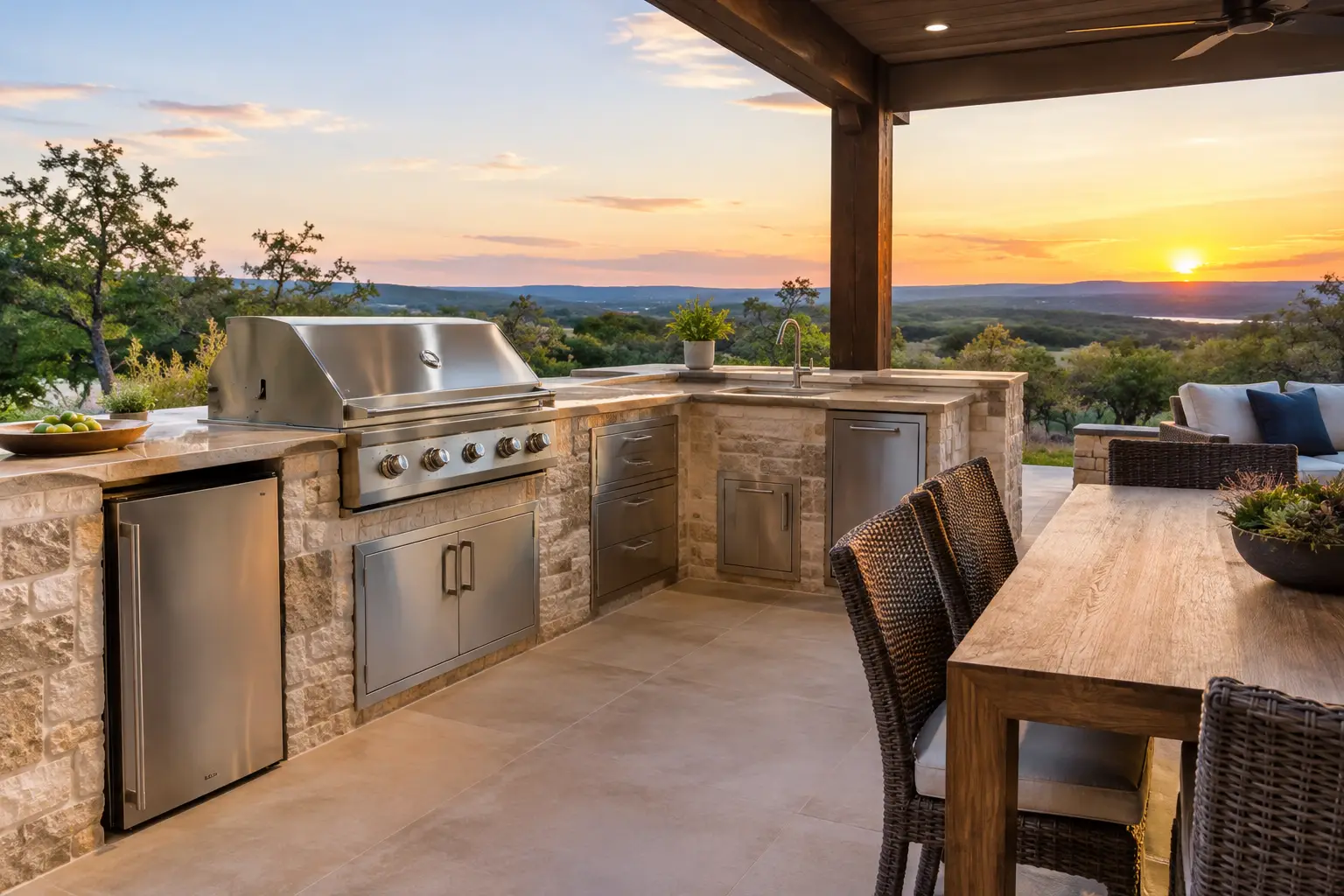
A Central Texas backyard can be quiet at noon and full of family, neighbors, and the smell of dinner by sunset. That shift is exactly why outdoor kitchens have become one of the most meaningful ways to improve a home. When planned well, they create more than a place to grill. They give your property a comfortable, hardworking gathering space built for everyday meals, game days, birthdays, and long evenings outdoors.
The best projects balance visual appeal with the realities of the Texas climate. Heat, direct sunlight, wind, sudden rain, and changing temperatures all influence where the kitchen belongs, which materials will last, and how much shade or protection the space needs. A thoughtful construction partner helps turn those details into a finished space that feels natural to your home and ready for the way you live.
What Makes Outdoor Kitchens Worth the Investment
A built-in outdoor kitchen expands the usable square footage of your property without adding another enclosed room. It draws people outside, keeps the cook connected to the conversation, and reduces the back-and-forth between the indoor kitchen and patio. For families who entertain often, that convenience changes how the entire backyard gets used.
It can also strengthen the long-term appeal of your home. Buyers throughout Austin, Cedar Park, Leander, Lakeway, Georgetown, and Liberty Hill often look for outdoor spaces that feel complete rather than unfinished. A well-designed kitchen, paired with a quality patio or pergola, gives the backyard a clear purpose and a more polished look.
Value, however, should not be the only reason to build. The strongest return comes when the design supports your actual routines. A couple who hosts a few friends may need a grill, counter space, and compact beverage center. A large family may benefit from more seating, refrigeration, storage, multiple cooking surfaces, and room to serve a crowd. Building beyond your needs can consume budget that would be better spent on durable finishes, shade, or site improvements.
Start With How You Want to Use the Space
Before choosing appliances or countertop colors, consider the experience you want the backyard to provide. Is it a relaxed weekday cooking area, a weekend entertainment hub, or part of a larger outdoor living project with a pool, fire feature, dining area, and covered patio? The answer guides the layout.
A functional kitchen places the grill, prep surface, cold storage, and cleanup area in a logical sequence. The cook should have enough uninterrupted counter space beside the grill for platters, tools, and ingredients. Guests should be close enough to participate without standing in the work zone. This is where an island or raised bar can make a major difference, creating a natural boundary between cooking and gathering.
Plan the layout around movement
Outdoor layouts need breathing room. Doors, gates, pool access, and paths back into the house should remain clear, especially when people are carrying hot food or moving through the yard after dark. If a kitchen sits too far from the house, grocery runs and cleanup can become frustrating. If it sits too close to a door, traffic can crowd the cook.
The right location also considers prevailing wind, smoke direction, neighboring properties, and sightlines from inside the home. A kitchen should feel connected to the house while still giving the backyard its own identity.
Decide what belongs in phase one
Not every feature needs to be installed immediately. A durable patio, correctly sized utilities, a built-in grill, and generous counter space may be the smartest first phase. Gas lines, electrical capacity, drainage, and plumbing can be planned now so a refrigerator, sink, ice maker, or specialty pizza oven can be added later without tearing into finished work.
This approach protects your budget while keeping the project flexible. It is especially useful for homeowners who want to improve the backyard now and add a pool, pergola, or expanded seating area in a future phase.
Materials Built for Central Texas Conditions
Materials make a visible difference, but they also determine how much maintenance your kitchen will need over time. In Central Texas, finishes must hold up against UV exposure, high heat, moisture, and the occasional cold snap.
Stone, brick, stucco, and masonry can create a substantial, timeless base when installed correctly. They work particularly well when the materials relate to the home’s exterior, existing retaining walls, or patio finishes. Stainless steel components remain a strong choice for appliances and access doors because they are durable and easy to clean, though quality matters. Lower-grade metal can discolor, corrode, or show wear faster in exposed locations.
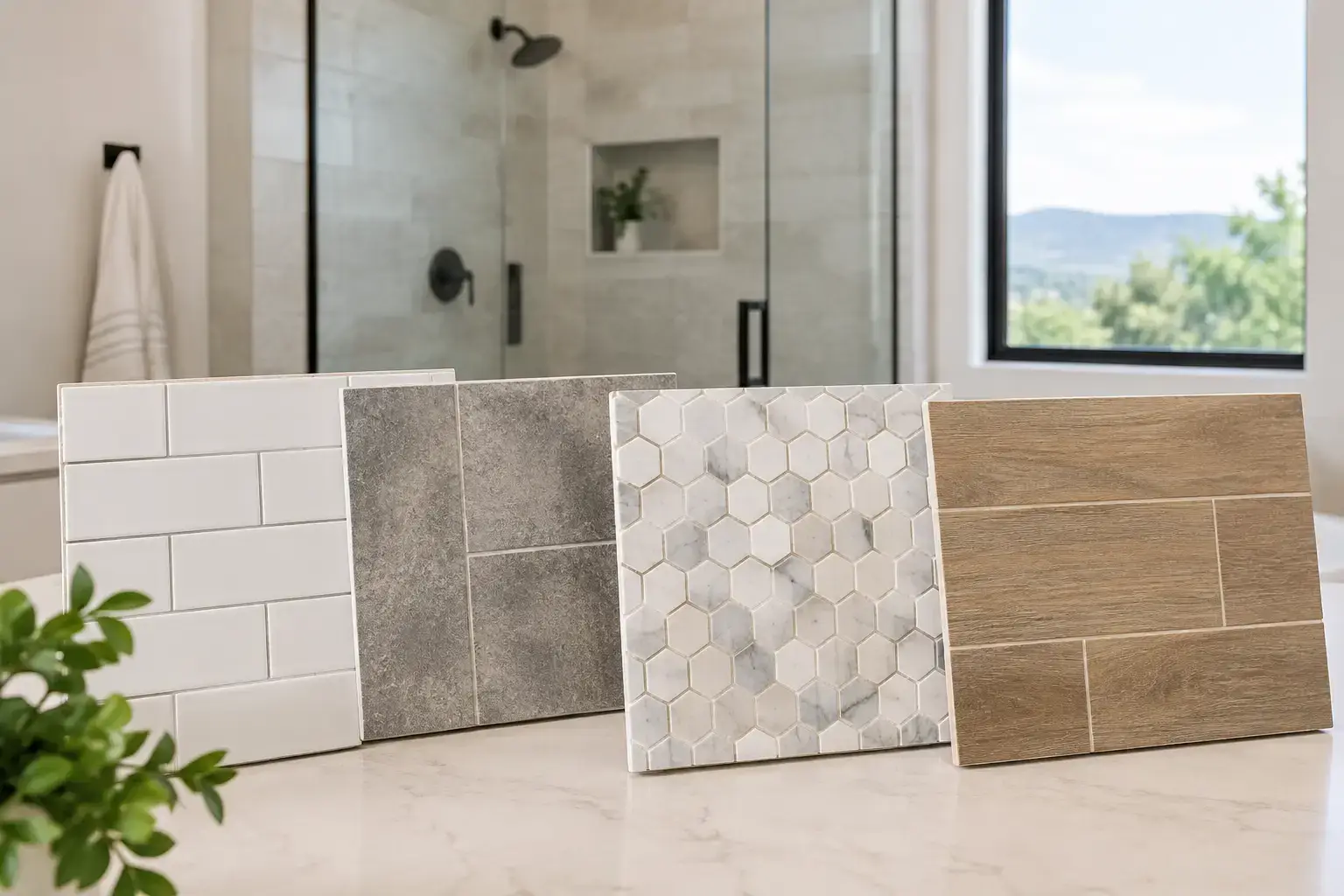
For countertops, heat tolerance and upkeep deserve as much attention as appearance. Natural stone offers character, but some options require sealing and can stain or etch if neglected. Porcelain and certain engineered surfaces can be highly durable, although product selection and installation requirements vary. Concrete offers a custom look but needs proper finishing and maintenance to perform well outdoors.
There is no single best material for every backyard. The right choice depends on sun exposure, cover, maintenance preferences, the architectural style of the home, and the project budget. A clear conversation before construction prevents expensive changes later.
Shade, Utilities, and Drainage Are Not Afterthoughts
A beautiful grill island will not feel inviting in the middle of a July afternoon if there is nowhere to escape the sun. Shade is one of the most valuable comfort upgrades in an outdoor kitchen. A roof extension provides the greatest coverage and can make lighting, fans, and electrical connections easier to integrate. A pergola adds architectural character and partial relief from direct sun, while a retractable shade system can offer flexibility for changing conditions.
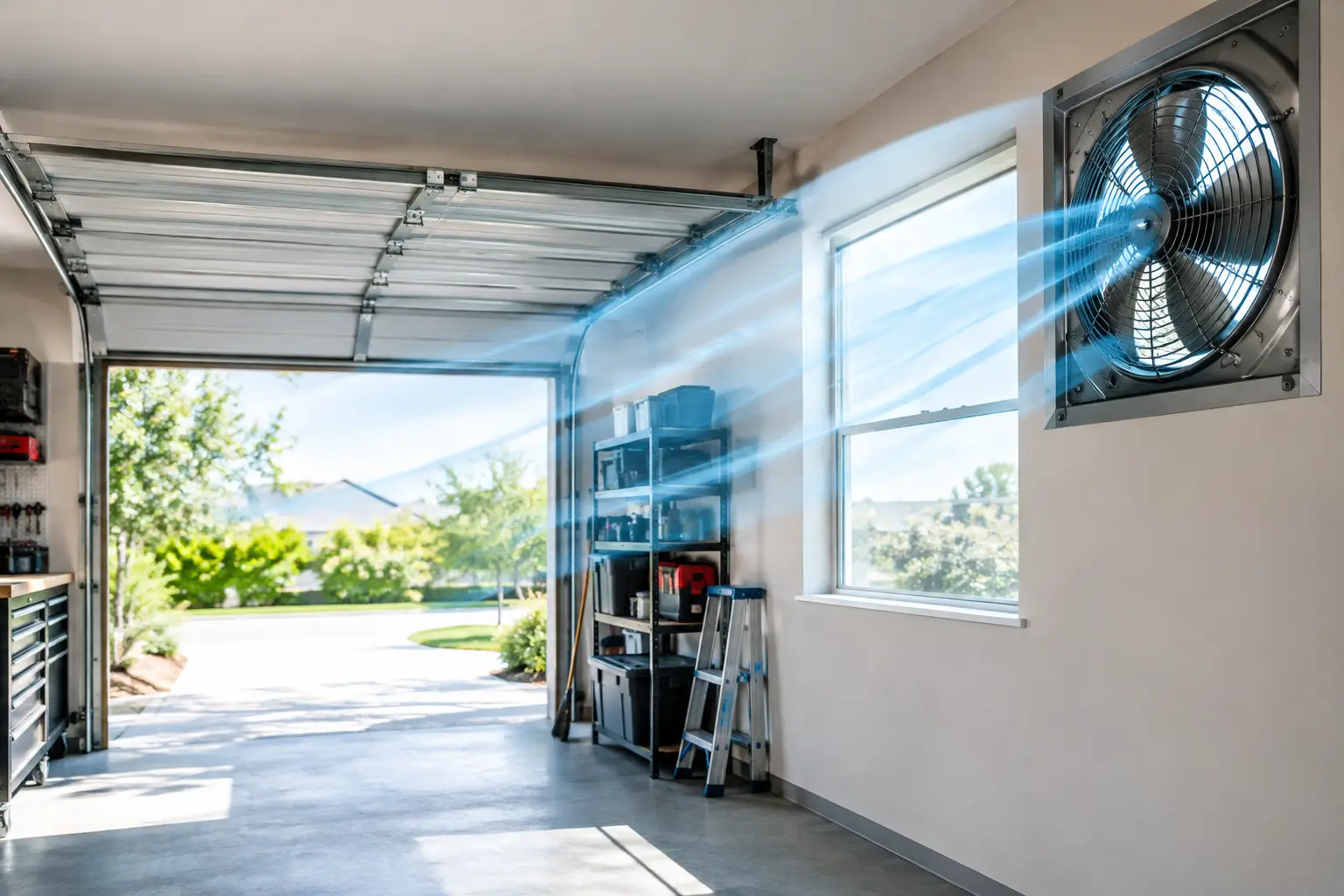
Open-flame cooking requires proper clearances and ventilation, particularly beneath covered structures. Local codes, appliance specifications, and the chosen enclosure all matter. Good planning protects both the finished space and the people using it.
Utilities should be installed with the same care as the visible finishes. Natural gas or propane, electrical service, water supply, wastewater drainage, and outdoor-rated outlets must be designed for the equipment you want to use. A kitchen with a sink needs more than a nearby hose connection. It needs appropriate plumbing and drainage solutions that fit the site and local requirements.
Drainage is equally important. Water should move away from the house and avoid collecting around the kitchen base, patio edges, or seating areas. On sloped lots, grading and drainage planning can be the difference between a backyard that performs beautifully in a storm and one that develops avoidable problems.
Make the Kitchen Feel Like Part of the Property
The most successful outdoor kitchens do not look dropped into the yard. They echo the home through materials, colors, proportions, and details. A modern home may call for clean-lined cabinetry, porcelain surfaces, and understated lighting. A Hill Country-inspired property may feel more at home with stone, warm wood accents, and a substantial masonry grill surround.
Lighting brings the space to life after sunset. Task lighting near the grill and prep area improves safety, while softer lighting beneath counters, along pathways, or around seating helps the space feel welcoming. Ceiling fans, heaters, and screened areas can extend the seasons when a covered design makes sense.
Do not overlook storage. Weather-resistant drawers and cabinets keep grilling tools, serving pieces, and cleaning supplies where they are needed. This reduces clutter and makes the kitchen easier to enjoy on a casual Tuesday, not just when guests are coming over.
Choose a Construction Partner Who Plans Beyond the Finish Line
An outdoor kitchen brings together design, masonry, concrete, framing, electrical work, plumbing, gas connections, drainage, and finish installation. Coordinating those trades is where a professional, end-to-end process provides real value. The goal is not simply to install attractive components. It is to create a safe, durable, code-conscious space that works as a complete part of your property.
At NXT Construction Inc., the planning conversation begins with your lifestyle, existing backyard conditions, aesthetic goals, and investment range. From a compact grilling station to a complete outdoor living environment, the right project starts with clear communication and practical decisions before work begins.
Your backyard should earn its place in your daily life. Start with the moments you want to create there, then build the kitchen that makes those moments easier to enjoy for years to come.