A search for residential construction companies near me usually starts when a home stops working the way it should. Maybe the kitchen has become a bottleneck for a growing family, a dated bathroom no longer feels comfortable, or a backyard has plenty of square footage but nowhere to gather. In Central Texas, it may also begin with a more urgent concern: water damage, foundation movement, or a structure that needs qualified attention before a cosmetic upgrade can begin.
The right construction partner does more than provide a bid. They help you turn a rough idea, a practical need, or a long-term property goal into a well-managed project that respects your home, budget, and time. Choosing carefully at the beginning can make the difference between a stressful renovation and a space you are proud to live in for years.
What to Look for in Residential Construction Companies Near Me
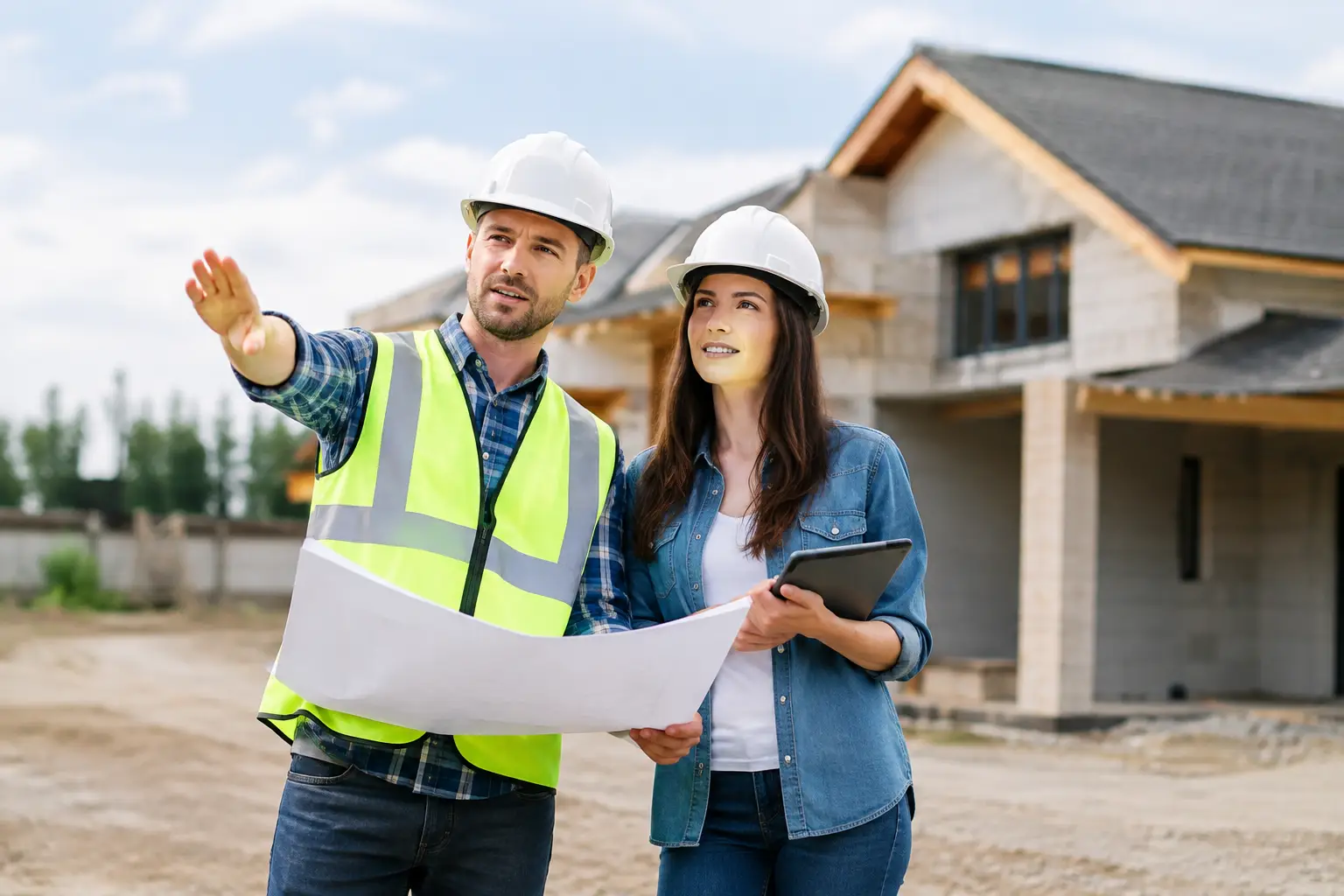
Proximity matters, but it is not the whole decision. A local contractor should understand the building conditions, permitting expectations, neighborhoods, and design preferences that shape projects in Austin, Liberty Hill, Leander, Cedar Park, Lakeway, Georgetown, and nearby communities. Local knowledge can be especially valuable when a project involves site conditions, drainage, foundation concerns, outdoor construction, or an addition that must fit naturally with an existing home.
Start by looking at the types of projects a company manages. A contractor who only handles minor repairs may not be the best fit for a full kitchen renovation, custom home, accessory dwelling unit, or structural restoration. On the other hand, a large-scale builder may not be the right choice for a focused bathroom update unless they have a clear process for projects of that size.
The strongest residential construction companies bring together planning, skilled execution, and responsible project management. They should be able to explain how they will evaluate the property, develop a scope of work, coordinate trades, communicate changes, and protect the quality of the finished space.
Experience Should Match Your Project, Not Just Look Impressive
Construction experience is most useful when it applies directly to the work you need. If you are considering a room addition, ask about additions that involved structural changes, roofing integration, electrical upgrades, and matching exterior finishes. For an ADU, ask how the contractor approaches privacy, utility connections, access, and the intended use of the space, whether it will serve family, guests, a home office, or rental income.
A portfolio can tell you a great deal when you know what to look for. Beyond the finished photographs, ask how the company solved real project constraints. Did they work around an occupied home? Did they address water intrusion before restoring damaged finishes? Did they help a client balance high-end material choices with a firm budget? Craftsmanship is visible in clean details, but experience also shows up in practical decisions made behind the walls.
Look Beyond the Initial Price
The lowest estimate can be appealing, particularly when several expenses are arriving at once. Yet a low number is only useful if the scope is complete, the workmanship is reliable, and the contractor has accounted for the work required to finish the project correctly.
A clear estimate should help you understand what is included, what may be selected later, and what conditions could affect cost. Some projects carry genuine unknowns. Opening walls in an older home can reveal outdated wiring, hidden moisture, or framing issues. Foundation repair and water remediation require an honest assessment of the underlying cause, not a quick cosmetic cover-up.
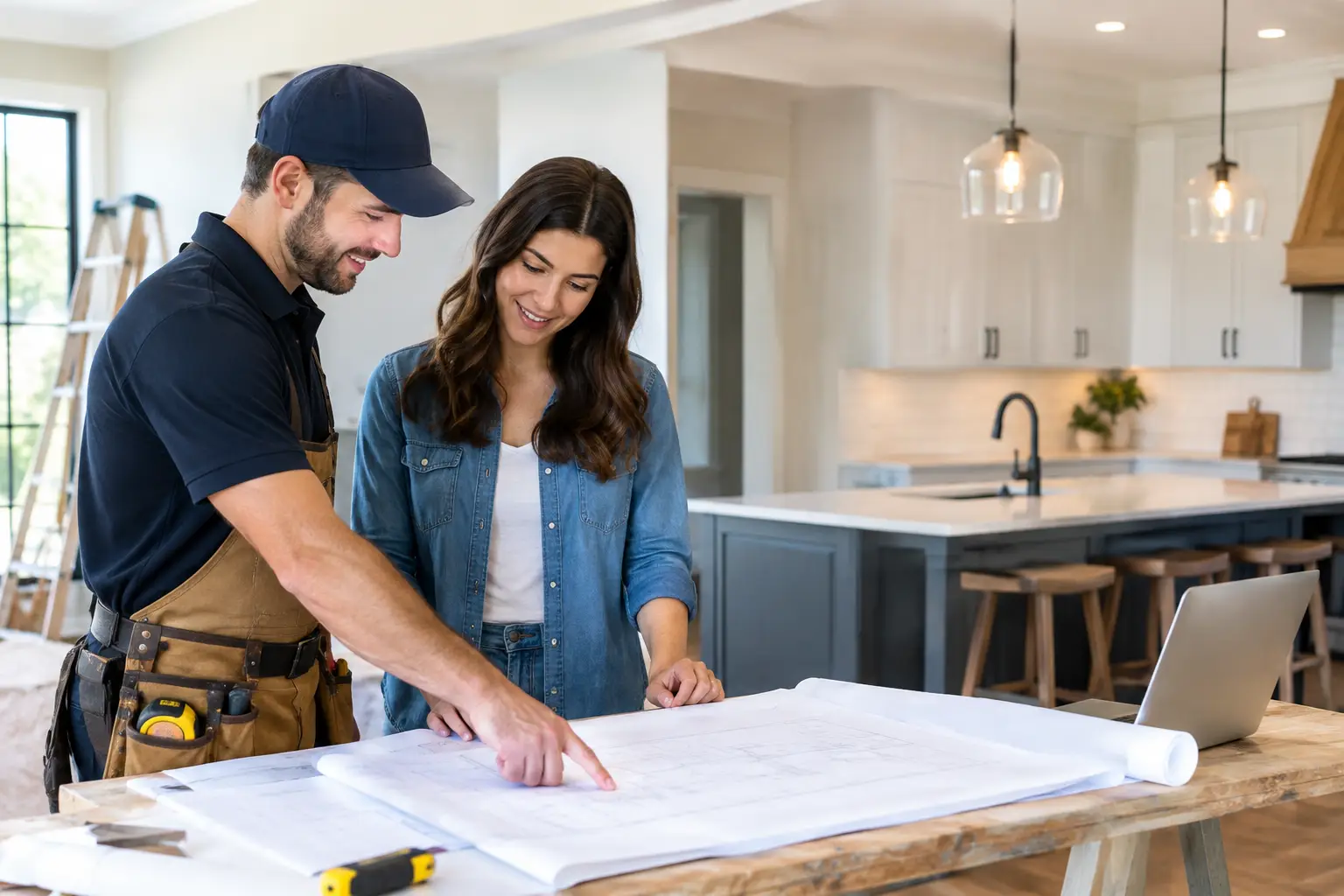
Ask each contractor to walk through the proposal with you. You should understand the major materials, labor categories, allowances, permit needs, project timeline, and payment structure. If the scope is vague, it becomes harder to compare bids fairly and easier for misunderstandings to appear after construction begins.
Value also includes durability. A thoughtfully built patio, insulated addition, or remodeled kitchen may cost more upfront than a rushed alternative, but it can improve daily life, reduce future repair needs, and strengthen your property’s appeal over time. The right recommendation depends on how long you plan to own the home, how you use the space, and where quality will make the biggest difference.
Communication Is a Construction Skill
Homeowners often focus on finishes first: cabinet color, flooring, countertops, tile, lighting, and fixtures. Those choices matter, but consistent communication matters just as much. Residential construction affects your routines, your privacy, and your confidence in a major investment. You deserve to know what is happening at each stage.
During early conversations, pay attention to how a company responds. Do they listen to your goals before suggesting solutions? Do they explain options in straightforward language? Are they candid about trade-offs? A trusted contractor should not pressure you into a one-size-fits-all answer when a project needs a more tailored approach.
Before signing an agreement, get clarity on a few practical points:
- Who will be your primary point of contact throughout the project?
- How often will you receive schedule updates and progress reports?
- What is the process for approving changes to scope, cost, or materials?
- How will the work area be managed if you remain in the home?
- What support is available if a concern arises after completion?
These questions are not difficult, but the answers reveal whether a contractor has an organized process or simply hopes each project stays on track. Professional communication protects both the homeowner and the construction team.
Choose a Partner That Can See the Whole Property
The best improvement is not always the most obvious one. A homeowner may initially call about a bathroom remodel, then discover that inadequate insulation, poor ventilation, or a lingering moisture issue needs attention first. Someone planning a new driveway may also need drainage considered so water is directed away from the foundation. A dream outdoor kitchen may need to account for shade, traffic flow, utilities, and the way your family entertains.
That is why an end-to-end construction partner is valuable. Rather than treating every service as an isolated task, they can connect design goals with the realities of structure, materials, maintenance, and budget. This approach is especially useful for extensive renovations, new construction, garage conversions, ADUs, and properties with multiple improvement needs.
For example, an outdated home in Cedar Park might benefit from an open living area, a remodeled kitchen, and spray foam insulation that improves comfort and efficiency. A Lakeway property may call for a more functional outdoor living space that takes advantage of the setting while using durable materials suited to Texas weather. A Georgetown homeowner may need foundation repair addressed before moving forward with the interior transformation they have been planning.
NXT Construction Inc. approaches projects as tailored transformations, helping Central Texas property owners connect the immediate scope of work to the way they want to live, host, work, or invest in the future.
Verify Trust Signals Before Work Begins
Good construction work deserves verification. Check reviews for specific details about professionalism, schedule management, cleanliness, problem-solving, and follow-through. General praise is encouraging, but a useful review explains what it was like to work with the company when decisions or unexpected conditions arose.
You can also ask about inspections, warranty expectations, insurance, permitting, and the subcontractors or trade professionals involved in the project. A reputable contractor will welcome informed questions. They should be prepared to discuss how they protect the home, maintain quality control, and handle issues if something does not go as planned.
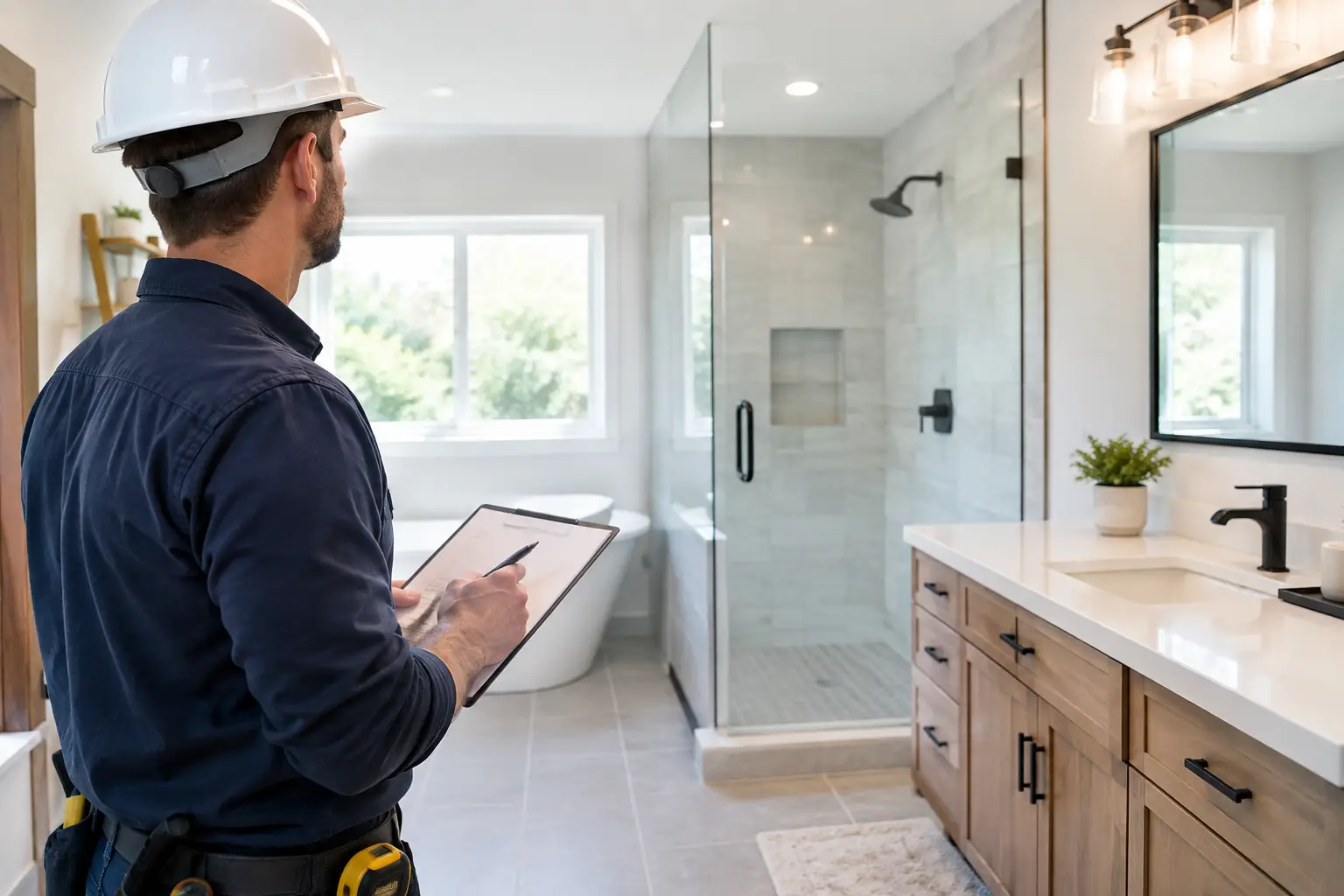
Free inspections can be particularly helpful when you are uncertain whether you are dealing with surface damage or a deeper problem. Water stains, cracking, uneven floors, musty odors, and exterior deterioration can each have several possible causes. An informed evaluation gives you a stronger starting point than guessing based on appearance alone.
Start With Your Priorities, Not a Perfect Plan
You do not need to arrive at a consultation with every finish selected or every construction term memorized. You do need a clear sense of what is not working and what success would look like. Is your goal more storage, better flow, safer structural conditions, room for aging parents, rental potential, or a backyard built for weekends with friends and family?
Bring inspiration if you have it, but also be ready to discuss the practical details: your budget range, timeline, how long you expect to stay in the home, and any non-negotiables. The more openly you share, the more accurately a construction team can recommend a solution that fits your priorities.
A well-chosen contractor should leave you feeling informed rather than overwhelmed. Your home is a meaningful investment and the setting for everyday life. Start with a conversation, ask direct questions, and choose the team that treats your vision with the care, accountability, and craftsmanship it deserves.