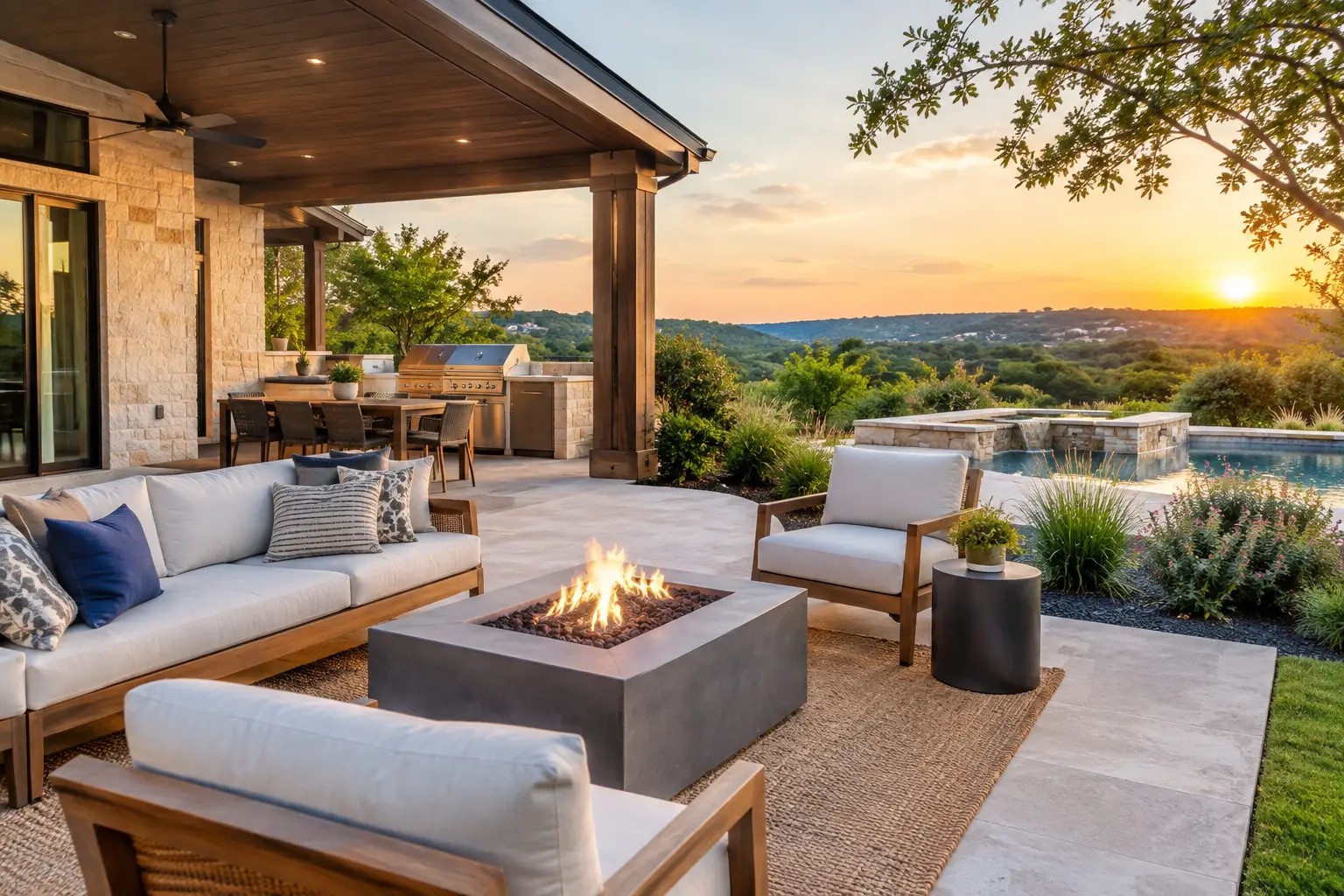
A Central Texas backyard can look beautiful in a listing photo and still fail the people who live with it every day. The patio is too small for guests, afternoon sun makes it unusable, drainage sends water toward the foundation, or the grill sits disconnected from the action. A thoughtful outdoor renovation changes that equation by turning underused square footage into a practical extension of your home.
For homeowners in Austin, Liberty Hill, Leander, Cedar Park, Lakeway, Georgetown, and nearby communities, the best outdoor upgrades are designed around more than appearance. They account for intense heat, sudden storms, expansive soils, entertaining habits, family routines, and the long-term value of the property. The goal is not simply to add features. It is to create a space that feels natural to use, durable enough to last, and personal to the way you live.
Start With How You Want to Use the Space
The strongest projects begin with a clear answer to one question: what should this outdoor area make easier? A family that hosts weekend cookouts has different priorities than a remote professional who wants a quiet outdoor gym or a couple planning a low-maintenance retreat.
Think through the moments that happen around the space. You may need room for a large dining table, a shaded place for children to play, a cooking zone where the chef can still talk with guests, or a covered patio that lets you enjoy a Texas thunderstorm without rushing indoors. When a project is planned around these real habits, each design choice has a purpose.
It also helps to identify what is not working now. Narrow walkways, worn concrete, poor lighting, limited storage, standing water, and a lack of privacy are not small annoyances. They are useful design clues. Addressing them early prevents a new patio or pergola from becoming a beautiful addition with the same old frustrations around it.
Build an Outdoor Renovation in the Right Order
Outdoor projects often involve more interconnected work than homeowners expect. A kitchen, patio cover, drainage improvement, hardscape installation, and landscape refresh may appear separate, but they affect one another. Planning them in the proper sequence protects the finished result and reduces costly rework.
Assess the Site Before Selecting Features
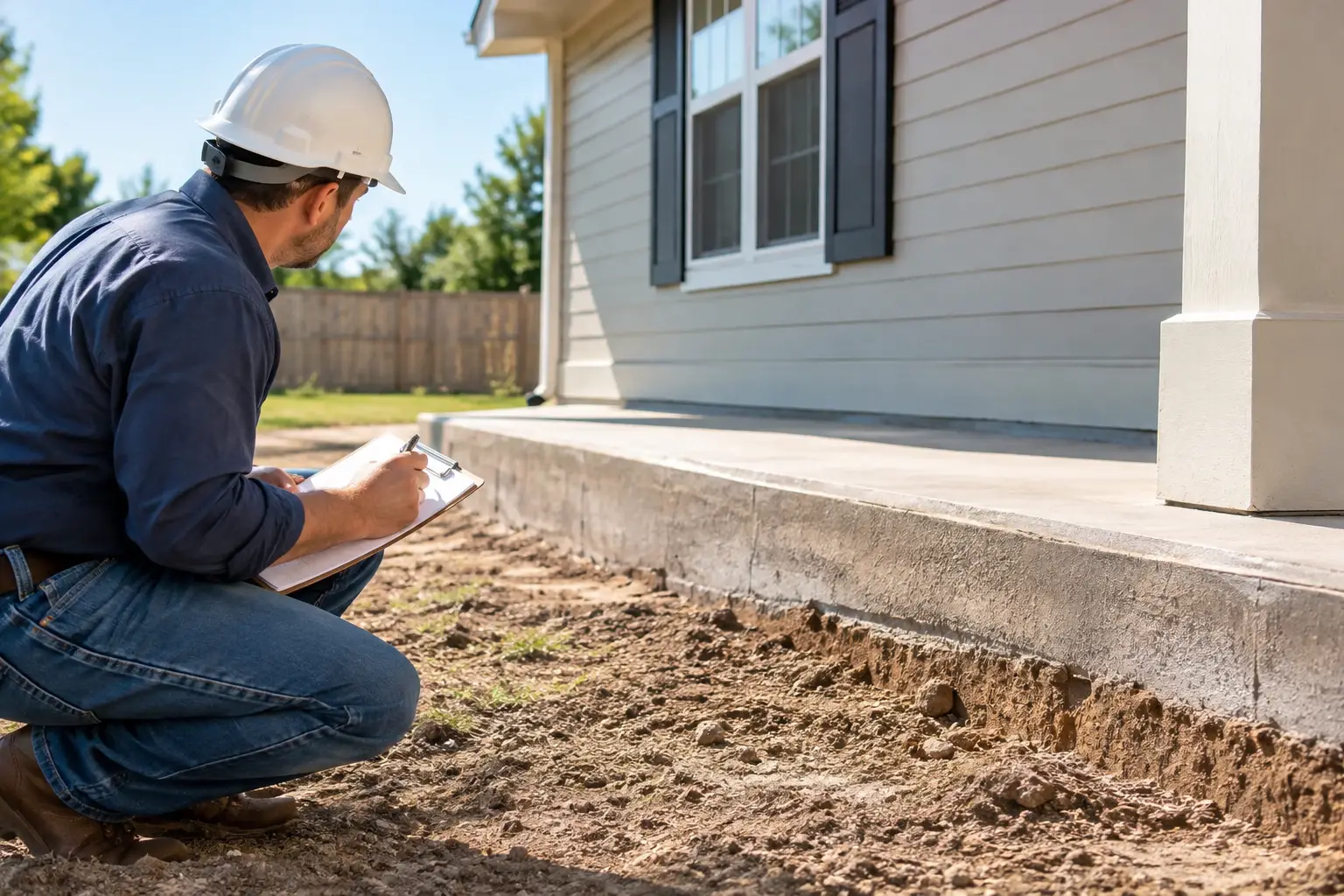
Before choosing countertop colors or furniture layouts, assess the property itself. Grade, drainage paths, existing concrete, tree roots, utility locations, access points, and the condition of nearby structures all matter. In Central Texas, foundation protection deserves special attention. Water should move away from the home in a controlled way rather than collecting near the slab or running across a finished patio.
This is also the right time to consider sun exposure. A patio that feels pleasant at 9 a.m. may be nearly unbearable at 4 p.m. during August. Mapping shade patterns helps determine whether a pergola, solid roof cover, privacy screen, ceiling fan, or a combination of these solutions will provide the comfort you expect.
Design the Layout Around Movement
A well-designed outdoor room has natural circulation. Guests should be able to move from the house to the seating area, cooking station, pool, yard, or restroom without cutting through the person at the grill. Doors, walkways, and activity zones should work together rather than compete for the same narrow space.
For an outdoor kitchen, place the grill, prep surface, refrigeration, and storage within a practical working area while keeping heat and smoke away from main seating. For patios, allow enough clearance around tables and lounge furniture so the space does not feel crowded once it is in use. Larger is not always better, but undersizing a patio is one of the most common regrets after construction is complete.
Handle Infrastructure Before the Finish Work
Electrical, gas, plumbing, irrigation adjustments, drainage, and structural footings should be resolved before the visible finishes go in. Adding outlets for a television, refrigerator, landscape lighting, speakers, or heaters after a patio is poured can mean cutting into completed work.
The same principle applies to lighting. A single bright fixture may illuminate a yard, but layered lighting makes an outdoor area safer and more inviting. Task lighting supports cooking, pathway lighting improves movement after dark, and low ambient lighting creates a comfortable setting for conversation.
Choose Materials That Can Handle Texas Conditions
Central Texas weather tests every exterior surface. Long periods of sun, temperature swings, heavy rain, and occasional freezes can quickly expose shortcuts in material selection or installation. The best option depends on the budget, design direction, and maintenance expectations, but durability should be part of every decision.
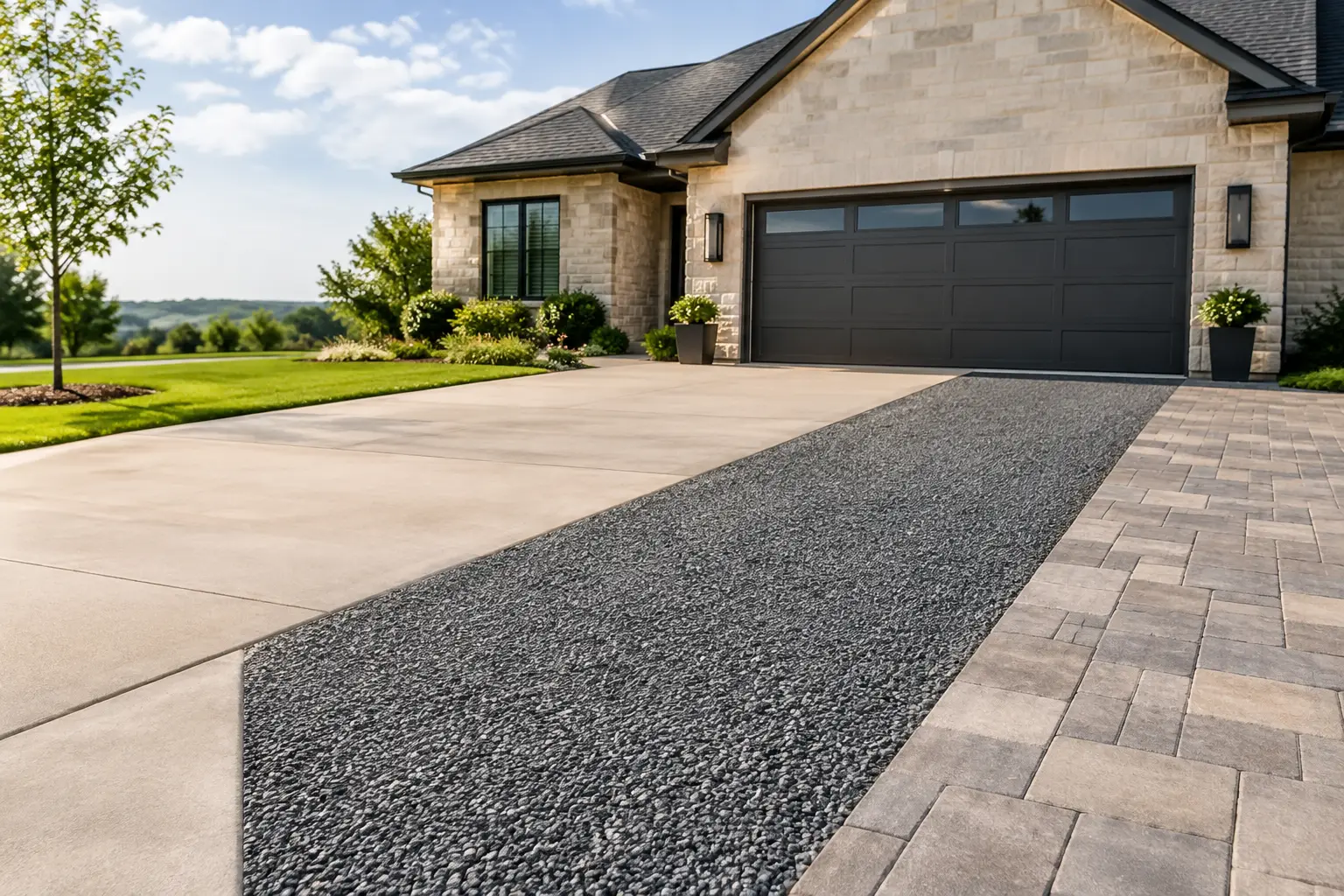
Concrete remains a popular choice for patios and walkways because it is versatile, strong, and adaptable to modern or traditional homes. Decorative finishes, stain, texture, and carefully designed control joints can give it a more custom appearance. Pavers offer visual character and can be easier to repair in isolated areas, though they require a properly prepared base to stay level over time.
For outdoor kitchens, choose cabinetry, hardware, countertops, and appliances rated for exterior use. Natural stone can deliver a high-end look, but some varieties need more maintenance than porcelain or engineered options. Stainless steel can perform well outdoors, yet quality and placement matter because exposure to moisture and heat affects every material differently.
Wood pergolas bring warmth and architectural presence, while metal systems may offer a cleaner look and lower maintenance. Neither is automatically the right answer. The choice should reflect the home’s style, desired shade level, maintenance tolerance, and the structural demands of the site.
Prioritize Shade, Drainage, and Comfort
A backyard can have premium finishes and still go unused if it is too hot, too wet, or too exposed. Comfort is where a smart project earns its value.
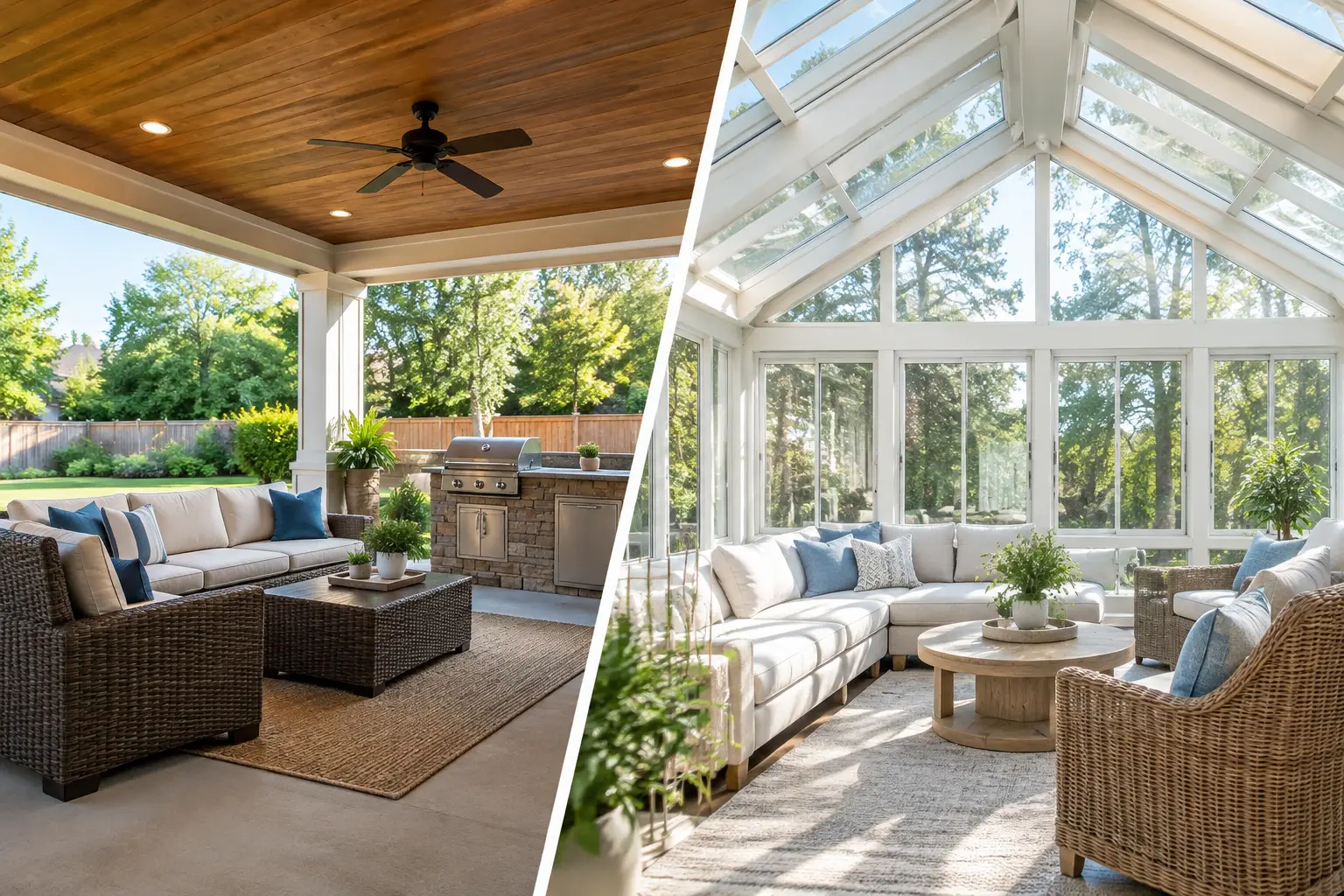
Covered patios provide dependable shelter from sun and rain and can feel like a true room addition when paired with finished ceilings, fans, lighting, and integrated seating. Pergolas create a more open feel and can be effective where filtered shade is enough. Some homeowners prefer a hybrid design, with a covered portion for dining and an open section for a fire feature, lounge area, or garden.
Drainage should be treated as a functional investment, not an afterthought. Proper slope, channel drains, downspout extensions, catch basins, and grading improvements may not be the most visible parts of the project, but they protect patios, landscaping, and foundations. The right solution depends on the property’s elevation, soil, roof runoff, and neighboring lots.
Privacy is another comfort factor, especially in fast-growing neighborhoods where homes are built close together. A carefully placed screen wall, landscape buffer, fence enhancement, or pergola detail can create separation without making the yard feel closed in.
Add Features That Support Your Lifestyle
Outdoor living should be tailored, not copied from a showroom. An outdoor kitchen may be the right centerpiece for one household, while another gets more value from a covered workout area, a quiet reading patio, or a flexible space for kids and pets.
Popular features can include built-in grills, beverage stations, pizza ovens, fireplaces, fire pits, mounted televisions, outdoor gyms, and storage for pool or garden equipment. The key is to avoid adding features just because they are popular. A fire pit needs safe clearance and comfortable seating. A pizza oven requires thoughtful placement, ventilation considerations, and an owner who will genuinely use it. A large outdoor kitchen is most valuable when it improves how you host, cook, and connect with people.
For homeowners considering resale, broad appeal matters. Durable hardscape, attractive shade structures, quality lighting, and a functional patio generally serve more buyers than highly specialized features. That said, your home should first support your life. Value is not limited to a future sale price. It also includes the everyday enjoyment you gain from the property.
Plan for Permits, Budget, and Professional Coordination
The cost of an exterior project varies widely based on site conditions, structural requirements, utility work, materials, and scope. A simple patio expansion is different from a fully covered outdoor kitchen with gas, plumbing, electrical, custom masonry, and drainage improvements. A realistic budget should include the work behind the finishes, not only the features you can see in a design image.
Permitting requirements can also vary by municipality, neighborhood, and project type. Structural patio covers, electrical work, gas lines, plumbing, and certain site modifications may require permits or inspections. If your property is governed by an HOA, architectural approvals may also be necessary. Early coordination keeps the schedule moving and helps ensure the finished work is built responsibly.
This is where an experienced construction partner can make a major difference. NXT Construction Inc. approaches outdoor living as a complete property improvement, coordinating planning, construction details, craftsmanship, and the practical needs that make the space perform over time.
Make the First Decision a Useful One
You do not need to have every finish, appliance, and furniture piece selected before starting the conversation. Begin by identifying the frustrations in your current yard, the activities you want to support, and the level of investment that makes sense for your home. Bring photos of styles you like, but leave room for the design to respond to your actual property.
The best outdoor spaces do more than impress visitors. They make an ordinary Tuesday evening more enjoyable, give family and friends a place to gather, and help your home feel more complete. Start with the way you want to live outside, then build the space that makes that possible.