
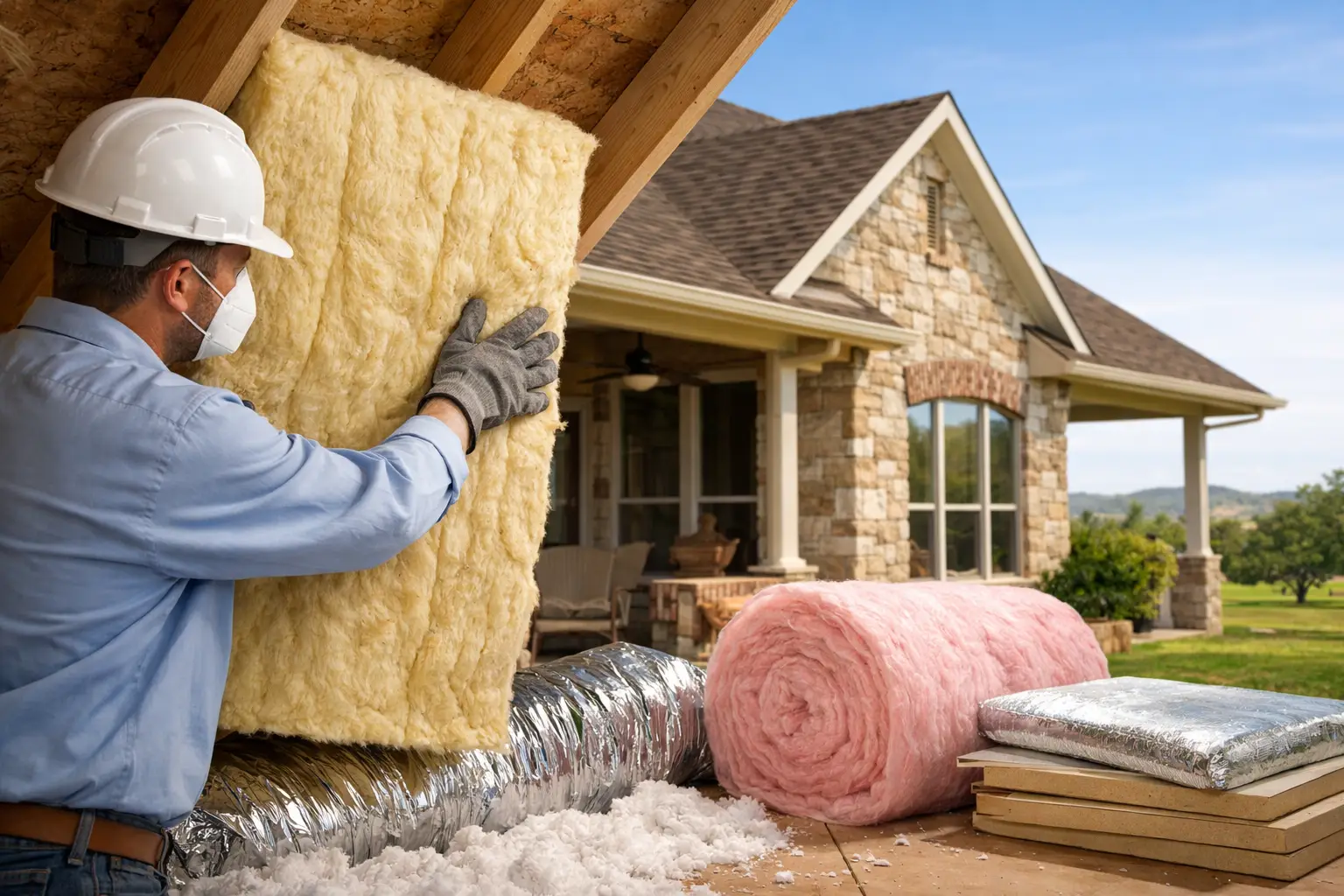
A Central Texas summer can expose every weak point in a home. If your upstairs rooms stay hot long after sunset, your air conditioner runs without relief, or certain rooms never seem to match the thermostat, the issue may be more than an aging HVAC system. Learning how to improve home insulation starts with understanding where heat enters, where conditioned air escapes, and which upgrades will make a meaningful difference for your particular property.
Insulation is not simply a layer hidden behind drywall or above the ceiling. It is part of a larger system that includes air sealing, ventilation, roofing, windows, ductwork, and the way your home was built. The right approach can improve comfort, reduce unnecessary energy use, protect building materials from moisture concerns, and make your home more enjoyable in every season.
Start With a Whole-Home Assessment
The highest-value insulation project is not always the one with the most material. A home can have plenty of attic insulation and still feel inefficient if outside air is entering through recessed lights, plumbing penetrations, attic hatches, wall gaps, or poorly sealed duct connections.
A professional assessment helps identify the source of the problem before construction begins. In Central Texas, this often means looking closely at attic conditions, garage-to-home walls, cantilevered floors, exterior wall cavities, and HVAC equipment located in unconditioned spaces. Homes in Austin, Cedar Park, Leander, Georgetown, Lakeway, and Liberty Hill can vary widely by age and construction style, so a one-size-fits-all recommendation rarely delivers the best result.
During an inspection, pay attention to practical signs of heat gain or air loss: uneven temperatures between rooms, warm ceilings, dusty air around vents, high cooling bills, condensation, pest pathways, and insulation that appears compressed, damp, or disturbed. These clues can reveal whether your home needs air sealing, added insulation, duct improvements, or a combination of upgrades.
How to Improve Home Insulation by Sealing Air Leaks First
Insulation slows heat transfer, but it cannot stop air from moving through open gaps. That is why air sealing should come before adding more insulation in many homes. Without it, conditioned air can leak into the attic while hot attic air, dust, and humidity find their way inside.
Common leakage points include openings around electrical wiring, plumbing stacks, ceiling fixtures, exhaust fans, attic access doors, and top plates where interior walls meet the attic. Gaps around ducts and fireplace framing also deserve close attention. Sealing these areas carefully creates a more controlled building envelope and allows the insulation to perform as intended.
This work requires judgment. Some openings should be sealed with appropriate foam or caulk, while others need fire-rated materials or clearances around heat-producing fixtures. Bathroom and kitchen exhaust fans must still vent properly to the exterior. A qualified contractor can address the leaks without creating safety issues or trapping unwanted moisture where it does not belong.
Prioritize the Attic for the Biggest Comfort Gain
For many Central Texas homeowners, the attic is the most productive place to invest. Roof temperatures can climb dramatically under direct sun, and that heat transfers into the living space below when the ceiling plane is under-insulated or poorly sealed.
Traditional blown-in insulation can be an effective choice when the attic is accessible and the main goal is to increase coverage over a properly air-sealed ceiling. It is often practical for bringing existing insulation levels up when older material has settled or was never installed deeply enough. The material must be installed evenly, without blocking soffit ventilation or burying critical access points.
Spray foam insulation can be a strong option when the goal is to create a conditioned attic or seal difficult areas around roof decking, framing, and penetrations. By reducing air movement at the roofline, it can help protect ducts and HVAC equipment located in the attic from extreme temperatures. This approach may be especially valuable in homes with complex rooflines or major comfort issues upstairs.
The trade-off is cost and design. Spray foam is typically a larger upfront investment than blown-in insulation, and the attic’s ventilation strategy changes when foam is applied at the roof deck. The assembly needs to be planned correctly for the home, its roof condition, and its mechanical systems. Quality installation matters as much as material selection.
Do Not Ignore Attic Access and Ductwork
A poorly insulated attic hatch can undermine an otherwise strong attic upgrade. The hatch should be weather-stripped, insulated, and sealed so it does not become a direct pathway for heat and air loss. Pull-down stair assemblies often need an insulated cover as well.
Ductwork deserves equal attention. Leaky or poorly insulated ducts in a hot attic force your HVAC system to work harder before conditioned air ever reaches the rooms you use. Sealing duct connections and improving duct insulation can improve comfort while reducing strain on the equipment. If ducts are crushed, disconnected, or poorly routed, insulation alone will not solve the issue.
Address Walls, Floors, and Garage Boundaries
Attics get most of the attention, but other parts of the home can create persistent hot or cold spots. Exterior walls in older homes may have little insulation, incomplete insulation, or gaps that developed during renovations. Adding insulation to wall cavities can be worthwhile, but it is more involved than an attic project and depends on access, siding type, drywall condition, and the presence of existing materials.
Dense-pack insulation may be considered for enclosed wall cavities, while open walls during a remodel offer an ideal opportunity to upgrade insulation, add air sealing, and improve details around windows and doors. If you are remodeling a kitchen, bathroom, addition, or garage conversion, addressing the building envelope while walls are open is often more cost-effective than returning later.
Rooms above garages commonly feel warmer in summer and cooler in winter because the garage ceiling and connecting walls are under-insulated. Likewise, floors over crawl spaces or exposed areas may need attention. Proper insulation in these locations should be paired with moisture management and secure installation so material does not sag, absorb moisture, or become a habitat for pests.
Choose Insulation Materials for the Assembly, Not the Sales Pitch
There is no universal best insulation. The right material depends on where it will be installed and what the space needs to do. Fiberglass batts can be economical and effective when installed without compression or gaps. Blown-in fiberglass or cellulose can provide consistent attic coverage. Spray foam offers air-sealing benefits and can fit irregular spaces, but it requires experienced application and thoughtful planning.
R-value matters because it measures resistance to heat flow, but it is not the only performance factor. An insulation product with a higher R-value can still underperform when air leaks, moisture, poor installation, or thermal bridging are left unaddressed. Thermal bridging occurs when heat travels through framing members and other conductive materials around the insulation. In major renovations or new construction, continuous exterior insulation may help reduce this effect.
For Central Texas properties, the goal is usually to control intense heat gain without overlooking winter comfort, humidity, and ventilation. A durable solution considers all four rather than chasing a single number on a product label.
Protect Ventilation and Moisture Control
A tighter home is usually more efficient, but it must still manage fresh air and moisture appropriately. Attic ventilation, roof design, bath fan discharge, and HVAC performance all work together. Blocking soffit vents with insulation or venting humid air into the attic can lead to avoidable problems, including damp materials and reduced insulation performance.
Before insulation is added, any roof leaks, plumbing leaks, or water-damaged framing should be repaired. Wet insulation does not perform as designed, and covering a moisture problem can make repairs more difficult later. This is especially important after storm damage or when a home has had previous water intrusion.
Plan Insulation Upgrades Around Your Larger Home Goals
Insulation work is an investment in comfort, but it also supports bigger plans. If you are building an ADU, converting a garage into a home office, adding a second-story space, or renovating a dated home, envelope improvements should be part of the design conversation from the beginning. They can help create rooms that look finished and feel comfortable enough to use every day.
At NXT Construction Inc., insulation recommendations are evaluated in the context of the full property – from attic conditions and HVAC access to remodeling plans, budget, durability, and the way your family uses each space. That partnership approach helps avoid spending money on an isolated fix when a coordinated upgrade would provide better long-term value.
A cooler bedroom, quieter home office, and more manageable utility bill are not small details. They are signs that your home is working harder for the life you want to live in it. Start with a careful inspection, make improvements in the right order, and choose craftsmanship that will keep performing long after the work is complete.


One Response