A custom home can look complete on paper long before the real decisions begin. The cabinet finish that felt perfect under showroom lighting, the flooring that looked great in a sample, and the oversized windows that promised a brighter living room all need to work together in the heat, sun, dust, and day-to-day pace of Central Texas life. This guide to custom home selections is designed to help you make those decisions with confidence, not pressure.
Your selections shape more than the finished appearance of your home. They affect maintenance, energy use, resale appeal, construction timing, and how comfortably your family uses each room. The goal is not to choose the most expensive option in every category. It is to choose materials, fixtures, and finishes that support the way you want to live.
Start Custom Home Selections With Your Real Life
Before reviewing tile, paint, or countertops, define how your household will use the home. A family with young children, pets, and frequent guests needs different finishes than a couple building a quiet retreat or a remote professional creating a home office. Beautiful selections should still perform when the kitchen is busy, the entryway is muddy, and the patio is hosting friends on a warm Texas evening.
Think room by room. In the kitchen, ask whether you need generous prep space, hidden appliance storage, durable seating, or a layout that keeps everyone connected. In a primary bathroom, comfort may mean a curbless shower, better lighting, and materials that are easy to clean. In living areas, it may mean flooring that can take daily wear without making every scratch feel like a crisis.
This is also the right moment to consider the future. If you expect aging parents to visit, adult children to return home, or a growing family to need more flexible space, build that flexibility into the selections. Wider doorways, first-floor bedrooms, practical storage, and resilient finishes can add value without making the home feel institutional.
Set a Budget That Protects the Priorities
Selections can quietly change a construction budget because small upgrades add up across an entire home. A premium faucet may be a manageable choice. Upgrading every faucet, light fixture, cabinet pull, tile field, and flooring surface at once can create a much different number.
A clear allowance schedule helps keep decisions grounded. It identifies the budget assigned to categories such as cabinetry, counters, flooring, plumbing fixtures, lighting, appliances, and tile. When a chosen item exceeds its allowance, you can decide whether the upgrade is worth it, whether another category can be adjusted, or whether a comparable option better serves the project.
The most effective approach is to spend strategically. Put meaningful investment into items that are difficult or expensive to replace later, including windows, insulation, structural details, cabinetry, plumbing rough-ins, and primary flooring. Decorative elements such as mirrors, pendant lights, and some hardware can often be updated over time.
That does not mean every permanent item must be top-of-the-line. It means evaluating value honestly. A solid, well-built cabinet with a timeless door profile may serve your home better than an elaborate finish that stretches the budget and feels dated in a few years.
Keep a Contingency for Changes
Even a carefully planned project can reveal a better idea, a product delay, or an unforeseen site condition. Reserve a contingency rather than using every available dollar on finish upgrades. This gives you room to make sound decisions if the project calls for an adjustment.
Choose Materials for Central Texas Conditions
Central Texas homes work hard. Long periods of intense sun, high temperatures, sudden rain, occasional freezes, and active outdoor living all influence what makes sense. Material selection should respect those conditions.
For flooring, porcelain tile and quality engineered hardwood are popular for good reason. Porcelain stands up well to moisture, pets, and heavy traffic, while engineered hardwood can bring warmth and character with greater stability than many solid wood products. The right answer depends on the room, the subfloor, your maintenance preferences, and the look you want to achieve.
Natural stone can be striking, but it often requires sealing and ongoing care. Quartz counters offer consistency and low maintenance, while certain natural stones bring movement and one-of-a-kind character that many homeowners value. Neither is automatically better. Consider how you cook, how often you entertain, and whether you are comfortable treating a countertop as a surface that will develop patina over time.
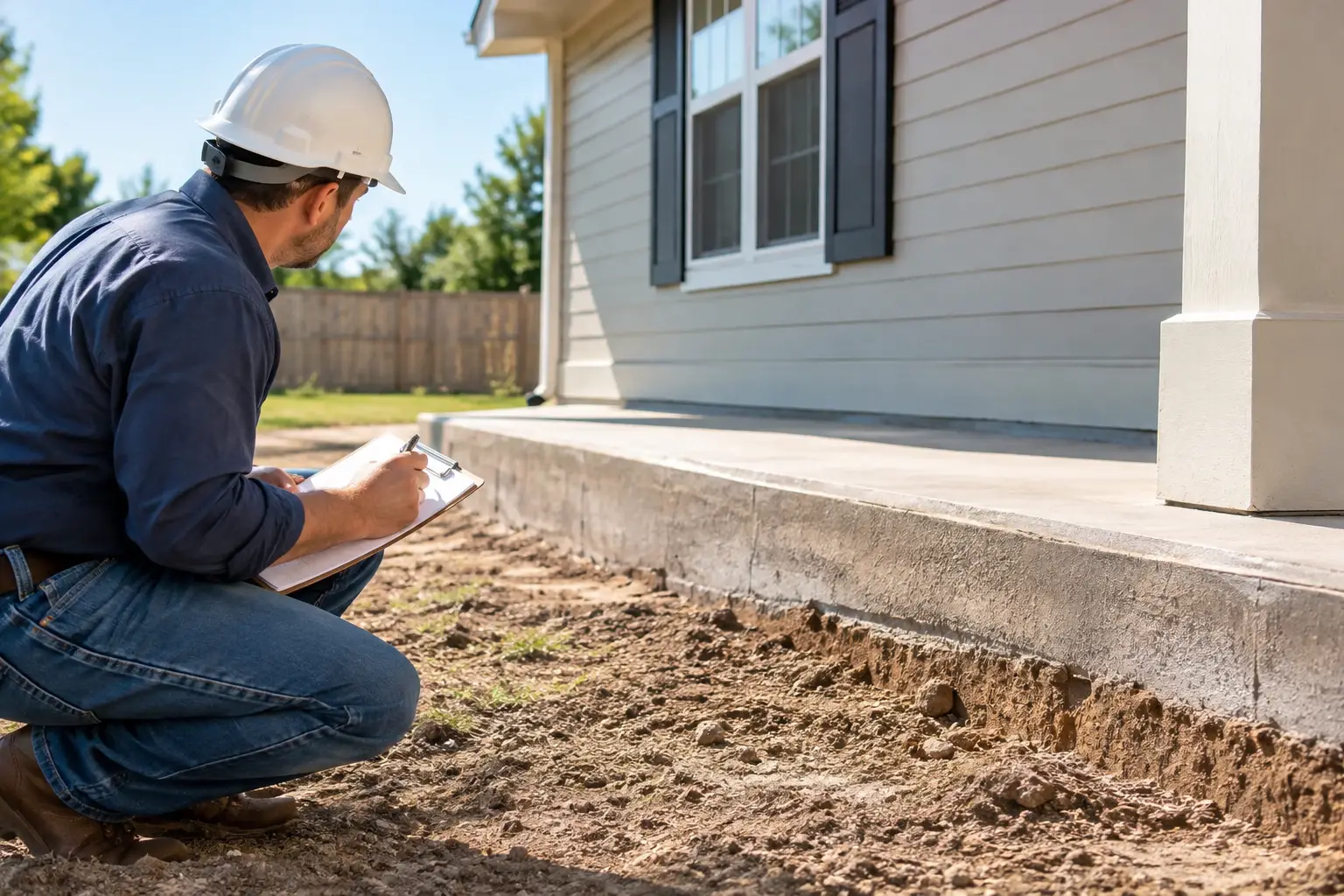
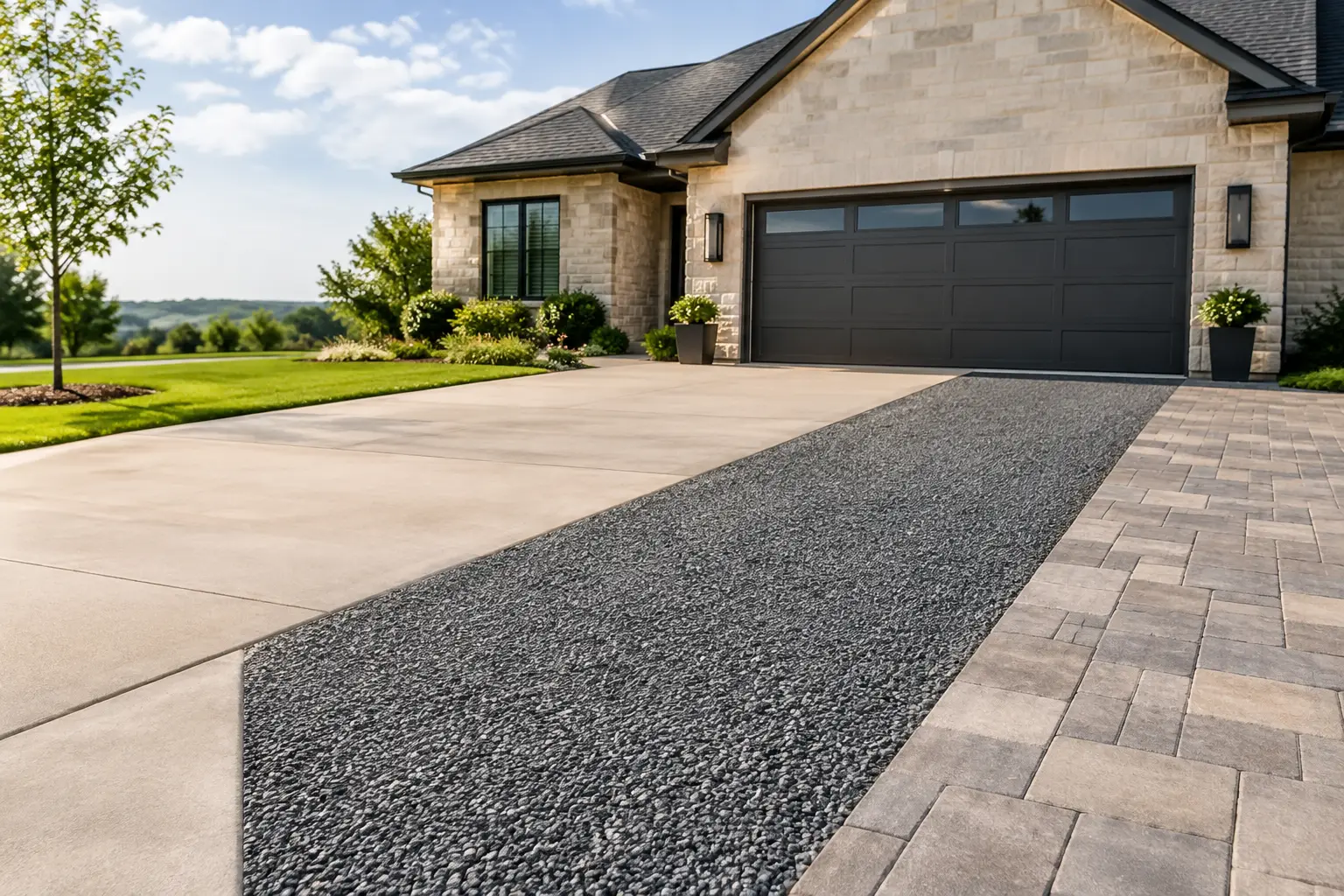
Outside, UV resistance and moisture management matter. Exterior paint systems, roofing, windows, decking, pergola finishes, and outdoor kitchen materials should be selected for long-term exposure, not only for their appearance on installation day. A contractor can help you compare products based on performance, warranty considerations, and maintenance needs.
Build a Cohesive Look Without Making Every Room Match
A custom home should feel connected from room to room, but it should not feel repetitive. Start with a simple design direction: warm contemporary, Hill Country modern, traditional, transitional, or another style that genuinely fits your taste and the architecture of the home.
Then select a foundation of finishes that repeat in a thoughtful way. This may include a consistent metal finish, a family of wood tones, common flooring in shared areas, or a coordinated paint palette. Once that foundation is established, individual rooms can have personality through tile, wallpaper, lighting, cabinetry color, or distinctive fixtures.
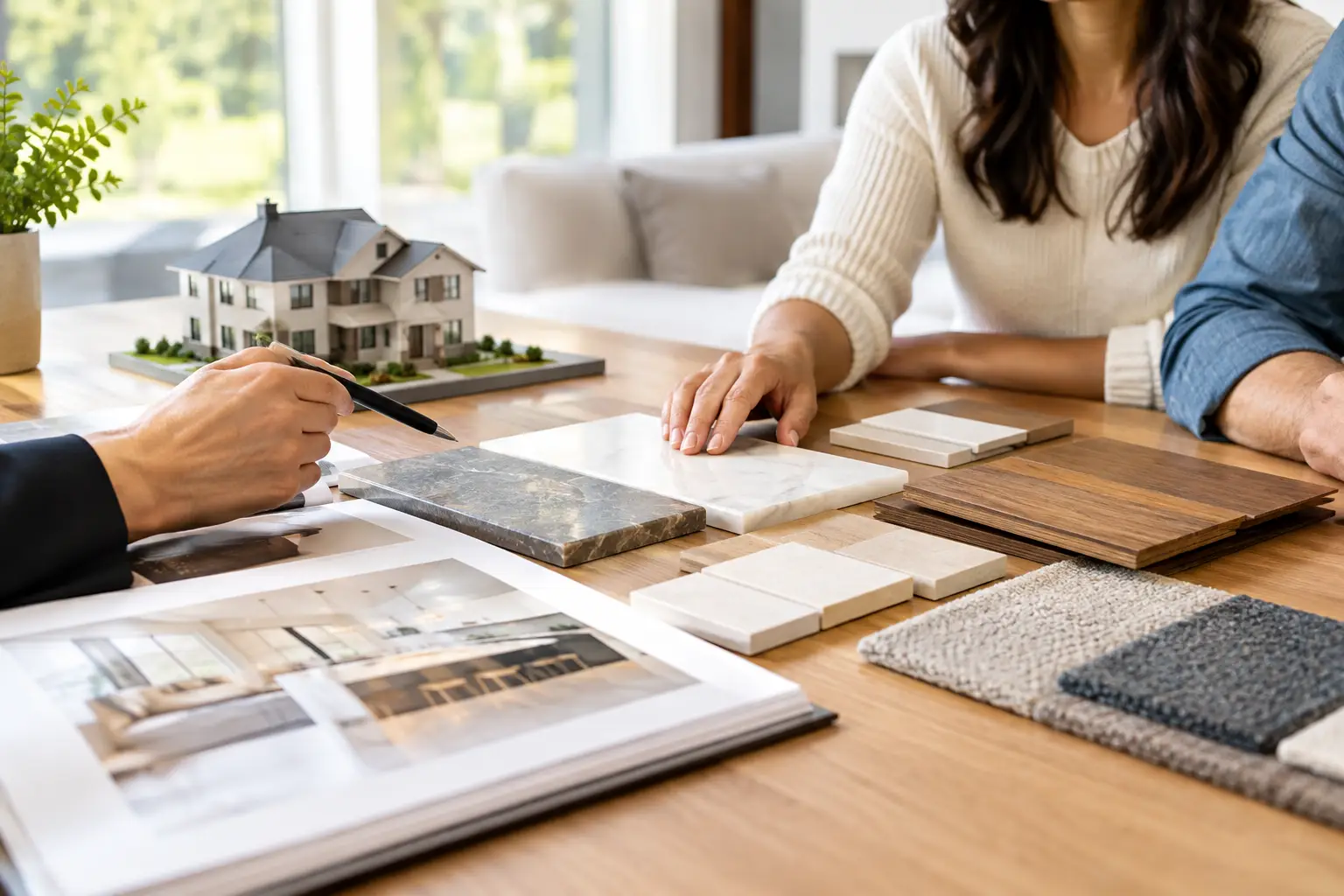
Samples are essential, but they must be viewed together. Lay cabinet doors, paint swatches, flooring, counters, and tile next to one another in the actual home whenever possible. Natural light can change undertones dramatically. A white paint that looks clean in a store may appear gray, yellow, or too bright in your living room at different times of day.
Avoid choosing every finish in isolation. A beautiful tile can clash with the counter next to it, and a dramatic fixture can compete with a ceiling treatment or cabinet profile. The strongest selections support one another without demanding equal attention.
Make Lighting and Electrical Decisions Early
Lighting is often treated as a finishing touch, but it is a functional part of the home plan. Early electrical decisions affect walls, ceilings, cabinetry, and construction sequencing. Think beyond a central ceiling fixture.
Layered lighting creates a better experience. Ambient lighting provides general illumination, task lighting supports cooking, reading, grooming, and working, and accent lighting adds depth to architectural features or artwork. Under-cabinet lighting, well-placed recessed fixtures, dimmers, and exterior lighting can improve the daily use of the home more than many decorative upgrades.
Plan outlet locations around your routines. Consider charging areas, kitchen appliances, holiday lighting, bidet outlets, televisions, home-office equipment, garage tools, security cameras, and outdoor entertaining. It is much easier to include the right infrastructure during construction than to open finished walls later.
Do Not Forget Storage
Storage is one of the most valuable custom home selections because it protects the visual calm of the spaces you invest in. Pantry organization, mudroom cabinets, linen storage, garage systems, built-ins, and dedicated utility areas reduce clutter and make a home feel more functional from the first day.
Confirm Lead Times Before You Fall in Love
A selection is not truly available just because it appears on a showroom floor or website. Custom cabinetry, specialty tile, windows, appliances, and certain lighting fixtures may have significant lead times. Some products can also be discontinued, damaged in transit, or delayed by manufacturing changes.
Finalize long-lead selections early and keep approved alternatives for items that could affect the schedule. This does not require settling for less. It means protecting your project from avoidable delays while maintaining the quality and character you want.
A hands-on construction partner can coordinate selections with the build schedule, verify specifications, and flag conflicts before they become expensive changes. At NXT Construction Inc., that planning is part of turning a design vision into a durable, functional home rather than a collection of disconnected purchases.
The best final choices are the ones you will still appreciate on an ordinary Tuesday: the flooring that handles a busy morning, the lighting that makes dinner easier to prepare, the shower that feels restorative, and the outdoor space that brings people together. Give those moments the same attention you give the showpiece details, and your custom home will feel like it was built for your life from the start.