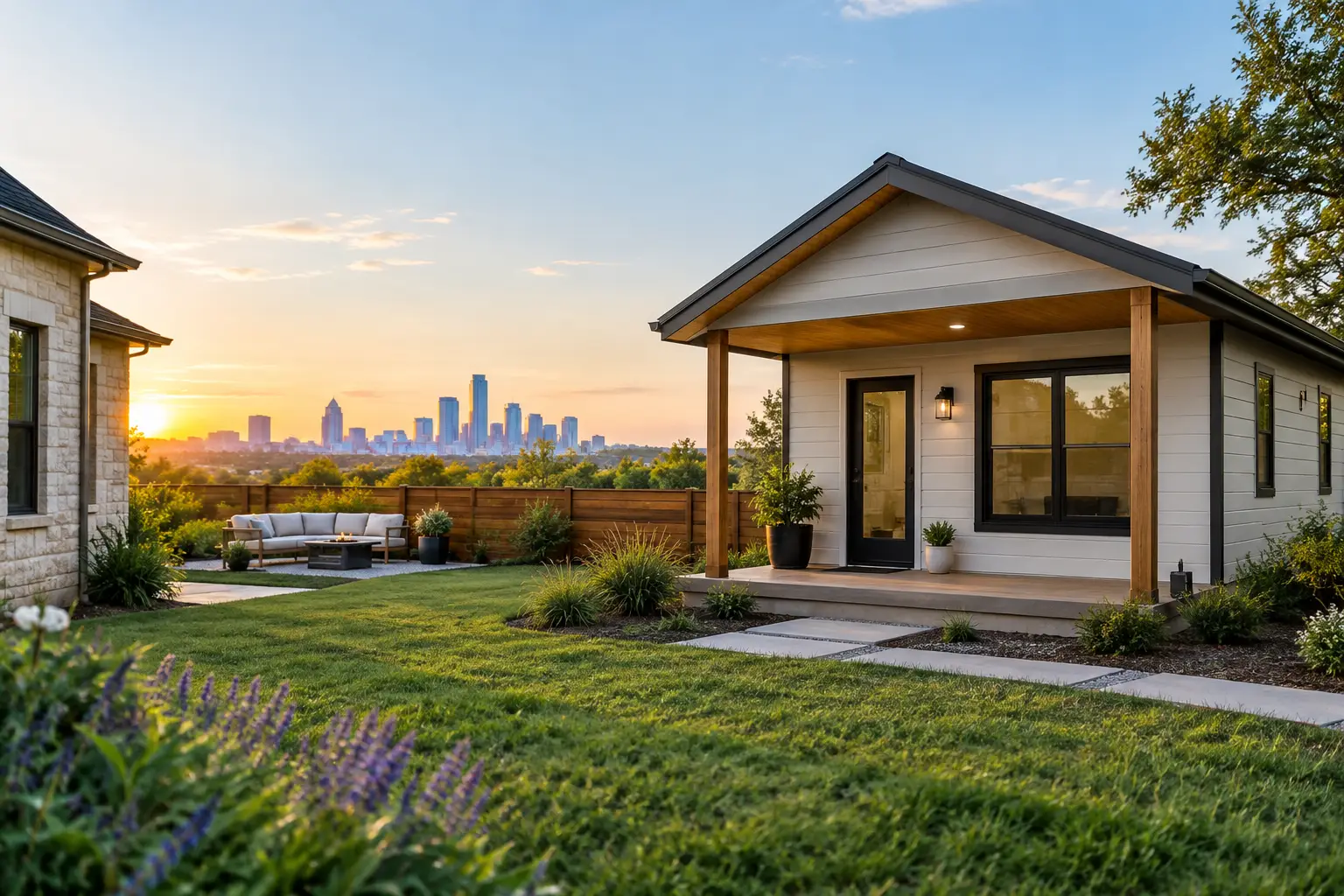
A backyard cottage can change far more than the view from your kitchen window. For Central Texas homeowners, ADU property value often comes from creating a flexible space that solves a real need: a private suite for family, a dedicated office, a long-term rental, or a comfortable place for guests. When the design, permitting, and construction are handled well, an accessory dwelling unit can make a property more useful today and more attractive when it is time to sell.
That does not mean every ADU produces the same return. A beautifully built unit that fits the neighborhood, meets local requirements, and serves a clear purpose will generally carry more weight than a rushed addition with unclear access, limited privacy, or unfinished details. The goal is not simply to add square footage. It is to create a durable, functional living space that makes the entire property work harder.
What Drives ADU Property Value?
An ADU can add value in several ways, but appraisers and buyers do not look at every unit through the same lens. Location, lot size, local rules, construction quality, utility connections, and the home’s existing condition all affect the outcome. A detached unit in a high-demand Austin neighborhood may be viewed differently than one on a larger lot in Liberty Hill or Georgetown, where buyers may prioritize multigenerational living and privacy over rental income.
The strongest projects begin with the right use case. A family may need a first-floor living space for aging parents. A remote professional may want a quiet office and creative studio that is separate from the main house. An investor-minded homeowner may see long-term rental income as part of the plan. Each use can support value, provided the space is designed for real day-to-day living rather than treated as a basic storage conversion.
A permitted ADU with a kitchen, bathroom, climate control, proper insulation, independent access, and thoughtful finishes usually has a much stronger market story than an informal backyard structure. Buyers want to know the unit is safe, legal, comfortable, and ready to use. They also want confidence that it will not become a costly project after closing.
Usable space matters more than raw square footage
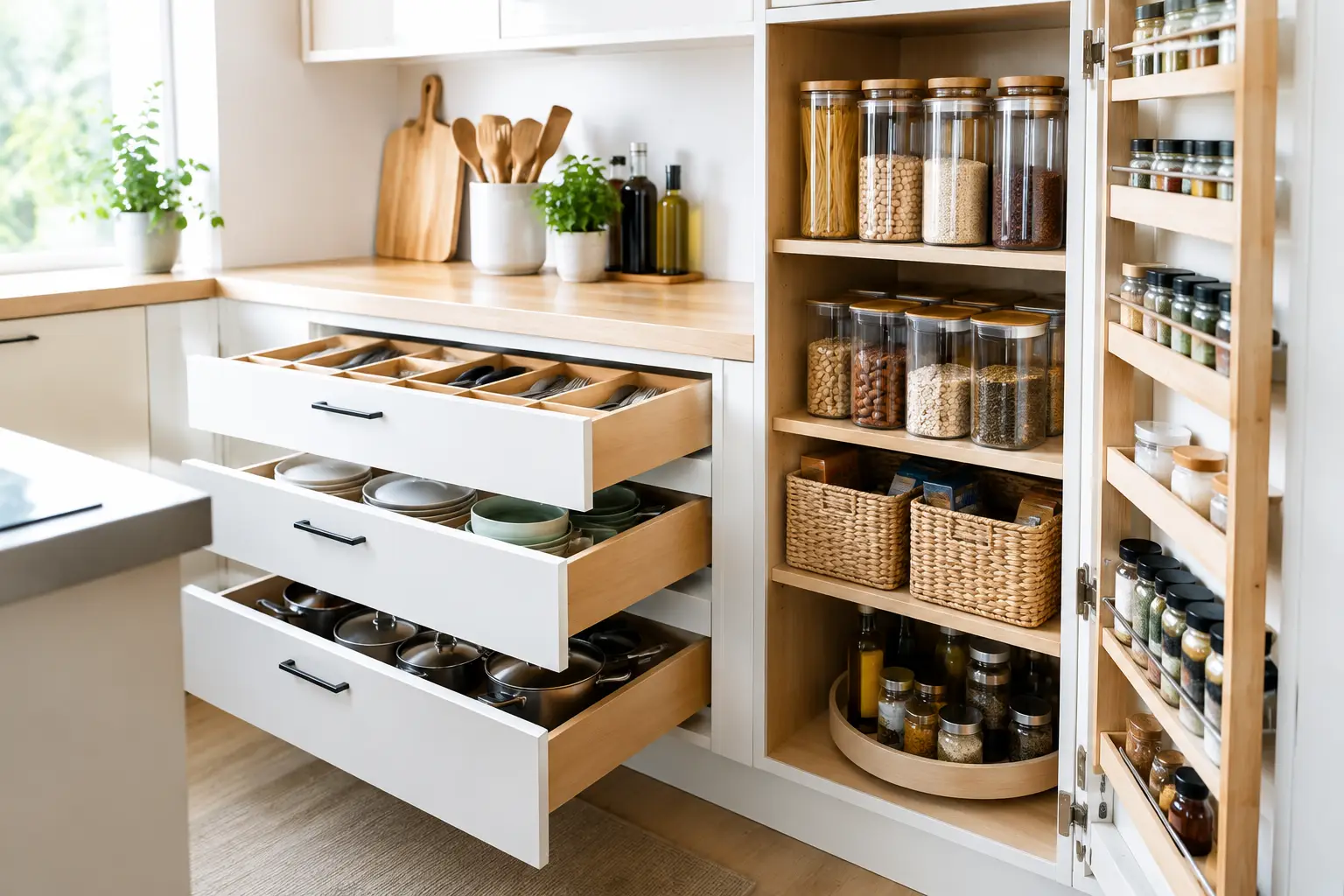
A compact 600-square-foot ADU can feel generous when the layout is intentional. High ceilings, smart storage, natural light, a functional kitchen, and a well-planned bathroom can make a smaller footprint feel complete. On the other hand, a larger unit with awkward circulation, limited windows, or poor separation from the main home may not deliver the same appeal.
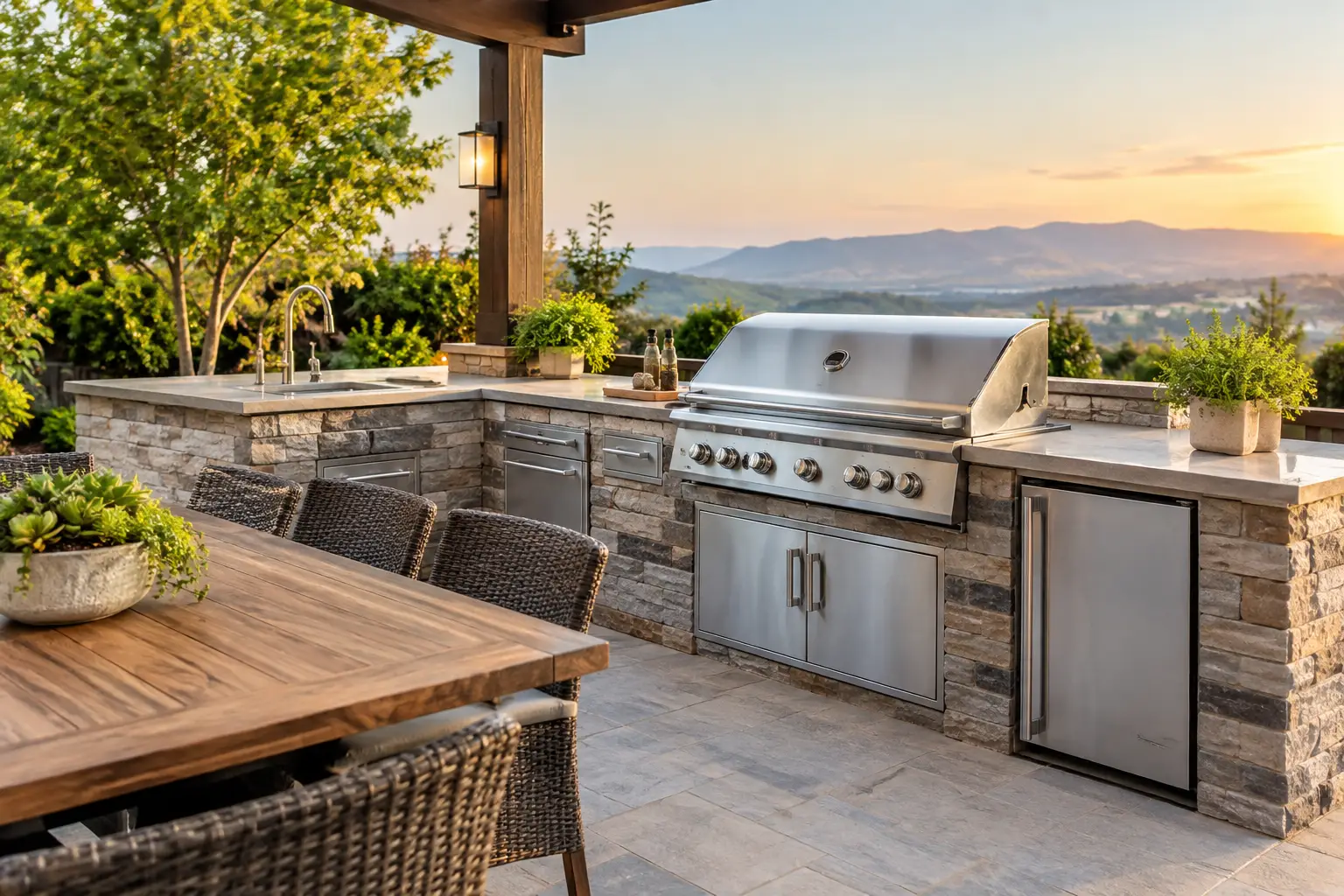
In Central Texas, outdoor connection matters as well. A private patio, shaded entry, landscaped path, or screened sitting area can help an ADU feel like its own home. These details support the lifestyle buyers expect while reinforcing the quality of the overall property.
Rental Potential Can Influence Buyer Interest
Rental income is often the first reason homeowners consider an ADU, especially in and around Austin, Cedar Park, Leander, and Lakeway. A legal, move-in-ready unit can appeal to buyers who want help offsetting housing costs or who may need rental flexibility later. That potential can broaden the buyer pool when the property reaches the market.
Still, rental income should not be treated as guaranteed resale value. Local ordinances, neighborhood restrictions, financing terms, and changing market conditions can affect how an ADU may be rented. Short-term rental rules may differ from long-term rental rules, and some communities have deed restrictions or homeowners association requirements that must be reviewed before construction begins.
For many owners, the most dependable value is flexibility. A space that can serve as a rental today, guest quarters next year, and a family suite later gives future buyers more options. Designing for more than one use can make the investment more resilient.
Permits and Compliance Protect the Investment
A permitted ADU is not just a paperwork detail. It is a foundation for protecting property value. Zoning requirements, setbacks, impervious-cover limits, height restrictions, parking considerations, utility service, and fire-safety requirements can all shape what is possible on a Central Texas lot.
Requirements vary by municipality and can change over time. Austin, Georgetown, Leander, Cedar Park, and surrounding communities may have different definitions, site standards, and approval processes. Before finalizing a floor plan or choosing finishes, homeowners should understand the practical limits of their property.
Skipping this work can create expensive problems. An unpermitted conversion may complicate a future sale, make insurance questions harder, limit financing options, or require corrective work before it can be recognized as legal living area. Thoughtful planning upfront helps avoid redesigns, delays, and surprises once construction is underway.
Quality construction supports long-term value
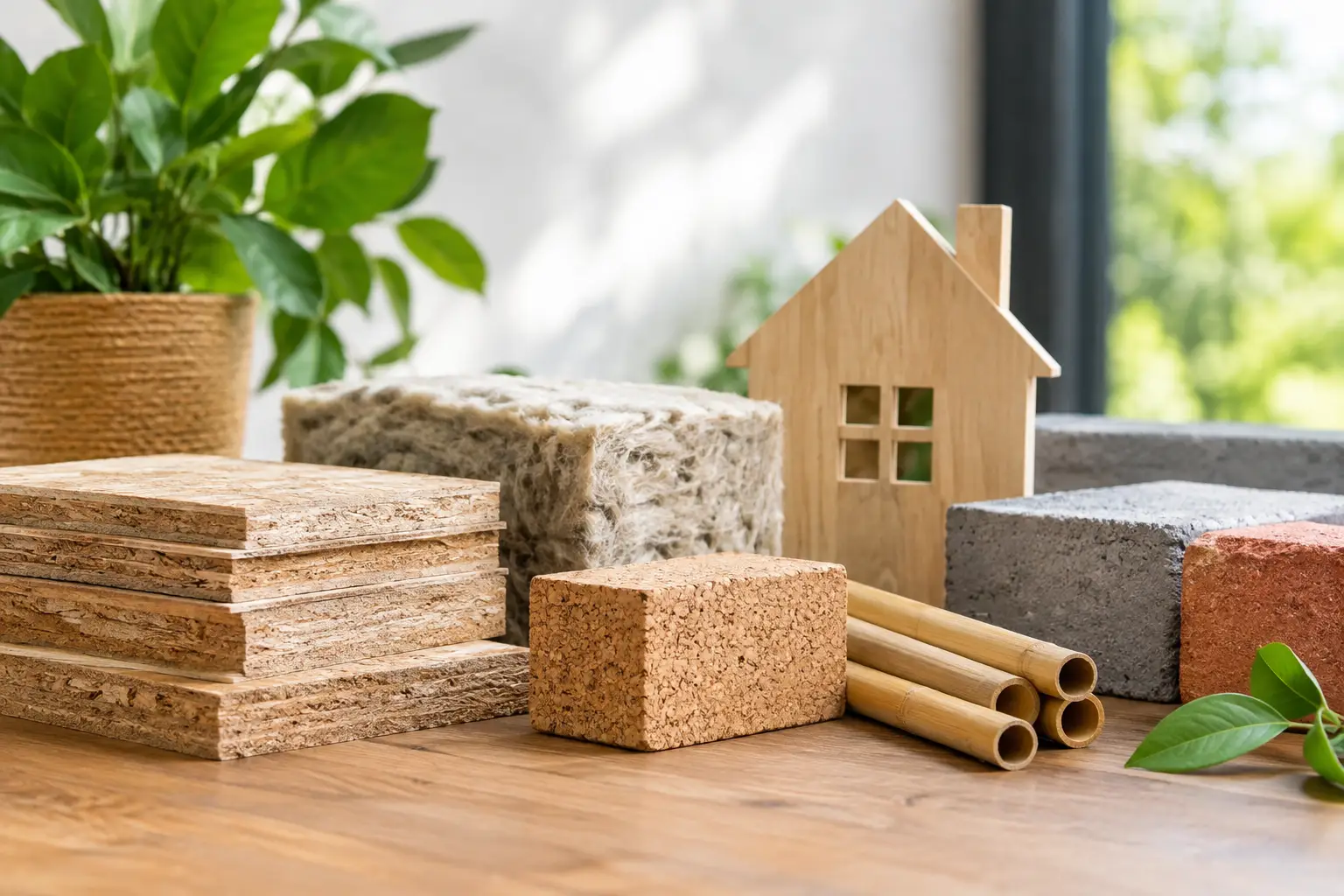
Central Texas weather is demanding. Long, hot summers, heavy rains, shifting soils, and occasional freezes test every part of a building. An ADU should be built with those conditions in mind, from foundation preparation and drainage to insulation, roofing, HVAC sizing, windows, and exterior materials.
Quality workmanship shows up in ways buyers may not immediately name but quickly feel. Doors close properly. Floors remain level. The unit stays comfortable through extreme temperatures. Water moves away from the structure. Electrical and plumbing systems support modern living without shortcuts.
The finishes should also relate to the main home. They do not have to match every material exactly, but the design should feel intentional. A cohesive exterior, durable flooring, practical cabinetry, efficient lighting, and clean tile work can help the ADU feel like a true extension of the property rather than an afterthought.
How to Plan an ADU for Better Returns
The best path is to make decisions in the right order. Start with the property and the people who will use the space, then build the budget around a durable solution. A clear plan helps homeowners avoid spending heavily on features that do not improve function, comfort, or buyer appeal.
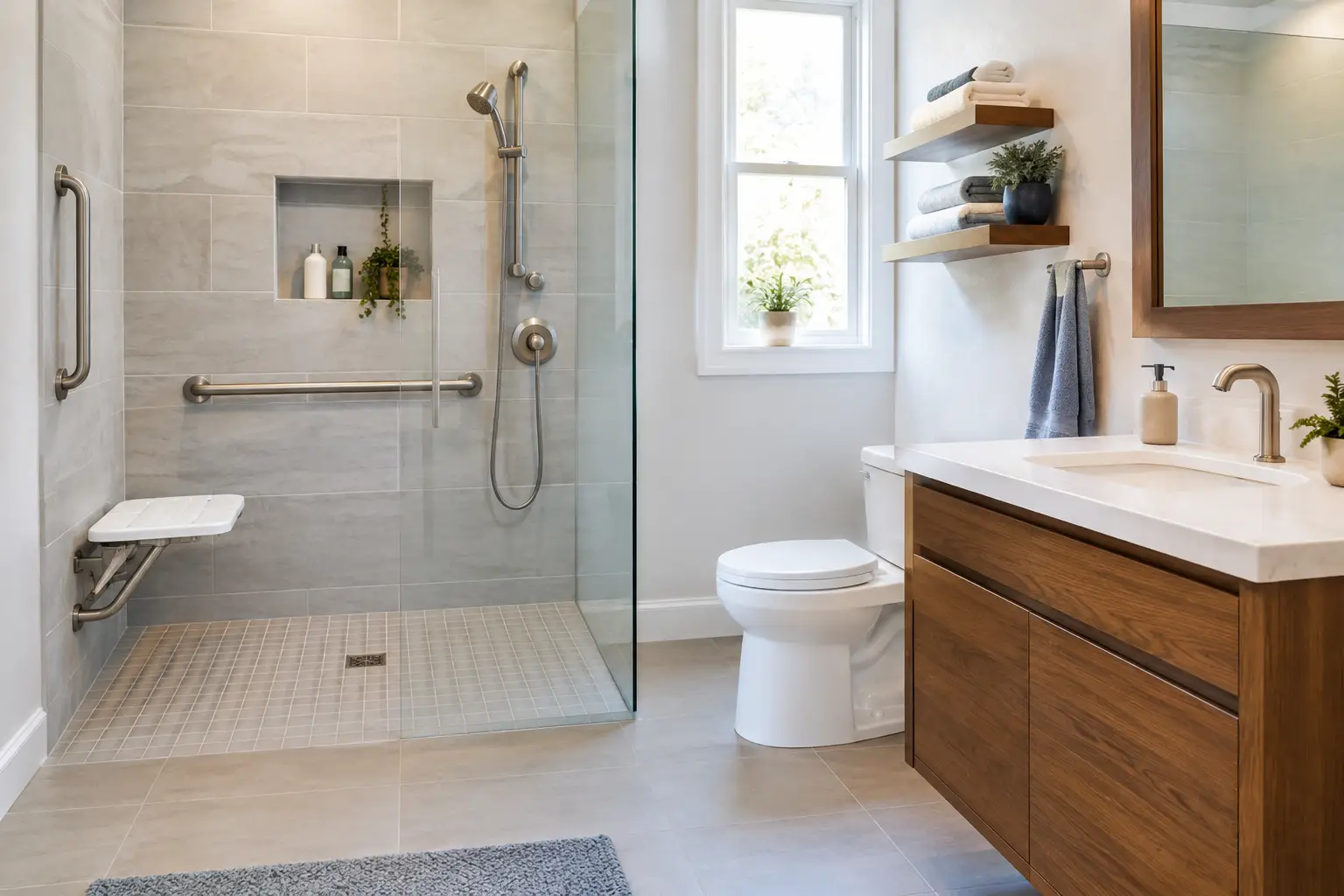
First, define the primary purpose. A rental-ready ADU may need a full kitchen, laundry, separate utilities, and a private entrance. A guest suite for family might prioritize accessibility, a larger bathroom, and a connection to the main home. An office or studio may require stronger sound control, built-in storage, and reliable power for equipment.
Next, consider privacy and circulation from both perspectives. Where will occupants park? Will they have a clear, comfortable path to the entrance? Can the main household use the yard without feeling overlooked? These questions have a direct effect on whether the property feels functional and peaceful.
Finally, avoid overbuilding for the neighborhood. High-end materials can be worthwhile when they improve durability and complement nearby homes, but the project should remain aligned with local buyer expectations. The right investment is not always the most expensive one. It is the one that produces a well-built space with broad, lasting usefulness.
An ADU Is Part of the Whole Property Story
An accessory dwelling unit rarely stands alone in a buyer’s decision. Its effect on value is tied to the condition and presentation of the main house, driveway, landscaping, drainage, outdoor living areas, and overall site plan. A polished ADU beside a neglected main home may not create the same return as one integrated into a cared-for property.
That is why an end-to-end construction perspective matters. NXT Construction Inc. helps Central Texas property owners consider the full picture, from early planning and design choices through construction details that support function, appearance, and long-term performance. The right partner can help identify where an ADU adds real value and where a different improvement may better serve the property.
For homeowners considering an ADU, the most useful question is not, “How much value will it add?” It is, “What valuable problem will it solve?” Build a space that gives your household more freedom, fits your lot and community, and holds up to years of real use. That is the kind of improvement buyers recognize long after the project is complete.