A search for remodelers near me often starts with one frustrating problem: the kitchen no longer works for your family, the bathroom feels dated, or your home simply does not fit the way you live now. But choosing a remodeling contractor should not come down to the first map result or the lowest estimate. Your home is a major investment, and the right partner can turn a stressful construction project into a thoughtful transformation built around your goals.
For Central Texas homeowners, that decision carries extra weight. Austin-area homes face heat, changing soil conditions, rapid neighborhood growth, and a market where well-planned upgrades can make a meaningful difference in daily comfort and long-term value. The contractor you choose needs more than a good-looking portfolio. They need the planning discipline, construction knowledge, communication habits, and local perspective to deliver work that stands up over time.
What to Look for in Remodelers Near Me
A strong remodeling relationship begins before demolition. The best contractors ask detailed questions about how you use your space, what is not working, which finishes matter to you, and how the project should support your future plans. A family preparing for another child has different priorities than a remote professional creating a home office, or an investor updating a rental property. Good remodeling is not one-size-fits-all.
Start by looking for a contractor with experience that matches the scope of your project. A simple cosmetic refresh and a full kitchen reconfiguration require different levels of planning. If walls are moving, plumbing is relocating, or your project involves an addition, foundation concerns, water damage, or an accessory dwelling unit, you need a team capable of managing several trades and identifying issues before they become expensive surprises.
Local experience also matters. Central Texas properties can present conditions that are easy to overlook in a quick walkthrough. Expansive clay soil, drainage patterns, aging infrastructure, ventilation needs, and extreme summer temperatures all affect construction decisions. A contractor who understands the area can recommend practical solutions instead of applying a generic approach that may not serve the property well.
Look Beyond Before-and-After Photos
Project galleries are useful, but beautiful photos are only part of the story. Ask about the work behind the finishes. Was the layout improved? Were permits handled where required? How did the team protect the home during construction? What happened when an unexpected condition appeared behind a wall or beneath a floor?
Reviews can provide helpful insight into those questions. Pay attention to recurring comments about communication, cleanliness, reliability, scheduling, and follow-through. One glowing review does not tell you much. Consistent feedback that a contractor is responsive, organized, and accountable is far more meaningful.
You should also ask whether the contractor provides a clear scope of work. Vague promises create room for misunderstanding. A dependable proposal explains the intended work, major materials, allowances when selections are still pending, projected schedule, payment structure, and the process for approving changes. It gives both sides a shared definition of success.
Start With the Right Remodeling Conversation
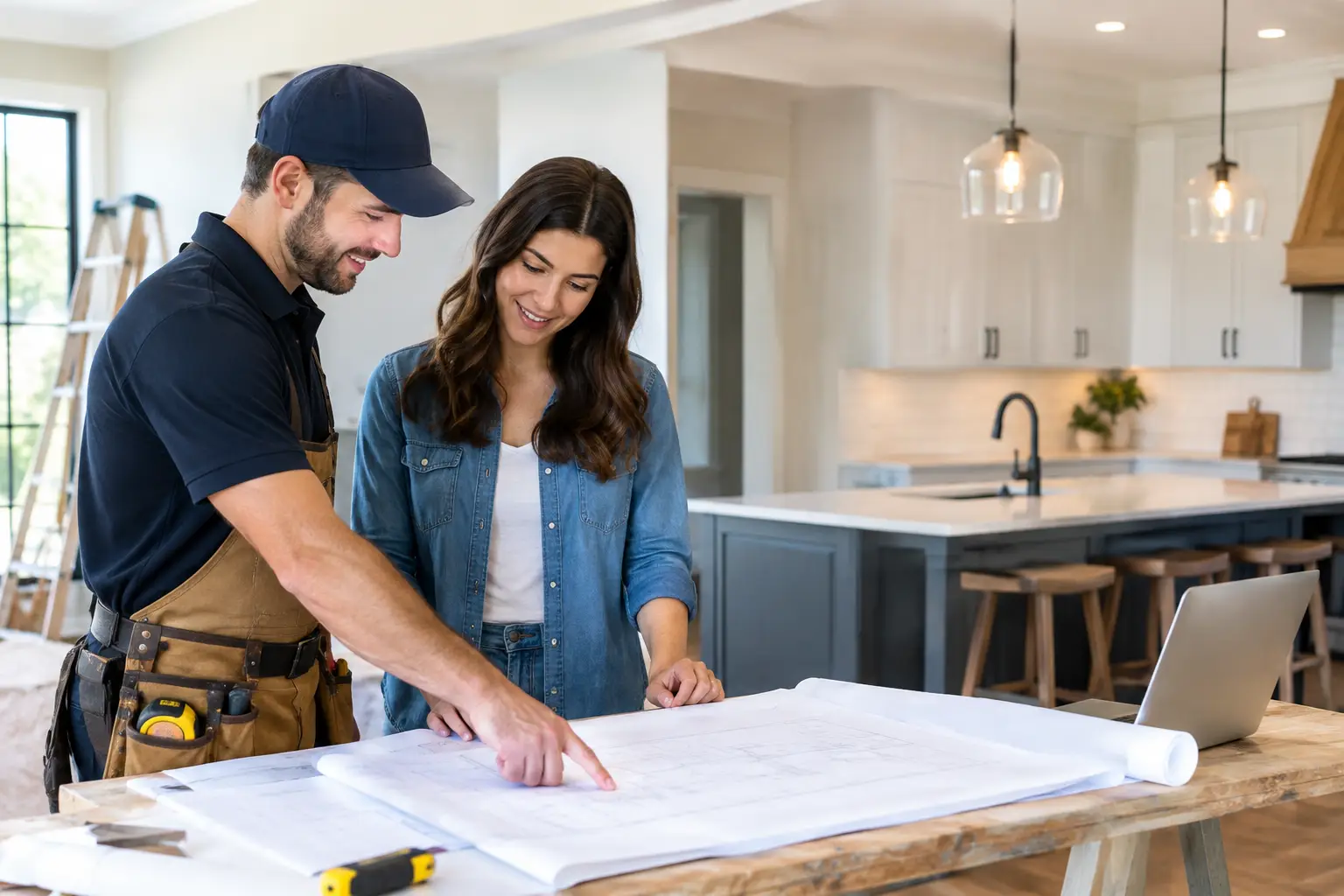
The first consultation should feel productive, not pressured. You should leave with a clearer understanding of what is possible, what may be challenging, and what decisions need to be made next. If a contractor guarantees an exact price or timeline before learning enough about the home, proceed carefully. Some projects can be priced quickly, but larger renovations often require measured planning and site-specific investigation.
Bring your priorities to the conversation. Consider whether your main goal is additional storage, better flow, more natural light, aging-in-place accessibility, energy efficiency, rental income, entertaining space, or a stronger resale position. You do not need a complete set of design drawings to begin. You do need an honest sense of what you want the finished space to do for you.
Budget deserves the same directness. A realistic contractor will help you understand where investment has the most impact and where you may have flexibility. Custom cabinetry, structural changes, premium tile, specialty windows, and relocating utilities can all affect cost. That does not mean you should avoid them. It means they should be intentional choices tied to the value and experience you want from the project.
Compare Proposals Carefully
When comparing remodelers, do not compare only the bottom line. A lower proposal may exclude items another contractor has included, such as demolition, disposal, permit coordination, site protection, inspections, finish materials, or necessary repairs discovered during planning. An estimate that looks attractive at first can become expensive if the scope is incomplete.
Review each proposal for clarity and ask questions until you understand the difference. You want to know who will supervise the work, how often you will receive updates, how change orders are handled, and what support is available if you have a concern during construction. The right contractor will welcome those questions because transparency protects the project.
It also helps to discuss schedule expectations in practical terms. Material availability, weather, inspections, design revisions, and hidden conditions can all affect timing. A professional team will set a plan, coordinate trades, and keep you informed, but no responsible contractor should pretend that every variable is fully under their control. Honest communication is more valuable than an unrealistic promise.
Match the Project to Your Property Goals
The most successful renovation projects connect immediate needs with the life you expect to live in the home. A kitchen remodel can create a better place for family dinners, but it can also improve storage, traffic flow, lighting, and the home’s appeal to future buyers. A bathroom update may be about modern style, yet it can also address poor ventilation, water damage, or accessibility needs.
For homes that feel crowded, an addition or ADU may be a better answer than forcing more function into the existing footprint. In Austin, Leander, Liberty Hill, Cedar Park, Lakeway, Georgetown, and surrounding communities, homeowners are increasingly considering guest suites, multigenerational living spaces, dedicated offices, and rental-ready units. These projects require more coordination than a room refresh, but they can create flexibility that serves the property for years.
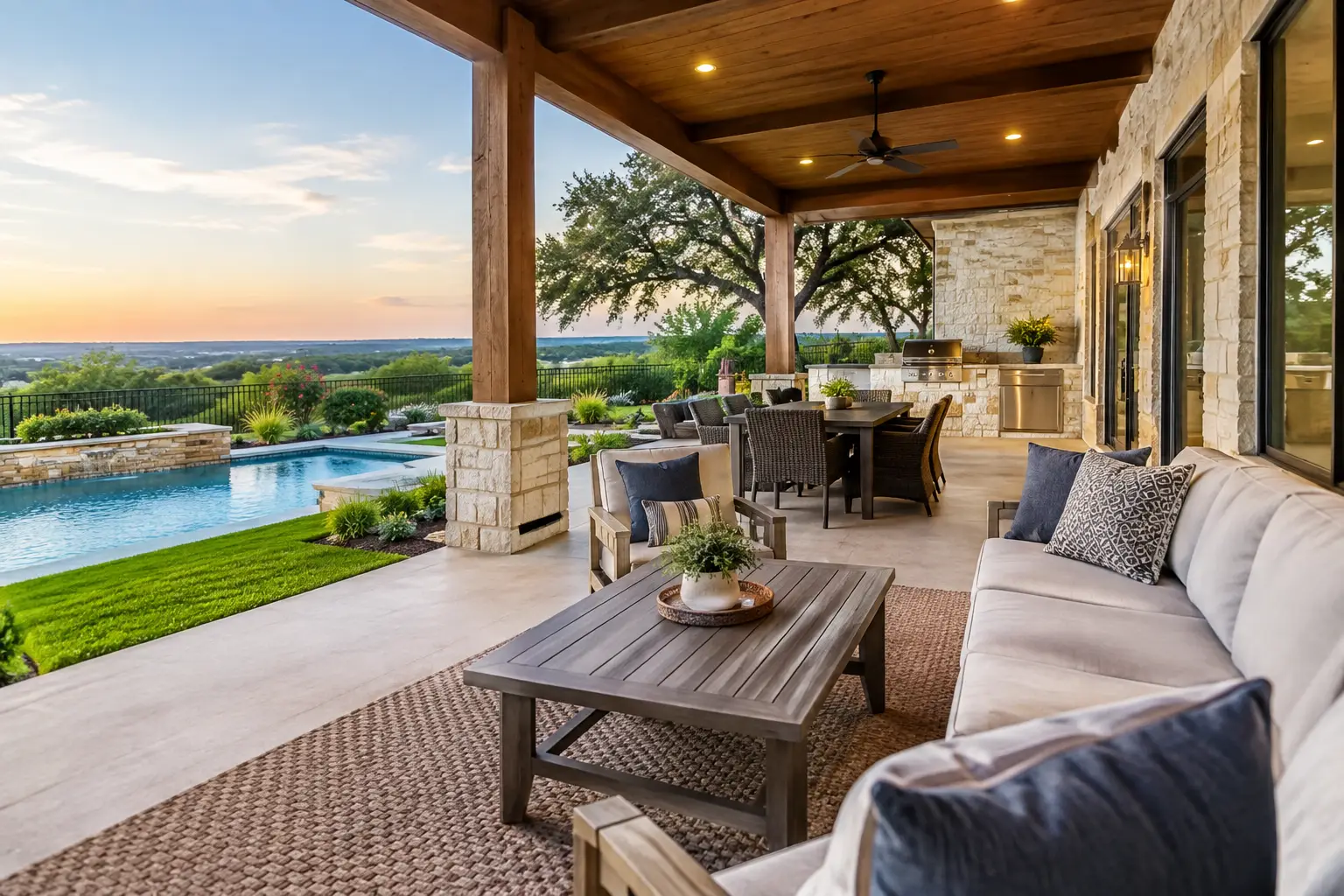
Outdoor improvements deserve the same level of planning. A covered patio, outdoor kitchen, pergola, or home gym can turn underused square footage into a destination for everyday living. The best design considers sun exposure, drainage, traffic patterns, utilities, privacy, and how the space connects to the home. In Central Texas, shade and durable materials are not afterthoughts. They are essential to whether the area gets used.
Choose a Partner, Not Just a Crew
Remodeling brings many decisions into your home: design details, material selections, trade coordination, access, noise, dust, and schedule adjustments. You need a contractor who respects your property and remains present throughout the work, not someone who disappears after the contract is signed.
At NXT Construction Inc., the focus is on helping clients transform ideas into durable, functional, visually compelling spaces through planning, craftsmanship, and accountable service. Whether the project involves a kitchen, bathroom, addition, structural repair, outdoor living area, or commercial retrofit, the goal should remain the same: build with purpose and make the process easier to manage.
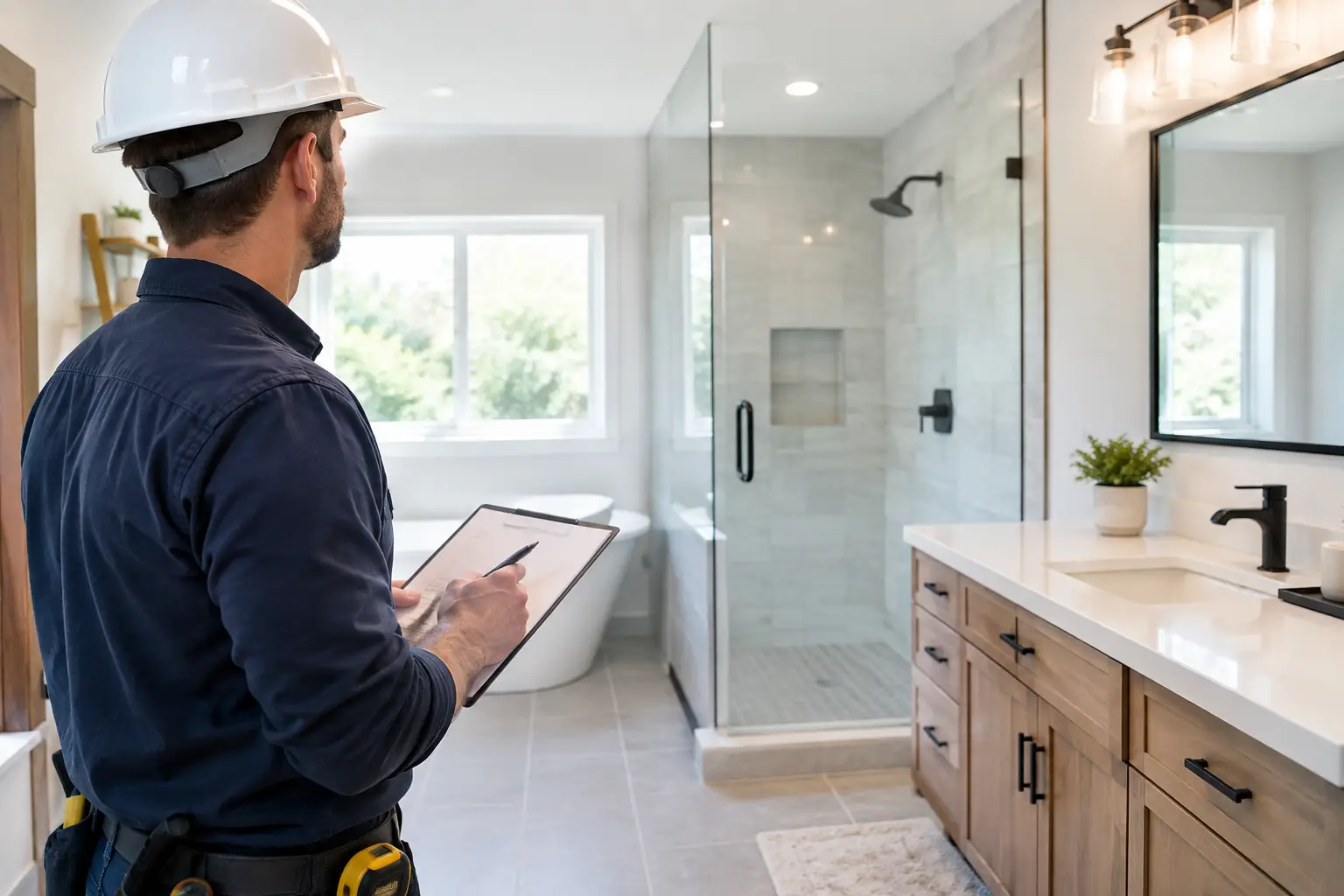
A free inspection or initial assessment can be especially valuable when you are unsure where to begin. Water stains, floor movement, cracking concrete, inefficient insulation, or outdated layouts may point to larger conditions that need attention before cosmetic work starts. Addressing the root issue first protects the investment you make in finishes later.
Questions Worth Asking Before You Sign
Before selecting a contractor, ask how the team approaches planning, communication, and unforeseen conditions. Ask who your primary point of contact will be and how decisions will be documented. Ask whether they have completed projects similar to yours and what lessons from those projects shape their process.
You should also discuss quality control. Who checks the work before it is considered complete? How are punch-list items handled? What happens if a material arrives damaged or an inspection requires a correction? These are ordinary parts of construction. The difference is whether your contractor has a reliable process for resolving them.
Trust your instincts, but support them with evidence. A contractor who listens carefully, explains trade-offs plainly, provides a detailed scope, and communicates with professionalism is usually a better long-term choice than one who simply tells you everything you want to hear.
The right remodeler will not just change the appearance of your home. They will help you make smarter decisions about how it functions, what it can become, and how confidently you can enjoy it when the work is done.