
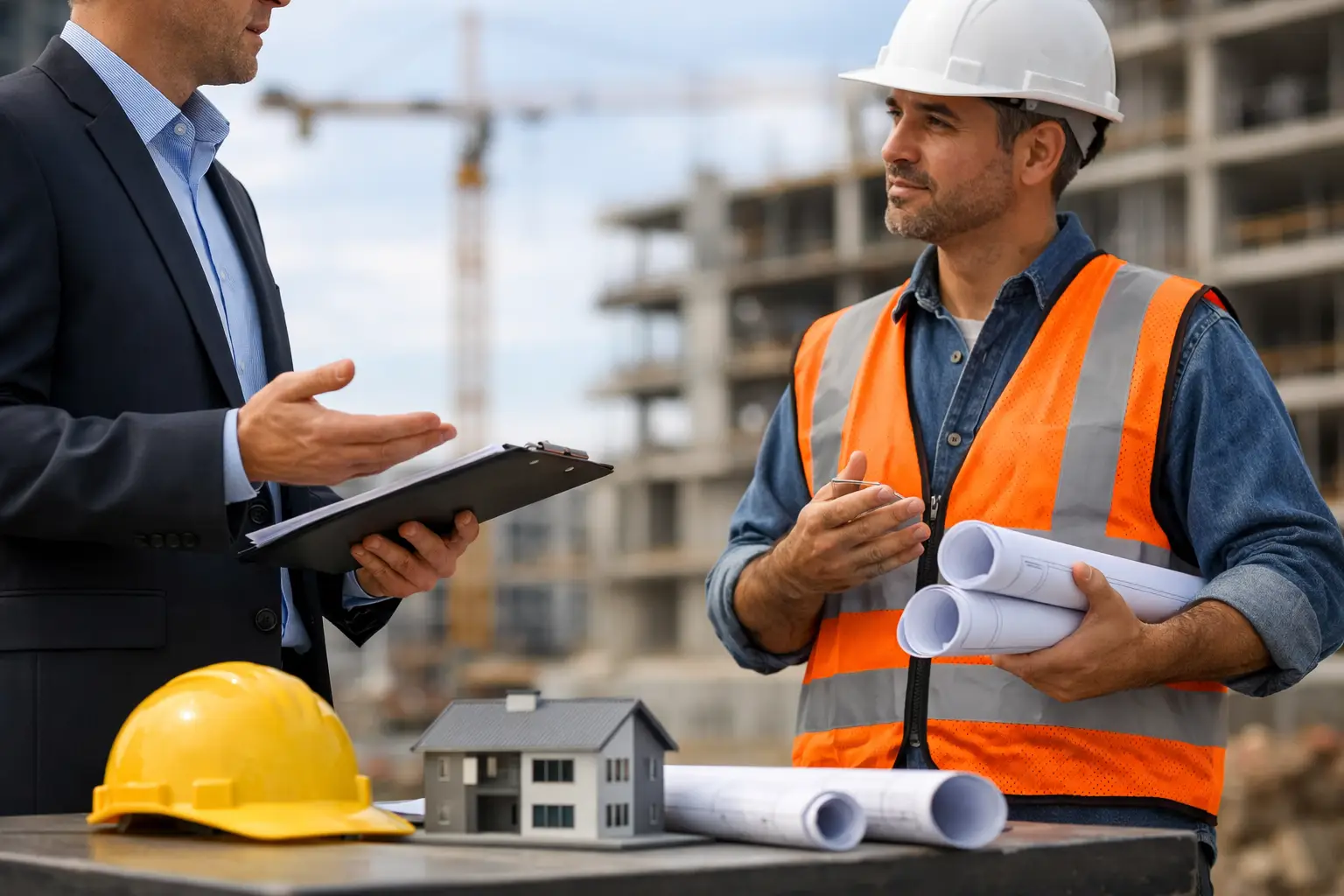
A commercial space has to work before it has a chance to impress. Whether you are updating an office in Austin, retrofitting a warehouse near Georgetown, or preparing a retail space in Cedar Park, every construction decision affects operations, customers, employees, and your bottom line. The right commercial construction contractor does more than build walls and install finishes. They help turn business requirements into a durable, code-compliant space that supports the way your team works.
For Central Texas property owners, that choice carries added weight. Fast growth, demanding schedules, changing building requirements, and the Texas climate can all influence the scope of a commercial project. A contractor who understands both construction and your operational goals can protect your investment from the earliest planning conversation through final completion.
What a Commercial Construction Contractor Should Manage
Commercial construction covers far more than new ground-up buildings. Many business owners need targeted improvements that make an existing property more useful, safer, more efficient, or better aligned with their brand. This may include office build-outs, retail renovations, restaurant improvements, medical or professional space updates, warehouse retrofits, concrete work, insulation upgrades, structural repairs, or water damage restoration.
A qualified contractor begins by understanding how the property needs to perform. For an office, that could mean creating flexible work areas, improving lighting, and adding meeting rooms that support hybrid teams. For a retail business, it may mean better customer flow, durable finishes, accessible entrances, and a visual identity that feels intentional from the moment someone walks in.
The construction work is only one part of the responsibility. A dependable partner should coordinate the moving pieces that can make or break a project: field assessments, planning, budgeting, permits, scheduling, subcontractor management, inspections, quality control, and closeout. The more clearly these responsibilities are defined upfront, the fewer surprises you are likely to face once work begins.
Start With the Business Problem, Not the Finish Selections
It is easy to focus first on flooring, paint colors, fixtures, and signage. Those details matter, but they should follow a more fundamental question: what must this space accomplish for your business?
Consider how employees, customers, vendors, inventory, and equipment move through the property. Identify pain points such as cramped workstations, poor storage, inefficient loading areas, outdated restrooms, limited accessibility, or damaged surfaces that create a poor first impression. If the project is intended to support growth, think beyond the next few months. A layout that works for ten employees may become restrictive when you have twenty.
This early planning stage is where a design-minded contractor adds value. They can help distinguish between a wish list and a practical scope, then suggest construction solutions that improve functionality without wasting budget on changes that do not serve the business. Sometimes a full renovation is appropriate. In other cases, a focused retrofit can solve the problem with less disruption and a stronger return on investment.
Define Priorities Before Requesting a Proposal
Every commercial project has constraints. You may need to remain open during construction, meet a lease deadline, preserve capital for equipment, or complete work around a specific operating season. Share those factors before proposals are developed.
Be direct about your priorities. If speed is critical, say so. If long-term durability matters more than the lowest initial price, make that clear. If a polished customer experience is the main goal, explain what customers should feel when they enter the space. This context allows a contractor to recommend materials, phasing, and scheduling strategies that fit the project rather than applying a one-size-fits-all approach.
How to Evaluate a Commercial Construction Contractor
The lowest bid is not always the best value. A proposal can look attractive because key items are excluded, allowances are too vague, or the contractor has not fully considered the building conditions. Commercial work often reveals hidden conditions once walls, floors, or ceilings are opened, especially in older properties. The goal is not to eliminate every unknown. It is to work with a contractor who identifies risks early and communicates clearly when decisions are required.
Look for evidence that the contractor can manage projects similar in scale and complexity to yours. Ask about their approach to occupied spaces, safety procedures, subcontractor coordination, permit requirements, and quality checks. A contractor should be able to explain their process in plain language, even if you have limited construction experience.
Pay close attention to communication. You need to know who your day-to-day contact will be, how often you will receive updates, how changes are documented, and who has authority to approve added costs or schedule adjustments. A good contractor does not disappear after the contract is signed. They stay accountable from initial assessment to final walkthrough.
It is also wise to ask how the team handles issues that arise in the field. Construction is not a product pulled from a shelf. Conditions can change, materials can have lead times, and inspections can require adjustments. Professionalism is demonstrated by how quickly a contractor brings forward options, explains trade-offs, and keeps the project moving without sacrificing workmanship.
Build a Budget That Protects the Project
A useful commercial construction budget is detailed enough to support real decisions. It should clarify what is included in the scope, where allowances apply, what permits or inspections may be required, and what assumptions were used in pricing. If demolition, structural work, utility changes, or specialty equipment are involved, those details deserve extra attention.
Avoid treating contingency as a sign of poor planning. In renovation work, a reasonable contingency can protect you from discoveries behind existing finishes or beneath slabs. The appropriate amount depends on the age and condition of the building, the amount of exploratory work completed before construction, and the complexity of the changes. Newer spaces with a clearly defined scope may need less flexibility than older properties being substantially reworked.
Value engineering can also be helpful when it is handled with care. This is not simply cutting costs. It means evaluating where alternative materials, construction methods, or design adjustments can preserve performance while improving the budget. For example, a contractor may recommend durable finishes in high-traffic areas while reserving premium materials for customer-facing zones where they have the greatest visual impact.
Plan for Operational Continuity
For many commercial clients, the biggest expense is not construction itself. It is lost business during downtime. If your operation must stay active, discuss phasing before work begins. A contractor may be able to isolate work areas, schedule noisy tasks after hours, complete one section at a time, or coordinate material deliveries to avoid peak customer traffic.
Phasing can add complexity and sometimes cost, but it may be the right choice when closing the business is not realistic. The best approach depends on your occupancy requirements, safety needs, access to utilities, and the nature of the work. A contractor should help you weigh those trade-offs honestly rather than promise a disruption-free project that no construction site can realistically deliver.
Central Texas Conditions Require Practical Planning
Commercial properties in Central Texas face conditions that should shape construction decisions. Heat, intense sun, heavy rain events, expansive soils, and fast-changing property needs can all affect long-term performance. Proper drainage, insulation, roofing details, concrete preparation, and foundation awareness are not background concerns. They are part of protecting the building and the business inside it.
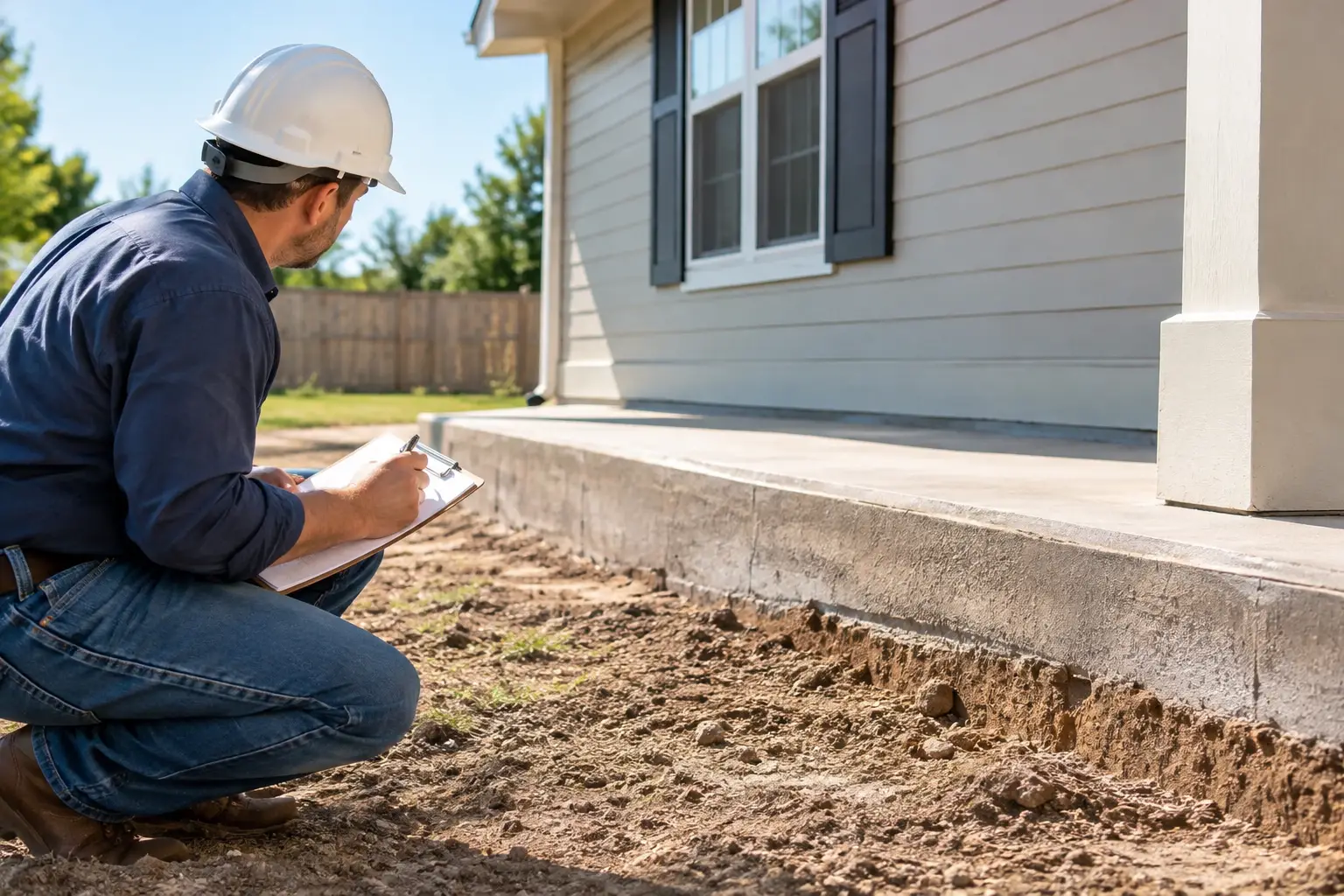
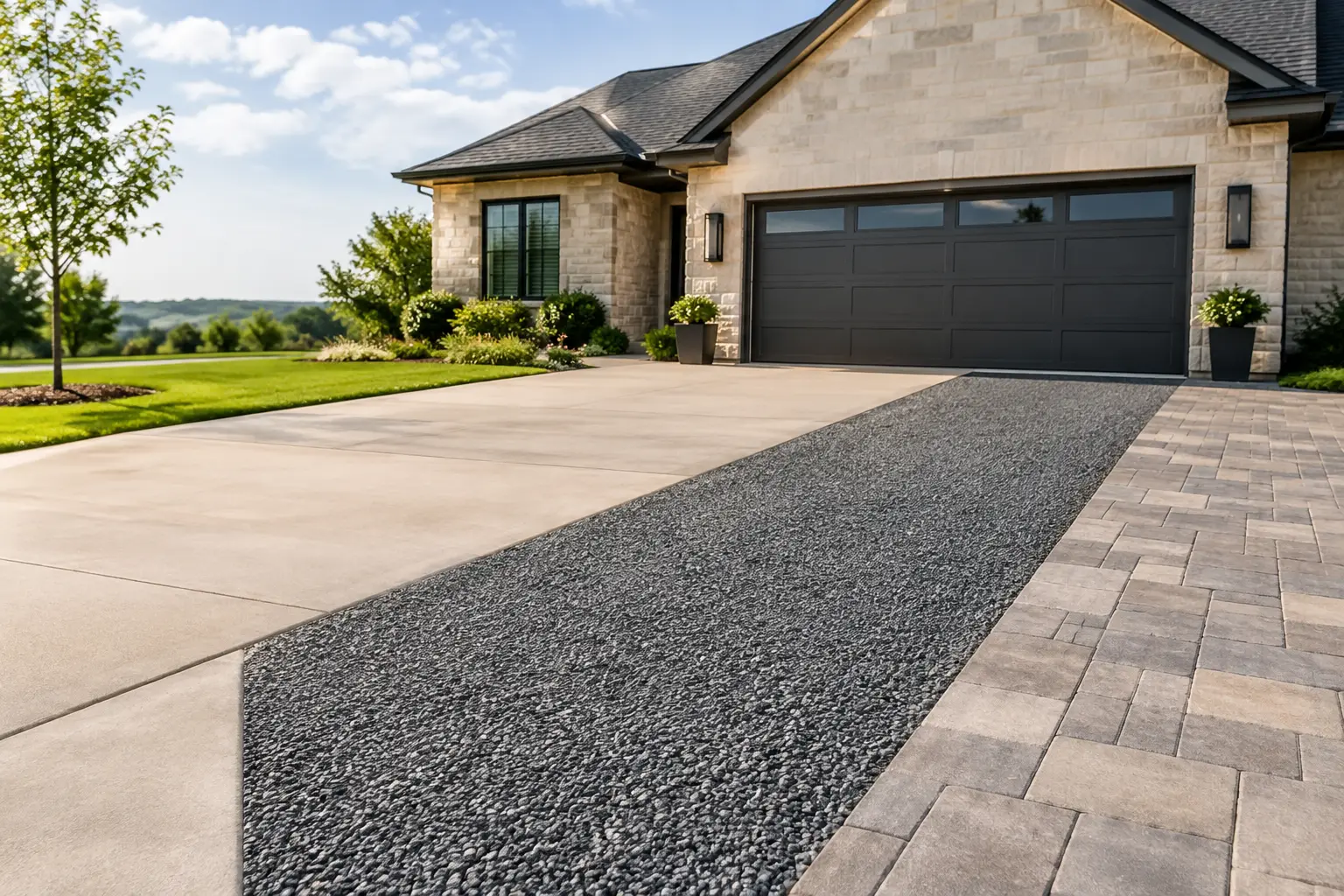
For a warehouse or flex space, spray foam insulation and thoughtful ventilation can improve comfort and help manage energy use. For a customer-facing property, exterior concrete, entry conditions, shade structures, and drainage can influence safety and curb appeal. When there are signs of water intrusion, settling, or structural movement, addressing the underlying issue before investing in cosmetic improvements is the smarter path.
Local familiarity also matters during permitting and coordination. A contractor serving Austin, Liberty Hill, Leander, Lakeway, Georgetown, and nearby communities should understand that requirements and review processes can vary by jurisdiction. That knowledge helps set a more realistic project schedule and reduces avoidable delays.
Choose a Partner Who Treats the Property Like an Investment
Your commercial property represents more than square footage. It supports payroll, customer confidence, daily productivity, and future growth. The contractor you choose should respect that responsibility with organized planning, skilled execution, transparent communication, and craftsmanship that holds up after the final inspection.
NXT Construction Inc. approaches commercial construction as a partnership, helping Central Texas owners translate their operational needs into spaces that are functional, visually compelling, and built for the long term. From initial assessment through project completion, the focus should remain on the decisions that create lasting value, not just the work that is easiest to see.
When you are ready to improve a commercial property, begin with a conversation about how the space needs to work five years from now. That clarity gives every design choice, budget decision, and construction phase a stronger purpose.



2 Responses