A burst supply line can soak flooring long before anyone sees the water. A heavy Central Texas storm can expose a roof weakness, send moisture behind siding, or leave a foundation crack more noticeable than it was the week before. Texas restoration is not simply about making damage disappear. It is about understanding what happened, protecting the structure, and rebuilding the space so it works beautifully for the people who rely on it.
For homeowners and property managers in Austin, Liberty Hill, Leander, Cedar Park, Lakeway, Georgetown, and nearby communities, the right response combines urgency with sound judgment. The visible damage may be in one room, but moisture, structural movement, and compromised materials can affect far more than the surface.
Texas Restoration Starts With the Right Assessment
The first decision after property damage is often the most consequential: whether to patch the obvious issue or investigate the cause. A ceiling stain may come from a roof leak, plumbing failure, HVAC condensation problem, or water entering through an exterior opening. Repainting without correcting the source can create a temporary cosmetic fix while damage continues behind the walls.
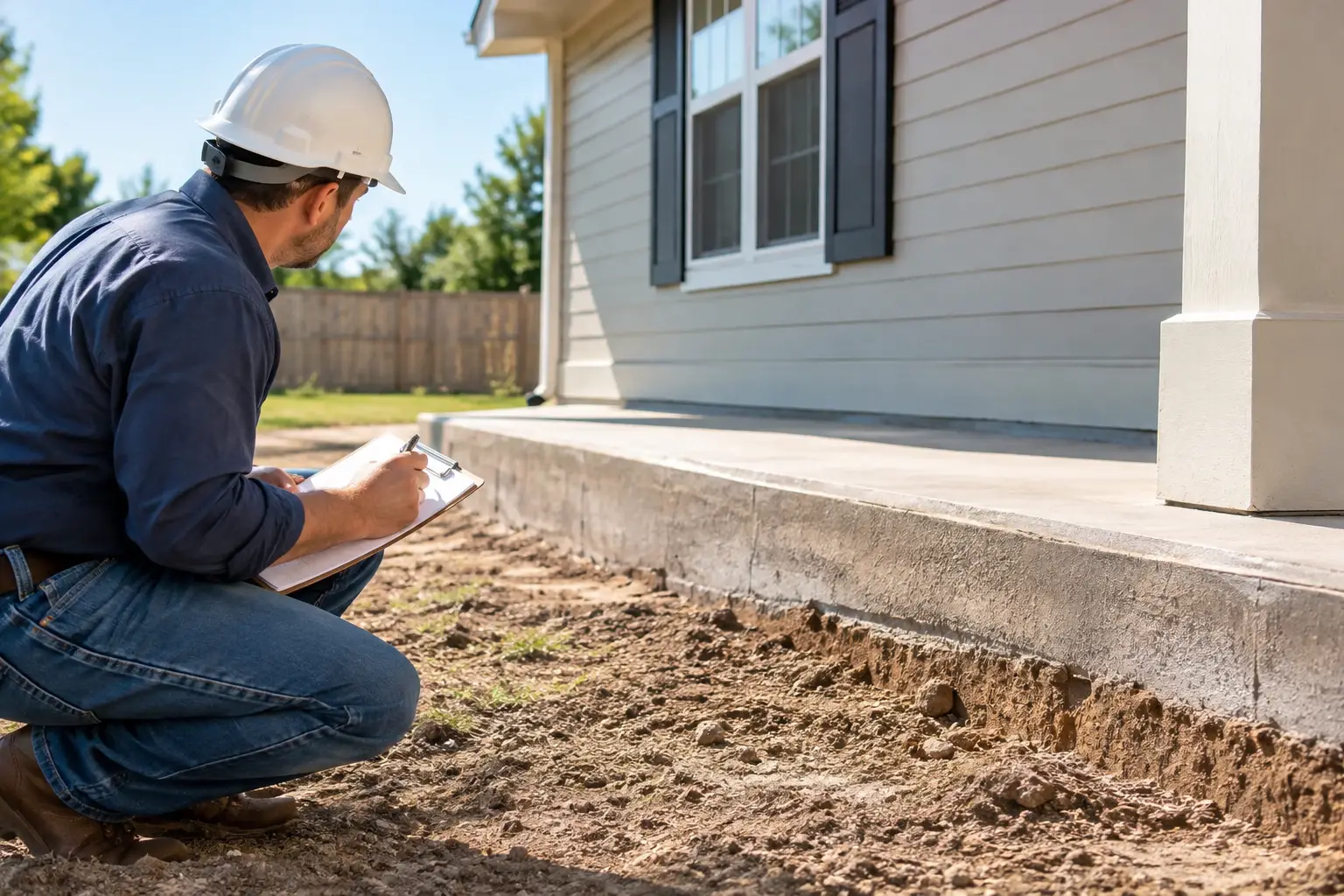
A thorough restoration assessment looks at the affected area and the systems around it. That can include drywall, insulation, subflooring, framing, electrical components, plumbing connections, exterior drainage, roofing, and the foundation. The scope should be based on evidence, not assumptions.
Free inspections can give property owners a practical starting point, especially when the extent of damage is unclear. The goal is to identify immediate safety concerns, determine what can be preserved, and create a realistic path for repairs. Clear documentation and direct communication matter here. You should understand what needs to be done, why it needs to be done, and how each decision affects the budget and timeline.
Water Damage Requires More Than Drying
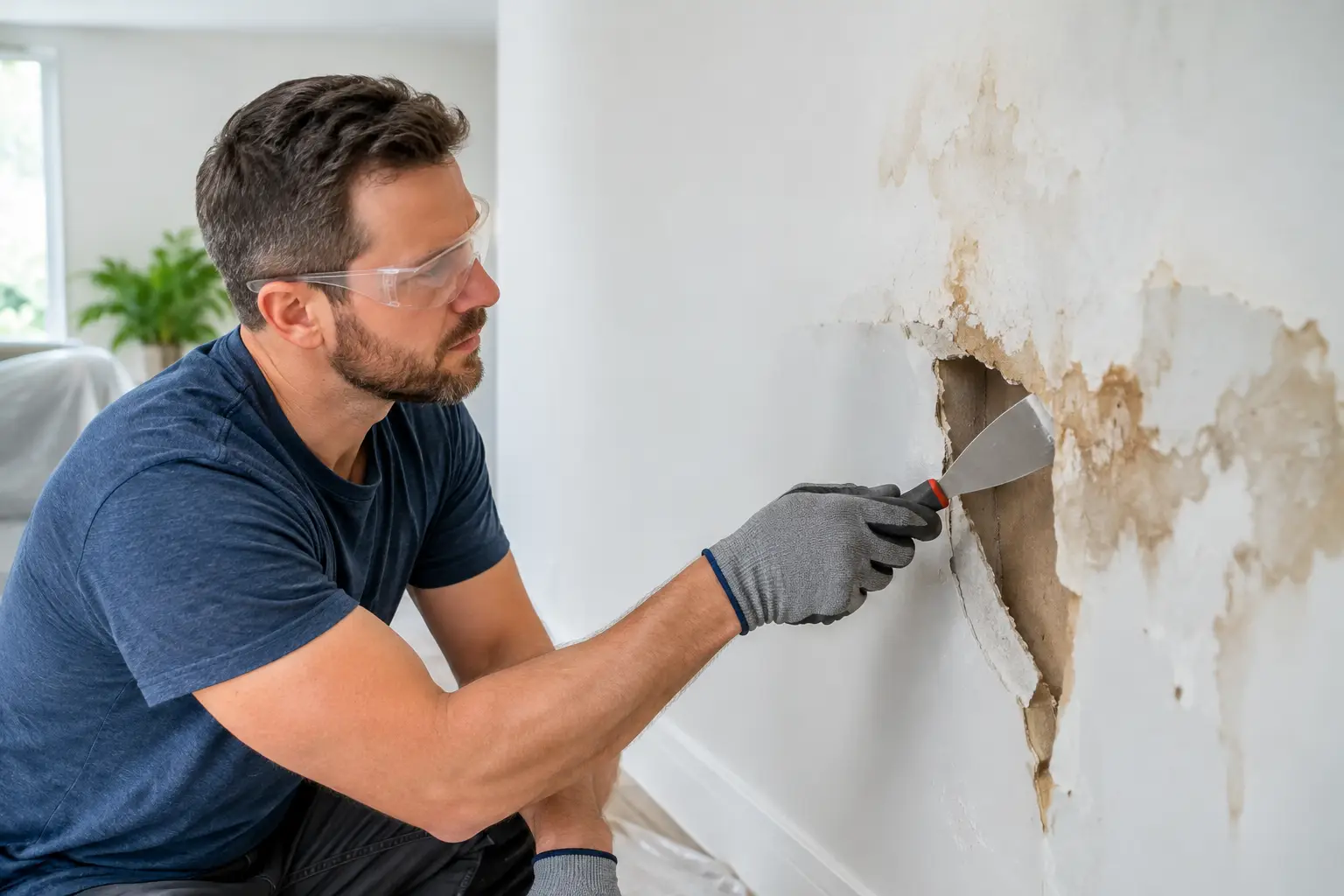
Water remediation is one of the most common forms of Texas restoration, and it is also one of the easiest to underestimate. Water can travel beneath flooring, wick up drywall, settle inside wall cavities, and affect insulation before it becomes visible. Fast action reduces the chance of more extensive material replacement, but speed should not come at the cost of careful evaluation.
The restoration process generally begins by stopping the water source and removing standing water. From there, affected materials must be evaluated for drying, cleaning, repair, or replacement. Drywall and flooring are not automatically total losses, but materials that remain saturated or contaminated may not be appropriate to keep.
The type of water matters as much as the amount. Clean water from a supply line often presents a different remediation path than water from a backed-up drain or outdoor flooding. In some cases, targeted repairs may be enough. In others, damaged flooring, insulation, cabinetry, or wall materials need to be removed so the structure can dry properly and be rebuilt safely.
Once the space is stabilized, restoration becomes an opportunity to improve it. A damaged bathroom can be rebuilt with a more functional layout. A kitchen affected by a leak can receive durable cabinetry, updated lighting, and finishes that better match the home. The priority is always proper remediation first, but a thoughtful rebuild can turn a disruptive event into a meaningful improvement.
Signs Water Damage May Be Spreading
Not all water damage announces itself with a flooded room. Watch for persistent musty odors, peeling paint, swelling trim, soft flooring, discolored drywall, warped cabinetry, or unexplained changes in indoor humidity. A sudden increase in the water bill can also point to a hidden plumbing leak.
If these signs appear, avoid treating them as a simple paint or caulk issue. A professional inspection can help determine whether moisture is active, whether materials have been affected behind the surface, and what repairs will protect the property for the long term.
Structural Repairs Need a Long-Term View
Texas soil, heat, seasonal rainfall, and drainage conditions can all influence how a property performs over time. Foundation concerns may show up as cracks in walls or brick, doors that begin to stick, uneven floors, or gaps around windows. Those signs do not automatically mean a major foundation repair is required, but they do deserve professional attention.
The right repair depends on the cause. Some issues are tied to drainage and water management around the property. Others may involve soil movement, structural settlement, plumbing leaks below the slab, or previous construction conditions. A responsible restoration plan does not treat every crack the same way.
When structural repairs are necessary, cosmetic work should follow the correction of the underlying issue. Repairing drywall before resolving the movement that caused the crack can lead to repeated damage and unnecessary expense. The same principle applies to exterior finishes, tile, trim, and flooring. Lasting craftsmanship starts with stable conditions beneath the finished surface.
Restoration or Remodeling: Sometimes the Best Answer Is Both
Property owners often ask whether they should restore the damaged space as it was or use the project to make changes. The answer depends on the condition of the property, insurance considerations, budget, and how well the existing space serves the household or business.
Restoring a room to its previous layout may be the right move when the design already works and the goal is a quick return to normal. But if a kitchen had poor storage before a leak damaged the cabinets, rebuilding presents a chance to solve that frustration. If an outdated bathroom must be opened for plumbing repairs, it may be the right time to improve accessibility, lighting, ventilation, and material durability.
This is where an end-to-end construction partner provides value. Rather than coordinating separate demolition, remediation, plumbing, drywall, flooring, painting, and design teams, clients can work through one organized plan. That approach helps protect the budget, reduce handoff delays, and keep decisions aligned with the finished vision.
NXT Construction Inc. approaches restoration with that larger perspective: repair what must be repaired, then build back with the functionality, appearance, and durability your property deserves.
Smart Material Choices for Central Texas Properties
Restoration materials should be selected for more than appearance. Central Texas homes face heat, humidity swings, intense sun, and occasional severe weather. A finish that looks exceptional on day one should also make sense for the way the room is used and the conditions it faces.
For moisture-prone spaces, durable flooring, properly installed waterproofing, quality ventilation, and moisture-resistant wall materials can help protect the investment. In kitchens and bathrooms, details such as cabinet construction, countertop performance, fixture quality, and adequate exhaust ventilation have a direct effect on long-term maintenance.
Exterior restoration deserves equal attention. Proper flashing, drainage planning, durable siding details, and concrete work that supports water runoff can reduce future vulnerability. Energy-focused upgrades, including appropriate insulation, can also improve comfort after walls or attic areas are opened during repairs.
Higher-performing materials can cost more upfront, so the best choice is not always the most expensive product. It is the product that fits the space, expected wear, maintenance preferences, and project budget. A clear discussion before construction starts helps avoid choices that look attractive but do not match how the property will actually be used.
What a Well-Managed Restoration Project Looks Like
A strong restoration experience should feel organized even when the situation is stressful. After the initial inspection and scope development, the project should move through a clear sequence: stabilization, necessary demolition, repair of root causes, reconstruction, finish selection, and final quality review.
Communication is especially important when hidden damage changes the scope. Older homes, for example, may reveal outdated wiring, deteriorated plumbing, or framing concerns once walls are opened. These discoveries can affect cost and schedule, but they should be explained promptly with practical options. The goal is not to create surprises. It is to give owners the information needed to make confident decisions.
For commercial properties, restoration planning also needs to account for operations. A retail space, office, warehouse, or tenant improvement project may require phased work, safety controls, and scheduling that limits disruption. The best plan balances speed with the quality required for a space that supports employees, customers, and daily business needs.
Protect the Investment Before the Next Problem
The final walkthrough should not be the end of your attention to the property. Ask what maintenance will protect the repaired area, whether drainage or ventilation should be monitored, and which early warning signs deserve a call. A restored space lasts longer when small concerns are addressed before they become another major project.
Damage can be frustrating, but it also creates a moment to make smarter choices about how your property looks, performs, and supports your life. Start with a careful inspection, insist on repairs that address the cause, and choose a construction partner prepared to rebuild with lasting purpose.