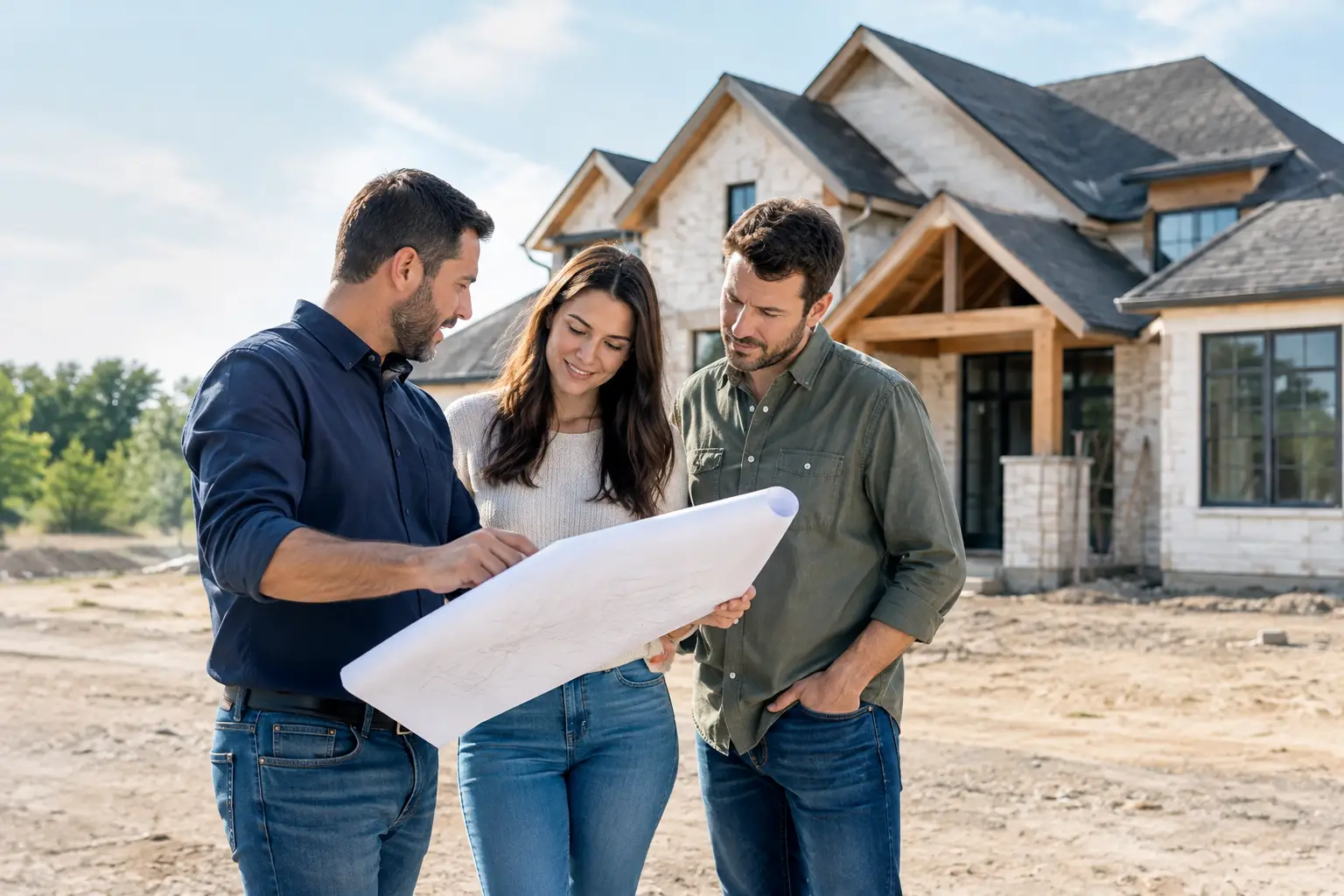
A custom home is not simply a larger construction project. It is a set of decisions about how your family will move through the day, host friends, work from home, age in place, and enjoy the Central Texas property you worked hard to own. The right custom home builder helps turn those decisions into a home that looks exceptional, functions beautifully, and holds up to the realities of Texas weather and daily life.
For homeowners in Austin, Liberty Hill, Leander, Cedar Park, Lakeway, Georgetown, and nearby communities, choosing that partner deserves more than a quick review of floor plans or a comparison of starting prices. A thoughtful builder should bring design awareness, construction discipline, clear communication, and a process that keeps your priorities in view from the first conversation through the final walkthrough.
Start With the Life You Want to Build Around
The best custom homes begin with a clear understanding of the people who will live in them. Before discussing square footage, finishes, or exterior styles, consider how your current home falls short. You may need a true home office with sound control, a larger kitchen for family gatherings, flexible space for adult children or aging parents, or a shaded outdoor area that makes Texas summers more enjoyable.
This early clarity helps prevent an expensive mistake: building rooms that look impressive but do not serve your everyday routine. A formal dining room may matter less than a generous pantry and a kitchen island with seating. A media room may be less valuable than a guest suite with private access. On a Hill Country lot, preserving views and creating a practical connection to outdoor living can matter as much as the interior layout.
A capable builder listens for these priorities and asks practical follow-up questions. How long do you expect to stay in the home? Do you entertain often? Is energy efficiency a major goal? Will the home need to accommodate a growing family, a home business, or multigenerational living? The answers guide the plan before construction decisions become costly to change.
What a Custom Home Builder Should Manage
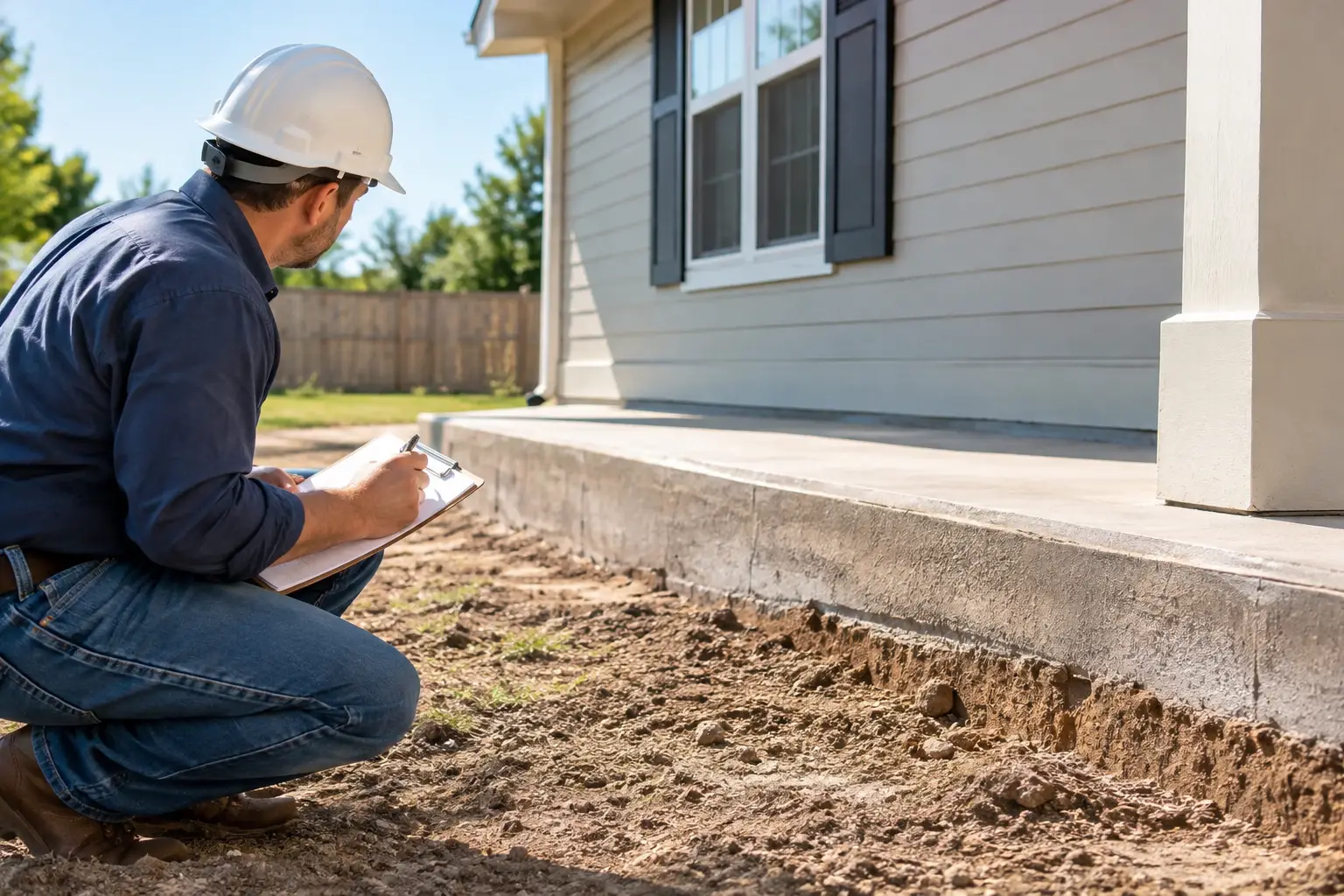
A true custom build involves far more than framing walls and selecting countertops. The process begins with evaluating the property itself. Site conditions, drainage, utility access, zoning requirements, setbacks, soil conditions, and topography can all affect what can be built and what it will cost.
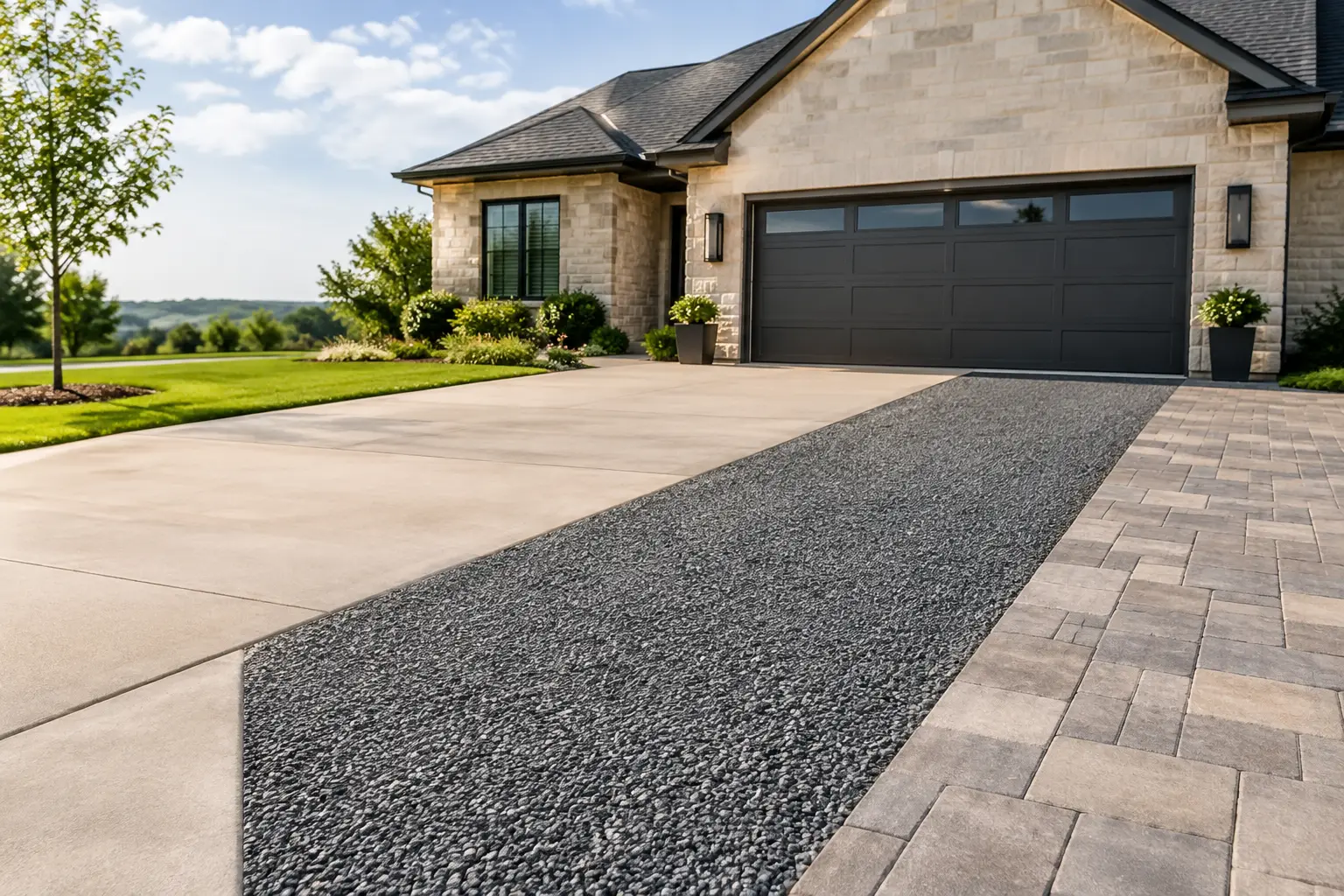
In Central Texas, land preparation deserves special attention. Expansive soils, rock excavation, drainage patterns, foundation design, and intense summer heat are not minor details. They influence the durability and comfort of the finished home. A builder should have the experience to identify potential concerns early, coordinate the right trades and professionals, and explain how those issues affect the project plan.
Your builder should also help connect design decisions to real construction outcomes. That means considering how an architectural concept will perform in the field, where budget pressure may arise, and which materials make sense for the home’s location and intended use. A striking design is valuable, but it must be supported by sound structural work, thoughtful systems planning, and finishes that can stand up to everyday use.
Design, Budget, and Buildability Must Stay Connected
Homeowners often assume that design comes first and pricing comes later. In reality, the strongest projects keep design and budget in conversation from day one. This does not mean limiting your ideas. It means making informed choices while there is still time to adjust.
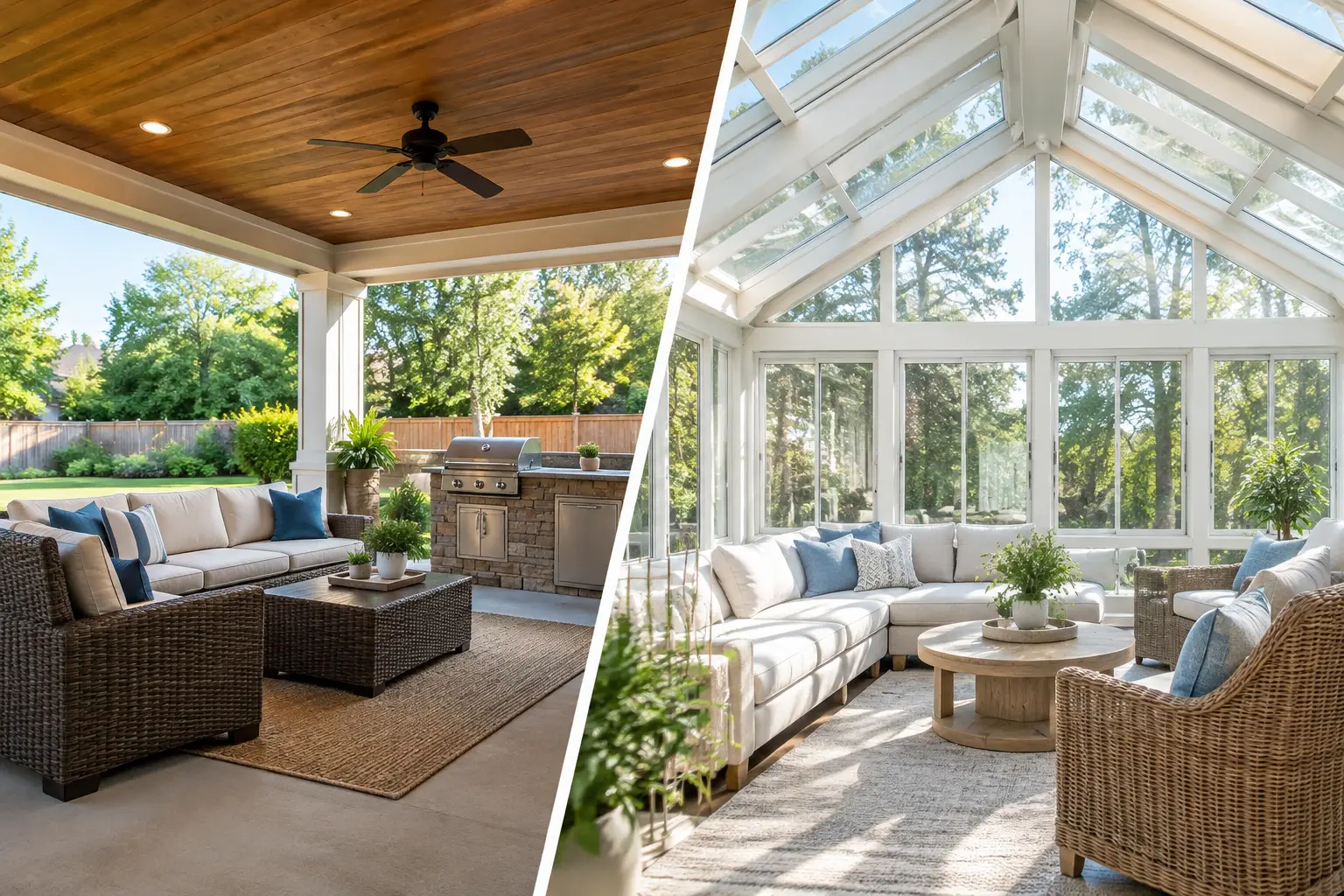
For example, a dramatic wall of glass may transform a living room, but it can affect structural requirements, energy performance, shading needs, and cost. A large covered patio can add meaningful year-round living space, yet its roofline, drainage, electrical needs, and connection to the main home require coordination. The goal is not to avoid these features. It is to plan for them intelligently.
A client-centered builder will explain the trade-offs without pushing a one-size-fits-all answer. Some homeowners may prioritize a larger footprint and choose durable, value-conscious finishes. Others may prefer a more compact home with high-end cabinetry, custom millwork, premium windows, and a refined outdoor kitchen. Both can be the right decision when they align with your goals.
Look Beyond the Portfolio
A project gallery can show you whether a builder has a strong eye for style, proportion, and finish quality. It cannot tell you everything. When evaluating a custom home builder, ask how the team handles the work behind the walls and the decisions that arise when plans meet real site conditions.
Ask about their approach to scheduling, permitting, inspections, change orders, quality control, and client communication. You should understand who will be your primary contact, how often you will receive updates, and how questions will be documented and resolved. The construction process has many moving parts, and responsive communication is not a luxury. It is a core part of protecting your investment.
It is also reasonable to ask about experience with the type of home you want to create. A modern build on a sloped Lakeway property presents different challenges than a family-focused new home in Leander or a private retreat on acreage near Liberty Hill. Local knowledge helps a builder anticipate conditions that can affect timing, cost, and long-term performance.
Consider asking these questions during your consultation:
- How do you evaluate a lot before finalizing the project scope and budget?
- What is your process for communicating schedule changes or unexpected site conditions?
- How are allowances, selections, and change orders tracked?
- Who oversees workmanship and coordinates inspections throughout construction?
- What support is available after the home is complete?
Clear answers are a positive sign. Vague promises, unexplained pricing, or pressure to make major decisions too quickly are reasons to slow down and ask for more detail.
Prioritize Quality Where It Matters Most
Every custom home has a budget, and every budget requires choices. The most successful projects do not try to put the highest-end material in every room. They prioritize quality where it has the greatest impact on performance, maintenance, and daily enjoyment.
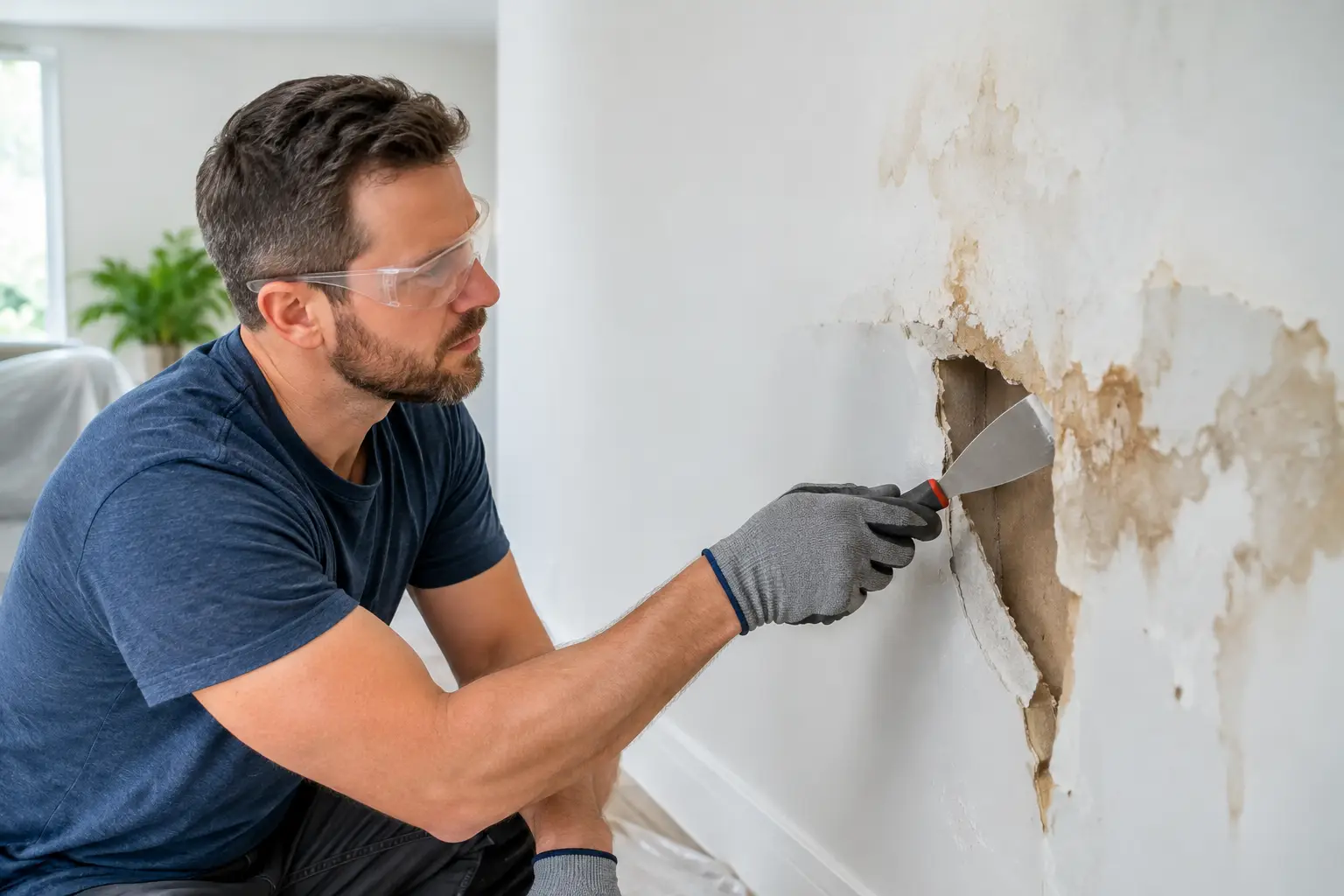
Structural systems, foundation work, roofing, windows, insulation, waterproofing, HVAC planning, and drainage should never be treated as invisible places to cut corners. These are the systems that protect your comfort, energy use, and home value long after a trendier finish has been replaced.
At the same time, the details you touch every day matter. Well-designed storage, durable flooring, quality cabinet hardware, practical lighting, and carefully planned outlets can make a home feel more intentional. For Central Texas homeowners, spray foam insulation, efficient windows, and shaded outdoor areas may offer benefits that are felt every season, not only on move-in day.
Sustainability can also be practical rather than performative. Selecting durable materials, reducing unwanted heat gain, designing for efficient mechanical systems, and planning water-conscious landscaping can support a home that is comfortable, resilient, and less demanding to maintain.
Plan for the Property, Not Just the House
Your home should feel connected to its surroundings. This is especially true in Central Texas, where a covered patio, outdoor kitchen, pergola, pool area, or dedicated outdoor gym can extend the way you live well beyond the interior walls.
Planning these areas during the new-build phase is usually more effective than treating them as an afterthought. Structural supports, utilities, lighting, drainage, and circulation can be integrated from the beginning. The result is a property that feels cohesive rather than a home with separate upgrades added over time.
The same thinking applies to future flexibility. A detached accessory dwelling unit, a private guest suite, a garage workspace, or an adaptable bonus room may not be an immediate need, but planning utility routes and site access early can preserve options. For homeowners focused on family, rental potential, or long-term property value, that foresight can be significant.
Choose a Partner, Not Just a Price
The lowest number on a proposal is not always the lowest cost of ownership. Incomplete scopes, poor coordination, weak communication, and shortcuts in critical systems can create stress during construction and expenses after move-in. A detailed, transparent proposal gives you a better foundation for comparing options than a simple bottom-line price.
The right builder should make you feel informed, not overwhelmed. You should be able to discuss your concerns openly, understand the next steps, and see how your decisions affect the project. At NXT Construction Inc., that partnership begins with listening closely to how you want your property to work, look, and grow with you.
A custom home should carry your priorities in every meaningful detail, from the way morning light reaches the kitchen to the durability of the systems protecting it. Take the time to choose a builder who respects that responsibility, communicates with honesty, and has the craftsmanship to turn a personal vision into a lasting place to call home.