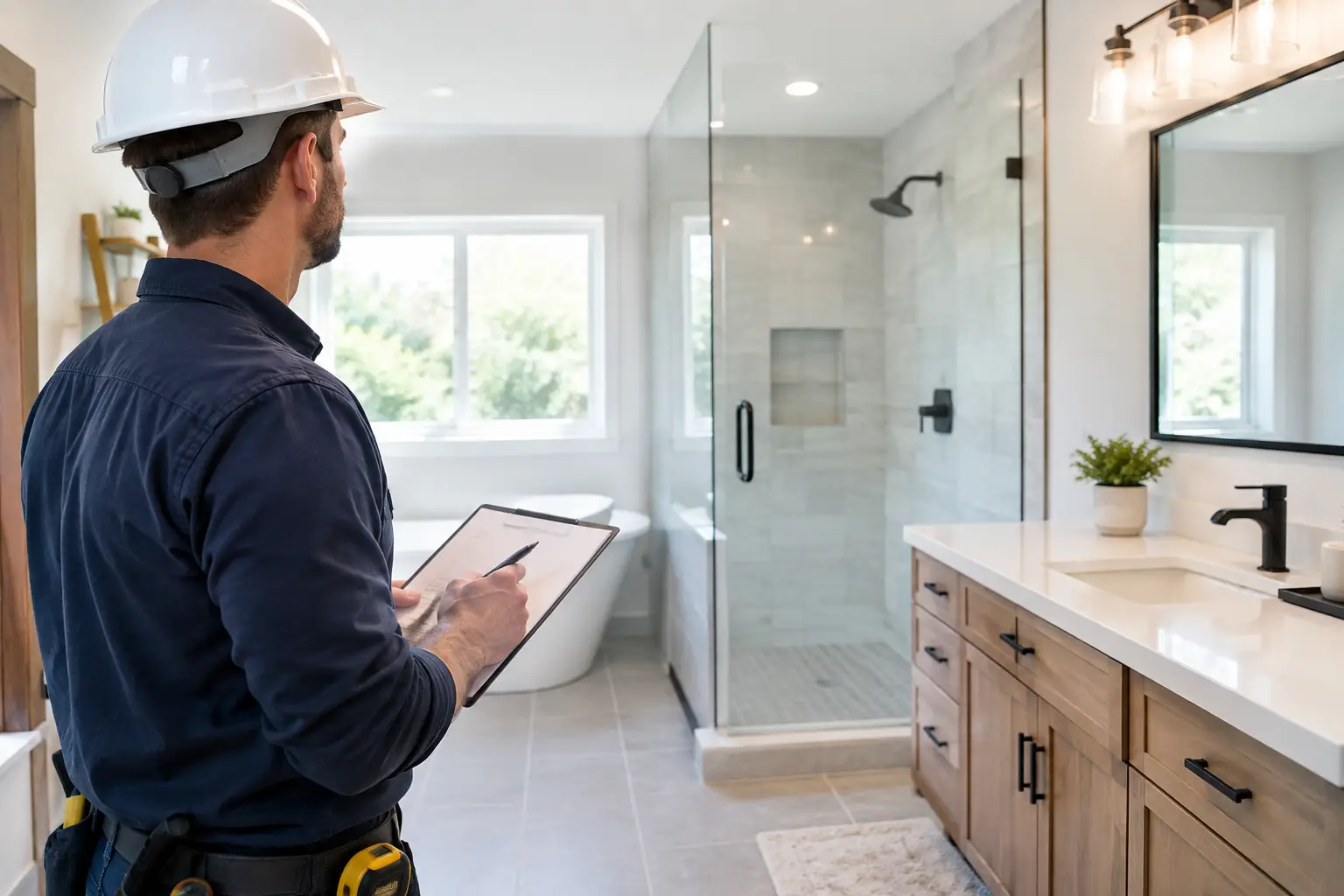
A renovated kitchen can change how your family gathers. A new ADU can create room for grandparents, guests, or rental income. A repaired foundation can protect the investment beneath every other improvement. But those outcomes depend on more than finishes and floor plans. Choosing the right house renovation contractor determines whether the process feels organized and rewarding or becomes a series of costly surprises.
For Central Texas homeowners, the decision carries extra weight. Fast-growing communities, shifting property values, demanding heat, expansive clay soils, and local permitting requirements all shape what a successful renovation requires. The best contractor is not simply the one with the lowest number on a proposal. They are the partner who can understand your goals, identify the realities of your property, and lead the work with skill and accountability.
Start With the Life You Want Your Home to Support
A strong renovation begins before contractor bids are compared. Start by defining the problem you want to solve. Perhaps your kitchen is closed off from the living room, your bathroom no longer works for a growing family, or your backyard is unused for much of the year. Maybe you need a dedicated office, an accessible first-floor suite, or a detached space for family members.
Describe the result in practical terms. Consider how many people will use the space, how you move through it during a typical day, what storage is missing, and which parts of the home must remain operational during construction. This gives a contractor enough context to recommend options that serve your lifestyle rather than simply completing a surface-level update.
Budget matters at this stage too. Share a realistic investment range early. A qualified contractor can explain what that range may support, where material selections affect cost, and whether completing the work in phases makes sense. Holding back your budget usually leads to proposals that are difficult to compare and may not address the full scope you have in mind.
What a House Renovation Contractor Should Clarify First
The first consultation should feel like a working conversation, not a sales pitch. A dependable house renovation contractor asks questions, studies the existing conditions, and makes room for concerns you may not know how to phrase yet. Renovating an existing home often reveals variables that are not visible in photos or quick walkthroughs, including aging plumbing, uneven framing, water intrusion, electrical limitations, or structural movement.
Before committing, ask how the contractor approaches the following areas:
- The written scope of work, including demolition, protection, construction, finishes, cleanup, and final walkthroughs
- Permits, inspections, engineering, and any HOA requirements that may apply to your property
- Allowances for selections such as tile, fixtures, cabinetry, appliances, or lighting
- The construction schedule, site access, work hours, and how your household or business will be protected during the project
- Change orders and unforeseen conditions, including who approves added work and how costs are documented
Clear answers do not mean a contractor can predict every condition behind a wall. They mean the contractor has a process for handling uncertainty without leaving you in the dark. That distinction protects your budget and your confidence throughout the project.
A Detailed Scope Makes Proposals Comparable
Two estimates can have very different totals because they include different work. One may account for permits, debris removal, paint, trim, and fixture installation, while another may only cover a broad construction category. A low initial number is not a value if necessary items appear later as additions.
Ask for a proposal that explains what is included and what is excluded in plain language. For a kitchen renovation, that could include cabinetry, countertops, backsplash, flooring transitions, electrical upgrades, plumbing connections, appliance coordination, and wall repairs. For a room addition, it should address foundation work, framing, roofing, insulation, HVAC, windows, exterior finishes, and the integration of new work with the original home.
The goal is not to reduce every detail to a single line item. It is to understand the level of completion you are purchasing. A professional contractor will welcome that conversation.
Look for Local Construction Knowledge, Not Just Attractive Photos
Project galleries are useful, but finished photos only show one part of the job. Your contractor should also understand the conditions behind the finish. In Central Texas, foundation performance, drainage, water management, insulation, roof connections, and heat exposure can all influence a renovation’s durability.
For example, opening walls or adding square footage may require structural engineering and careful load-path planning. Foundation repair should never be treated as a cosmetic concern. Water remediation demands a clear plan to identify the source of moisture before damaged materials are replaced. Outdoor kitchens, patios, pergolas, and concrete driveways need materials and drainage strategies that can stand up to local weather.
This is where a full-service partner can bring real value. Instead of coordinating separate providers for design questions, structural concerns, construction trades, and finishing details, homeowners can work with a team that manages the project as one connected effort. NXT Construction Inc. applies that approach across renovations, additions, ADUs, outdoor living spaces, repairs, and commercial improvements, helping clients move from an initial idea to a finished space with one accountable point of coordination.
Communication Is Part of the Workmanship
A beautifully installed shower or custom-built patio matters. So does knowing who will be at your home, what is happening next, and when you need to make a decision. Construction is disruptive by nature, especially when work affects kitchens, bathrooms, entrances, or primary living areas. Consistent communication is what makes that disruption manageable.
Ask who will be your day-to-day contact once work begins. Find out how often you will receive updates and whether schedule changes, material delays, or discoveries on site will be communicated promptly. You should also understand how decisions are recorded. Verbal conversations are helpful, but selections, approvals, and changes should be documented so everyone is working from the same information.
There is a trade-off here. A contractor who promises an unrealistically fast schedule may be prioritizing the sale over the realities of permitting, inspections, material lead times, and quality control. The right schedule is one that has been planned carefully and is updated honestly when circumstances change.
Pay Attention to How Problems Are Handled
Every renovation has the potential for a surprise. An older home may have hidden water damage. A requested product may be delayed. An inspection may call for a correction before the next phase can proceed. These moments reveal more about a contractor than the initial proposal does.
Look for a partner who explains the issue, presents viable options, identifies the cost and schedule impact, and gets authorization before moving forward. Avoid contractors who minimize legitimate concerns, cannot explain their recommendations, or pressure you to make rushed financial decisions.
Professional problem-solving is especially valuable for complex projects such as whole-home renovations, garage conversions, ADUs, foundation repairs, and commercial retrofits. Those projects involve multiple systems, and one decision can affect several trades. Careful coordination saves time, prevents rework, and supports a higher-quality result.
Check Credentials, Protection, and Project Fit
A trustworthy contractor should be prepared to discuss insurance, licensing requirements that apply to the work, permits, warranties, and subcontractor management. Ask for references that relate to the type of project you are planning. A contractor with strong bathroom remodels may not be the best fit for an addition requiring structural work, and a company known for new construction may approach an occupied-home renovation differently.
When speaking with former clients, ask more than whether they liked the final result. Ask whether the team respected the property, maintained communication, managed changes fairly, and addressed concerns after completion. The answers will tell you how the company operates when the project becomes complex.
You should also consider financial fit. Quality construction requires skilled labor, reliable materials, proper insurance, planning time, and responsible project management. Financing options may help some homeowners move forward with a larger or more complete improvement, but financing should support a well-defined plan, not cover a vague scope.
Choose Value That Lasts Beyond the Final Walkthrough
The best renovation decisions balance aesthetics, function, durability, and return on investment. High-end finishes can be worthwhile in a kitchen that anchors family life or a primary bathroom designed for daily comfort. In other cases, investing in insulation, drainage, structural corrections, or efficient mechanical systems may deliver more lasting value than a purely visual upgrade.
Your contractor should help you make those choices without pushing a one-size-fits-all solution. A growing family may benefit most from an addition or ADU. A remote professional may prioritize acoustic comfort and reliable electrical capacity. A homeowner preparing to sell may focus on repairs and improvements that strengthen buyer confidence. The right answer depends on the property, your timeline, and the way you plan to live there.
Your home deserves more than a quick estimate and a generic plan. Choose a construction partner who listens closely, documents clearly, builds with care, and treats every improvement as an investment in the life you want to create.