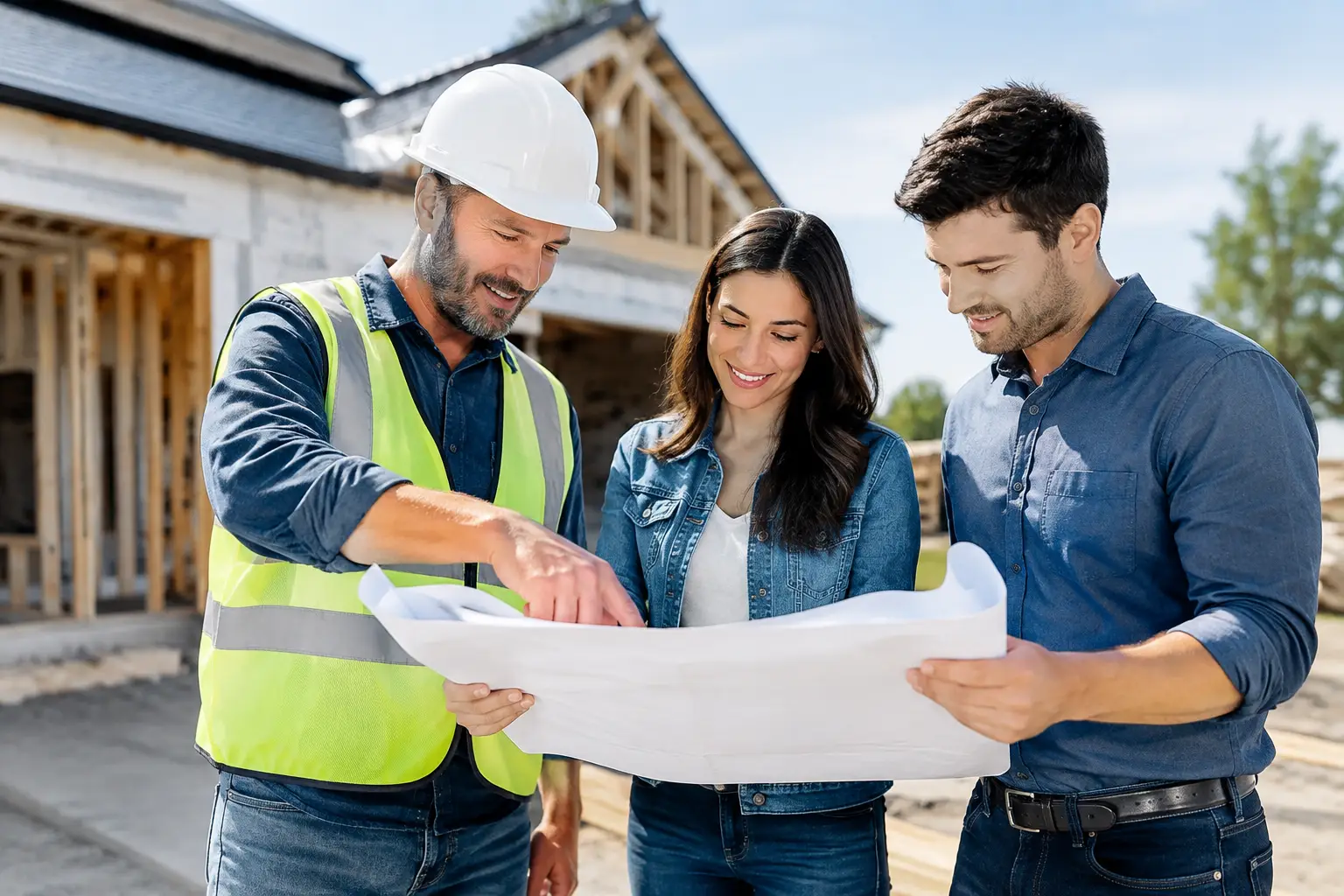
A contractor can make an outdated kitchen feel like the center of family life again, turn unused acreage into an income-producing ADU, or resolve water and foundation issues before they threaten your property’s value. Searching for the best general contractors near me is not simply about finding someone who can build. It is about choosing a partner who can protect your investment, understand how you live or work, and manage the details that turn an idea into a finished space.
For Central Texas homeowners and business owners, that decision deserves more than a quick review of star ratings. Austin-area properties face specific considerations, from expansive clay soils and foundation movement to fast-changing neighborhood expectations, local permitting, intense heat, and outdoor spaces that need to work nearly year-round. The right contractor brings practical expertise to those realities while keeping your goals, budget, and timeline in view.
Start With the Project, Not the Price
Before requesting estimates, get clear on the outcome you want. A good general contractor can help refine the details, but the first conversation is far more productive when you can describe the problem you need to solve.
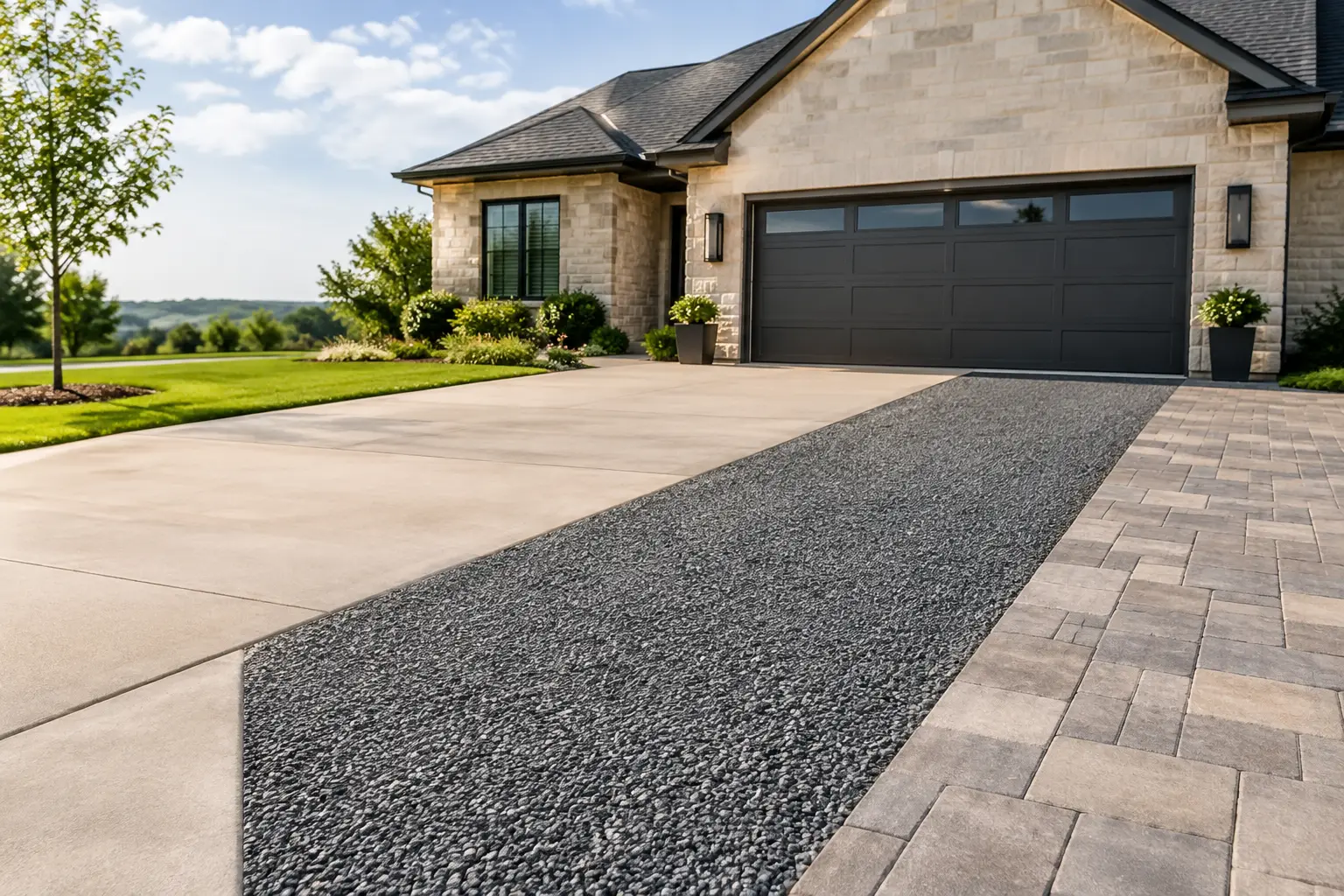
For example, “We want to remodel our kitchen” is a starting point. “We need a kitchen that seats six, improves storage, opens to the living room, and holds up to two kids and frequent entertaining” gives a contractor the information needed to recommend a meaningful solution. The same principle applies to a commercial retrofit, a new concrete driveway, a patio cover, or structural repairs.
Think about function, appearance, durability, and future plans. Are you remodeling to stay in your home for the next decade? Are you preparing a property for resale? Do you need a detached office, guest suite, or rental unit that supports multigenerational living? Your answers affect materials, layout, permitting, and the level of investment that makes sense.
Price matters, of course. But comparing only the final number can lead to expensive misunderstandings. A lower estimate may exclude design coordination, permit handling, site protection, quality finishes, repair work behind the walls, or proper project supervision. A complete scope creates a fairer comparison and a more predictable experience.
What the Best General Contractors Near Me Do Differently
The strongest contractors do more than coordinate subcontractors. They lead the project with accountability from the first assessment through the final walkthrough. That includes asking detailed questions, identifying potential challenges early, documenting the agreed scope, and communicating clearly when conditions change.
Look for a contractor who can explain the work in language you understand. You should not need construction experience to know what is happening in your own home or building. A dependable partner will walk you through the sequence of work, explain material choices, discuss realistic timing, and outline what decisions you will need to make along the way.
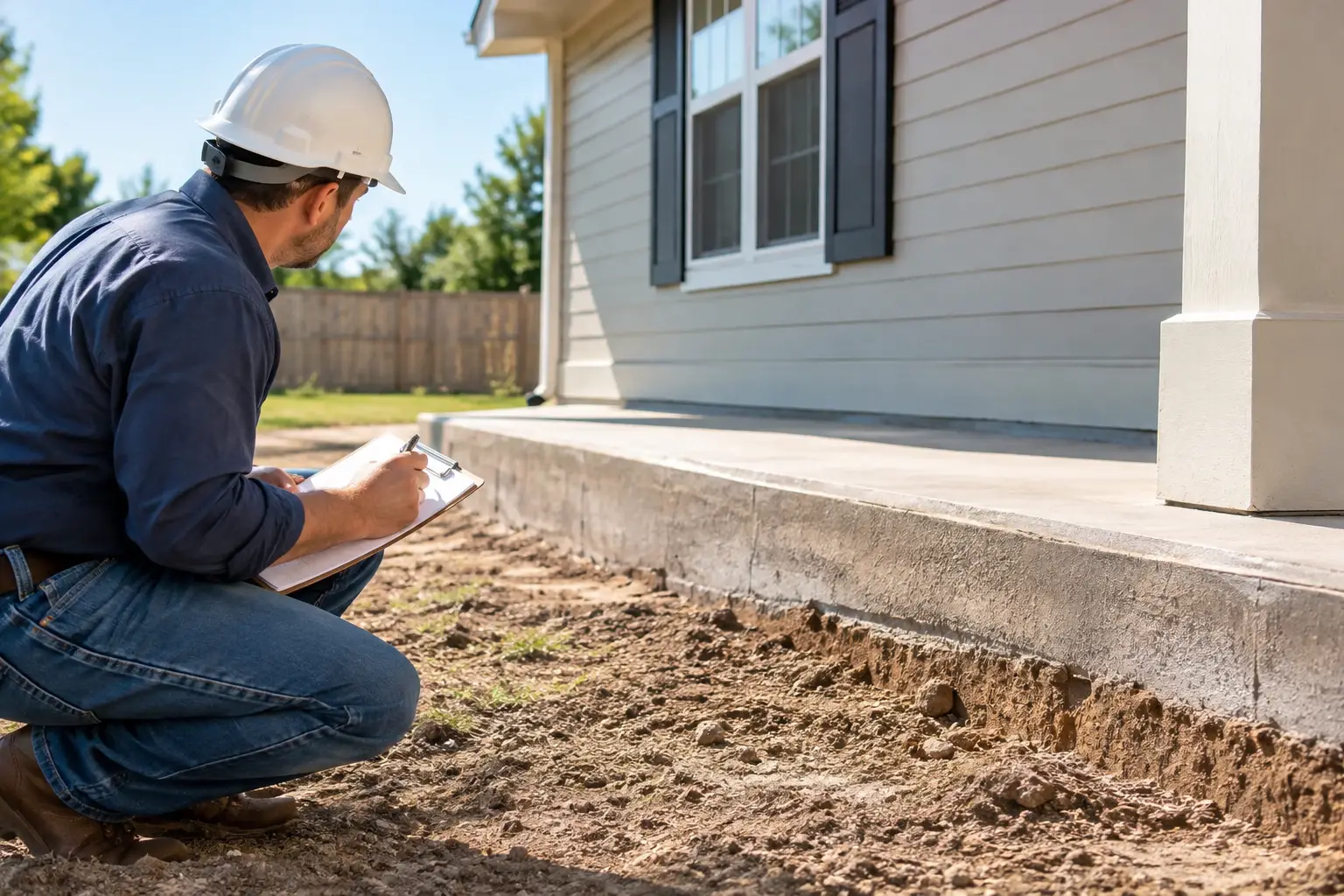
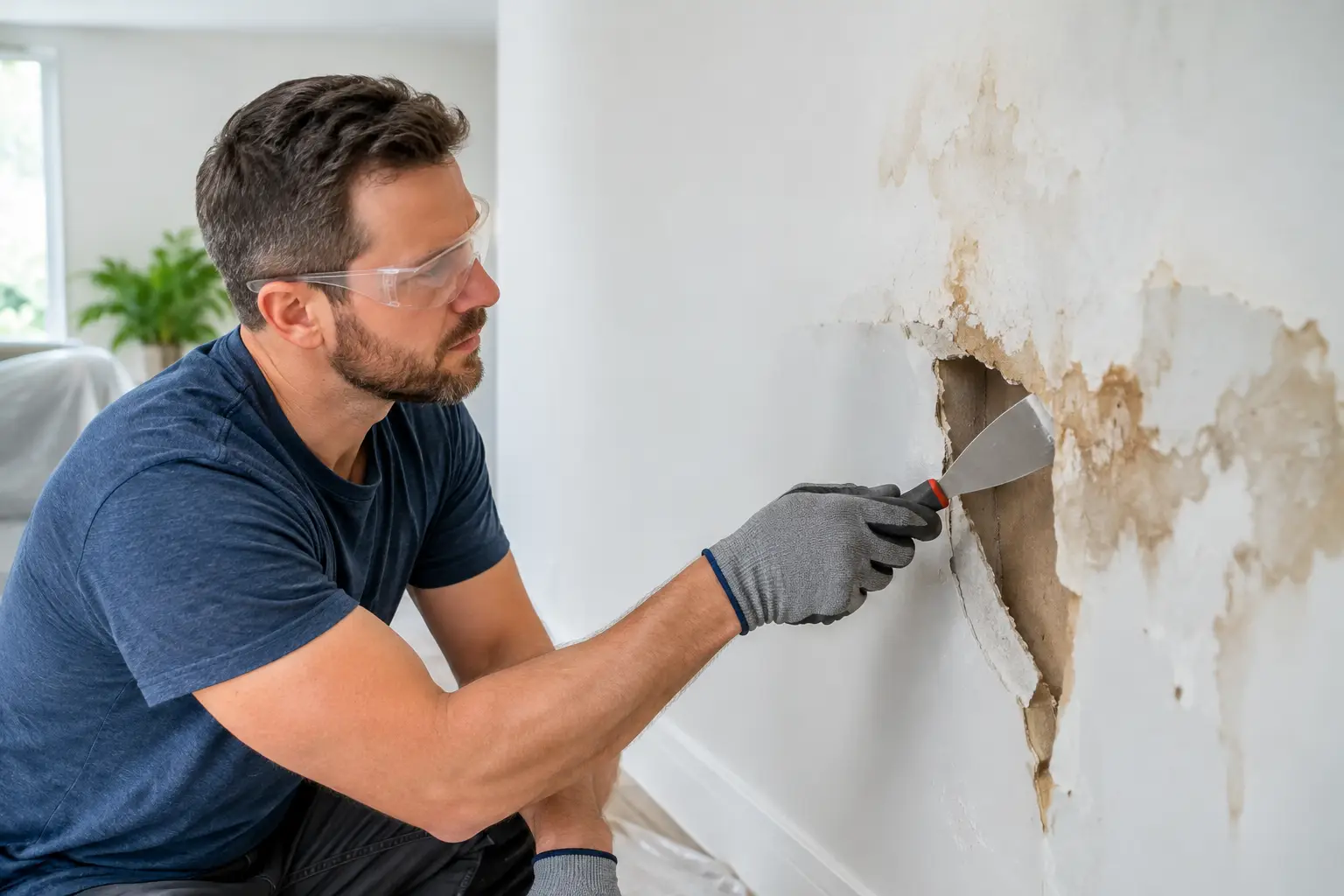
This matters especially on complex projects. A bathroom remodel may uncover hidden water damage. A foundation concern may require an inspection before cosmetic repairs can begin. An addition or ADU may require careful planning around utilities, drainage, setbacks, and local requirements. There is no value in a contractor who promises a simple answer before assessing the full picture.
Professional communication is also a measure of craftsmanship. Calls returned, changes documented, job sites kept orderly, and schedules discussed honestly are not extras. They are part of responsible construction management.
Check Experience That Matches Your Scope
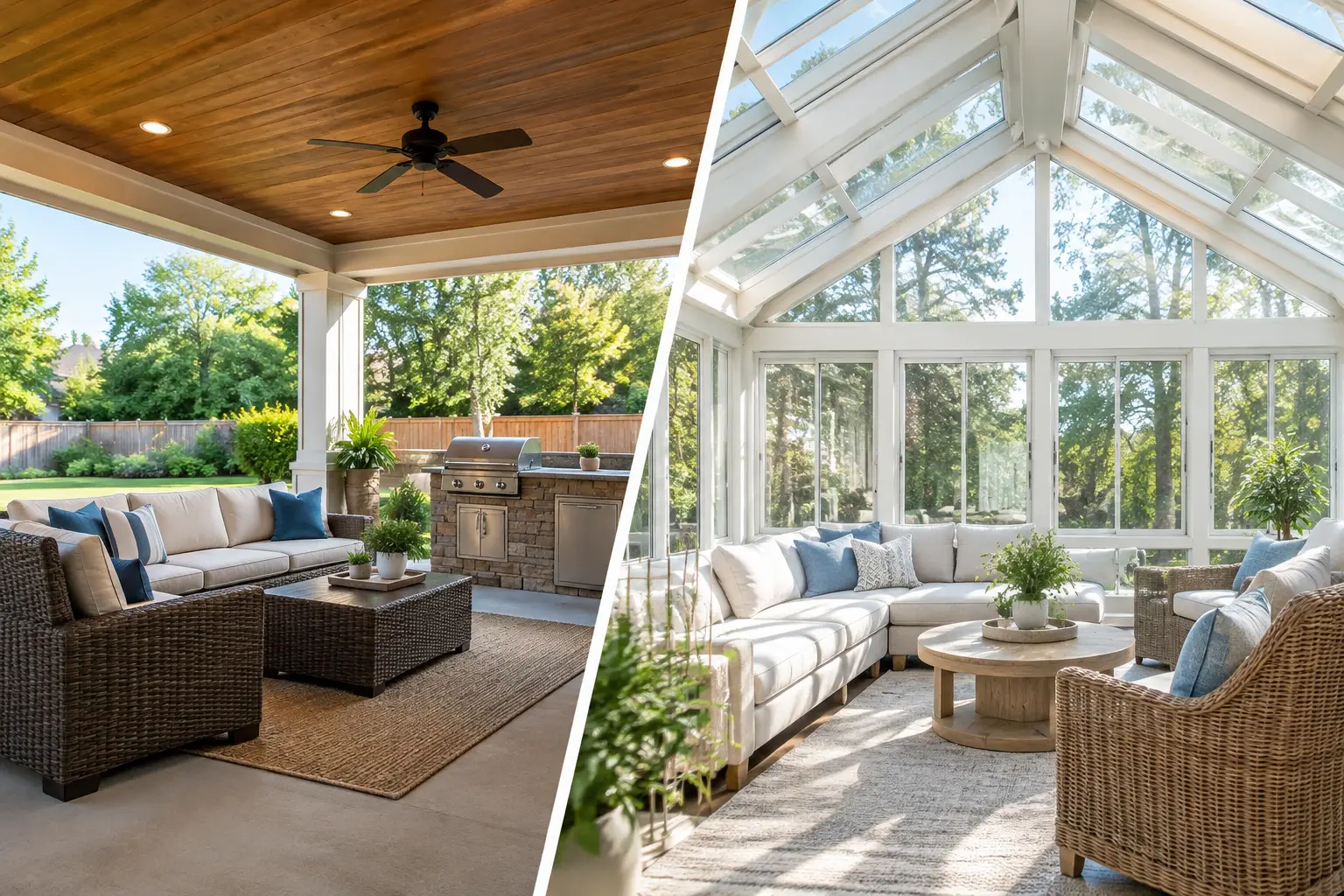
A contractor can be excellent at one kind of work and not be the right fit for another. Ask about projects similar to yours, not just general years in business. A company experienced in interior remodeling may approach an outdoor kitchen differently than one that regularly designs and builds patios, pergolas, drainage solutions, and weather-resistant exterior finishes.
For residential projects, relevant experience may include whole-home renovations, kitchens and baths, additions, custom new construction, ADUs, water remediation, structural foundation repair, insulation, and outdoor living spaces. For commercial clients, it may mean office updates, tenant improvements, warehouse retrofits, code-conscious renovations, and construction planned around ongoing operations.
Project photos can help you assess style and finish quality, but ask what happened behind the finished surfaces too. A beautiful room should be supported by sound framing, proper waterproofing, appropriate ventilation, carefully installed electrical and plumbing systems, and materials selected for the space. In Central Texas, durable construction often means planning for heat, moisture, shifting soil, and heavy use rather than choosing finishes based on appearance alone.
Ask Better Questions During the Consultation
A consultation should leave you more informed, not pressured. Use the meeting to understand how the contractor thinks, how projects are managed, and whether the working relationship feels right.
Ask who will be your main point of contact and how often you can expect updates. Find out whether the company handles planning, estimating, permits, scheduling, and trade coordination directly. Ask how change requests are priced and approved, and how unexpected site conditions are communicated before additional work begins.
It is also reasonable to ask about licensing and insurance appropriate to the work, trade partners, warranty practices, safety standards, and the expected payment schedule. For larger projects, discuss financing options early if they may help you achieve the right scope without compromising essential work.
Pay attention to the quality of the questions you receive in return. A contractor who asks about how your family uses the home, what you dislike about the current layout, your maintenance preferences, and your long-term plans is trying to build a solution around you. That is more valuable than a quick quote based on square footage alone.
Read Estimates for Scope, Not Just Totals
An estimate should make the work easier to understand. While every project has different levels of detail at the early planning stage, you should be able to identify the major components: demolition, structural work, materials, labor, allowances, permits, site protection, cleanup, and any exclusions.
Allowances deserve special attention. They are commonly used when final selections, such as tile, fixtures, appliances, or lighting, have not been made. An allowance is not automatically a problem, but it should be realistic for the level of finish you expect. If your vision includes custom cabinetry, natural stone, premium plumbing fixtures, or high-performance windows, make sure the budget reflects it.
You should also understand the difference between a renovation budget and a fixed-price agreement. Early budgets help establish feasibility. A detailed agreement should establish what is included, how modifications are handled, and when payments are due. Clarity protects both the property owner and the contractor.
Choose a Partner Who Plans for the Property’s Future
The best construction decisions create value beyond the day the project is complete. That may mean improving a home’s flow for a growing family, insulating an attic to reduce energy waste, correcting drainage before installing a new patio, or designing an ADU with future rental flexibility in mind.
For commercial properties, future-focused planning can reduce operational disruptions and support the way a team actually works. A well-designed retrofit is not just a cosmetic upgrade. It can improve comfort, organization, client perception, and the usable life of the building.
This is where an end-to-end approach matters. At NXT Construction Inc., projects are approached as tailored transformations, with planning and craftsmanship aligned to the client’s lifestyle, property needs, and investment goals. Whether the work involves a full remodel, a structural concern, or a new outdoor gathering space, the goal should be the same: a finished result that looks right, performs well, and lasts.
Trust the Process, Then Trust the Fit
Reviews and referrals are valuable, especially when they mention reliability, responsiveness, cleanliness, and how the contractor handled a challenge. Still, the final decision often comes down to fit. You are inviting a team into your home, business, or investment property for a project that may affect daily life for weeks or months.
Choose the contractor who is transparent about trade-offs, realistic about timing, and willing to explain the path forward. The right team will not treat your project as another job on the calendar. They will treat it as a meaningful improvement to the place where you live, work, gather, and build your future.
A thoughtful consultation is a practical next step: bring your ideas, questions, photos, and priorities, then look for the contractor who turns them into a clear plan you can feel confident building.