A cramped kitchen, a growing family, a long commute, or a home that no longer reflects your style can force a major question: remodeling versus moving house. For Central Texas homeowners, the answer is rarely as simple as comparing a renovation estimate with a listing price. Your equity, neighborhood, mortgage rate, property condition, and long-term plans all matter.
The right choice is the one that improves how you live while protecting the value of a meaningful investment. Sometimes that means transforming the home you already own. Other times, it means finding a property that better fits your next chapter.
Start With the Real Reason You Want Change
Before comparing numbers, define the problem your current home is creating. If you love your location but need a better kitchen, a dedicated office, another bedroom, or a more usable backyard, remodeling may solve the issue directly. A thoughtful addition, garage conversion, ADU, or outdoor living project can create room for family, guests, work, or rental income without asking you to leave the neighborhood you chose.
Moving can make more sense when the limitations are built into the property or location. A family that needs a different school district, a shorter drive, more land, or a one-story layout may be trying to solve a problem that a renovation cannot reasonably fix. No amount of upgraded finishes changes a lot that is too small, a road that is too busy, or a commute that drains your week.
Be specific about what is not working. “We need more space” can mean a larger pantry, a private home office, a second living area, or an entirely different floor plan. Those needs have very different price tags and construction paths.
Remodeling Versus Moving House: Compare the Full Cost
The purchase price of a new home is only part of the cost of moving. Homeowners also face agent commissions, lender fees, inspections, appraisal costs, title expenses, moving services, temporary storage, and the inevitable purchases that follow a move. A different home may also bring higher property taxes, insurance premiums, HOA fees, utility costs, or a larger maintenance burden.
Then there is the condition of the house you buy. Many buyers move to avoid renovation, only to find that the new property still needs paint, flooring, roof work, bathroom updates, drainage improvements, or a kitchen that does not match their needs. A move can exchange one project list for another.
A remodel has its own financial realities. The budget should include design, permitting, materials, labor, site protection, and a contingency for conditions discovered once construction begins. Older homes in the Austin area can reveal outdated wiring, plumbing issues, water damage, or foundation concerns behind walls and beneath floors. Addressing these items is not glamorous, but it protects the home and prevents cosmetic upgrades from sitting on top of unresolved problems.
The key is to compare complete scenarios, not headlines. Estimate the cost to buy, move, and personalize a new house, then compare it with the cost to repair, expand, and improve your current one. Also consider how each option affects your cash reserves and monthly payment. A homeowner with a favorable existing mortgage may find that a well-planned renovation offers far more value than replacing that loan at a higher rate.
When Remodeling Is Usually the Stronger Choice
Remodeling tends to make sense when you have equity, enjoy your location, and need targeted improvements rather than a total lifestyle reset. It can be especially compelling for homeowners in established Austin, Cedar Park, Leander, Georgetown, Lakeway, and Liberty Hill neighborhoods where the community, schools, and nearby amenities are already a strong fit.
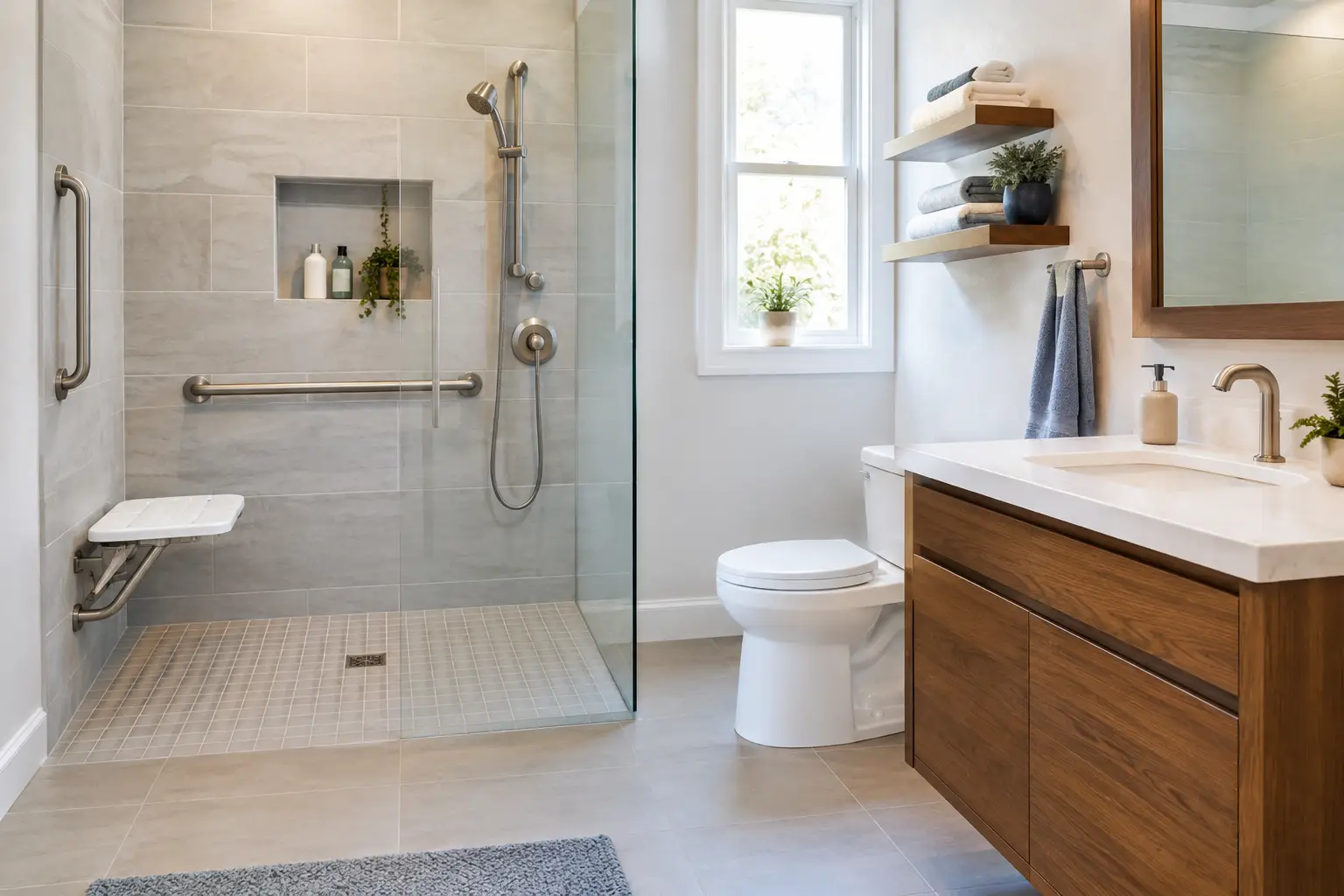
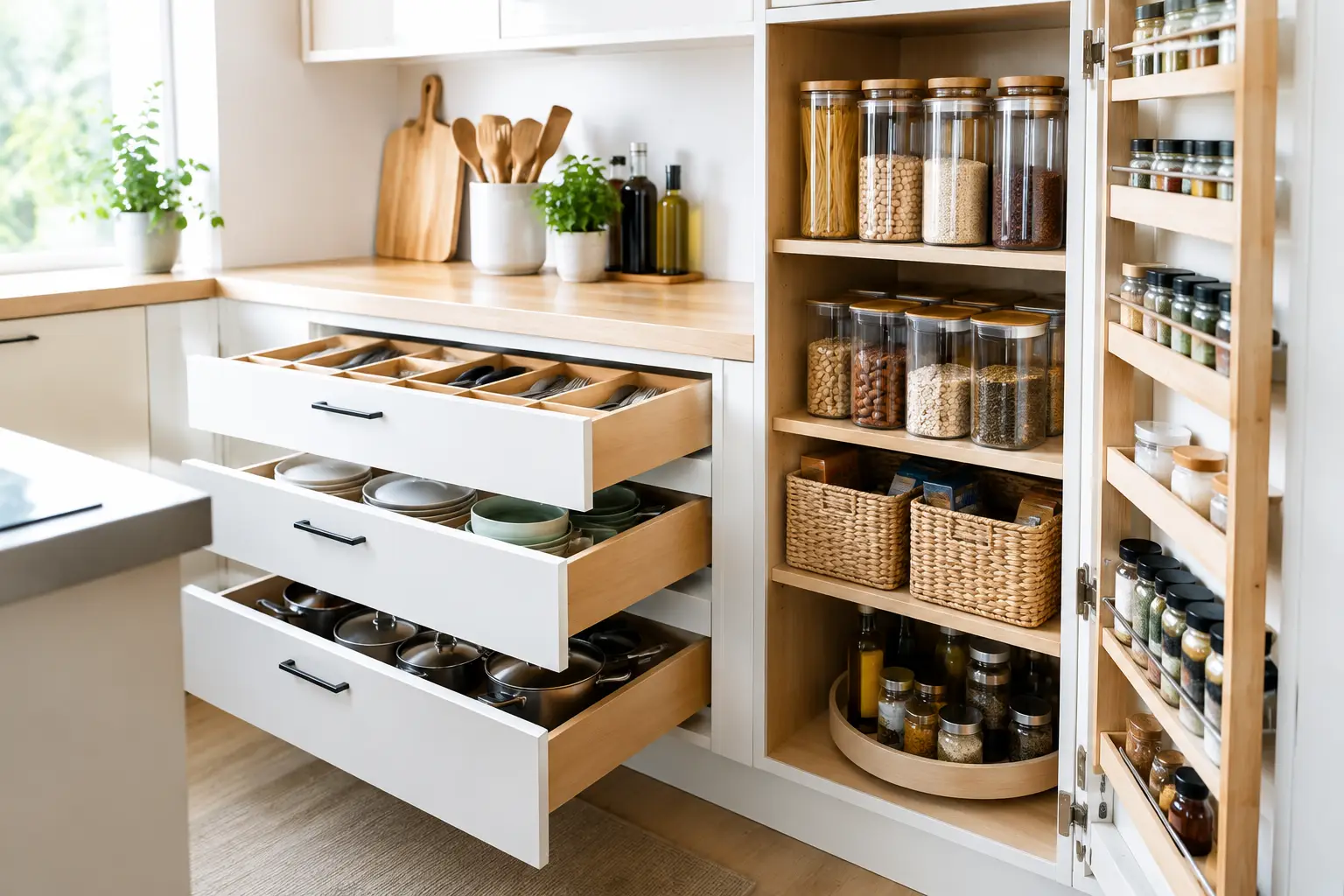
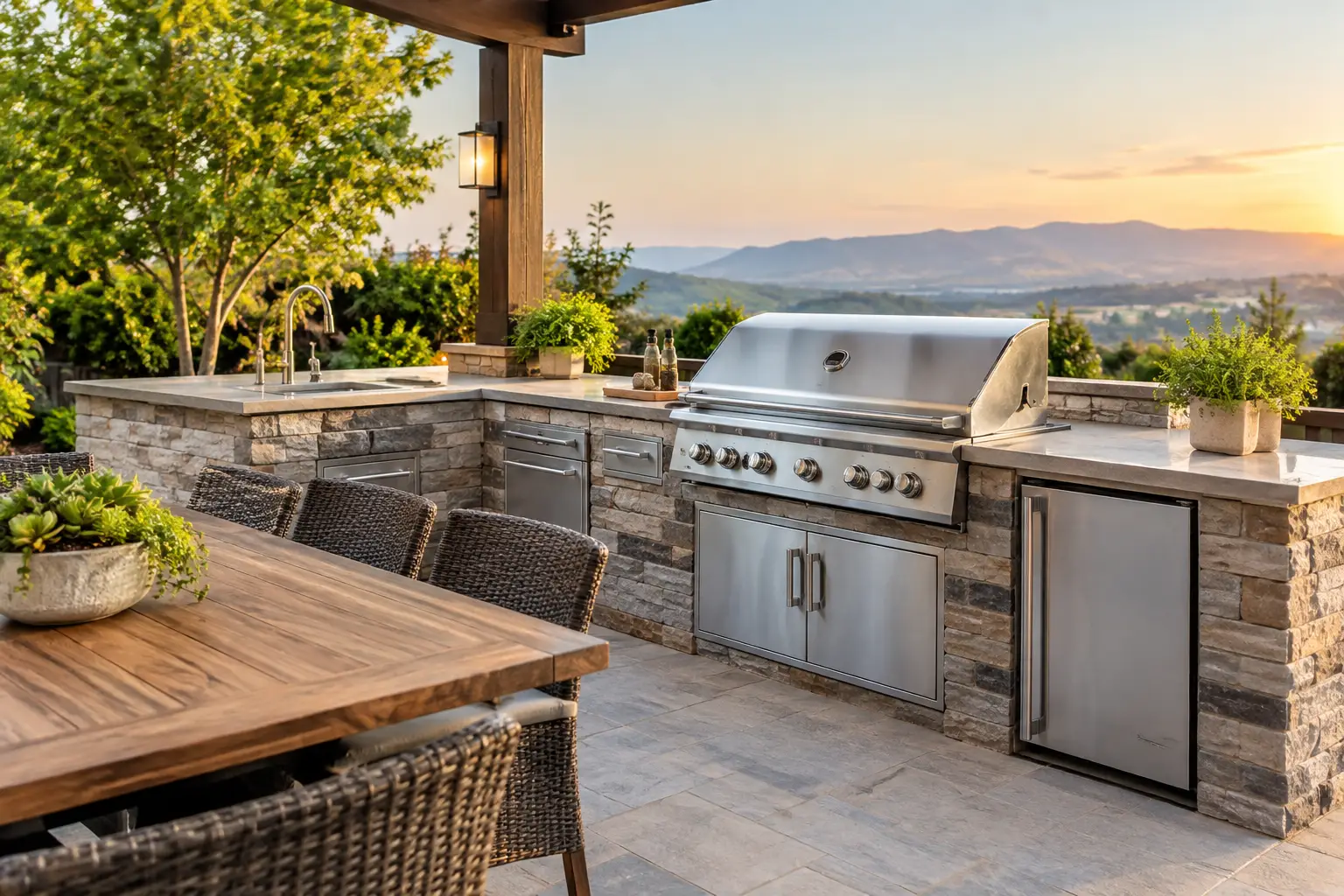
A kitchen remodel can improve daily routines and make entertaining easier. A bathroom renovation can add comfort, accessibility, and resale appeal. A room addition can give teenagers privacy, make multigenerational living more comfortable, or create a practical office for a remote professional. Outdoor kitchens, covered patios, pergolas, and concrete improvements can turn unused yard space into a setting for family life.
An ADU deserves special consideration in Central Texas. For some owners, it can provide a private suite for relatives, a guest space, a home office, or income potential. It is not the right solution for every lot or budget, but it can add flexibility that moving may not provide.
Remodeling also gives you control. Instead of accepting another owner’s layout and design choices, you can select finishes, storage solutions, lighting, insulation, and features that support the way your household actually lives. Quality construction should look good on completion day and continue performing through years of use.
Do Not Remodel Around a Serious Structural Issue
A renovation should begin with an honest assessment of the property. Foundation movement, drainage problems, water intrusion, roof damage, or significant deterioration can change the scope and economics of a project. These issues do not automatically mean you should sell, but they should be understood before finalizing plans for a kitchen, addition, or interior transformation.
A professional inspection and clear construction plan help separate a manageable repair from a costly unknown. In many cases, correcting the underlying issue first creates a stronger, safer home and protects the value of every improvement that follows.
When Moving May Be the Better Investment
Moving may be the wiser choice if your ideal renovation would require so many changes that it effectively becomes a rebuild. Expanding a severely constrained footprint, reworking a poor floor plan across multiple levels, or trying to force a home into a use it cannot support can lead to expensive compromises.
It may also be time to move when the neighborhood no longer serves your needs. A growing household may need access to different schools or recreational space. An empty nester may prefer a smaller, lower-maintenance property. A business owner or frequent traveler may prioritize location and convenience over a larger house. These are life decisions first and real estate decisions second.
Still, avoid assuming that a newer or larger home will remove every frustration. Walk through prospective properties with the same critical eye you apply to your own. Consider storage, natural light, traffic flow, maintenance needs, flood and drainage conditions, outdoor usability, and whether the home has room to adapt as your needs change.
Look Beyond Resale Value
Resale value matters, but it should not be the only measure of success. A home is where routines happen: weekday breakfasts, remote meetings, holidays, recovery after long days, and time with the people who matter most. A renovation that makes those moments easier can deliver value long before a future sale.
That said, smart remodeling respects the market. Overbuilding for the neighborhood, choosing highly personal layouts, or sacrificing bedrooms for a niche use can limit buyer appeal later. The strongest projects balance personal priorities with durable design, practical functionality, and materials that hold up in Central Texas heat, storms, and everyday wear.
A skilled construction partner can help identify where investment is likely to improve livability and where a simpler solution may be more responsible. That level of planning is particularly important for additions, structural work, water remediation, and projects involving multiple trades.
Make the Decision With a Clear Project Plan
If remodeling is on the table, begin with a realistic consultation rather than a rough online estimate. Discuss what you want to change, what must remain functional during construction, your target investment, and the timeline that works for your household. Ask about design decisions, permits, material lead times, site protection, and how unforeseen conditions are handled.
At NXT Construction Inc., the goal is not to push every homeowner toward a larger project. It is to help property owners make confident decisions, then deliver a tailored transformation with accountable communication and craftsmanship. A clear scope, thoughtful design, and quality execution can turn an aging or undersized home into a place that supports the life you want to build.
If moving still appears to be the better path, carry the same clarity into your home search. Know which needs are nonnegotiable, which updates you are willing to take on, and what the true monthly and long-term costs will be.
The best choice is the one that gives your household more room to live well, not simply a different address or a longer project list.