A backyard can look spacious on a property survey and still go unused for most of the year. Central Texas heat, abrupt storms, intense sun, uneven grades, and limited shade can turn a promising outdoor area into a place you pass by rather than enjoy. Finding an outdoor living contractor near me is about more than adding pavers or a pergola. It is about creating a durable extension of your home that works for your family, your property, and the way you actually live.
For some homeowners, that means a covered patio with a built-in grill and space for game-day guests. For others, it means a quiet courtyard, an outdoor gym, a poolside kitchen, or a shaded place where kids can eat, play, and gather. The right contractor brings those ideas together with practical planning, quality materials, and accountable construction management.
Start With How You Want to Use the Space
Before comparing contractors, get clear about the role your outdoor space should play. A beautiful patio that is too small for your usual gatherings or faces the afternoon sun without protection will not deliver the experience you expected.
Think about the people who will use it and what happens there most often. A family that hosts large weekend cookouts needs different circulation, seating, and food-prep space than a remote professional seeking an open-air workout area. Homeowners with aging parents may prioritize a smooth, accessible path from the house to a covered seating area. A Lakeway property with a view may call for a design that frames the landscape without blocking it.
This early clarity also helps establish priorities. You may want an outdoor kitchen, fireplace, pergola, patio cover, lighting, privacy screening, drainage improvements, or a combination of features. Not every project needs everything at once. A capable contractor can help you phase the work so the first investment supports future upgrades rather than creating expensive rework later.
What an Outdoor Living Contractor Near Me Should Evaluate
Local experience matters because outdoor construction is closely tied to site conditions. The best concept on paper can fail in the field if drainage, soil movement, utility locations, structural connections, or local permitting requirements are treated as afterthoughts.
During an initial assessment, a contractor should look beyond the square footage of the backyard. They should evaluate the grade of the lot, water flow around the home, existing concrete, access for equipment, sun exposure, mature trees, utility lines, and how the proposed structure connects to the house. In Central Texas, that conversation should also account for heat, wind, seasonal rain, and materials that can hold up under demanding conditions.
For example, a patio cover may require more than setting posts and attaching a roof. The contractor needs to consider proper footings, roof tie-ins, electrical needs for fans and lighting, gutter routing, and how added runoff will move away from the foundation. An outdoor kitchen needs thoughtful gas, electrical, plumbing, ventilation, countertop, and appliance planning. Details like these determine whether the finished space feels polished and performs well over time.
A free inspection or consultation is valuable when it includes real questions and practical observations, not just a quick estimate. You should leave the conversation with a better understanding of what is possible, what may complicate the build, and where your investment will have the greatest impact.
Look for Design Thinking and Construction Discipline
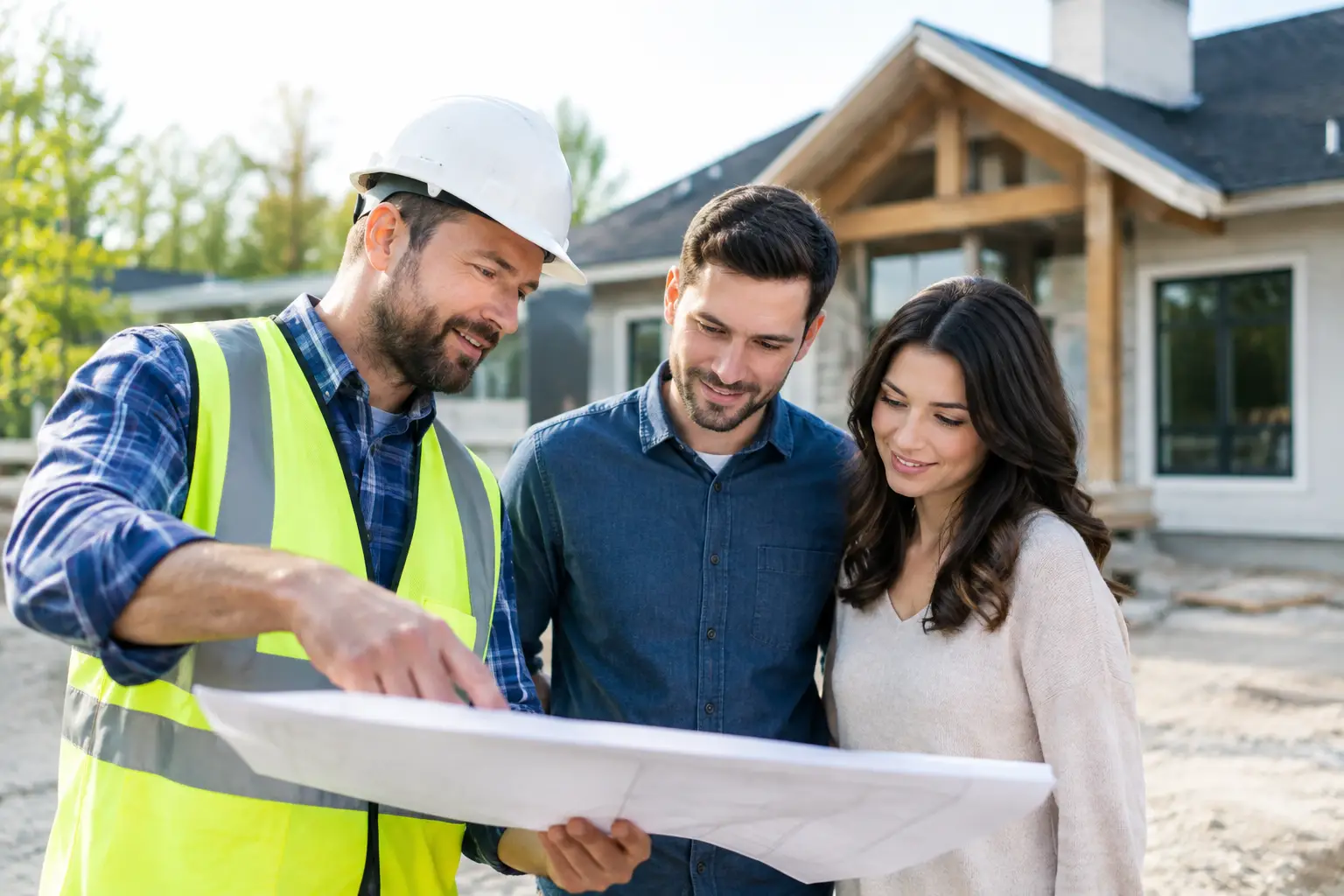
Outdoor projects sit at the intersection of design and construction. You want a contractor who can discuss finish selections and visual style, but also explain structural work, installation methods, sequencing, and durability.
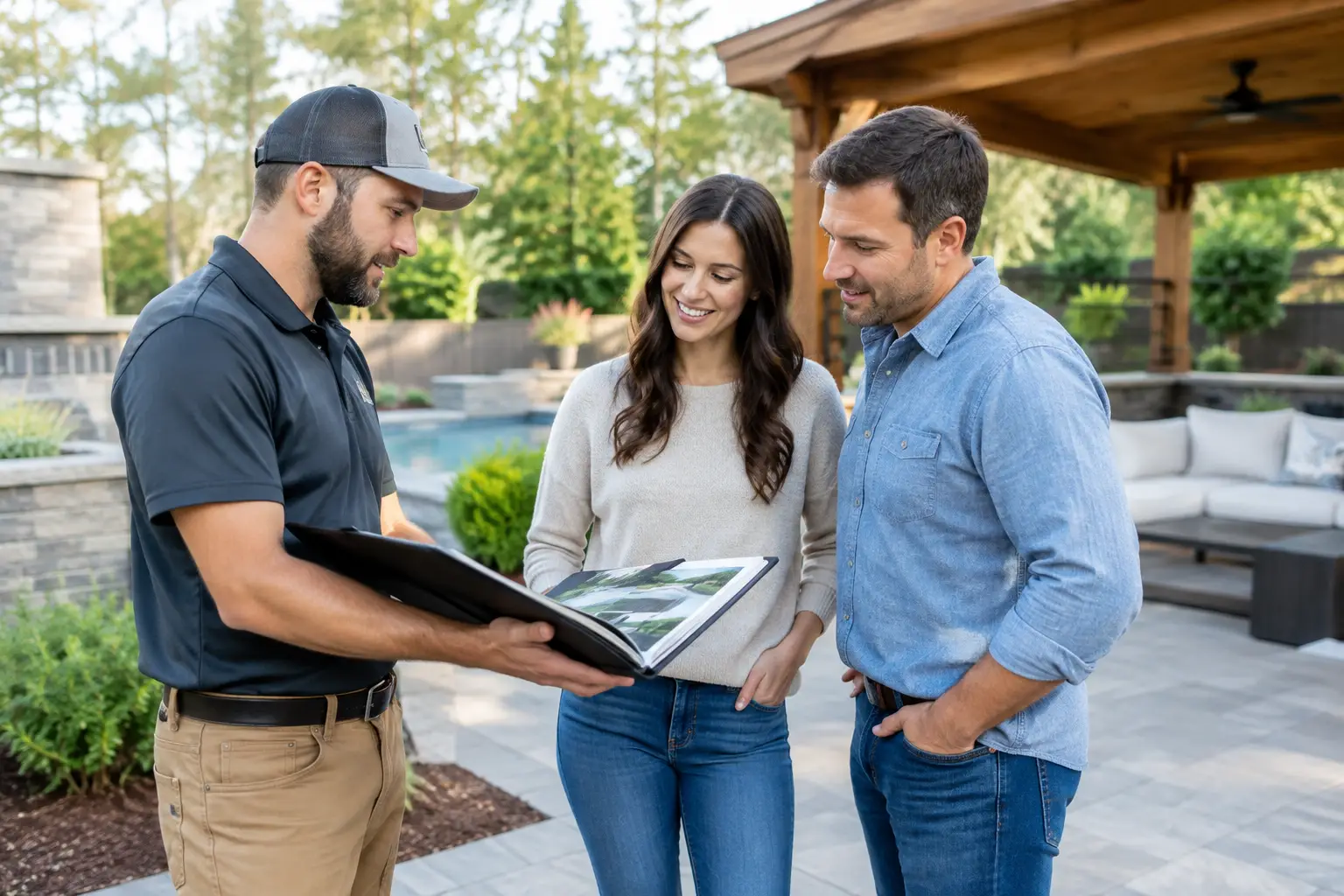
Ask to see examples of completed patios, pergolas, kitchens, hardscapes, and other exterior improvements that resemble your goals. Look beyond the wide-angle photos. Notice transitions between the house and patio, alignment of materials, trim details, drainage solutions, lighting placement, and the overall proportion of the structures. Craftsmanship often shows up in the edges and connections that are easy to overlook at first glance.
It also helps to ask how the contractor manages changes. Construction projects can reveal unknown conditions once work begins, especially on older properties or lots with prior additions. A reliable partner will communicate what was found, explain the options, document the cost and schedule implications, and help you make a sound decision. Surprises are not always avoidable. Silence, vague answers, and rushed decisions are.
At NXT Construction Inc., outdoor living projects are approached as tailored property transformations, with planning that connects your aesthetic goals to function, budget, and long-term performance.
Compare Proposals by Scope, Not Just Price
The lowest number on an estimate can be tempting, especially when several bids appear to describe the same project. But outdoor living proposals are rarely identical. One may include demolition, drainage work, electrical, permits, upgraded framing, finish materials, and cleanup, while another may leave those items unclear or exclude them entirely.
A useful proposal should define the scope in plain language. It should identify the major materials, dimensions or allowances, anticipated construction steps, payment schedule, and any assumptions that could affect the price. If a contractor uses allowances for stone, appliances, fixtures, or finishes, make sure you understand what those allowances realistically cover.
Be especially careful with vague phrases such as “complete patio package” or “standard outdoor kitchen.” Ask what standard means. Does it include utility connections? What type of countertop is included? Are lighting, ceiling fans, drainage, and paint or stain part of the price? Who coordinates inspections if they are required?
Price matters, but value comes from a project that is properly planned, clearly managed, and built to last. A higher upfront investment can be the better decision when it prevents water problems, avoids premature repairs, improves daily use, and adds meaningful appeal to the property.
Ask How the Project Will Be Managed
An outdoor renovation affects your daily routine. There may be noise, dust, equipment access, temporary utility interruptions, or periods when part of the yard is unavailable. Strong project management makes that disruption more predictable.
Ask who your primary point of contact will be, how often you will receive updates, and how questions are handled during construction. You should also understand the projected schedule, the order of work, and what conditions could change the timeline. Weather can affect exterior work, but a professional contractor should still communicate clearly about schedule adjustments and next steps.
For larger projects, coordination is particularly important. A patio cover, kitchen, fireplace, pool-adjacent hardscape, and landscaping may involve several trades. The work needs to happen in the right sequence so that utilities are placed before concrete is poured, structures are complete before finishes go in, and final details are not compromised by later work.
Responsiveness is not a luxury. It is part of protecting your investment. Choose a contractor who treats communication, jobsite organization, and follow-through as part of the craftsmanship.
Plan for Texas Weather, Maintenance, and Future Value
The most appealing outdoor spaces feel effortless because the difficult decisions were handled before construction started. Shade, airflow, durable surfaces, drainage, and lighting all influence whether a patio is comfortable at 2 p.m. in July or useful after a spring storm.
Material choices should match the environment and your willingness to maintain them. Natural wood can bring warmth and character, but it may need regular sealing or staining. Metal and composite options can reduce maintenance, though their appearance, cost, and heat retention vary. Stone, concrete, tile, and pavers each have different strengths for traction, drainage, repairability, and visual style.
There is no single best choice for every property. A modern Cedar Park home may suit a clean-lined covered patio with concrete and steel accents. A Georgetown home with a more traditional exterior may benefit from stonework and warm wood tones. The goal is to create a space that belongs to the home rather than looking like an add-on.
If resale value is part of your decision, focus first on usability and quality. Buyers respond to outdoor spaces that feel complete, intentional, and easy to maintain. A well-built covered living area or kitchen can make a property more memorable, but only when the layout, materials, and workmanship support the home as a whole.
Make the First Conversation Count
Bring inspiration photos, a rough budget range, and an honest list of priorities to your consultation. Share what frustrates you about the current yard, how you want the new space to feel, and what future improvements you may want to add. The more clearly a contractor understands your lifestyle, the better they can guide the design and construction plan.
The right outdoor living partner will not push a one-size-fits-all package. They will help you weigh the trade-offs, identify the details that protect the project, and build a space that gives your property a stronger purpose. When your backyard starts supporting the life you want to live at home, it becomes more than an upgrade. It becomes one of the places people want to be.