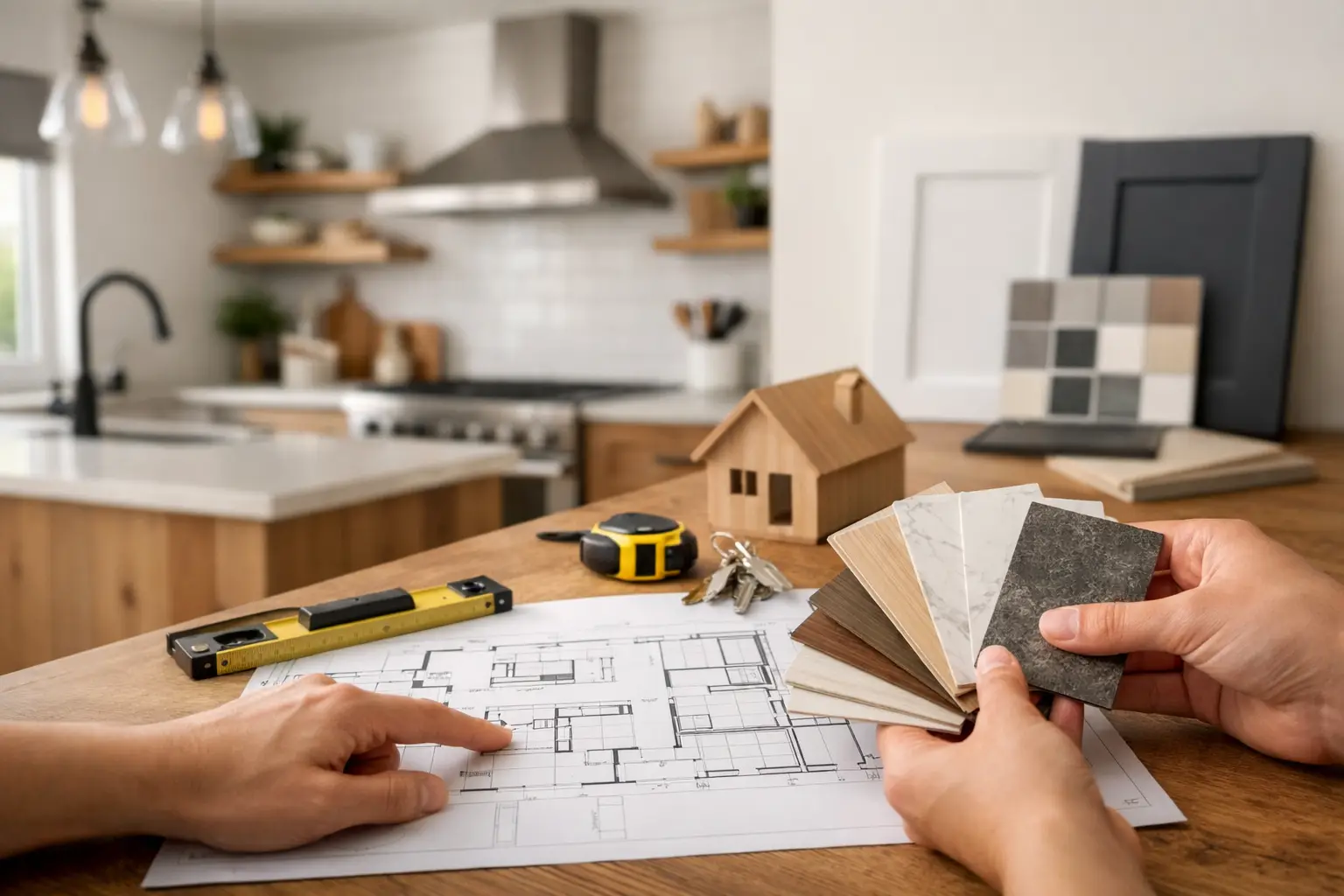
A kitchen that bottlenecks the morning routine, hides valuable storage in awkward corners, or isolates the cook from the rest of the home eventually becomes more than an inconvenience. It affects how your family gathers, how you entertain, and how you feel about the home you have worked hard to build. When you search for kitchen remodeling near me, you are not just looking for new cabinets or countertops. You are looking for a local partner who can turn daily frustrations into a space that feels personal, durable, and built for Central Texas living.
What “Kitchen Remodeling Near Me” Should Really Mean
A nearby contractor should offer more than a convenient service area. Local experience matters because Austin-area homes come with distinct opportunities and constraints. A 1980s Cedar Park kitchen may need a smarter layout and updated electrical capacity. A Lakeway home may call for refined finishes that complement the rest of the property. A growing family in Leander or Liberty Hill may need a larger island, a walk-in pantry, and room for several people to move through the kitchen at once.
The right remodeling partner understands how local building requirements, permitting, subcontractor coordination, material availability, and regional design preferences affect the schedule and budget. They should also be close enough to remain accountable throughout the job, not disappear after a deposit is paid or leave you coordinating multiple trades on your own.
A quality remodel begins with listening. Before discussing tile samples or appliance brands, a contractor should ask how you use the room. Do you cook every night? Host holidays? Need a dedicated coffee station for busy work-from-home mornings? Want easier access for aging parents or young children? Those answers shape decisions that make the finished kitchen work better for years, not just photograph well on installation day.
Start With Function, Then Build the Look Around It
The most successful kitchens balance visual impact with a practical plan. Homeowners often begin with inspiration images, and those are useful for defining a style. But a beautiful kitchen can still disappoint if the refrigerator door blocks the main walkway, the island is too large for the room, or there is no landing space near the oven.
Start by identifying what is not working now. Perhaps you need more prep area, better lighting, storage that does not require crouching, or a layout that opens the kitchen to the living room. This conversation helps establish whether your project is primarily a cosmetic renovation or a more involved transformation that includes walls, plumbing, electrical work, flooring, or structural changes.
A few design choices repeatedly deliver practical value. Deep drawers make pots, pans, and small appliances easier to reach than lower cabinets with fixed shelves. Layered lighting – task lighting for preparation, ambient lighting for the room, and accent lighting where appropriate – improves both safety and atmosphere. An island can become the center of family life, but only if it leaves enough clearance for traffic and appliance access.
Open shelving, oversized statement pendants, and dramatic natural stone can be excellent choices when they fit your lifestyle. They also involve trade-offs. Open shelves require frequent styling and cleaning. Natural stone needs maintenance and may show wear differently than engineered surfaces. Your contractor should explain those realities clearly, then help you choose materials that match your priorities instead of pushing a one-size-fits-all package.
Plan for the Work Behind the Walls
Kitchen remodeling is often more complex than homeowners expect because the most important upgrades may not be visible. Older homes can require electrical updates for modern appliances, new lighting, and added outlets. Moving a sink or range may require plumbing and ventilation changes. If your plans involve opening a wall, the project may need structural evaluation and a properly engineered solution.
This is where experienced project management protects your investment. A responsible contractor evaluates existing conditions before construction begins, identifies likely risks, and builds a realistic scope. No remodel is completely free of surprises, particularly in older homes, but clear planning reduces avoidable change orders and gives you a better path forward if an issue is uncovered.
How to Compare Local Kitchen Remodeling Contractors
The first contractor who returns your call is not always the right fit. A kitchen remodel affects your routine, your budget, and a major part of your property value. Give yourself room to compare proposals, communication styles, and project processes.
Look beyond a single bottom-line price. A lower estimate can omit demolition, permits, electrical work, finish allowances, debris removal, or project supervision. Ask each contractor what is included, what is considered an allowance, and what conditions could change the cost. Clear answers early create fewer surprises later.
You should also ask who will manage the work every day. Will there be a dedicated point of contact? How will schedule updates be shared? Who coordinates plumbers, electricians, cabinet installers, painters, and countertop fabricators? A well-run project has a clear chain of communication, defined milestones, and a team that treats your home with respect.
Experience should be visible in the details. Review completed projects that resemble your scope and style. Ask about finish quality, cabinet alignment, tile layout, ventilation, lighting placement, and how the contractor handles protection of adjacent rooms. Craftsmanship is not limited to what you see from across the kitchen. It shows in clean transitions, thoughtful measurements, and systems that operate correctly after the crew leaves.
For Central Texas homeowners, NXT Construction Inc. brings a client-partnership approach to kitchen remodeling, combining design-minded planning with practical construction execution. The goal is not simply to replace finishes, but to create a kitchen that supports your lifestyle, respects your budget, and adds long-term confidence to your home.
Set a Budget That Supports Your Priorities
A kitchen remodel can range from targeted updates to a complete reconfiguration. The right investment depends on your home, your goals, and how long you plan to stay. If you are preparing a property for sale, strategic updates such as refreshed cabinetry, durable countertops, improved lighting, and modern hardware may offer the strongest return. If this is your long-term home, it may be worth investing more in layout changes, high-performance appliances, custom storage, and materials that fit your daily habits.
Separate your must-haves from your nice-to-haves before final selections begin. A functional layout, sound plumbing and electrical systems, quality cabinetry, and durable work surfaces usually deserve priority over decorative upgrades. That does not mean you must sacrifice style. It means the visible details should rest on a reliable foundation.
Keep a contingency reserve for unknown conditions, especially if the home is older or the project involves moving walls and utilities. Your contractor can help establish an appropriate amount based on the scope. Financing can also make a larger transformation more manageable, but it should support a clear plan rather than encourage rushed decisions.
Choose Materials for Real Life in Texas
Central Texas kitchens work hard. They handle busy households, gatherings with friends, summer traffic from the patio, and plenty of natural light. Material choices should account for that use.
Quartz is a popular option for homeowners seeking consistent color, low maintenance, and everyday durability. Natural stone delivers distinctive character but needs care suited to the specific material. Cabinet finishes should be selected with lighting, cleaning habits, and wear in mind. Flooring should stand up to spills, pets, and regular foot traffic while fitting the style of adjoining spaces.
Energy-efficient appliances and LED lighting can reduce ongoing utility use, while thoughtful ventilation helps manage heat, moisture, and cooking odors. Sustainable choices can be practical as well as responsible, whether that means selecting long-lasting materials, improving insulation during adjacent work, or choosing products with lower maintenance demands.
What a Well-Managed Kitchen Remodel Feels Like
Construction will disrupt your routine for a period of time. Honest contractors do not pretend otherwise. The difference is preparation and communication. Before work begins, you should understand the anticipated sequence: design and selections, permitting if required, demolition, rough-in work, inspections, cabinet installation, countertops, finish work, and final walkthrough.
A professional team helps you prepare a temporary kitchen setup, protect nearby areas, and plan around key installation days. They communicate when decisions are needed and explain any field conditions in plain language. You should never have to guess whether work is progressing or who is responsible for the next step.
The finished space should feel intentional from every angle. It should welcome conversation without crowding the cook, make storage easier, provide the right light at the right time, and reflect the character of the rest of your home. That is the standard worth pursuing when choosing a kitchen remodeling contractor near you.
Your kitchen is where ordinary weekdays, celebrations, late-night conversations, and family traditions happen. Choose a local construction partner who treats that space as the meaningful investment it is, then build a room that makes daily life feel better from the moment you walk in.