A remodel can change the way your home works every day. The right home remodeling contractor helps you turn an outdated kitchen, cramped bathroom, unused patio, or underperforming floor plan into a space that feels intentional, durable, and built around your life. The wrong fit can leave you managing unclear expectations, rushed decisions, and expensive changes after construction has already begun.
For Central Texas homeowners, choosing a contractor is about more than comparing estimates. It is about finding a construction partner who understands your property, listens to your goals, communicates clearly, and has the experience to manage every moving part of the project with care.
Start With the Life You Want Your Home to Support
Before meeting with contractors, get specific about what is not working now and what success looks like when the project is complete. A kitchen renovation may be about more than new cabinets. Perhaps your family needs room to gather, better traffic flow for entertaining, storage that eliminates countertop clutter, or appliances that make weekday meals easier.
The same thinking applies to additions, bathroom remodels, ADUs, and outdoor living projects. A growing family may need a private suite for relatives. A remote professional may need a quiet office that is separate from daily household activity. A homeowner in Lakeway or Georgetown may want a covered patio and outdoor kitchen that make the most of the property year-round.
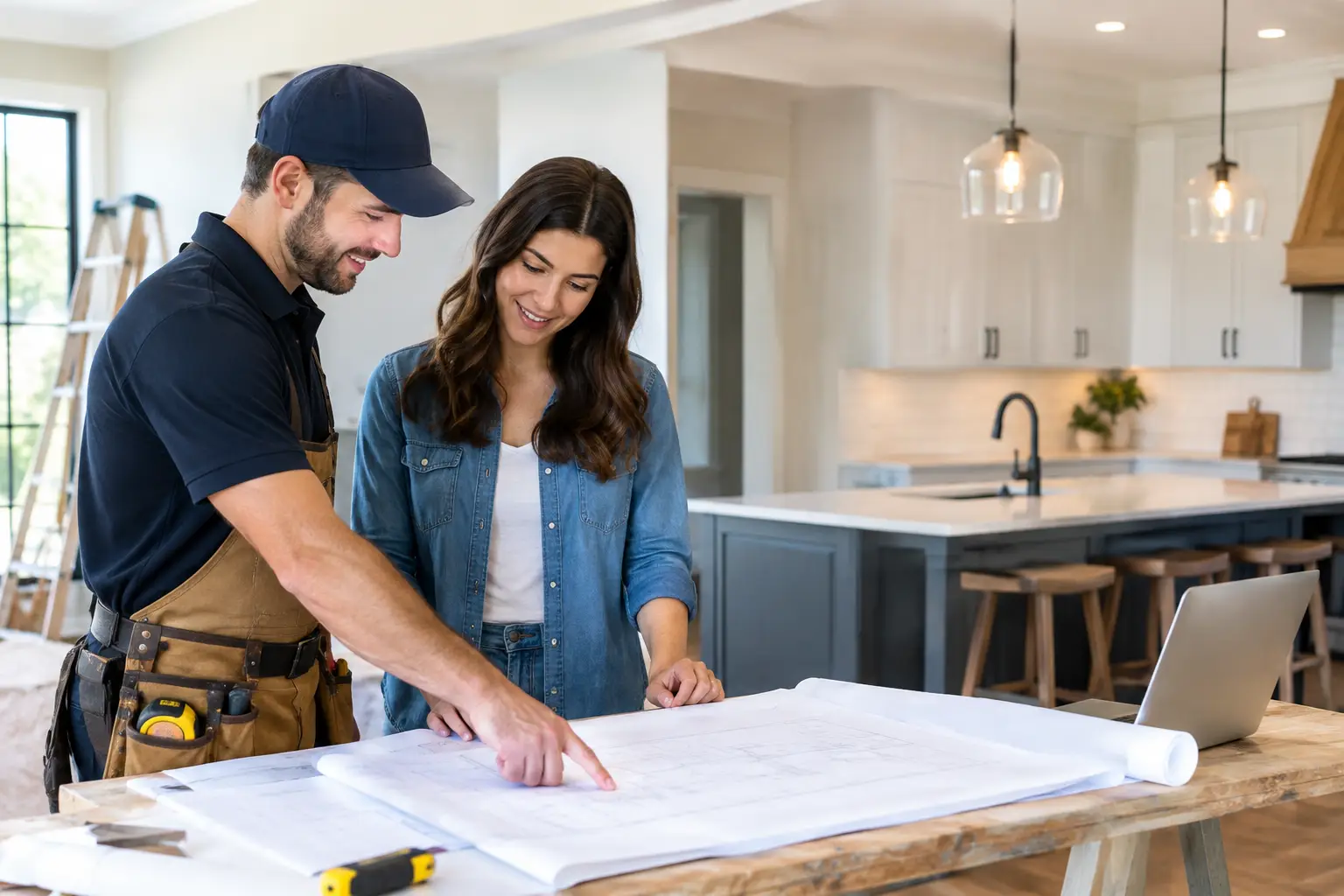
A strong contractor will ask questions that go beyond finishes and square footage. They should want to understand how you live in the space, what you value most, where the property has limitations, and how the investment should serve you over time. This early conversation shapes better design decisions and prevents a project from becoming a collection of disconnected upgrades.
Look for a Home Remodeling Contractor With Relevant Experience
Not every contractor is equipped for every type of work. Painting a room, replacing flooring, building an addition, repairing a foundation, and converting a garage into an ADU each require different levels of planning, coordination, code knowledge, and technical skill.
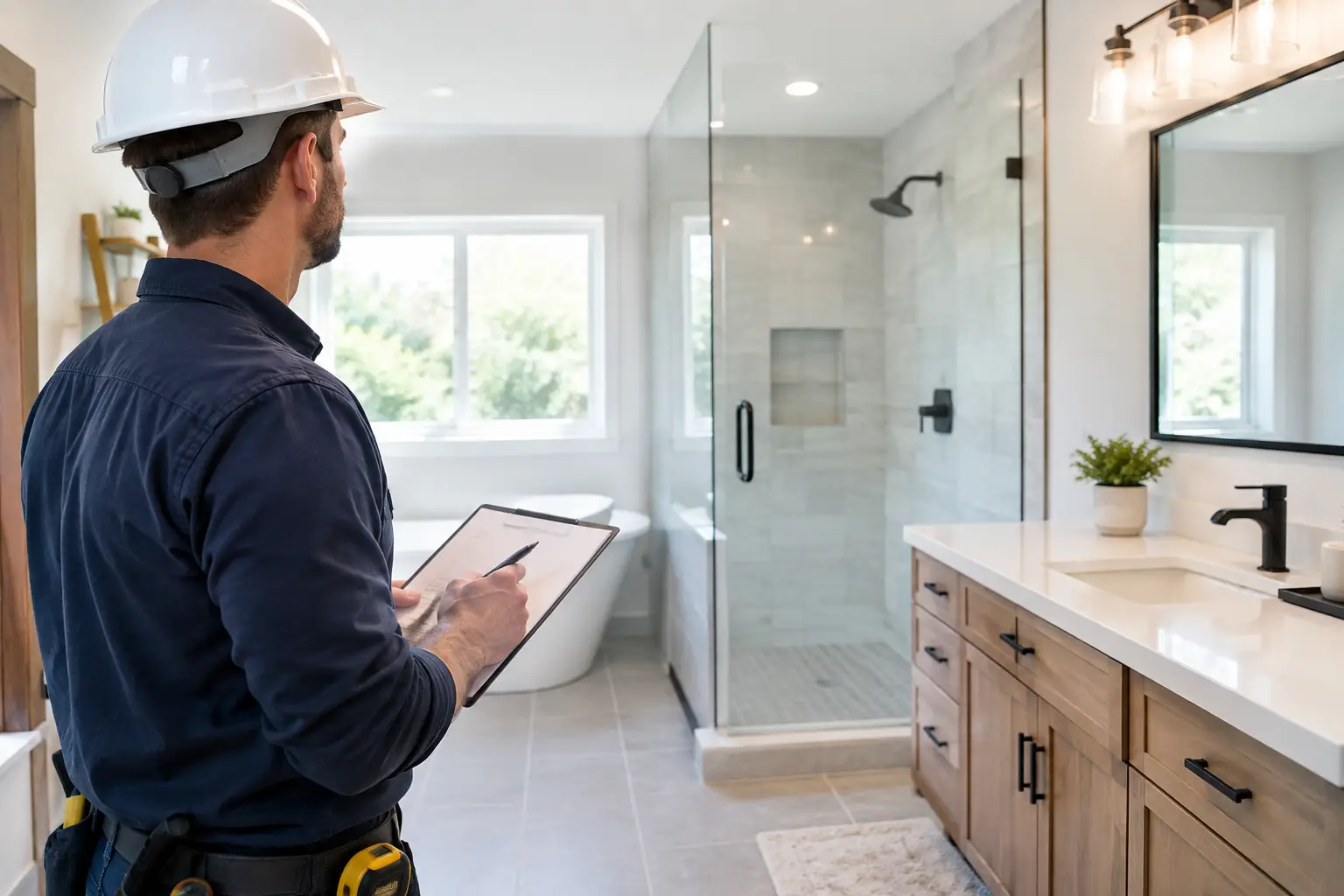
Ask potential contractors about projects similar to yours. If you are remodeling a kitchen, look for experience with layout changes, plumbing and electrical coordination, cabinetry, ventilation, lighting, and finish installation. If you are planning an addition, ask how they approach structural connections, foundation work, rooflines, permits, and matching the existing home.
For properties with visible cracks, moisture concerns, storm damage, or uneven floors, it is wise to address the underlying condition before investing in cosmetic updates. Water remediation, foundation repair, insulation, and drainage work may not be the most glamorous part of a remodel, but they protect the finished space and the value of your investment.
Local experience matters, too. Central Texas homes face intense heat, shifting soils, heavy rain events, and fast-changing community requirements. A contractor familiar with Austin, Cedar Park, Leander, Liberty Hill, and surrounding areas can help anticipate issues that affect materials, construction methods, and permitting timelines.
Evaluate the Process, Not Just the Price
A low estimate can be appealing, especially when a renovation already represents a significant investment. But price alone rarely tells you whether the scope is complete, the materials are comparable, or the contractor has allowed enough time and labor to do the work correctly.
A detailed proposal should explain what is included, what is excluded, the expected project phases, and how changes will be handled. It should distinguish between confirmed costs and allowances for items such as tile, fixtures, appliances, or specialty finishes. If two bids are far apart, do not assume one contractor is simply more expensive. Compare the scope line by line.
The best value is often found in a well-managed process. Clear planning can reduce costly surprises. Experienced trade coordination can prevent rework. Quality installation can extend the life of finishes and systems. A remodel that performs well for years is usually a better investment than one that looks good at final walkthrough but begins needing repairs soon after.
Questions Worth Asking Before You Sign
Ask who will manage your project day to day and how often you can expect updates. Find out whether the contractor handles design support, permits, material coordination, inspections, and subcontractor scheduling. You should also understand their process for change orders, payment milestones, site protection, cleanup, and warranty support.
Pay attention to how the team answers. Direct, thoughtful answers are a good sign. Vague promises, pressure to commit immediately, or reluctance to put scope details in writing should prompt more questions. Construction can involve unexpected conditions, especially in older homes, but a professional contractor explains the possibilities upfront and brings solutions rather than confusion.
Communication Is a Construction Essential
Homeowners often remember communication as clearly as they remember the finished work. You are trusting a team with your home, schedule, budget, and daily routine. That calls for a contractor who is responsive before the contract is signed and remains accountable after demolition begins.
During your initial consultation, notice whether the contractor listens carefully or rushes toward a generic recommendation. Do they explain options in plain language? Do they respect your budget while being honest about what it will realistically achieve? Are they willing to discuss trade-offs, such as choosing durable mid-range materials so you can preserve funds for a layout improvement that delivers more long-term impact?
There is no single best remodeling path for every property. A full renovation may make sense for a home with multiple outdated systems and a poor layout. In another case, targeted upgrades to the kitchen, primary bath, flooring, lighting, and exterior may deliver the desired transformation without the disruption of a whole-home project. A trusted partner helps you make that distinction.
Plan for Durability, Efficiency, and Daily Use
The most successful remodels balance visual impact with practical performance. Natural light, thoughtful storage, durable flooring, efficient appliances, and properly selected insulation can make a home more comfortable long after the initial excitement of new finishes fades.
Material choices should reflect how the space will be used. A busy family with children and pets may prioritize easy-clean surfaces and resilient flooring. A homeowner who loves to cook may invest in ventilation, task lighting, and a more functional kitchen layout before choosing premium decorative details. For an outdoor kitchen or covered patio, weather resistance and drainage deserve the same attention as style.
Sustainability can also be practical. Better insulation, efficient windows, water-conscious fixtures, and smart material selection may support lower operating costs and greater comfort. The right solution depends on the home, your budget, and the scope of the work, but these considerations are easiest to address during planning rather than after construction is underway.
Choose a Partner Who Sees the Full Opportunity
A remodeling project can reveal possibilities you had not considered. An unused garage may become a home gym or office. A detached structure may have potential as an ADU for guests, multigenerational living, or rental income. A dated backyard may become a functional extension of your home with a patio, pergola, concrete improvements, and space for gathering.
That does not mean every project needs to expand. It means your contractor should be able to see the property as a whole and help you make choices that support its future. NXT Construction Inc. approaches each project with that client-first perspective, combining practical construction expertise with planning that reflects your lifestyle, aesthetic goals, and long-term priorities.
Your home should not force your family to work around its limitations. Start with a clear vision, choose a contractor whose process earns your confidence, and give the planning stage the attention it deserves. The result can be more than a renovated room – it can be a property that feels ready for the way you want to live next.