
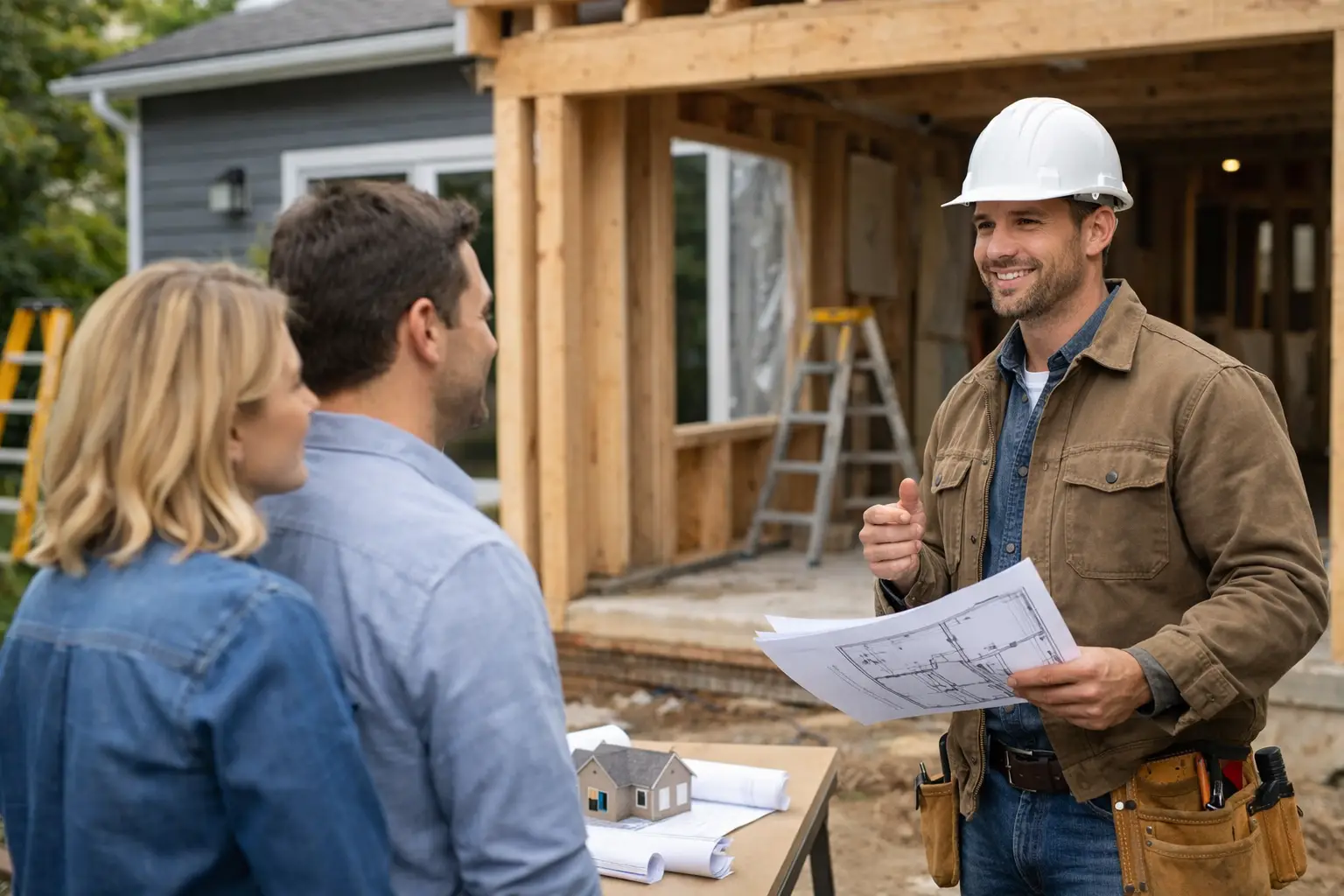
A home addition is not simply more square footage. It is a decision about how your family will live next year, five years from now, and long after the project is complete. The right home addition contractor helps you turn a crowded layout, missing home office, aging primary suite, or need for multigenerational space into a durable, cohesive part of your home.
For Central Texas homeowners, that decision also comes with practical questions. Will the addition complement the original structure? Can the foundation, roofline, utilities, and drainage support the plan? How will local permitting, summer heat, and site conditions influence the schedule and budget? A contractor should have answers grounded in experience, not vague promises.
Start With the Life You Want the Addition to Support
Before comparing contractors, define the problem the addition needs to solve. A family may need a larger living area that opens to the backyard. A remote professional may need a quiet office with natural light and separation from household activity. Other homeowners want a first-floor suite for parents, a growing teen, or long-term aging in place.
Those goals shape every meaningful choice that follows. A 300-square-foot addition can serve very different purposes depending on ceiling height, storage, window placement, access, plumbing needs, and how it connects to the rest of the home. A contractor who begins by asking about your routines, priorities, style, and future plans is more likely to recommend a solution that works beyond move-in day.
It also helps to be honest about the difference between a want and a nonnegotiable. You may love the idea of vaulted ceilings and custom built-ins, but a first-floor bedroom and accessible bathroom may be the feature that delivers the greatest daily value. Strong planning makes room for both, while keeping the project aligned with your investment level.
What a Home Addition Contractor Should Manage
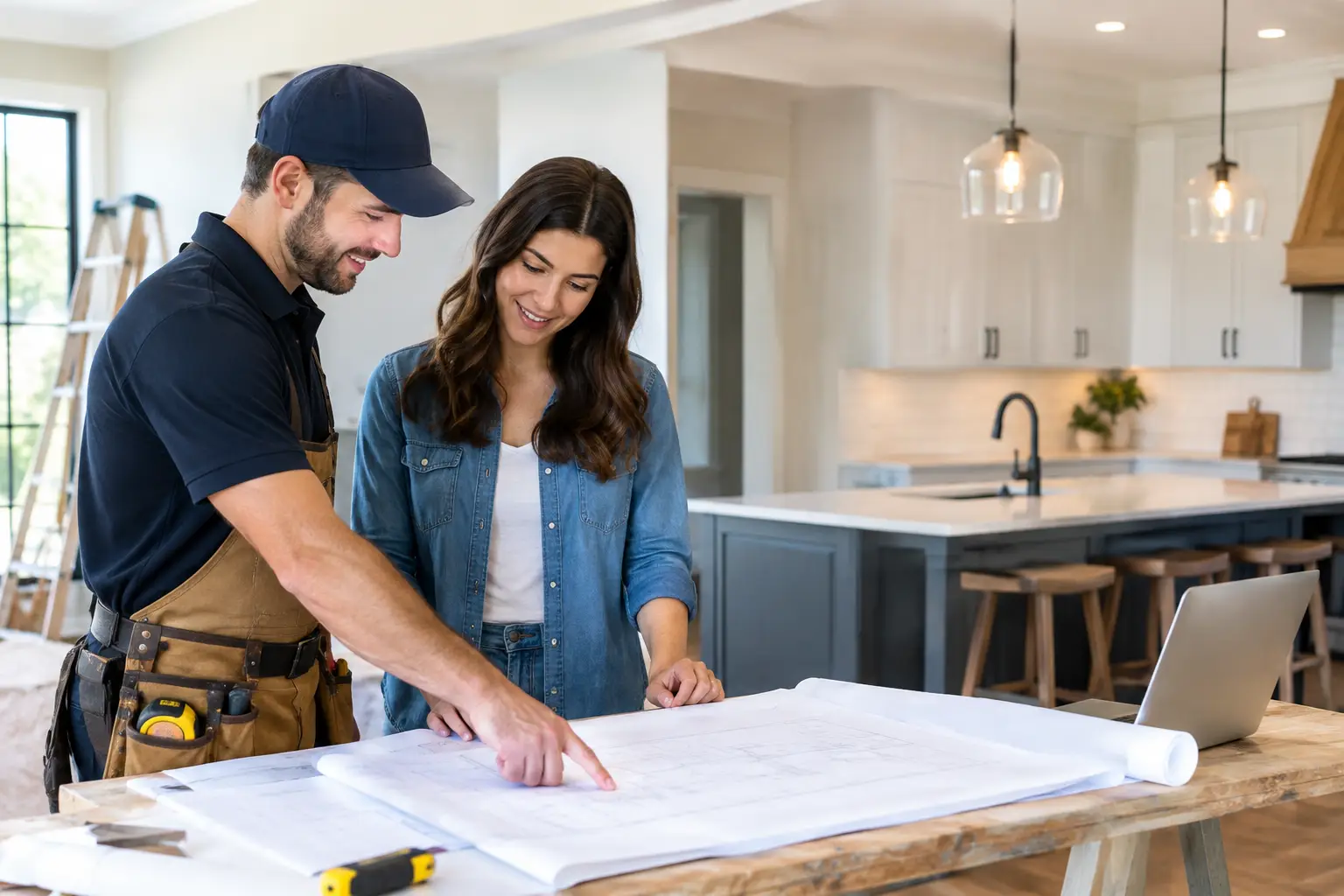
A well-executed addition involves far more than framing walls and installing finishes. The contractor should coordinate the work as one connected process, from early assessment through final completion. That includes evaluating the existing home, developing a practical scope, assisting with design decisions, preparing estimates, coordinating permits, scheduling qualified trades, and maintaining clear communication throughout construction.
Existing Conditions Matter More Than Most Homeowners Expect
Every addition starts with the property that is already there. An experienced contractor looks closely at the foundation, structural connections, roof transitions, electrical capacity, plumbing routes, HVAC requirements, grading, and drainage. In Central Texas, soil movement and drainage conditions deserve particular attention. An addition that looks beautiful but ignores water flow or structural needs can create expensive problems later.
This is why the lowest initial quote is not always the best value. A price can look attractive because important work was overlooked, excluded, or deferred. Ask what the contractor has accounted for and where allowances may apply. Clear assumptions protect both the homeowner and the construction team.
Design Should Feel Intentional, Not Attached On
The best additions look as though they belonged to the home from the beginning. That takes careful attention to exterior materials, roof pitch, trim details, windows, flooring transitions, ceiling lines, and interior flow. Matching everything exactly is not always necessary, especially in a modern remodel, but the new and old spaces should feel purposeful together.
A thoughtful home addition contractor can help you weigh the trade-offs. Extending an existing roofline may create a more unified exterior but add structural complexity. Moving plumbing farther from existing lines can create a better layout but increase cost. Larger windows can transform a room but require careful consideration of heat gain, privacy, and wall space. The right answer depends on your property and priorities.
Questions That Reveal How a Contractor Works
A consultation should leave you with more clarity, not more uncertainty. You do not need construction expertise to ask useful questions. You need a contractor who can explain the process in plain language and take responsibility for the details.
Ask how the team approaches these parts of the project:
- Site assessment, structural review, and identification of potential property constraints
- Design coordination, selections, permits, and any required engineering
- Construction scheduling, trade coordination, site protection, and quality control
- Change orders, payment schedules, warranty support, and communication during the build
Listen for specifics. A dependable contractor can explain who your point of contact will be, how often you can expect updates, what happens if an unforeseen condition appears, and how decisions are documented. Remodeling and additions can uncover surprises behind walls or beneath the ground. What matters is not whether every surprise can be predicted. What matters is whether the team has a disciplined process for addressing it fairly and promptly.
You should also ask to see examples of comparable work. A contractor with experience in kitchens or outdoor living may be highly skilled, but home additions require their own level of structural planning, weatherproofing, systems integration, and finish coordination. Look for projects that show strong transitions between the existing home and the new space.
Compare Proposals Beyond the Bottom Line
When proposals arrive, compare scope before comparing totals. One estimate may include permit coordination, demolition, insulation, paint, flooring, electrical upgrades, and finish selections, while another may not. A lower number can quickly grow when exclusions become necessary additions.
Review the proposal for a clear description of the work, anticipated materials, allowances, construction milestones, payment terms, and change-order process. If something is unclear, ask for clarification before signing. Professional communication at this stage is a strong indicator of how the project will be managed after construction begins.
Timing deserves the same care. A contractor should provide a realistic schedule rather than a rushed promise. Lead times for windows, doors, specialty finishes, and mechanical equipment can affect the sequence of work. Weather can also influence exterior phases. A realistic schedule that includes planning and coordination is more valuable than a short timeline that leaves no room for quality control.
Plan for Budget With Both Vision and Discipline
An addition is a meaningful investment, and the budget should reflect the full scope rather than just the visible room. Costs often include design and engineering, permits, site work, foundation work, framing, roofing, windows, insulation, electrical, plumbing, HVAC, drywall, flooring, paint, cabinetry, and exterior restoration.
The room type has a major effect on cost. A simple flex room without plumbing may be more straightforward than a bathroom, kitchen expansion, or primary suite. Building upward can preserve yard space, but it may require more extensive structural work than building outward. A detached accessory dwelling unit can offer privacy and rental potential, but it follows a different planning path than an attached addition.
Set aside a reasonable contingency for conditions that cannot be fully confirmed until work begins. This is not a sign that planning failed. It is a practical safeguard, particularly for older homes or properties with prior repairs. A trusted contractor will help you make informed choices when priorities shift, whether that means investing in higher-performance insulation, preserving a design feature you love, or adjusting a finish selection to protect the overall budget.
Choose Partnership Over Pressure
Your contractor will spend months making decisions that affect your home, comfort, and property value. Technical capability matters, but so does the working relationship. You should feel heard, respected, and confident that your questions will receive direct answers.
Look for a team that treats the project as a tailored transformation, not a standardized job. At NXT Construction Inc., that means starting with an assessment of how the space needs to perform, then connecting design-minded planning with practical construction execution. The goal is a finished addition that supports family life, reflects your aesthetic, and stands up to the demands of Central Texas living.
A trustworthy contractor will not pressure you to make quick decisions or pretend every detail is simple. They will explain the options, identify risks early, protect the worksite, coordinate the right trades, and remain accountable through completion. That level of care is what turns an addition from a construction project into a lasting improvement to the way you live.
Bring your ideas, photos, measurements, and questions to the first conversation. A clear vision is helpful, but you do not need every answer before you begin. The right construction partner can help shape that vision into a space that feels natural, useful, and completely at home on your property.



One Response