A search for a building contractor near me often starts when something in your property can no longer wait. Maybe your kitchen no longer works for a growing family, a foundation concern has appeared, water damage is affecting walls or flooring, or you are ready to create the outdoor space you have pictured for years. The right contractor does more than provide a price. They help you turn a major property decision into a well-managed investment.
For Central Texas homeowners and commercial property owners, choosing a contractor requires more than comparing online listings. Austin-area properties face distinct demands, from expansive clay soils and foundation movement to intense summer heat, fast-changing neighborhood standards, and the practical realities of adding space in high-growth communities. A qualified local construction partner should understand the work itself, the property, and what you want the finished space to do for your life or business.
What a Building Contractor Near Me Should Bring to the Project
Construction projects have moving parts. Design choices affect cost, material availability affects timing, and hidden conditions inside an existing home can change the scope of work. A capable building contractor coordinates these realities instead of leaving the client to manage separate trades, unclear schedules, and surprise decisions alone.
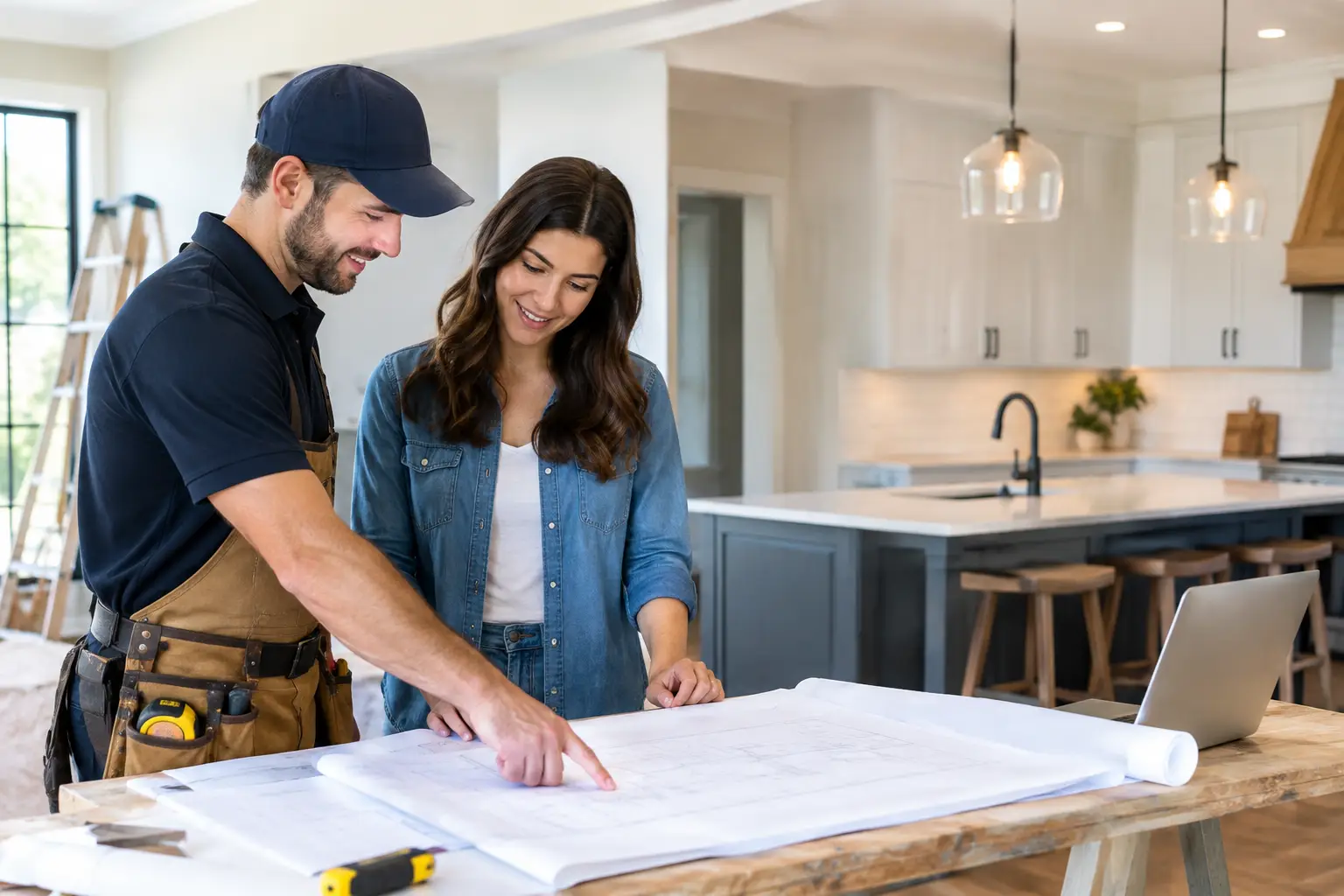
Look for a contractor that can begin with a thoughtful assessment of your goals. A kitchen remodel, for example, is not only about cabinets and countertops. It may involve improving traffic flow, increasing storage, updating aging plumbing, adding task lighting, and selecting finishes that complement the rest of your home. A good contractor asks how you use the space before recommending a solution.
The same principle applies to additions, accessory dwelling units, outdoor kitchens, commercial retrofits, and new construction. The best result is not simply a finished project. It is a durable, functional space that supports how you live, work, entertain, or operate your business.
Local knowledge also matters. A contractor serving Austin, Liberty Hill, Leander, Cedar Park, Lakeway, and Georgetown should understand the common construction conditions found across the region. Soil movement, drainage, permit requirements, existing utility locations, and neighborhood expectations can all affect planning. Experience in the area helps reduce avoidable delays and creates a more accurate path from the first conversation to completion.
Start With Your Goals, Not Just a Budget Number
Budget is essential, but it should not be the only starting point. Before requesting estimates, decide what success looks like for your project. You may need an updated bathroom that feels easier to use every day, an ADU that provides space for family or rental income, or a concrete driveway built to improve access and curb appeal. Clear priorities allow a contractor to recommend options that make sense rather than treating every decision as a simple upgrade or downgrade.
Consider the difference between needs, preferences, and future plans. A structural foundation repair or water remediation project needs prompt, technically sound attention. A patio expansion may be more flexible, but still deserves planning around drainage, shade, utilities, and how the space will be furnished. If you are remodeling with resale in mind, the right material choices may differ from those for a long-term family home.
It also helps to discuss your comfort level with trade-offs. Premium finishes can create a striking result, but they may require a larger budget or longer lead time. A phased approach may be practical when you want to complete essential repairs now and cosmetic upgrades later. There is no single right answer. The goal is to make informed choices with a contractor who explains the implications clearly.
Review Experience That Matches Your Type of Work
Not every contractor is equipped for every project. A company that handles a straightforward cosmetic refresh may not be the best fit for an addition, custom new home, major structural repair, or commercial build-out. Ask about experience that is relevant to your scope, not just years in business.
For a remodeling project, look for evidence of work involving layout changes, plumbing and electrical coordination, cabinetry, tile, flooring, and finish details. For an ADU or addition, ask how the team approaches site planning, utilities, foundation work, permits, and integration with the main structure. For foundation or water-related concerns, prioritize contractors who can identify the source of the issue and recommend repairs that protect the property over time.
Commercial clients should also look beyond appearance. An office renovation, warehouse retrofit, or tenant improvement project needs to account for business operations, safety, access, scheduling, and durability. The contractor should understand that downtime can be expensive and that construction decisions need to support the way a business functions.
A project gallery and customer feedback can be useful indicators, but the most valuable conversations are specific. Ask what challenges arose on similar projects and how they were handled. Skilled professionals do not claim that construction is free of unknowns. They show that they have a process for addressing them responsibly.
Ask How Communication and Project Management Work
Craftsmanship matters, but communication is what keeps a construction project from becoming unnecessarily stressful. You should know who your primary contact will be, how often you can expect updates, and how changes will be documented. A professional contractor should be comfortable explaining the project schedule, major milestones, material selections, payment structure, and next steps in plain language.
Before you commit, ask these questions:
- Who will manage the project day to day, and how will I receive updates?
- What is included in the scope of work, and what could create an additional cost?
- How are change orders reviewed and approved?
- What permits, inspections, and subcontractors are required?
- How will the jobsite, access points, and surrounding property be protected?
The answers reveal more than a contractor’s process. They show whether the company values accountability. You should never feel pressured to approve a vague proposal or make a design decision without understanding its effect on cost, timing, or performance.
At NXT Construction Inc., the focus is on a client-partnership approach that brings planning, construction execution, and ongoing support into one coordinated experience. That matters when a project involves multiple trades or when your ideas need to be translated into practical, buildable solutions.
Compare Proposals for Value, Not the Lowest Price
The lowest estimate can be tempting, especially when construction costs are significant. However, two proposals with very different prices may not include the same quality of materials, preparation work, permits, labor, cleanup, warranty coverage, or project management. A low number is not a value if critical work is missing from the scope.
Read each proposal carefully. It should describe the work in enough detail to help you compare options fairly. If one contractor includes demolition, disposal, subfloor repair, paint, fixtures, and final cleanup while another provides only a broad allowance, the prices are not directly comparable.
Pay attention to allowances as well. An allowance is a placeholder amount for an item that has not yet been selected, such as tile, lighting, or plumbing fixtures. Allowances are common and can be useful, but they should be realistic for the quality level you expect. If your preferred materials exceed the allowance, the final cost will change.
A strong proposal balances clarity with flexibility. It identifies what is known, explains what may need further evaluation, and gives you a path for making choices without losing control of the project.
Look for Protection Before Construction Begins
A trusted contractor will not rush past the practical protections that safeguard your property and your investment. Confirm that the company is properly insured for the work it performs. Ask how permits and required inspections will be handled. For larger projects, understand how the contractor manages subcontractors, site safety, debris removal, and access to the home or commercial space.
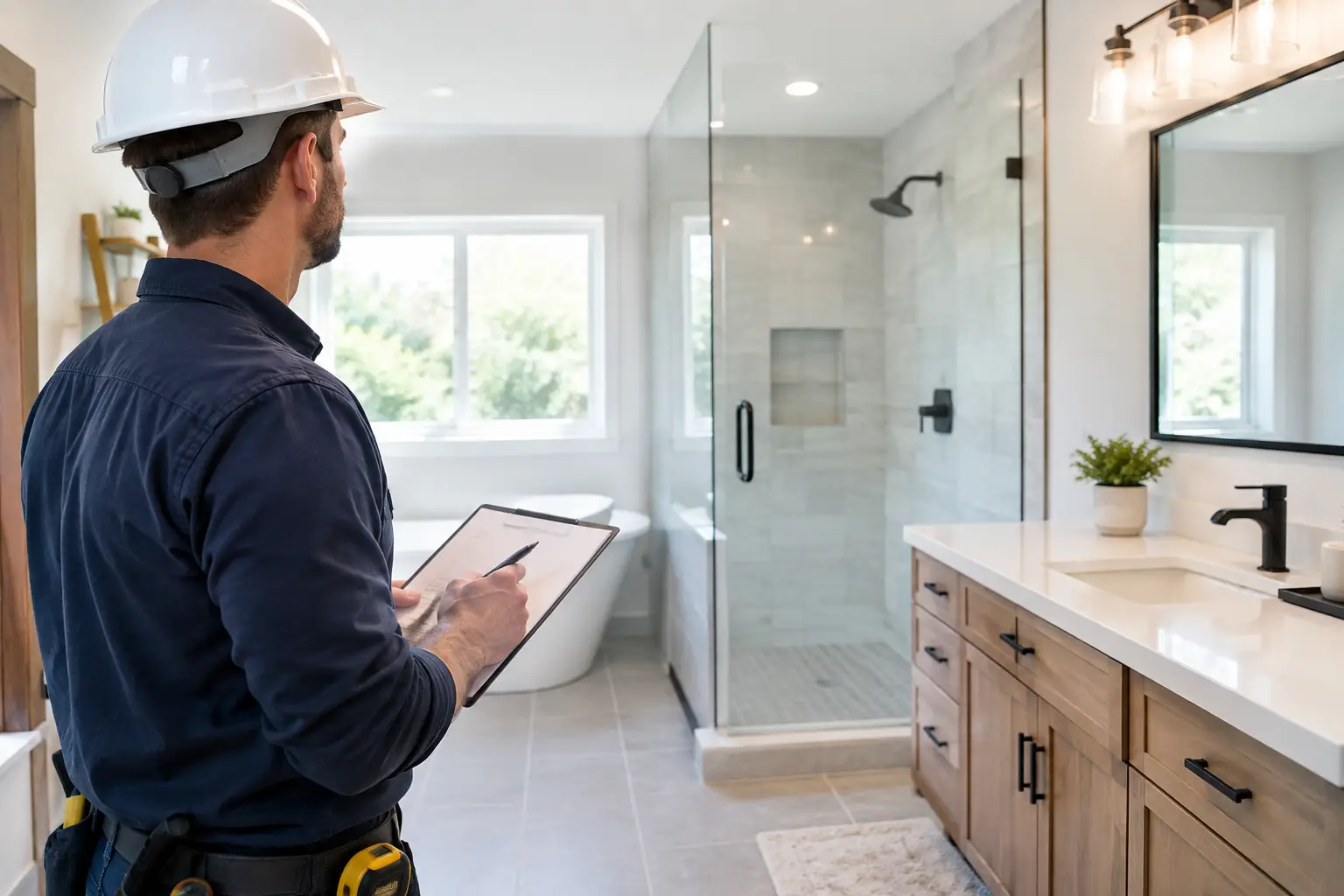
If you are dealing with water damage, structural concerns, or foundation movement, an inspection should come before cosmetic work. Covering symptoms without addressing the source can lead to more expensive repairs later. In many cases, early assessment is the best way to protect your budget and preserve the value of the property.
This is also the time to discuss schedule realities. Weather, inspections, custom materials, and discoveries inside existing walls can affect timelines. A reliable contractor does not promise an unrealistic completion date simply to win the project. They set expectations, communicate changes quickly, and work to keep the job moving.
Choose the Partner You Trust to Stand Behind the Work
The contractor you choose may be working in your home for weeks or months, or helping shape a commercial environment that affects your team and customers every day. Technical ability is essential, but trust, responsiveness, and respect for your property are equally important.
Pay attention to the consultation itself. Did the contractor listen closely? Did they ask useful questions about your priorities? Were they willing to explain options without pushing a one-size-fits-all solution? The right fit should leave you feeling informed and confident, not confused or rushed.
Your property deserves more than a quick fix or a generic plan. Begin with a detailed conversation, request an inspection when needed, and choose a construction partner who sees the finished space the way you do: as a lasting improvement to the way you live, work, and plan for the future.