A ceiling stain after a Texas thunderstorm, flooring that feels soft near a dishwasher, or a musty odor in a closed-up room can signal more than a minor cleanup. Professional water remediation services address the moisture you can see and the damage you cannot – helping protect your property’s structure, air quality, finishes, and long-term value.
For homeowners and commercial property owners across Austin, Leander, Cedar Park, Liberty Hill, Lakeway, Georgetown, and surrounding communities, speed matters. But so does the quality of the plan. Drying a surface without finding the source of the water can leave moisture inside walls, below flooring, or around framing, where problems continue long after the visible water is gone.
What Water Remediation Services Actually Include
Water remediation is the process of identifying water intrusion, stopping or controlling the source when possible, removing affected materials as needed, drying the structure, and preparing the property for safe, lasting repairs. It is more comprehensive than mopping up water or setting out a few fans.
The right scope depends on where the water came from, how long it was present, and what materials it reached. A clean supply-line leak caught quickly may require limited drying and repair. Water from a backed-up drain, floodwater, or an unknown source demands more caution because contaminants may be involved. In those situations, affected porous materials such as carpet padding, insulation, drywall, and baseboards may need to be removed rather than dried in place.
A qualified contractor should begin with a detailed assessment. That includes tracing the likely source, documenting visible conditions, checking surrounding areas for moisture migration, and creating a plan that protects occupants while moving the restoration forward. At NXT Construction Inc., that planning mindset also matters after the drying stage, when damaged spaces need to be rebuilt with craftsmanship and the client’s goals in mind.
The First 24 Hours Can Shape the Repair
Water moves quickly through building materials. It can wick into drywall, travel beneath floating floors, soak insulation, and settle into cabinet toe kicks and wall cavities. Even a small leak can affect a larger area than expected.
If it is safe to do so, stop the water source and move furniture, rugs, electronics, and other valuables away from the affected area. Turn off electricity to the impacted area only if it can be done safely. Avoid walking through standing water near outlets, appliances, or electrical panels. For a significant leak, sewage backup, or water coming through the roof during a storm, professional help is the safer choice.
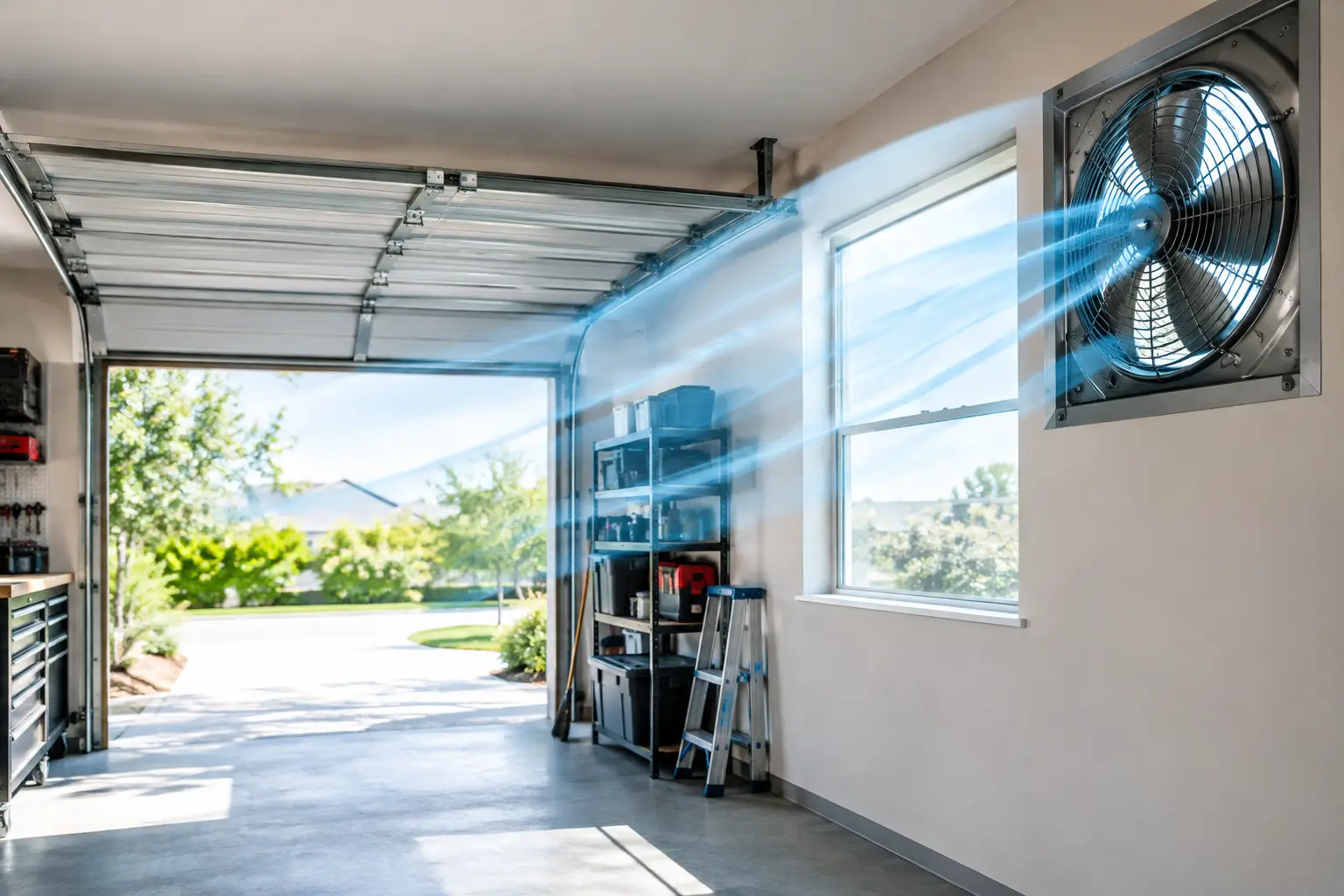
Do not assume that open windows and household fans will solve the problem. They may help with minor surface moisture, but they do not verify whether subflooring, wall framing, insulation, or cabinets have dried to an acceptable level. They can also spread contamination or mold spores if the situation involves compromised water or existing growth.
Photographs and notes are useful before cleanup begins, especially when an insurance claim may be involved. Your insurer may have specific documentation requirements, while a remediation contractor can provide an assessment of the visible damage and recommended work. Coverage varies by policy and cause of loss, so it is wise to confirm your next steps directly with your carrier rather than assuming every water event is covered.
A Careful Process Protects More Than Finishes
Effective water remediation follows a sequence. Skipping steps can create a space that looks repaired but carries hidden risk. The process often includes the following phases:
- Inspection and moisture assessment: The team identifies the source, affected materials, and extent of moisture beyond the visible area.
- Water extraction and removal: Standing water is removed, and damaged materials are evaluated for cleaning, drying, or disposal.
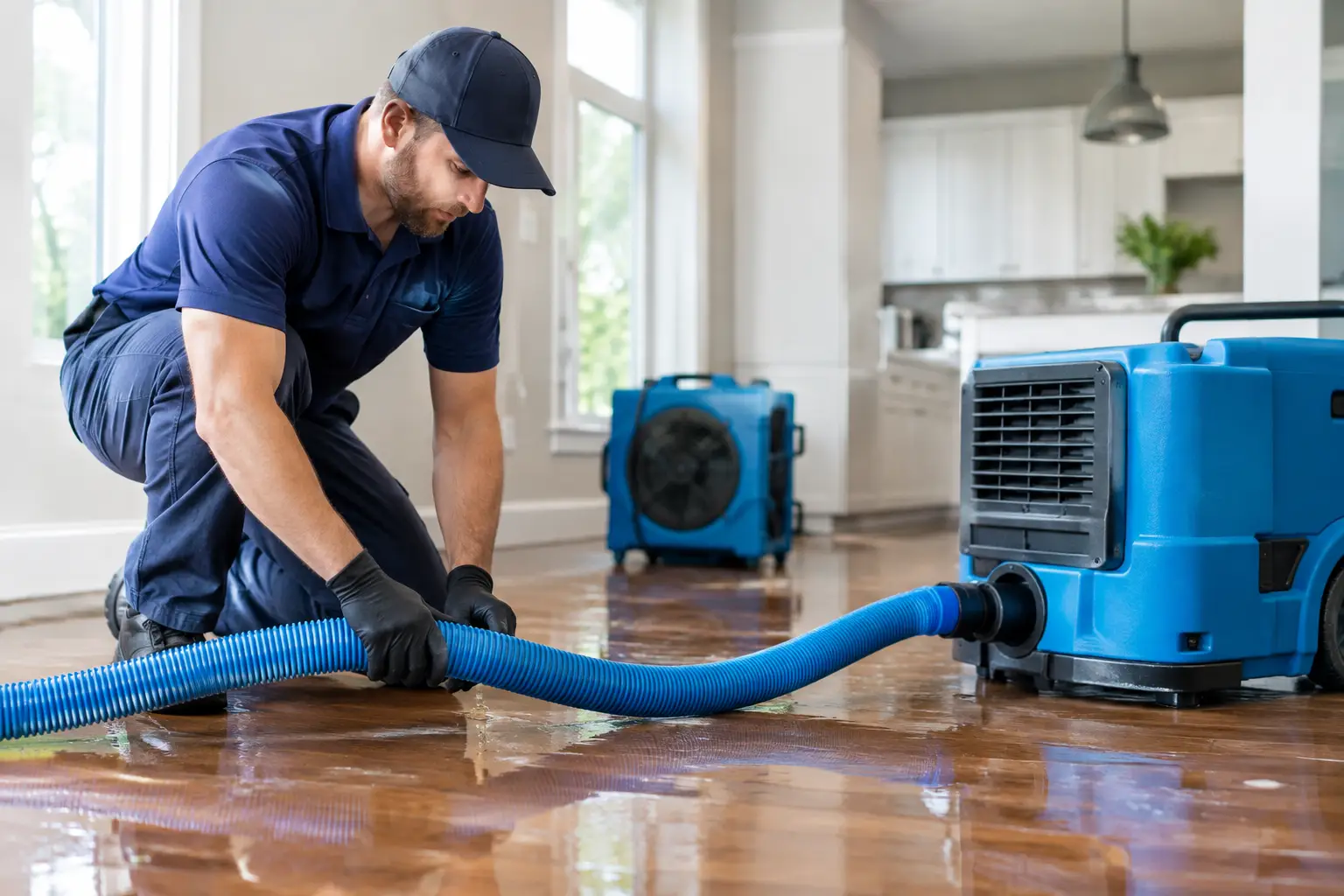
- Controlled structural drying: Equipment is placed strategically to dry materials and reduce humidity. Moisture levels should be monitored, not guessed.
- Cleaning and containment: When contamination or microbial growth is present, affected areas may require containment, specialized cleaning, and removal of unsalvageable materials.
- Repair and reconstruction: Drywall, insulation, flooring, cabinetry, trim, paint, and other finishes are restored so the room functions and looks right again.
The reconstruction phase deserves as much attention as the emergency response. A damaged kitchen, bathroom, bedroom, office, or commercial suite is not simply a patching project. It is an opportunity to correct weak points, improve materials where appropriate, and restore the space in a way that fits how you use it.
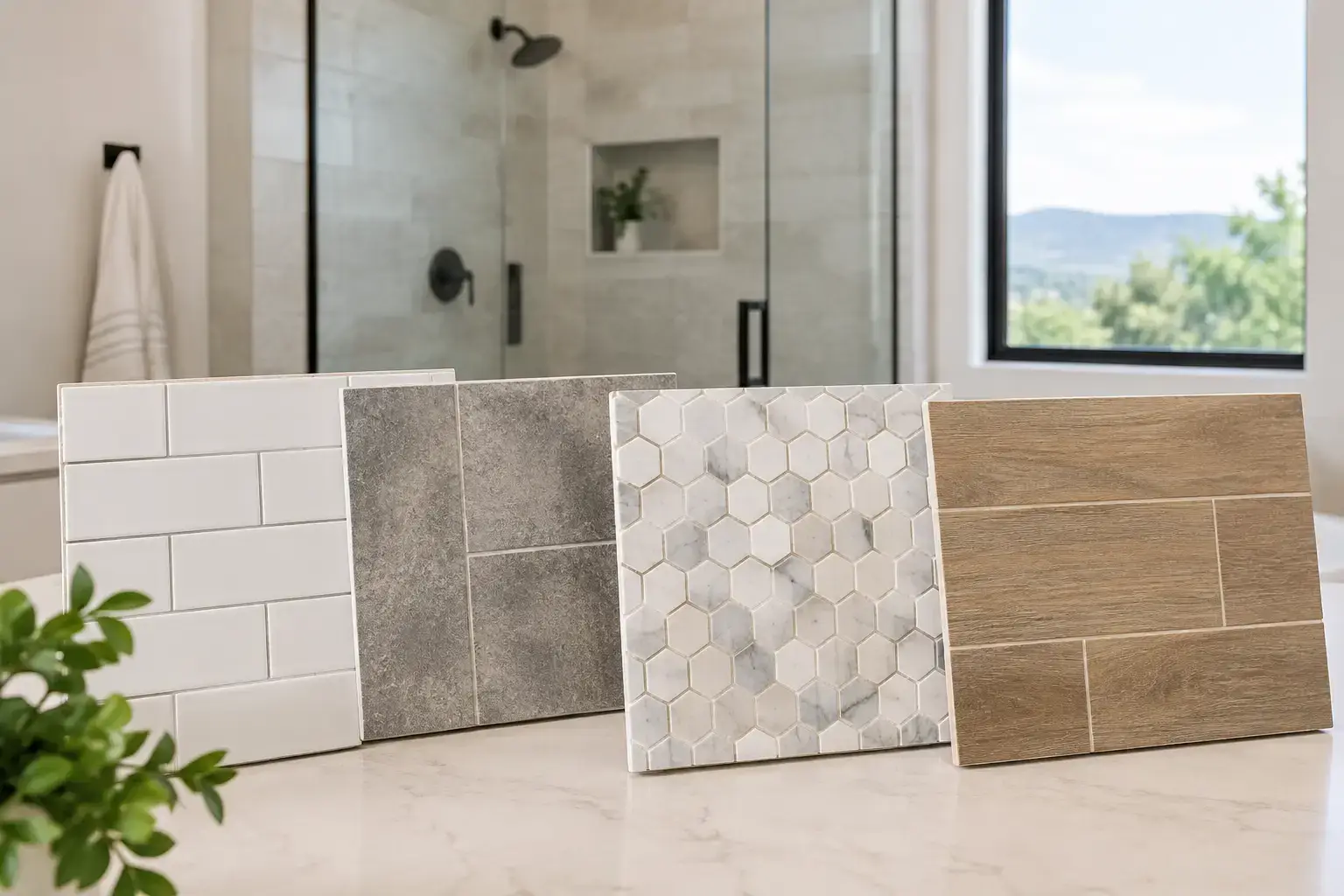
For example, a bathroom leak may reveal outdated supply lines, failed caulking, inadequate ventilation, or flooring that is no longer suited to a wet environment. The most economical fix is not always the best long-term decision. Sometimes targeted repairs make sense; other times, coordinated upgrades prevent repeat disruptions and add meaningful value to the property.
Common Central Texas Sources of Water Damage
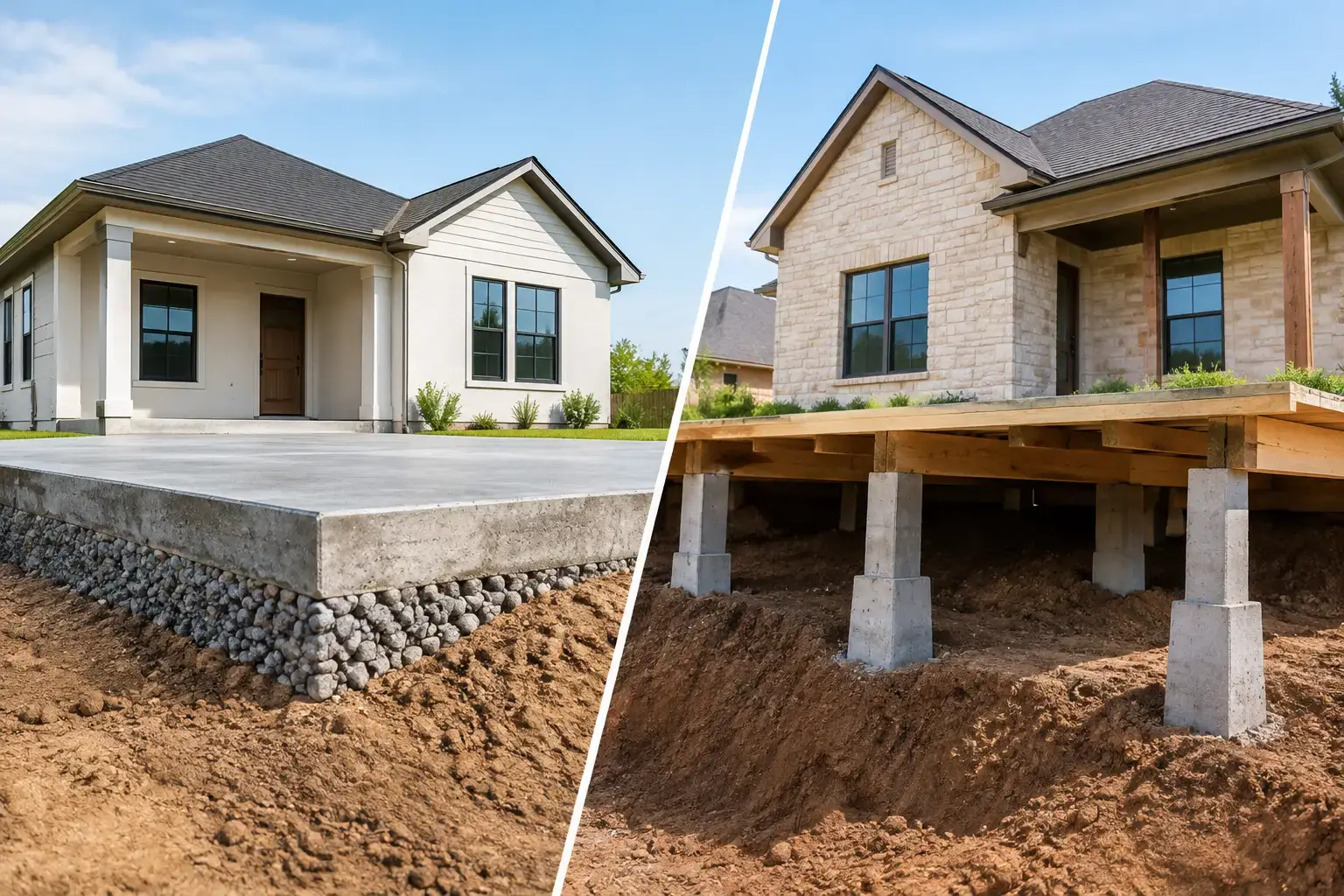
Central Texas properties experience a mix of weather-related and plumbing-related water issues. Heavy rain can expose roof, flashing, window, siding, drainage, and foundation drainage concerns. High winds may drive rain into vulnerable exterior details that appear sound during normal weather.
Inside the home or business, failed appliance hoses, leaking water heaters, overflowing fixtures, slab leaks, aging supply lines, and HVAC condensation issues are common sources. Properties with crawl spaces, older plumbing, additions, or recent remodeling can have their own unique risk points. A leak at the edge of a new room, for instance, may relate to flashing, grading, a plumbing connection, or an HVAC line – not necessarily the most obvious surface symptom.
That is why diagnosis matters. Replacing stained drywall without addressing a roof leak, pipe failure, or drainage issue only delays the next repair. A thorough inspection helps separate the symptom from the cause.
When Mold Becomes Part of the Conversation
Mold can begin growing when materials remain wet or humid for an extended period. Not every water event leads to mold, and not every dark mark is mold. Still, a persistent odor, recurring staining, peeling paint, warped trim, or moisture that was left unaddressed should be evaluated carefully.
The response depends on the size of the affected area, the materials involved, the source of moisture, and whether occupants have health sensitivities. Small, isolated issues may be handled with limited removal and cleaning once the moisture source is corrected. Larger or contaminated areas can require more extensive containment and remediation procedures.
The priority is not to cover the evidence. Painting over staining or installing new flooring over a damp subfloor may make a room look finished for a while, but it does not create a dry, durable assembly. The goal is a healthy space built on properly resolved conditions.
Choosing a Partner for Water Remediation Services
Water damage creates pressure to make fast decisions. Look for a contractor who communicates clearly about what is known, what still needs investigation, and what each phase of work will accomplish. You should understand the proposed scope, the materials being removed or saved, the expected drying and repair timeline, and how the space will be protected during construction.
An end-to-end construction partner can be particularly valuable when the incident affects more than one trade. Water remediation may lead to plumbing repairs, roof repairs, insulation replacement, drywall work, flooring installation, cabinetry restoration, painting, or even a redesigned bathroom or kitchen. Coordinating those details under one accountable plan reduces handoffs and helps preserve the quality of the finished space.
Ask practical questions before work begins. How will moisture be measured? Which materials can be preserved? What is the plan if hidden damage is found after demolition? Who will manage reconstruction? How will the team protect adjacent rooms, furniture, and daily operations? Clear answers are a strong sign that your property is being treated as the investment it is.
Restore the Space With the Future in Mind
Once the source is fixed and the structure is dry, the focus can shift from disruption to opportunity. A damaged room can be restored to its prior condition, but it can also be improved with better ventilation, more water-resistant finishes, upgraded storage, refreshed lighting, or design choices that better serve your family or business.
The best next step is a prompt, professional assessment. Addressing water intrusion early gives you more options, protects more of the original structure, and makes it easier to rebuild a space you can feel confident using again.