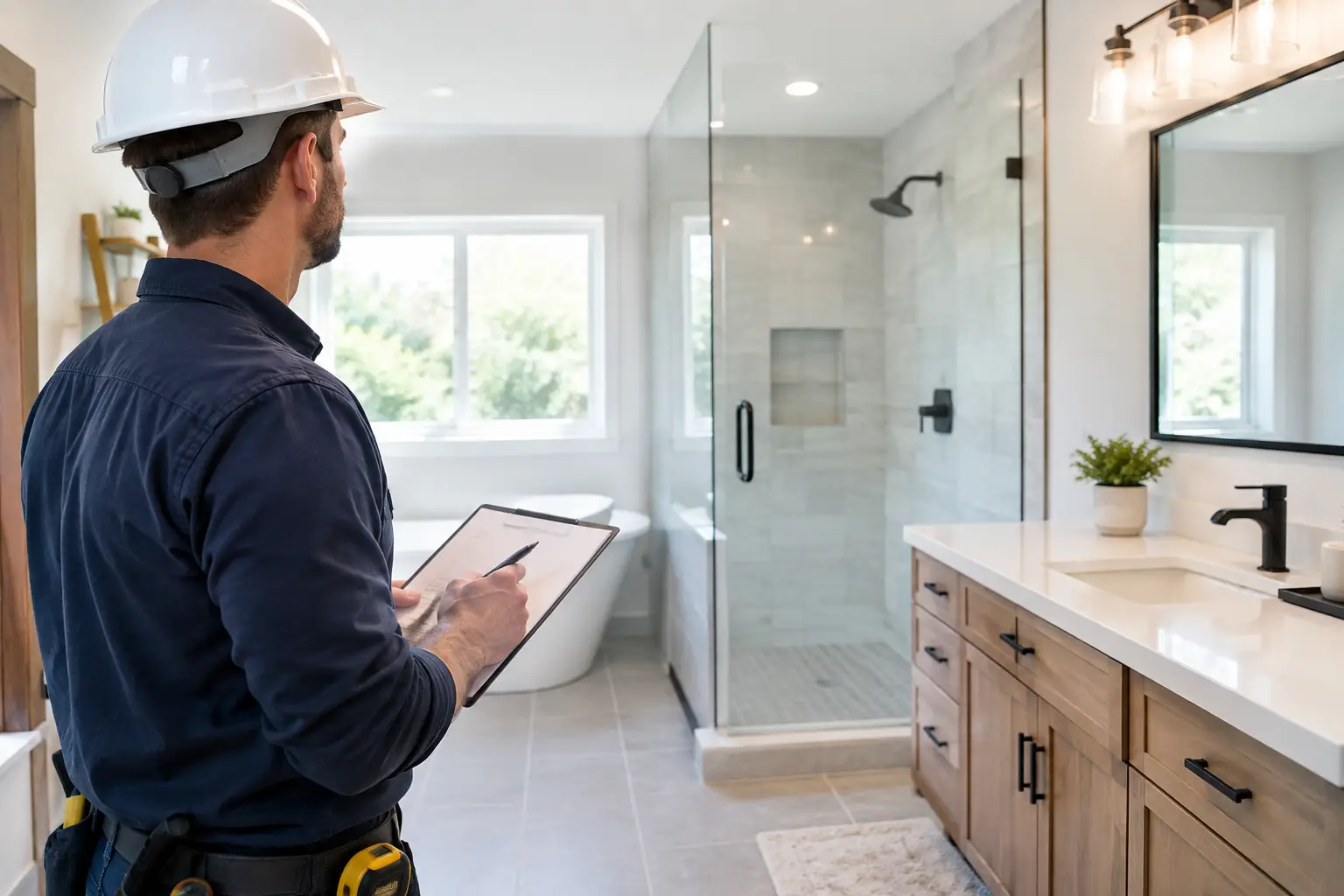
A kitchen remodel that opens up family living, an ADU built for rental income, or a foundation repair that protects your biggest investment all begin with the same decision: choosing a licensed general contractor who can take responsibility for the work from start to finish. In Central Texas, that choice affects more than the finished look. It affects permitting, structural safety, budget control, construction quality, and your confidence while work is happening at your property.
The right contractor is not simply the person who offers the lowest number or promises the fastest start date. They are the partner who listens to how you use your home or commercial space, identifies the real scope of work, brings qualified trades together, and communicates clearly when decisions need to be made. That level of accountability matters whether you are updating a Cedar Park bathroom, building an outdoor kitchen in Lakeway, adding living space in Leander, or renovating a commercial property in Austin.
What a Licensed General Contractor Actually Does
A general contractor manages the construction process as a whole. Rather than leaving you to coordinate electricians, plumbers, framers, concrete crews, insulation installers, and inspectors, the general contractor organizes the work, sequencing, materials, and quality control around one project plan.
For a larger renovation or new build, this starts well before demolition or site work. A capable contractor helps clarify the project scope, reviews existing conditions, plans for permits, coordinates design and engineering requirements, establishes realistic allowances, and identifies potential challenges. Once construction begins, they manage subcontractors, track progress, address site issues, and keep the project moving toward completion.
That oversight is especially valuable on projects where one decision affects several trades. Moving a kitchen wall may involve structural framing, electrical relocation, plumbing changes, HVAC adjustments, drywall, cabinetry, flooring, and finish work. A new ADU may require site preparation, utility planning, foundation work, framing, roofing, insulation, and inspections. Without a single accountable leader, small gaps between scopes can become expensive delays.
A licensed general contractor should also be willing to explain what they manage directly, which specialty professionals will be involved, and how quality will be verified at each stage. Clear answers are a sign of professional project leadership, not a sales pitch.
Licensing in Texas Requires a Closer Look
The phrase “licensed general contractor” can be confusing in Texas because the state does not issue one universal statewide general contractor license for every type of construction work. Local registration, permit requirements, and contractor rules can vary by municipality, while certain trades have their own state licensing requirements.
That does not make credentials less important. It makes it more important to ask precise questions. For work in Austin and surrounding communities, your contractor should understand the relevant local permitting process and carry the registrations required for the jurisdiction where the project is located. Electrical, plumbing, HVAC, and other regulated work should be completed by properly licensed trade professionals when required.
Ask a prospective contractor how they handle permits, inspections, and trade licensing for your specific project. If the answer is vague, or if they suggest avoiding permits for work that clearly requires them, consider that a serious warning sign. Permits are not paperwork for paperwork’s sake. They create documented checkpoints for safety, code compliance, and future property transactions.
Insurance deserves the same level of attention. Request proof of general liability coverage and ask how workers’ compensation or job-site injury risks are handled. Requirements and coverage structures vary, but a professional contractor should be prepared to discuss them directly. You are inviting a construction team onto a valuable property. Protection should never be an afterthought.
Look Beyond the Estimate
A low estimate can be attractive, particularly when you are comparing major investments such as an addition, custom home, commercial retrofit, or extensive water remediation. But an estimate only has value when you understand what it includes.
A well-prepared proposal should describe the scope in practical terms: demolition, materials, labor, permits, subcontractor work, cleanup, and major exclusions. It should identify allowances where selections have not been finalized, such as tile, plumbing fixtures, appliances, lighting, or cabinetry. This gives you a realistic framework for comparing bids.
Be cautious when one price is dramatically lower than the others. It may reflect an efficient approach, but it can also mean missing scope, underpriced labor, lower-grade materials, or a plan to recover costs later through change orders. The goal is not to find the cheapest contractor. It is to find a fair, transparent investment that matches the quality, durability, and design outcome you expect.
A detailed estimate also creates a healthier client-contractor relationship. When expectations are clear at the beginning, decisions during construction are easier to manage. You know what is included, what may change, and how change orders will be documented before additional work proceeds.
Questions That Reveal How a Contractor Operates
The best conversations go beyond “How much will it cost?” Ask who will be your day-to-day point of contact and how often you can expect updates. Ask whether the contractor has completed projects similar in scale, style, and complexity to yours. A bathroom refresh and a structural home addition require very different planning capabilities.
It is also reasonable to ask how the team handles hidden conditions. Central Texas properties can reveal unexpected issues after walls are opened or excavation begins, including water damage, outdated wiring, drainage concerns, or foundation movement. No contractor can promise that surprises will never occur. A dependable partner can explain how they assess the issue, present options, price the change, and protect the larger project schedule.
For exterior and structural projects, ask about materials selected for local conditions. Heat, intense sun, heavy rain, expansive soils, and drainage patterns can influence long-term performance. A beautiful patio, driveway, roofline, insulation upgrade, or outdoor living space should be designed for more than the first reveal. It should be built to serve your property through Texas weather and daily use.
Finally, ask to see examples of completed work and speak with recent clients when possible. Pay attention to feedback about communication, cleanliness, problem-solving, schedule management, and follow-through. Craftsmanship is visible in finished photos, but the client experience is often revealed in how a contractor handles the unexpected.
Know What a Strong Construction Process Feels Like
A professional project should feel organized, even when construction is naturally disruptive. You should know the broad sequence of work, when decisions are needed from you, where materials will be stored, how the site will be protected, and how the team will communicate schedule changes.
For homeowners who remain in the house during a remodel, that planning can make a meaningful difference. Temporary kitchen arrangements, dust control, access routes, pet safety, and daily cleanup are not minor details. They are part of respecting your home and your routine. For commercial clients, the same principle applies to operational continuity, customer access, safety planning, and phased work.
At NXT Construction Inc., the goal is to treat every project as a tailored transformation, not a standardized contractor job. That means connecting the technical work to the way you want to live, host, work, invest, or grow in your property. A successful project should deliver visual impact, but it should also solve the practical problem that prompted the investment.
When a General Contractor Is the Right Choice
Not every improvement needs a general contractor. A simple paint project, a minor repair, or a single-trade installation may be best handled by a qualified specialist. Bringing in a full project manager for limited work can add unnecessary cost.
A general contractor becomes especially valuable when multiple trades must coordinate, permits are involved, structural changes are planned, or the work affects several parts of the property. Consider a general contractor for whole-home renovations, additions, custom new construction, ADUs, significant water damage restoration, foundation-related repairs, commercial build-outs, and comprehensive outdoor living projects.
The decision also depends on your available time and construction experience. Some owners are comfortable managing schedules, material orders, permits, and trade relationships. Most busy homeowners and business owners would rather have one trusted partner managing those moving parts. That is not giving up control. It is choosing accountable expertise while keeping your vision at the center of the process.
Your property deserves more than a rushed quote and a vague promise. Choose a contractor who earns trust through clear documentation, qualified trade coordination, disciplined craftsmanship, and responsive communication. When the right team is in place, your construction project can move forward with purpose – and the finished space can support your life, your business, and your long-term property value for years to come.