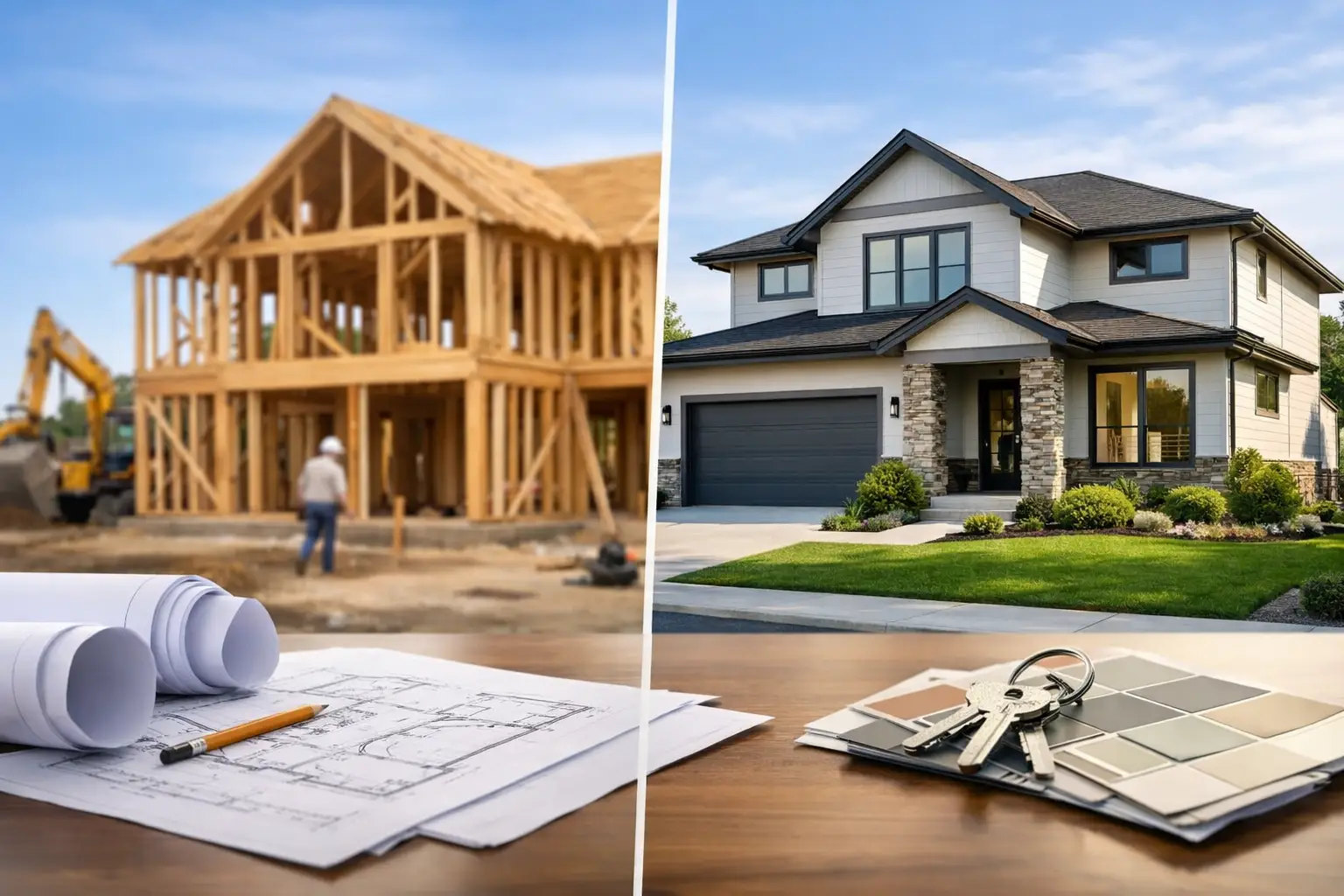
A new home should fit the way you actually live, not force your life into someone else’s floor plan. When weighing a custom build versus spec home, Central Texas buyers are usually balancing three things: how much control they want, how quickly they need to move, and where they want to live. Both paths can lead to a beautiful, durable home. The right choice depends on the priorities you are unwilling to compromise.
A spec home can deliver a move-in-ready answer in a growing community. A custom home can turn a particular piece of land, a family’s routines, and a long-term vision into a home designed around them. Understanding the difference early makes every decision that follows clearer.
What Is a Spec Home?
A spec home, short for speculative home, is built by a builder before a specific buyer is under contract. The builder chooses the lot, floor plan, finishes, and core features based on what they believe buyers in that market want. In some cases, a buyer may purchase while construction is still underway and choose from a limited set of finish options. In others, the house is complete and ready for closing.
For buyers who need a home soon, that can be a major advantage. Rather than spending months on design, permitting, and construction, you may be able to move into a newly built home within weeks or a few months. Spec homes also tend to offer a more predictable purchase price because many selections have already been made.
That predictability has limits. The builder’s choices may be attractive and current, but they are designed for broad market appeal. You may love the neighborhood yet wish the kitchen had more storage, the office had better sound separation, or the patio faced a different direction. Those changes are easier before the home is built than after you own it.
What Makes a Custom Home Different?
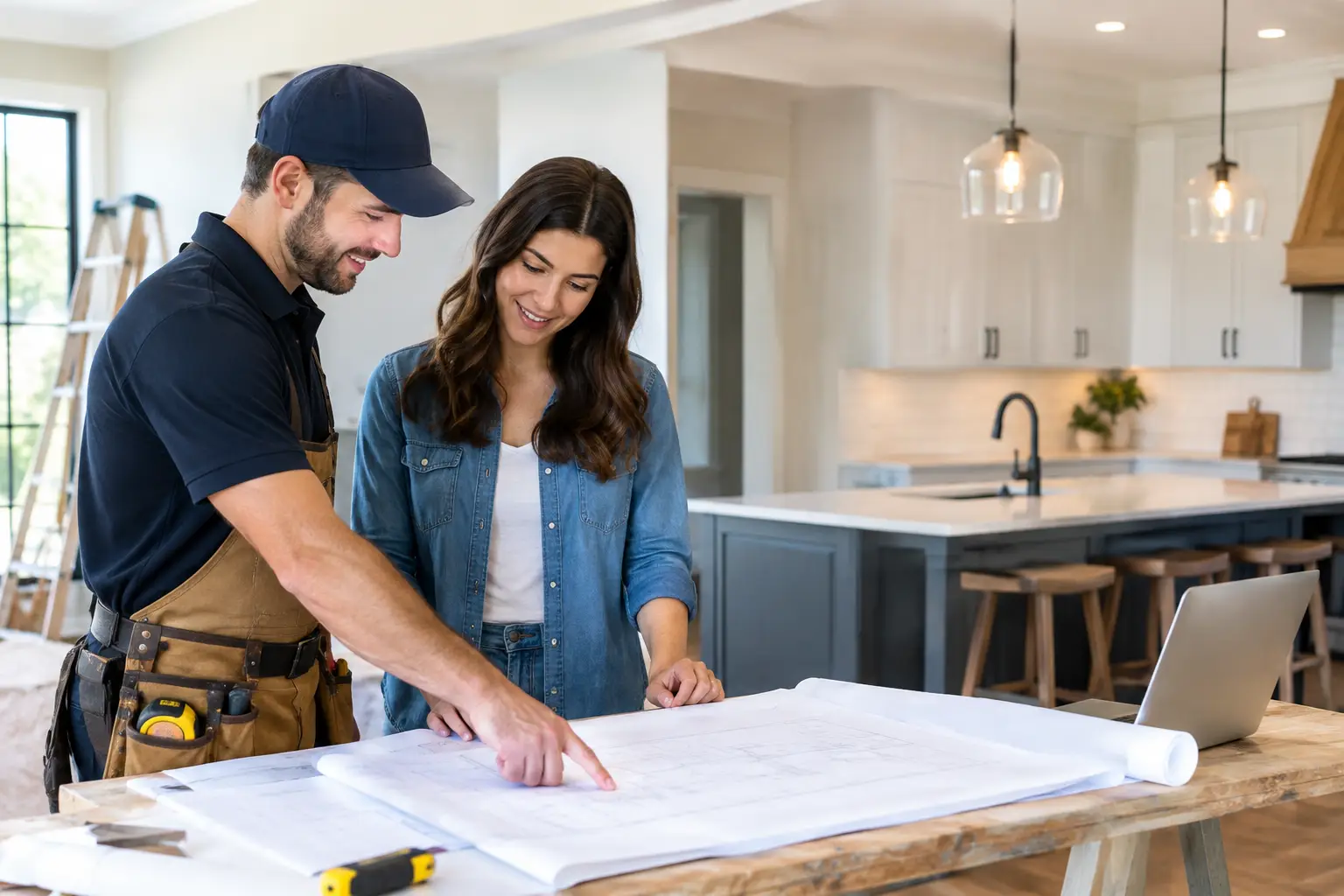
A custom home begins with you. You select or bring the property, establish your goals and budget, and work with a construction partner to shape the home around your lifestyle. The process includes decisions about layout, architectural style, materials, energy performance, storage, outdoor living, and the details that make a space feel personal.
For a family in Liberty Hill or Georgetown, that may mean a flexible guest suite for parents or adult children. For a remote professional in Cedar Park or Leander, it may mean a truly functional office with natural light, built-in storage, and separation from the busiest parts of the home. In Lakeway or the Austin hill country, the design may center on views, shade, drainage, and outdoor spaces that make the most of the property.
Custom does not have to mean extravagant. It means intentional. A well-managed custom project identifies where to invest for long-term performance and where to make practical choices that protect the budget. It also gives you the opportunity to plan for future needs, whether that is an accessible first-floor suite, an ADU, a home gym, or infrastructure for a future pool and outdoor kitchen.
Custom Build Versus Spec Home: The Key Trade-Offs
The biggest difference between a custom build versus spec home is control. With a custom home, you have meaningful input at nearly every stage. With a spec home, you are choosing from a finished or mostly defined product. Neither approach is automatically better, but each serves a different type of buyer.
Design freedom versus faster move-in
A spec home is often the stronger choice when timing is the top concern. If a lease is ending, a relocation is approaching, or your current home has already sold, a completed or near-complete home can reduce the uncertainty of a long construction timeline.
A custom build requires more patience. Site assessment, design, engineering, permitting, material selections, and construction all take time. In return, you gain the ability to decide how the home functions before walls go up. You can place the pantry where it supports your kitchen workflow, create an entry that handles kids and pets, or orient living areas to capture privacy and natural light.
Fixed selections versus personal priorities
Spec builders typically choose finishes that appeal to the largest number of prospective buyers. That can include popular cabinets, neutral tile, standard lighting packages, and proven floor plans. These are not necessarily low-quality choices, but they may not reflect how you want to live.
A custom home lets you prioritize the elements that matter most to you. Some owners invest in insulation, high-performance windows, and mechanical systems for better comfort and efficiency. Others focus on a chef-ready kitchen, durable surfaces for active family life, or a covered patio designed for year-round entertaining. The value comes from spending purposefully rather than paying for upgrades that do not improve your daily life.
Upfront price clarity versus budget flexibility
A spec home usually provides a clear sales price from the beginning. That simplicity can make financing and planning feel more straightforward. Buyers should still review what is included, what carries an extra cost, and whether landscaping, appliances, window coverings, or lot premiums affect the final number.
Custom construction starts with a budget framework and becomes more precise as the design and selections are finalized. The project can be tailored to a target investment level, but changes made after construction begins can add cost and affect the schedule. The best protection is thorough planning: clear scope, realistic allowances, timely decisions, and open communication from the project team.
Builder-selected lots versus land that works for you
Location can be the deciding factor. A spec home gives you access to available lots in planned communities, often with established utilities, neighborhood amenities, and a familiar purchasing process. That is appealing if you want a specific school area, commute pattern, or community setting.
A custom build gives you greater freedom to choose land, but it also requires more due diligence. Central Texas properties can present slope, rock, drainage, easement, septic, utility, tree, and foundation considerations. A beautiful lot is only a good building site when the home design, site work, and budget account for those conditions from the start.
Questions to Ask Before You Decide
Start with the realities of your next few years, not just the photos that catch your eye. How soon do you need to move? Is there a specific neighborhood or piece of land you cannot replace? Do you need space for a growing family, multigenerational living, a business, or rental income? Are you comfortable accepting a standard plan if the home is well located and ready now?
Then look beyond the sales price. Ask what is included in the base cost, what upgrades are already built into the home, and what future improvements you may need to make. A less expensive spec home can become costly if it requires major changes to deliver the storage, shade, office space, or outdoor functionality you expected. Likewise, a custom home needs a realistic construction budget that includes site conditions, permits, design work, utility connections, and contingency planning.
It is also wise to consider resale, but not to the point that it erases your own needs. Thoughtful floor plans, durable materials, efficient systems, strong curb appeal, and flexible living spaces generally support long-term value. The best home is one that works for your household now while remaining appealing and adaptable over time.
When a Spec Home Is the Right Move
Choose a spec home when you value speed, a defined purchase price, and the convenience of an established neighborhood. It can be an excellent fit for buyers who find a floor plan they genuinely like and do not need extensive personalization. A quality spec home is not a compromise when its location, construction standards, and included features align with your goals.
Before committing, walk the home with a detailed eye. Consider storage, traffic flow, ceiling heights, natural light, lot privacy, outdoor usability, and the quality of finish work. Think about how the home will handle an ordinary Tuesday morning, not just a weekend showing.
When a Custom Build Is Worth the Time
A custom home is usually worth the added planning when the property is unique, your needs are specific, or you expect to stay for many years. It is especially valuable when standard plans cannot solve the way your household lives. A tailored design can create better circulation, more usable square footage, stronger indoor-outdoor connection, and spaces that evolve with your family.
The key is having an experienced construction partner who treats planning as part of the build, not a formality before it. At NXT Construction Inc., the goal is to turn your ideas into a practical, well-crafted plan with clear communication around scope, materials, performance, schedule, and budget.
A home purchase is never only about square footage. Whether you choose the certainty of a spec home or the personal vision of a custom build, choose the path that gives your family the most confidence in the life you will build there.