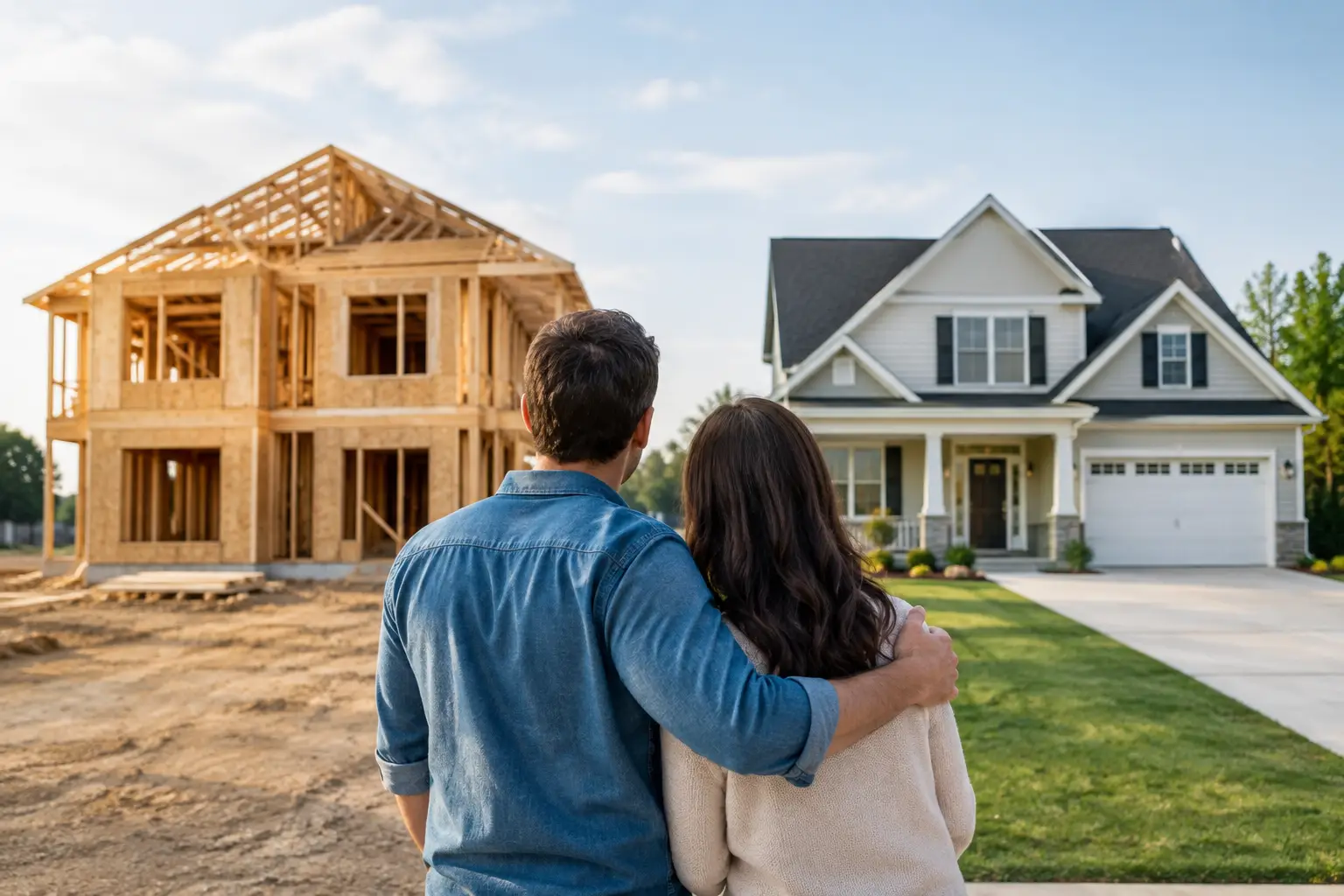
A home near the right school, in the right neighborhood, can still feel wrong the moment you walk through it. The kitchen may stop short of how your family gathers. The primary suite may lack privacy. The lot may have no practical place for a pool, workshop, office, or guest casita. That is where the custom build versus resale decision becomes more than a real estate question. It becomes a decision about how you want to live for the next decade or longer.
For Central Texas homeowners, the answer is rarely as simple as “new is better” or “resale costs less.” Austin-area markets from Leander and Liberty Hill to Cedar Park, Lakeway, and Georgetown offer fast-growing communities, established neighborhoods, varied lot conditions, and homes built across several decades. A smart decision starts with your priorities, your budget, and a clear view of what each path truly requires.
Custom Build Versus Resale: Start With Your Non-Negotiables
Before comparing square footage, countertops, or listing prices, identify what your next home must do that your current situation cannot. A growing family may need bedrooms separated from entertainment areas. A remote professional may need a quiet, acoustically considered office. A multigenerational household may need an accessible suite with its own entrance. An investor may want an ADU-ready property with long-term rental potential.
A custom build gives you the opportunity to plan these needs into the home from day one. Room placement, storage, lighting, ceiling heights, window orientation, energy performance, outdoor living, and future flexibility can all be intentional rather than compromised.
A resale home can make more sense when location is the non-negotiable. If you want a mature neighborhood, established trees, immediate proximity to work, or a particular school zone, existing inventory may provide options that undeveloped land cannot. The key is determining whether the home itself is close enough to your vision to justify the purchase and any renovation work that follows.
What a Custom Home Really Gives You
A custom home is not simply a larger house with upgraded finishes. At its best, it is a carefully planned response to your lifestyle, site, and long-term goals.
Design That Works With Your Daily Routine
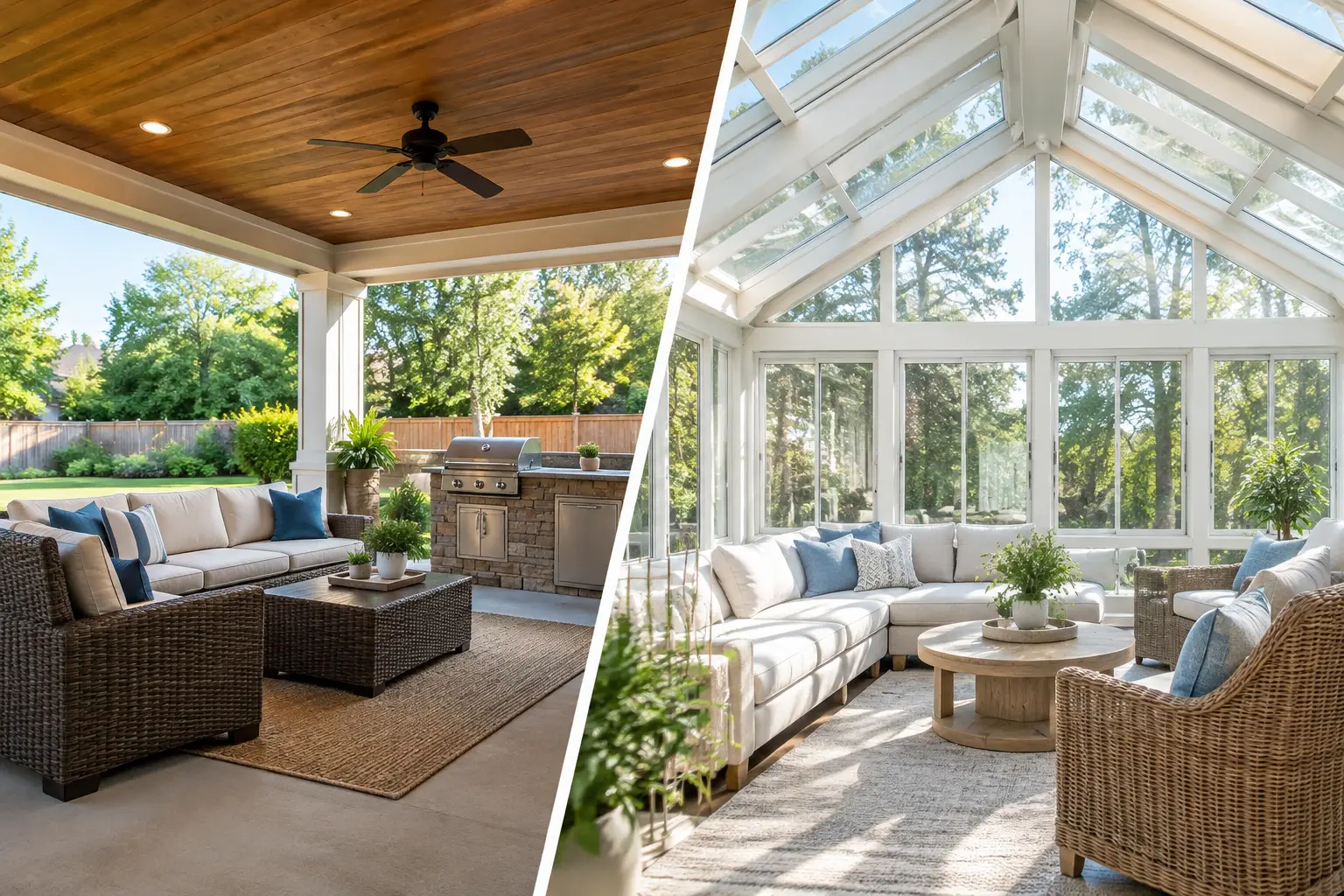
Custom construction allows the floor plan to reflect how you actually move through the day. You can position the laundry near bedrooms, create a mudroom that handles Central Texas dust and sports gear, or build a kitchen designed for both weeknight meals and full-house entertaining. Outdoor kitchens, covered patios, pergolas, home gyms, and flexible guest spaces can be part of the original plan instead of expensive afterthoughts.
The value is not only visual. A well-designed home reduces friction. It gives every important activity a place and prevents wasted square footage from becoming a permanent frustration.
Better Control Over Materials and Performance
New construction lets you make informed choices behind the walls as well as in the finished rooms. That includes insulation, HVAC planning, drainage strategy, windows, roofing, framing details, and moisture protection. In Central Texas, where heat, heavy rain, clay soils, and shifting ground conditions all affect a property, these decisions deserve attention.
For example, high-quality insulation and properly planned mechanical systems can improve comfort and energy use year-round. Thoughtful site grading and drainage can protect the structure and outdoor spaces. A construction partner should help you evaluate these details early, when changes are more practical and less costly.
A Home Built for Future Value
Custom construction can support long-term value when the home is designed for the neighborhood, not overbuilt beyond it. Durable finishes, flexible rooms, efficient systems, and useful outdoor living areas are often more meaningful to future buyers than trend-driven upgrades.
Still, a custom home is not an automatic financial win. The land price, site conditions, financing structure, construction timeline, and level of finish all matter. Your best return may be measured in resale value, but it may also be measured in avoiding years of renovations, repairs, and compromises.
The Real Advantages of Buying Resale
A resale home offers something custom construction cannot always deliver: certainty about the setting. You can see the street activity, neighborhood character, tree canopy, commute pattern, and surrounding development before you make an offer.
You may also be able to move sooner. For a family relocating on a fixed timeline or a buyer who needs to sell and purchase within a narrow window, a finished home can provide a more immediate path. Depending on the market, resale may also offer more predictable upfront pricing than purchasing land and building from the ground up.
Older homes can provide generous lots, established landscaping, and architectural character that is difficult to recreate. A well-located resale purchase may be especially attractive if the structure is sound and the needed changes are focused. A kitchen renovation, primary bath update, room addition, or outdoor living project can transform a good house into the right house.
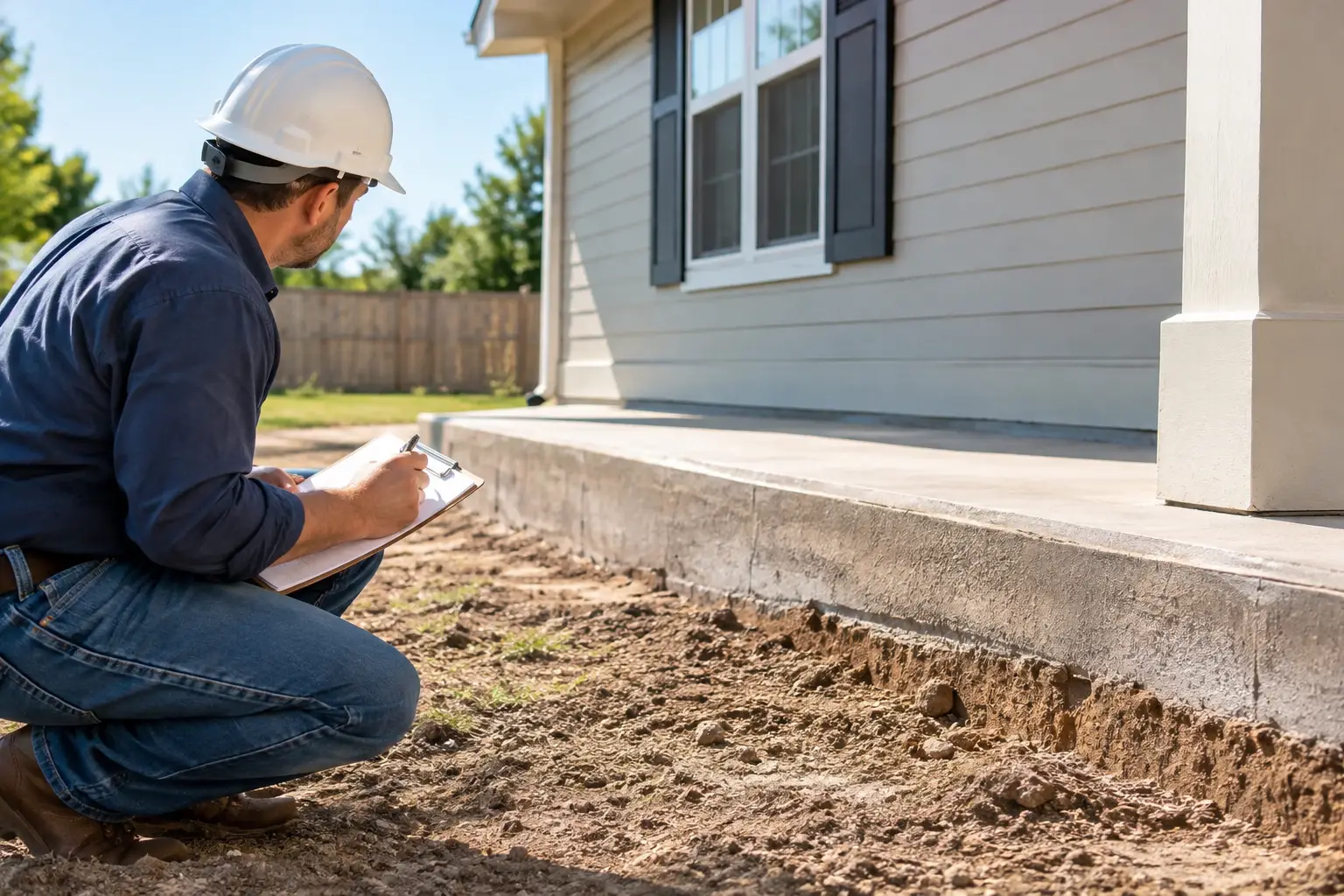
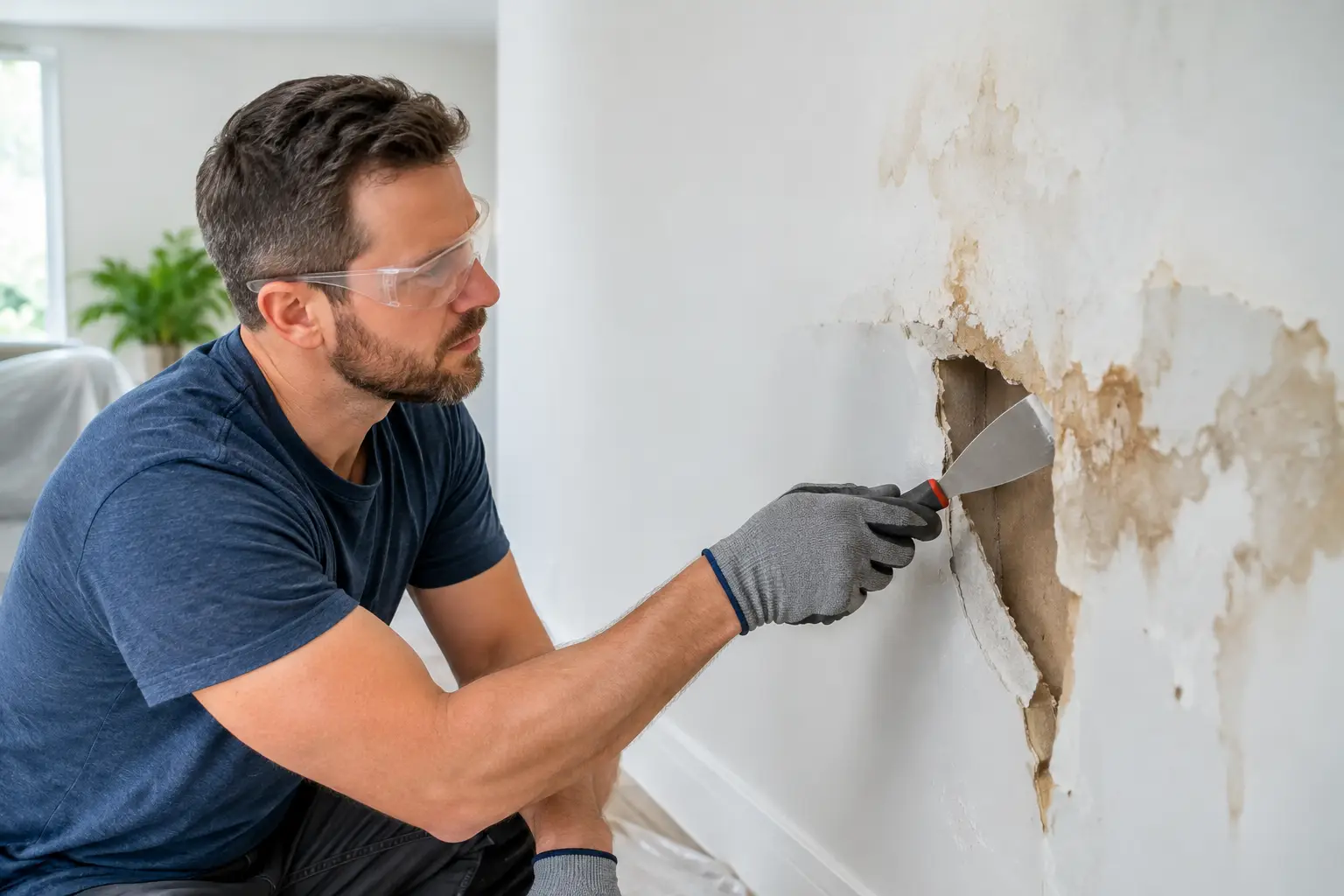
That said, resale buyers should look beyond cosmetic appeal. Fresh paint and new flooring do not answer questions about foundation movement, water intrusion, aging plumbing, roof condition, electrical capacity, or insulation. A thorough inspection is essential, and a renovation budget should account for discoveries that may not be visible during a showing.
Cost: Compare the Full Investment, Not the Sticker Price
The most common mistake in a custom build versus resale comparison is treating the purchase price as the complete cost. It rarely is.
With a resale home, your true investment may include the down payment, closing costs, inspection findings, immediate repairs, furniture that fits an awkward layout, and renovations needed to make the property work. If you buy a home for its address but plan a major kitchen remodel, addition, foundation repair, or backyard overhaul, those projects should be part of the original financial picture.
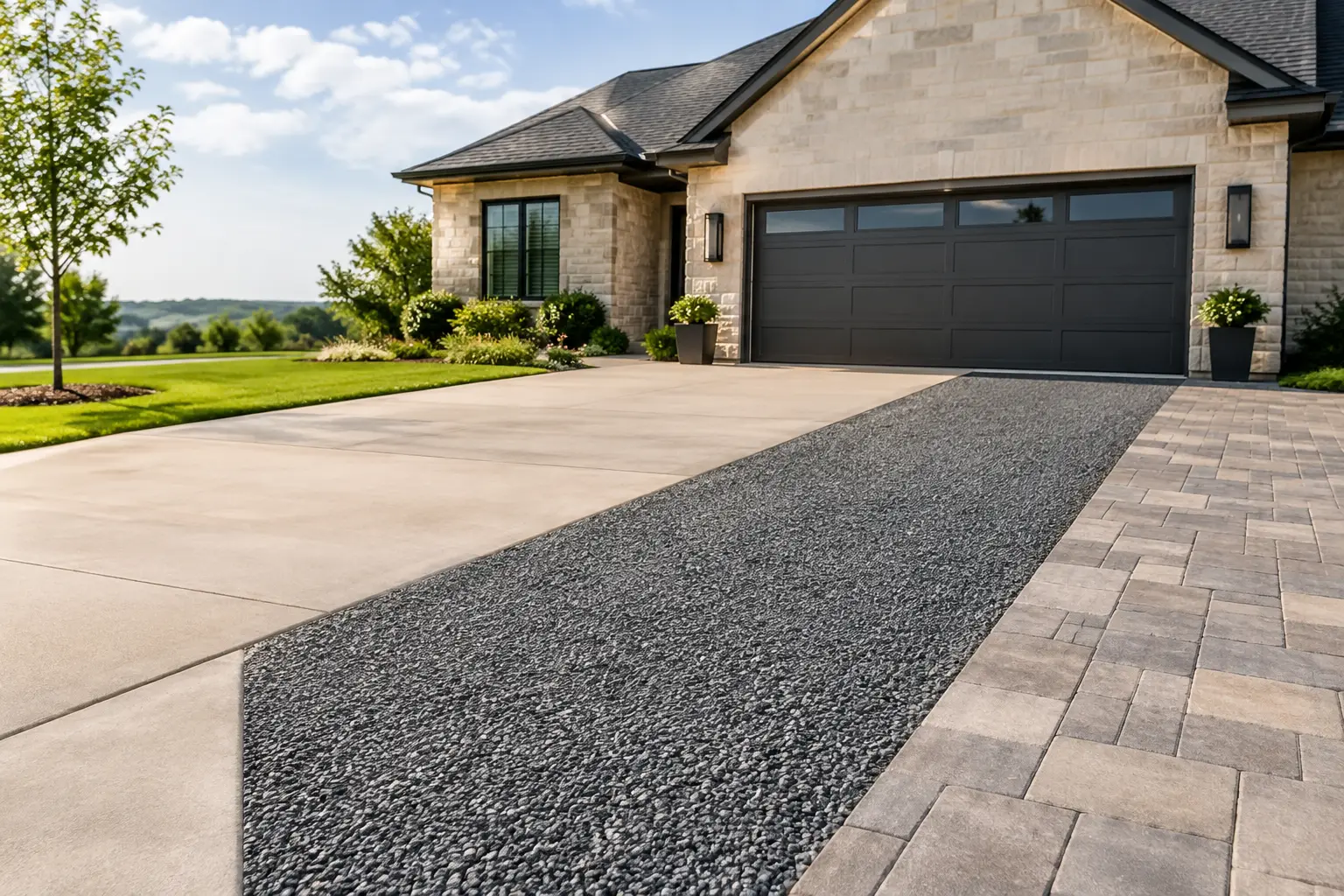
With a custom build, the budget must include land, site preparation, utilities, permits, design, construction, landscaping, driveway work, and contingency funds. Challenging lots can add meaningful cost, particularly where grading, drainage, rock excavation, septic systems, or utility extensions are involved.
Neither route is universally less expensive. A resale home that needs extensive work can approach or exceed the cost of building new, while a custom home on a difficult site can quickly outpace a comparable finished property. The right comparison is between two complete, realistic plans.
Timing and Decision Fatigue Matter
Resale homes typically offer speed, but renovation can extend the process. If the home is livable, you may move in quickly and improve it in phases. That can spread costs, though it also means living around construction and making decisions while the project is underway.
Custom building requires patience. Design, permitting, land preparation, material selection, and construction all take time. The advantage is that major decisions are made before construction begins, with a coordinated plan guiding the work. The challenge is staying disciplined when selections and upgrades begin competing for the budget.
For some clients, the time required to build is worthwhile because it eliminates the disruption of buying twice: once for the house and again for the renovation. For others, a move-in-ready resale home is the better fit because life cannot wait for a build schedule.
When Remodeling a Resale Home Is the Best Middle Ground
There is a third path that deserves serious consideration: buy a resale home with strong bones in a location you love, then remodel strategically. This approach can preserve the neighborhood advantages of an existing property while delivering much of the personalization associated with a custom home.
The most successful remodels start with a realistic assessment of the structure and a clear scope. Opening a kitchen to the living room, adding a primary suite, converting unused space into a home office, building an ADU, or creating a covered outdoor entertaining area can significantly improve daily life and property value. However, a home with major structural, water, or foundation concerns should be evaluated carefully before design choices take center stage.
NXT Construction Inc. helps Central Texas property owners assess both the visible potential and the practical realities of substantial renovation and new construction. The right project begins with honest planning, not a rushed promise.
How to Make the Decision With Confidence
Choose a custom build when your lifestyle requirements are specific, you have access to the right land or community, and you are prepared to invest time in planning. It is especially compelling when you want a home that supports family life, work, entertaining, accessibility, or future income opportunities without major compromises.
Choose resale when location, timing, or established neighborhood character matters most and the home needs only manageable updates. A resale property can be an excellent investment when its layout, condition, and renovation potential align with your goals.
If you feel caught between the two, begin with a property assessment and a preliminary project conversation before committing. Understanding what it would take to build, repair, expand, or remodel can turn a difficult choice into a clear next step. The best home is not the one that looks impressive on day one. It is the one that continues to support the life you are building inside it.