
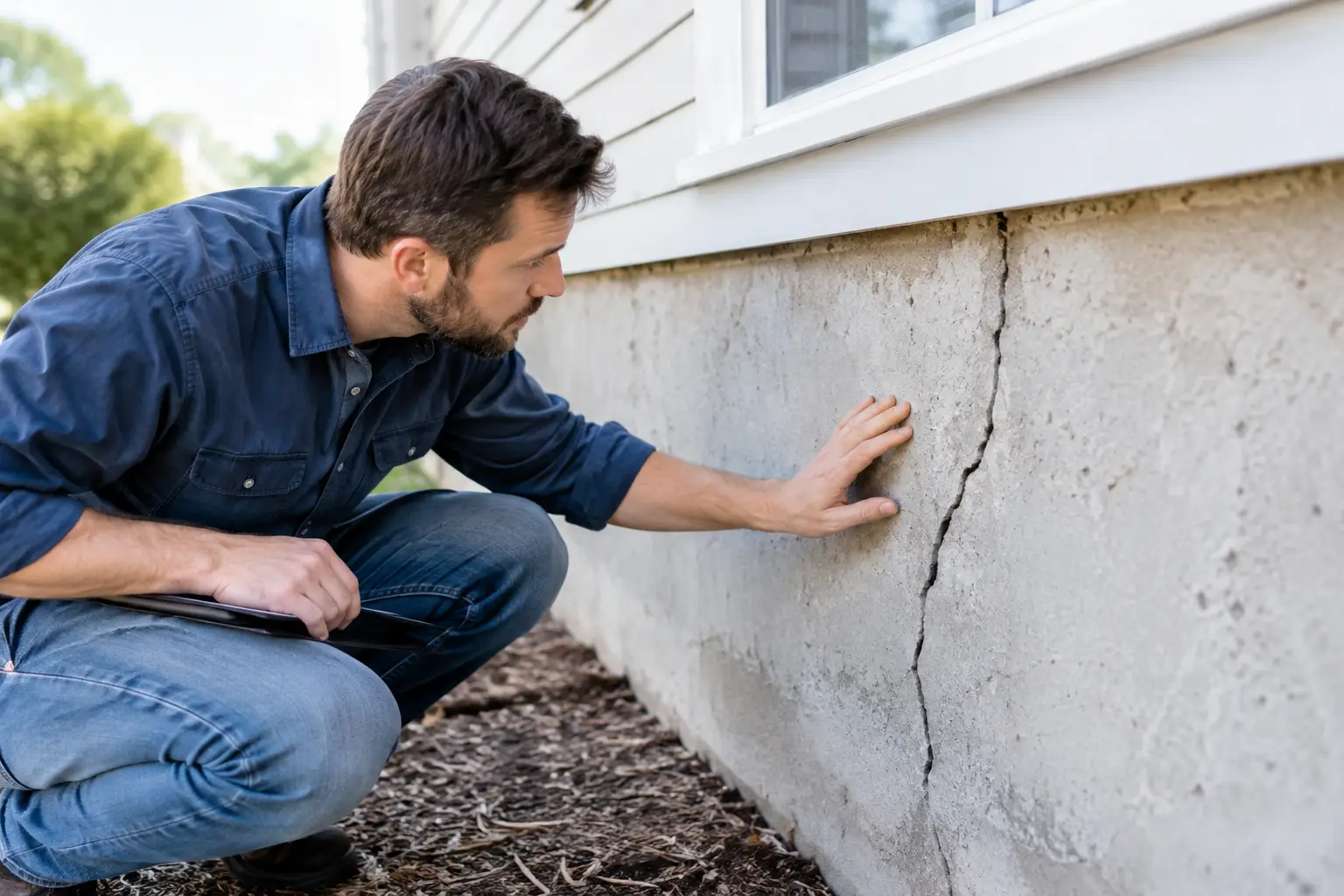
A hairline crack in a garage floor may be a normal part of concrete curing. A widening crack beside a sticking door after a long Central Texas dry spell is a different conversation. Are foundation cracks serious? Sometimes, yes. The crack itself is not always the problem, but it can be evidence that the soil, drainage, framing, or foundation beneath your property is moving in a way that deserves professional attention.
For homeowners, that uncertainty can be stressful. Your home is both a major financial investment and the place where your family lives, works, and gathers. Knowing what to watch for helps you act early, protect your property value, and avoid treating a structural concern like a cosmetic repair.
Are Foundation Cracks Serious? It Depends on the Pattern
Concrete is durable, but it is not flexible. As a home settles, as temperatures change, or as concrete cures, small cracks can develop. Not every crack means a foundation is failing. The concern rises when cracks suggest active movement, uneven settlement, moisture intrusion, or stress that is affecting other parts of the structure.
A crack’s location, direction, width, and changes over time all matter. One thin, stable crack in a slab may require monitoring and sealing. Multiple cracks that grow, spread, or appear alongside interior damage may point to a larger foundation issue.
Horizontal cracks in a foundation wall, for example, can indicate pressure from soil or water outside the wall. Vertical cracks are often less concerning, especially when they are narrow and stable, but they still need context. Diagonal or stair-step cracks in brick, block, or exterior masonry can signal differential movement, meaning one part of the home is settling or lifting differently than another.
The most useful question is not simply, “How big is the crack?” It is, “What is causing it, and is that cause still active?”
Why Central Texas Homes Need a Closer Look
Austin-area properties face soil conditions that make foundation movement more common than many homeowners expect. Much of Central Texas has expansive clay soil. During extended heat and drought, clay loses moisture and contracts. When heavy rain returns, it can absorb water and swell. That repeated expansion and contraction can place uneven pressure on a slab foundation or pier-and-beam structure.
Drainage can intensify the problem. Water that collects near the foundation, downspouts that empty too close to the home, poorly graded landscaping, and irrigation leaks can oversaturate soil in one area. On the other hand, large trees planted close to the home may pull substantial moisture from the soil during dry weather. Both extremes can contribute to movement.
Plumbing leaks beneath a slab are another possibility. A hidden leak can soften or wash out supporting soil, while a leak inside the home may create water damage that is mistaken for a simple surface issue. This is why a quality inspection considers the whole property, not just one visible crack.
Cracks That Usually Deserve Fast Attention
Foundation concerns become more urgent when visible cracking is paired with changes in how the home performs. These symptoms can indicate that movement is affecting the structure beyond one isolated area:
- Cracks wider than about one-quarter inch, especially if they are widening or changing shape
- Horizontal cracks, bulging walls, or cracks that allow moisture into a basement, crawl space, or garage
- Stair-step cracks in brick or masonry, particularly around windows, doors, and corners
- Doors or windows that suddenly stick, will not latch, or show growing gaps around their frames
- Uneven, sloping, or bouncy floors, along with separations between walls, ceilings, cabinets, or trim
- Cracks that reappear soon after patching or new cracks that develop in several rooms
One sign alone does not confirm the need for foundation repair. A sticky door can be caused by humidity, and a drywall crack can come from normal seasonal movement. But several symptoms appearing together warrant a prompt assessment. Waiting for a minor issue to become obvious often means waiting until repairs are more disruptive and expensive.
Exterior Clues Matter as Much as Interior Ones
Many homeowners first notice interior drywall cracks, but the exterior often tells the more complete story. Look around the home’s perimeter for cracks in brick veneer, gaps around exterior doors, separated trim, leaning fences, or soil pulling away from the slab during dry conditions.
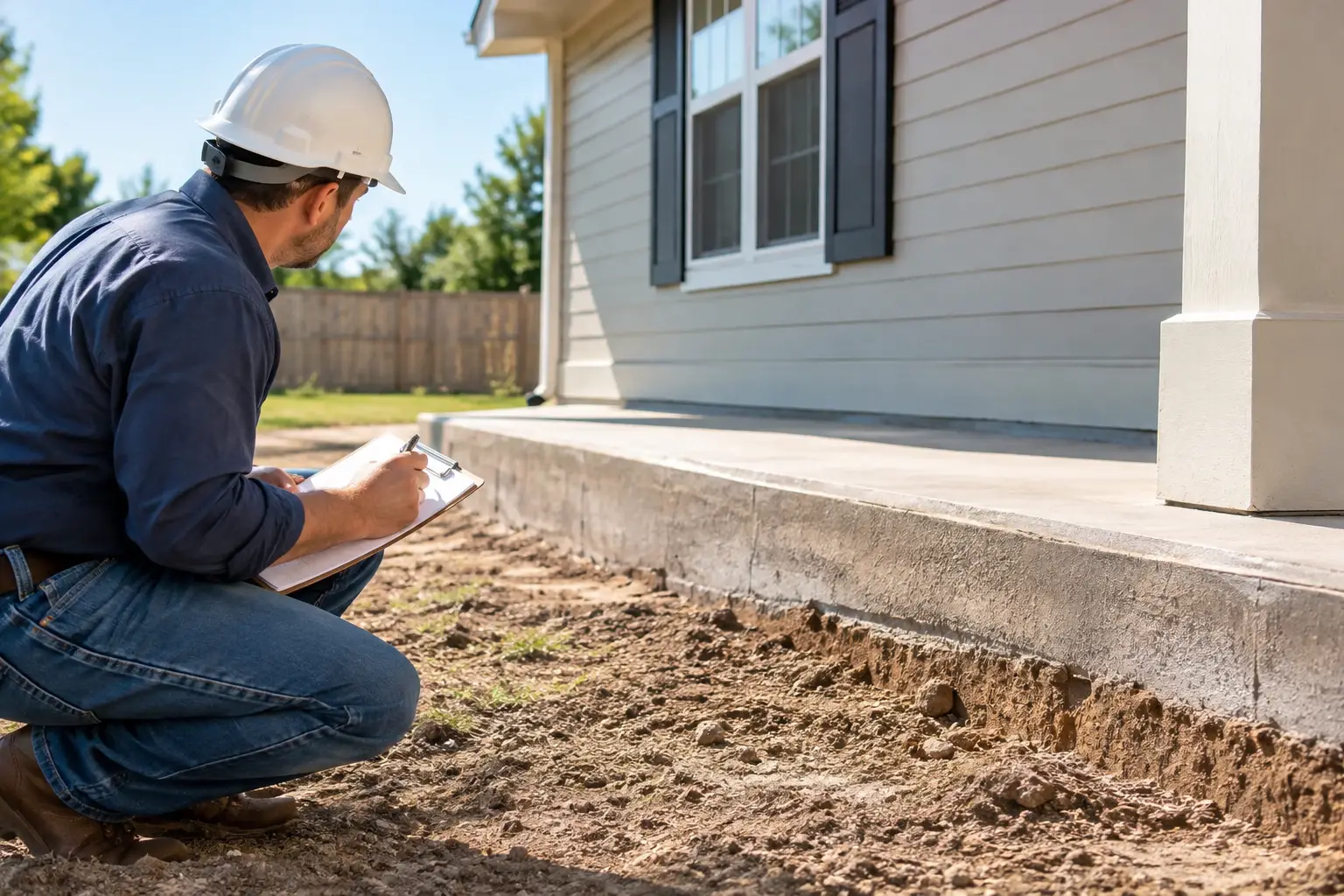
Pay attention after major weather shifts. A crack that seems stable during one season but expands after heavy rain or a long dry stretch should be documented. Take dated photos from the same angle, and avoid covering the crack before someone has evaluated it. Clear records make it easier to determine whether movement is ongoing.
What Not to Do When You Find a Crack
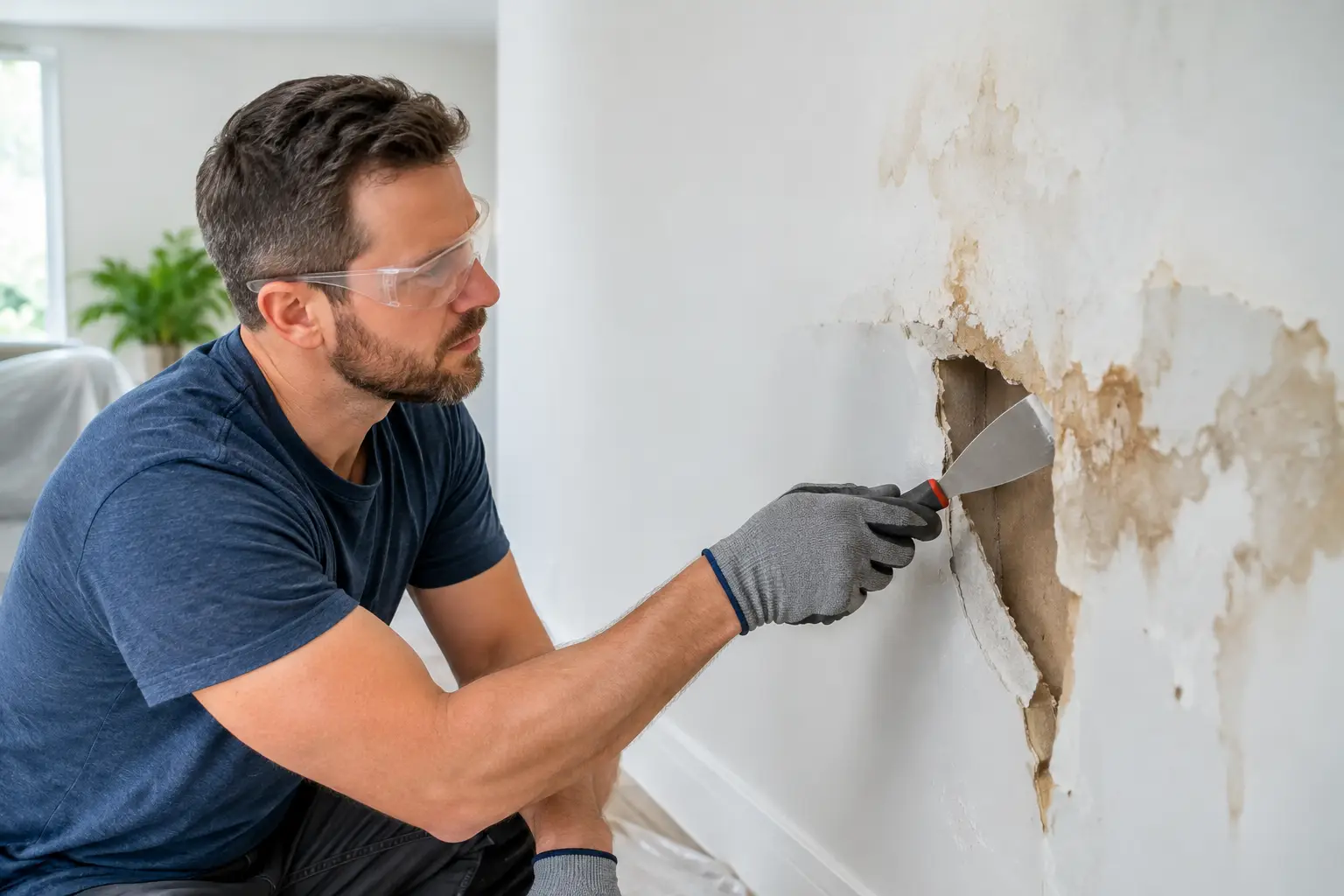
It is tempting to fill the crack, repaint the wall, and move on. Cosmetic repairs have a place, but they should come after the underlying cause is understood. Patching an active crack may make it look better temporarily while the movement continues behind the surface.
Avoid aggressively changing your watering routine without guidance, too. Consistent moisture management can help with expansive soil, but overwatering near the foundation can create its own set of problems. The goal is not to keep soil constantly wet. It is to maintain sensible, even conditions while directing surface water away from the structure.
You also do not need to assume the worst. Foundation repair can range from drainage corrections and minor crack sealing to more involved structural solutions. The right scope depends on the property, soil conditions, construction type, and evidence of active movement. A trustworthy contractor should explain the findings in plain language and recommend only the work your property needs.
What a Professional Foundation Assessment Should Cover
A meaningful foundation inspection is more than a quick look at a crack. It should evaluate the relationship between the crack and the rest of the property. That includes interior and exterior symptoms, floor elevations where appropriate, drainage patterns, grading, roof runoff, landscape conditions, and signs of moisture or plumbing concerns.
The assessment should also distinguish between foundation movement and other issues. For example, a crack over a doorway may be related to framing movement, while cracking near a shower could involve moisture damage. The best repair plan starts with an accurate diagnosis, because a repair that addresses the symptom but not the cause may not deliver lasting value.
If structural repair is recommended, ask what method is proposed, why it fits your home, and what site conditions need to be corrected to support the repair. Drainage improvements, plumbing repairs, gutter adjustments, and soil management may be part of a complete solution. Foundation work is an investment in stability, not just an isolated construction task.
Protecting Your Home Before Problems Grow
A few practical habits can reduce avoidable stress around the foundation. Keep gutters clear, ensure downspouts direct water away from the home, and correct areas where water ponds near the perimeter. Watch irrigation for broken heads or overspray against the slab. During dry periods, maintain landscaping thoughtfully and keep large plantings from creating uneven moisture conditions near the structure.
It also helps to walk the property a few times each year. Check doors, windows, floors, brickwork, and visible concrete after seasonal changes. Homeowners who notice changes early have more options than those who wait until cracks are severe or water has entered the home.
For Central Texas property owners, a foundation crack is worth respecting but not fearing. The right next step is a careful evaluation by a qualified local professional who understands the area’s soil, weather, drainage, and construction patterns. NXT Construction Inc. approaches foundation concerns with the same care given to every major home investment: a clear assessment, practical recommendations, quality workmanship, and a solution built around your property’s long-term performance.
A crack may be minor, or it may be your home’s early signal that something needs attention. Listening to that signal now can protect the comfort, safety, and value of the space you have worked hard to make your own.



One Response