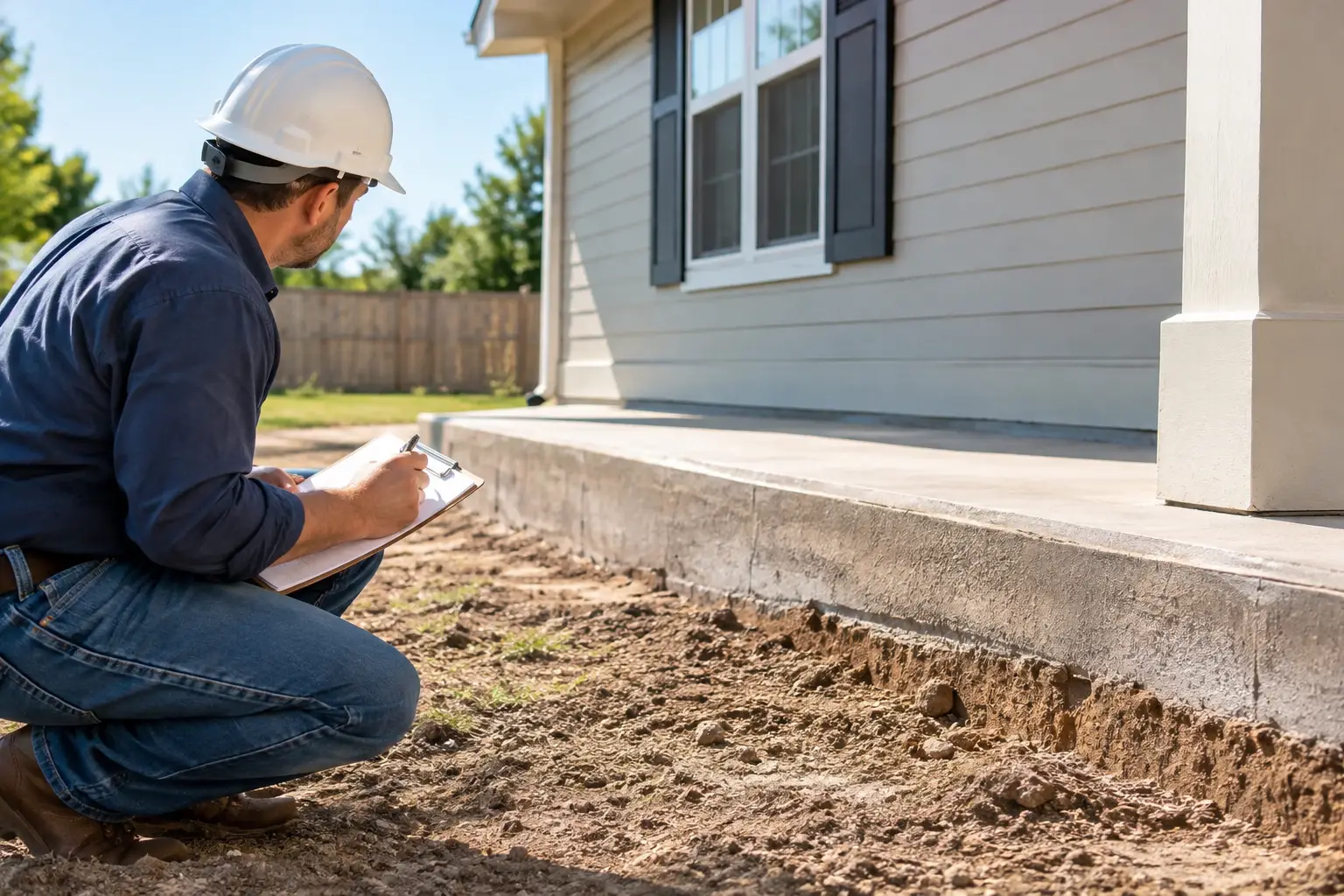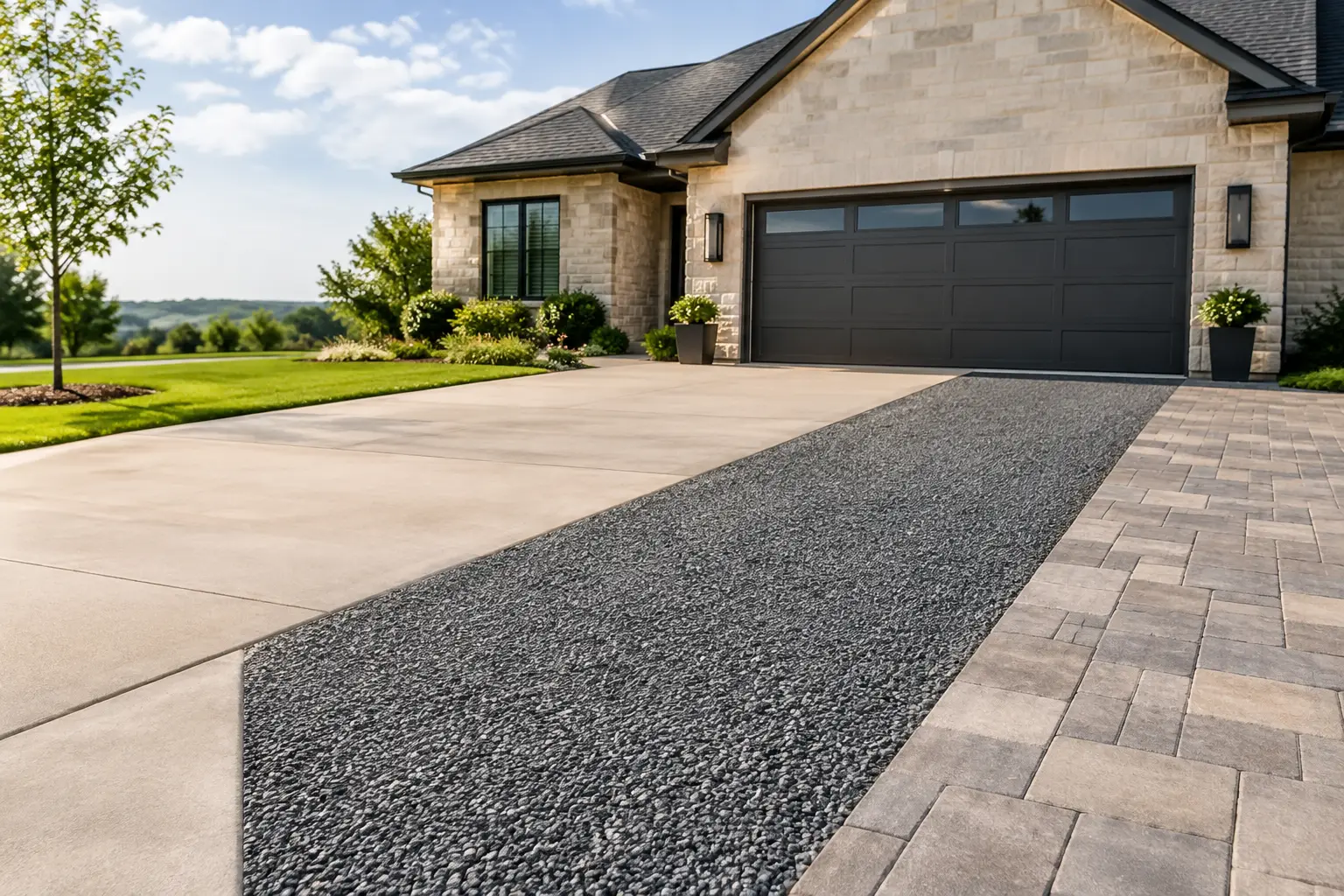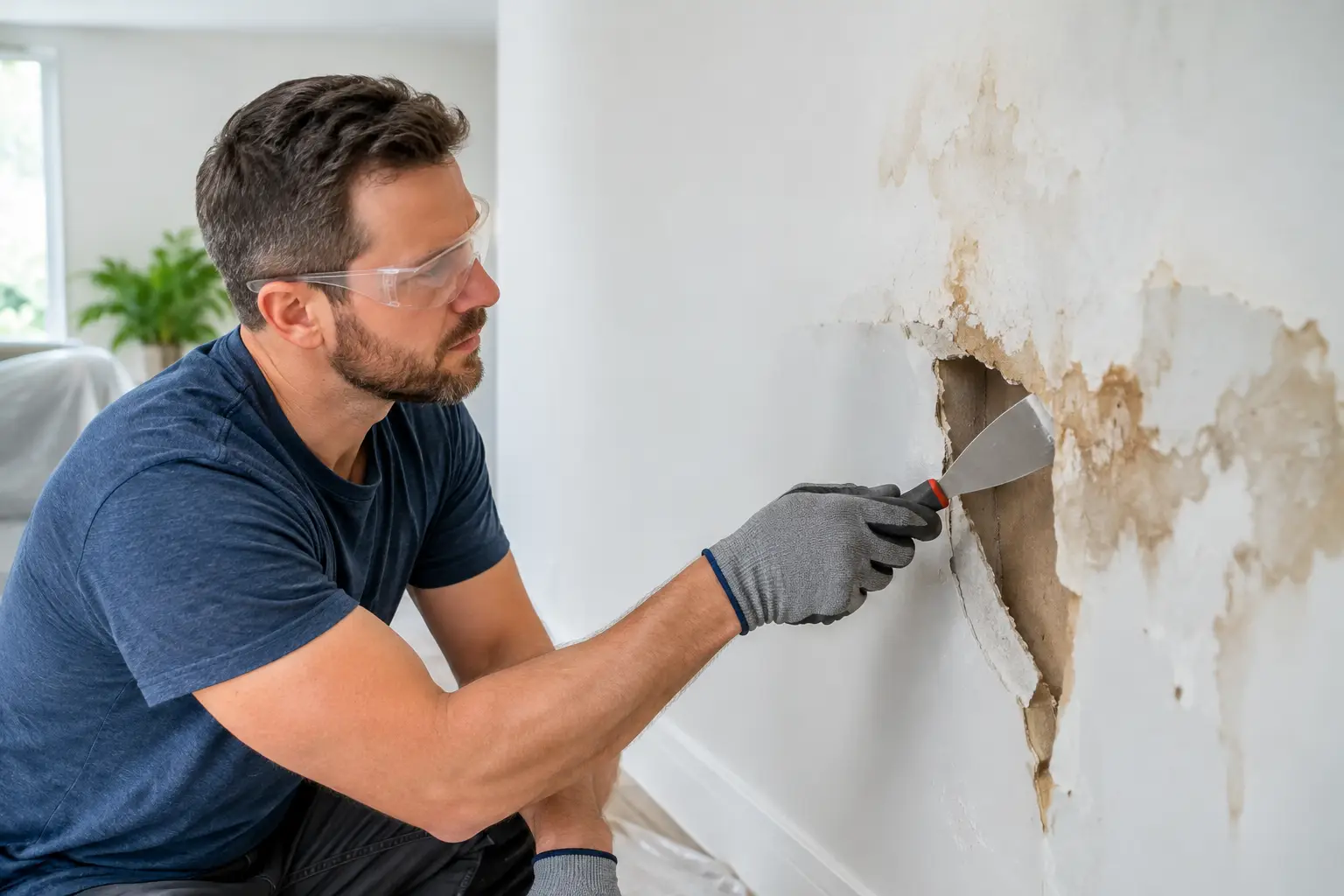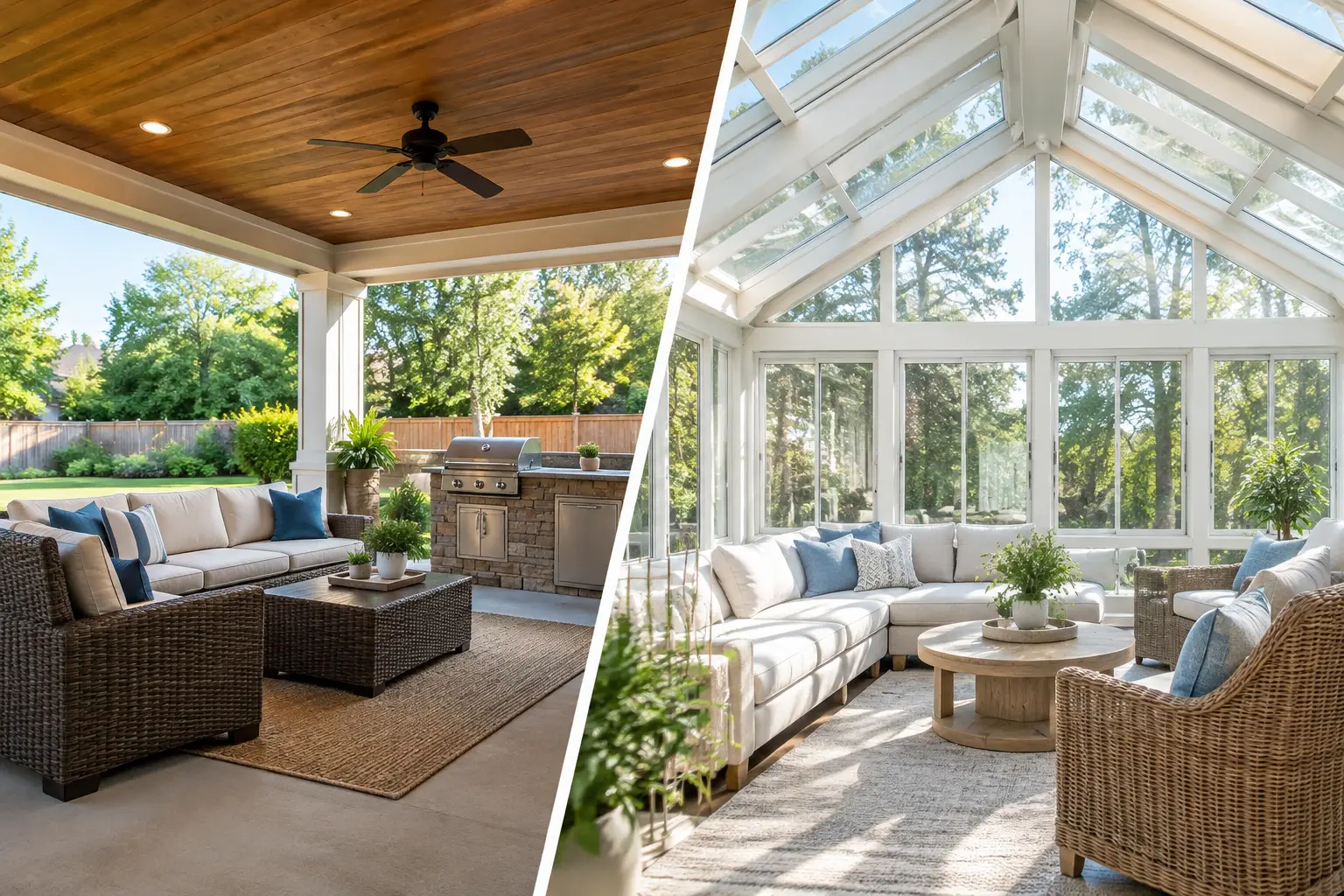
A kitchen that no longer works for a growing family, a cracked driveway, a water-damaged wall, or a commercial space that feels dated can look like separate problems. In reality, each calls for thoughtful general construction: a coordinated process that brings planning, skilled labor, materials, scheduling, and accountability together to improve a property the right way.
For Central Texas homeowners and business owners, construction decisions carry real weight. Your property is not just a building. It supports family routines, business operations, rental income, long-term equity, and the way you want to live. The right contractor helps turn a clear need or a big idea into a finished space that performs well long after the final walkthrough.
What General Construction Actually Covers
General construction is the management and execution of building, repair, renovation, and improvement work across multiple trades. It may involve demolition, framing, concrete, electrical, plumbing, drywall, insulation, roofing, finishes, and site work. The scope can be as focused as repairing structural damage or as extensive as building a custom home, addition, ADU, commercial retrofit, or complete outdoor living area.
The value of a general contractor is not simply having someone schedule workers. It is having one accountable partner who understands how every phase affects the next. A new bathroom layout changes plumbing routes. Removing a wall may require engineering and structural reinforcement. An outdoor kitchen needs a plan for utilities, drainage, weather exposure, and the way the space will be used.
When those details are considered together from the start, the project is more likely to stay organized, code-conscious, and aligned with the client’s budget and goals.
Why Planning Comes Before Construction
The best construction projects begin before materials arrive on site. A detailed assessment helps identify what the property needs, what is possible within the existing structure, and where investment will make the greatest difference.
For example, a homeowner may initially request a cosmetic kitchen renovation. During inspection, it may become clear that aging plumbing, insufficient electrical capacity, or uneven flooring should be addressed at the same time. That can increase the initial scope, but it may prevent the frustration and cost of reopening finished walls later.
Planning also creates room for better decisions about design and function. A growing family may need more storage, durable flooring, and sightlines that make daily life easier. A remote professional may prioritize a quiet home office with efficient insulation and reliable electrical service. An investor may focus on an ADU that supports rental income while fitting naturally into the lot and neighborhood.
There is always a balance. Not every project needs the highest-end material or the largest possible addition. A well-managed project identifies the improvements that serve the property best, then selects materials and methods that make sense for the budget, maintenance expectations, and intended lifespan of the space.
Site Conditions Matter in Central Texas
Central Texas properties present conditions that should never be treated as an afterthought. Expansive clay soils can contribute to foundation movement. Intense heat, sudden storms, and heavy rain can test roofing, drainage, concrete, and exterior finishes. Older homes may contain construction methods or systems that require additional care when renovating.
A contractor should evaluate the existing property before promising a solution. Foundation repair, water remediation, insulation upgrades, and drainage improvements are not glamorous projects, but they can protect the work that comes after them. Installing beautiful finishes without resolving moisture intrusion or structural concerns is a short-term win with a long-term risk.
The General Construction Process Should Feel Clear
Construction can be disruptive, particularly when work affects a kitchen, bathroom, primary living area, or active business location. Clear communication does not eliminate every surprise, but it gives clients a realistic understanding of what is happening, why it matters, and what comes next.
A strong process usually begins with an on-site consultation and assessment. This is where priorities, ideas, budget parameters, timing concerns, and existing property conditions are discussed. From there, the project moves into scope development, design coordination when needed, estimates, material selections, permits, scheduling, and construction.
During the build, the contractor coordinates trades, inspections, material delivery, quality checks, and changes that arise in the field. Clients should not have to chase down answers about the schedule or wonder who is responsible for a problem. They deserve a construction partner who communicates directly and takes ownership of the details.
At NXT Construction Inc., that client-partnership approach is central to the work. Whether the project is a driveway replacement, a home addition, a custom outdoor kitchen, or a commercial renovation, the objective is to create a finished result that feels intentional, durable, and built around the client’s needs.
Where Craftsmanship Shows Up
Craftsmanship is easy to notice in a finished tile layout, clean trim work, smooth concrete, or cabinetry that fits precisely. It is just as important in the work most people never see: properly fastened framing, protected plumbing connections, careful waterproofing, level subfloors, and correctly installed insulation.
Those behind-the-wall details determine how a space holds up. They influence comfort, energy use, durability, and future maintenance. A rushed installation can create problems that remain hidden until a leak, crack, or performance issue appears months later.
Quality construction also means respecting the relationship between materials. A material that performs beautifully indoors may not be right for an exposed patio. A striking countertop may require more maintenance than a busy household wants to give it. Spray foam insulation can improve efficiency and comfort, but it should be chosen as part of a whole-home approach that considers ventilation and the building envelope.
The right choice depends on the property and the people using it. Good contractors explain those trade-offs plainly instead of pushing a one-size-fits-all solution.
Construction Investments That Improve Daily Life
General construction is often discussed in terms of square footage and resale value. Those measures matter, but the everyday benefits are often what clients appreciate most.
A remodeled kitchen can make morning routines easier and bring people together around a space designed for cooking and conversation. A bathroom renovation can add storage, accessibility, and a more comfortable start and end to the day. An ADU can create privacy for extended family, a dedicated work space, or a source of income. A patio cover, pergola, outdoor gym, or outdoor kitchen can turn an underused backyard into a place that works in every season.
For commercial clients, improvements may support productivity, customer experience, storage needs, safety requirements, or a stronger first impression. A well-planned retrofit can help a space better match the way a business operates now, rather than the way it operated years ago.
The common thread is purposeful construction. The goal is not to change a space simply because it is old. The goal is to make it work better for the people who rely on it.
Choosing a Contractor for General Construction
Construction proposals can look similar at first glance, especially when comparing total price. The real differences often become visible in the scope, assumptions, communication standards, and quality controls behind that number.
Ask how the contractor evaluates existing conditions, handles permits and inspections, coordinates subcontractors, and manages changes once work begins. Ask what is included and what could affect the price or timeline. A professional contractor should be comfortable discussing the practical side of the job, not just the finished look.
Experience across multiple project types can be especially valuable for complex renovations. A team that understands structural work, water damage, concrete, insulation, additions, and finish construction can better recognize how one issue affects another. That broader perspective helps protect both the project and the property.
Trust also comes from responsiveness. You should feel heard when you explain your priorities, whether they involve a fixed budget, a family deadline, accessibility needs, architectural style, or plans to remain in the home for decades.
Build for the Way You Want to Live
The right construction project starts with a practical question: what would make this property serve you better? The answer may be more space, better flow, greater durability, improved efficiency, a repaired foundation, or a place where friends and family can gather.
Start with an honest assessment of the property and a clear picture of your goals. Then choose a construction partner prepared to bring design awareness, skilled execution, and steady communication to every stage. When the work is planned with care, your investment can become a space that feels more useful, more personal, and ready for what comes next.