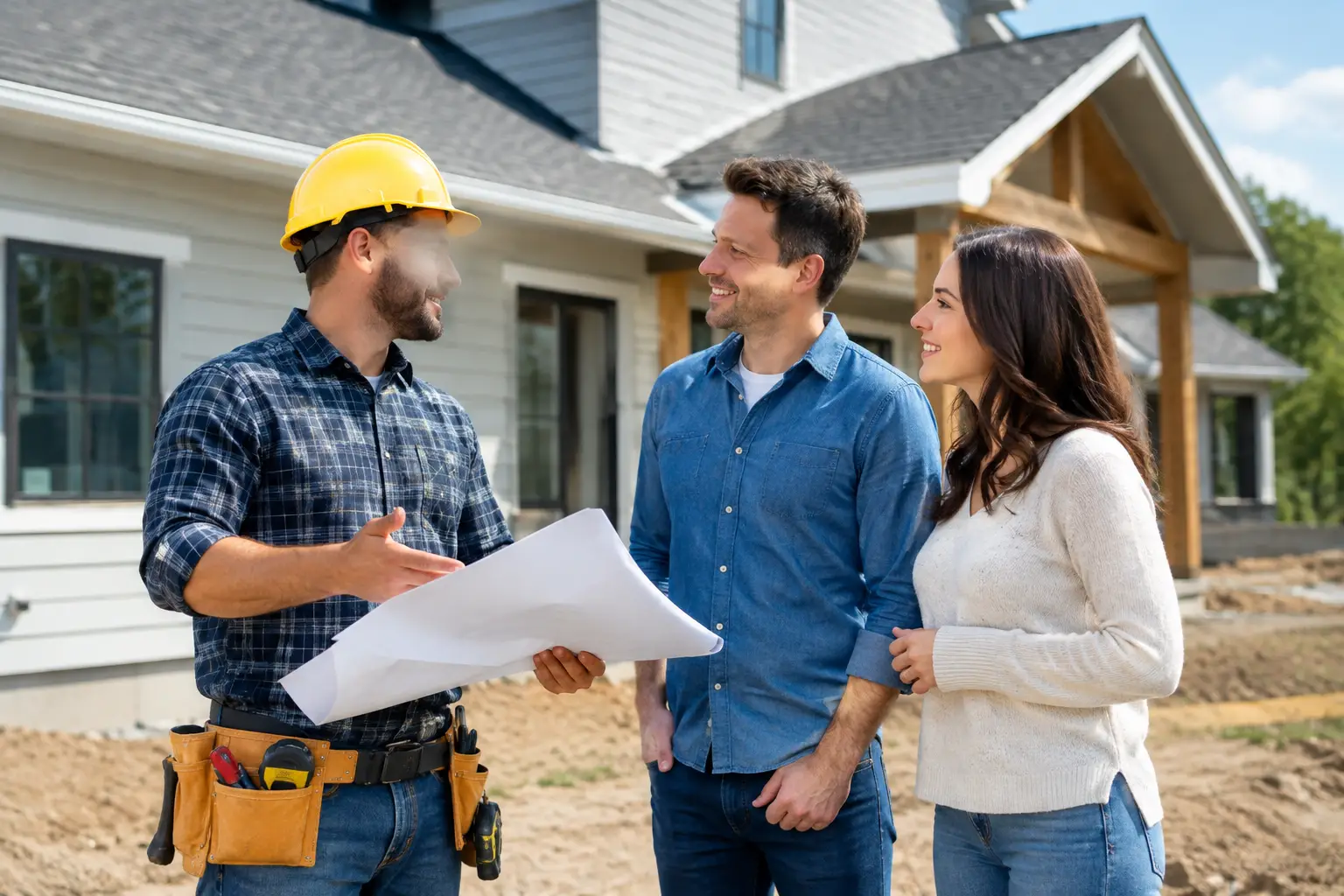
A cramped kitchen, a growing family, a work-from-home routine that has outgrown the spare bedroom – these are not small inconveniences. They are signs that your home needs to work harder for you. When you search for house addition contractors near me, you are not simply looking for someone to build more square footage. You are looking for a partner who can protect your investment while turning a real need into a space your family will enjoy for years.
For Central Texas homeowners, an addition can mean a larger primary suite, a light-filled family room, a dedicated office, an in-law suite, or a connected indoor-outdoor living area. The right project can improve daily life and strengthen long-term property value. The wrong contractor can create budget surprises, delays, and a result that never quite feels like part of the original home.
Start With the Problem You Need the Addition to Solve
Before comparing contractors, get clear about why you are expanding. A successful addition begins with function, not just square footage. For example, a new bedroom may solve a short-term need, but a flexible suite with a bathroom, storage, and separate access may better serve an aging parent, returning adult child, or future guest.
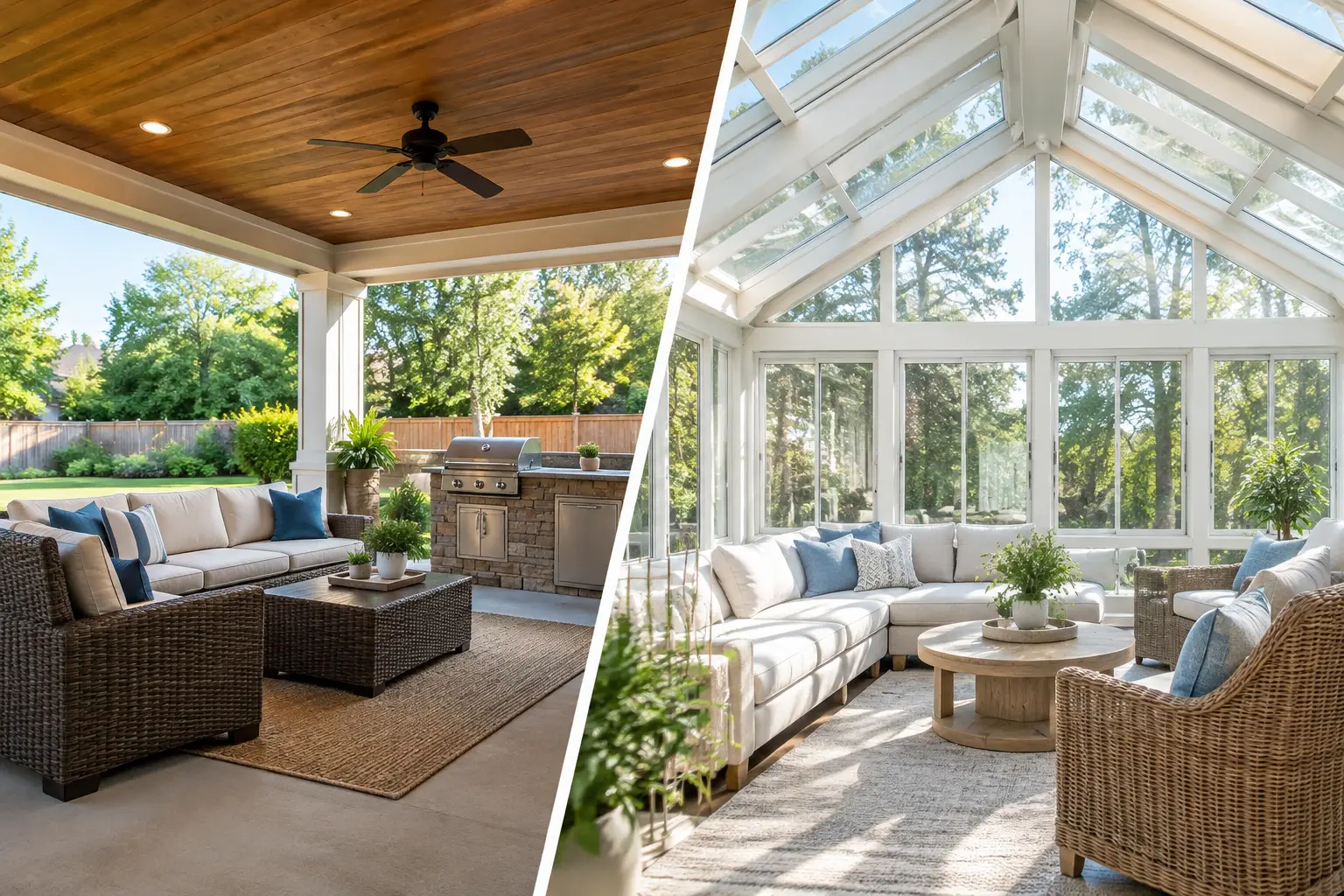
Consider how your household uses the home now and how that may change over the next five to ten years. Families often need room to gather without losing private space. Remote professionals may need a quiet office that does not compete with family activity. Homeowners who love entertaining may benefit more from an expanded kitchen and covered patio connection than from a conventional room addition.
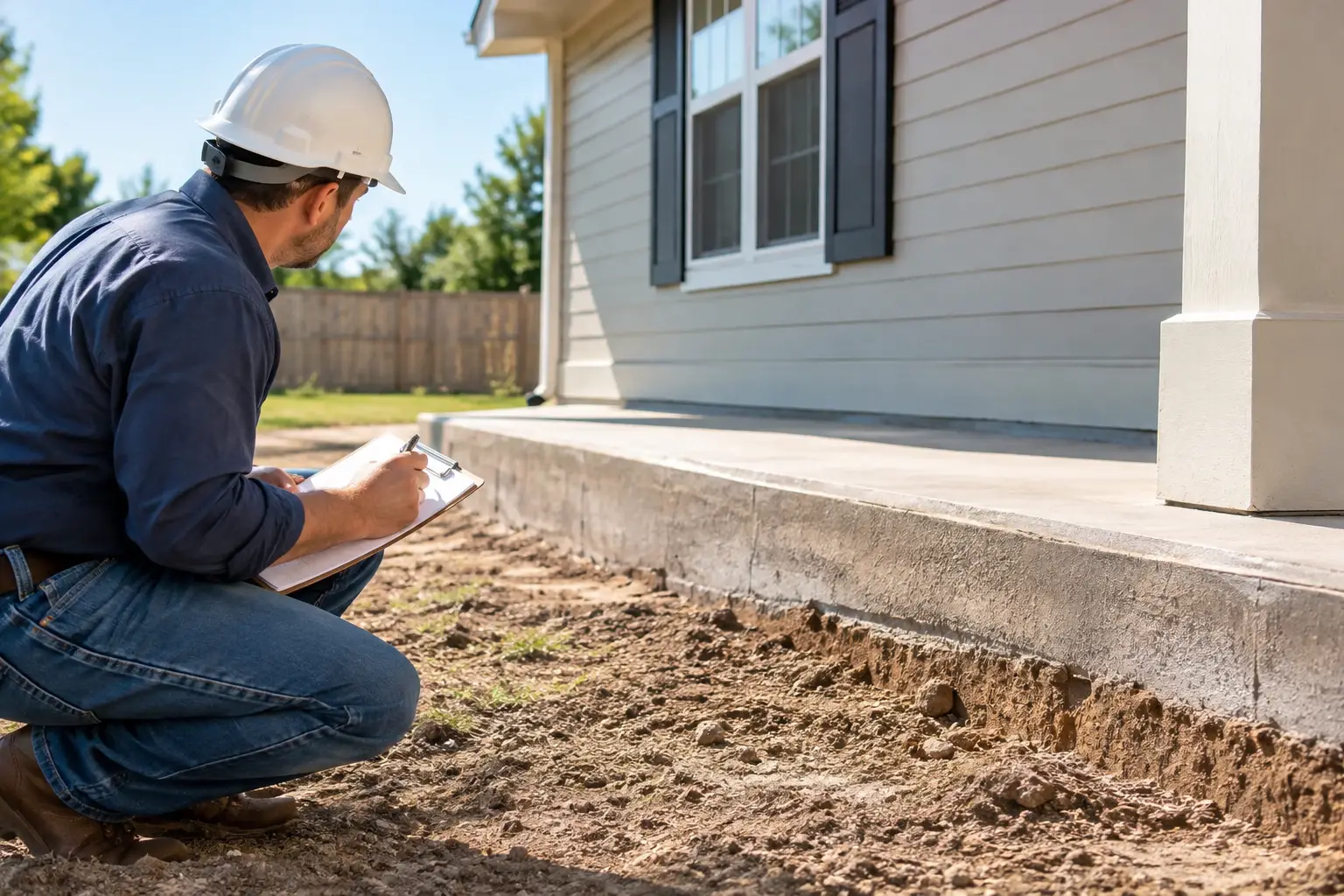
Your goals should also account for the property itself. Lot size, setbacks, utility locations, existing foundation conditions, drainage, trees, and neighborhood requirements can all shape what is practical. In Austin, Leander, Cedar Park, Georgetown, Lakeway, Liberty Hill, and nearby communities, permitting requirements and site conditions can vary significantly. A contractor who understands the local landscape can identify constraints early, when changes are manageable rather than costly.
What House Addition Contractors Near Me Should Handle
An addition involves far more than framing walls and installing finishes. It is a coordinated construction effort that must make a new structure look, feel, and perform as though it belongs with the original home. That takes planning across design, engineering, permitting, construction, and final details.
A capable full-service contractor should help guide the project from the first assessment through completion. That typically includes evaluating the existing home, discussing layout options, developing a realistic scope, coordinating plans and permits, scheduling qualified trades, managing inspections, and keeping you informed as work progresses.
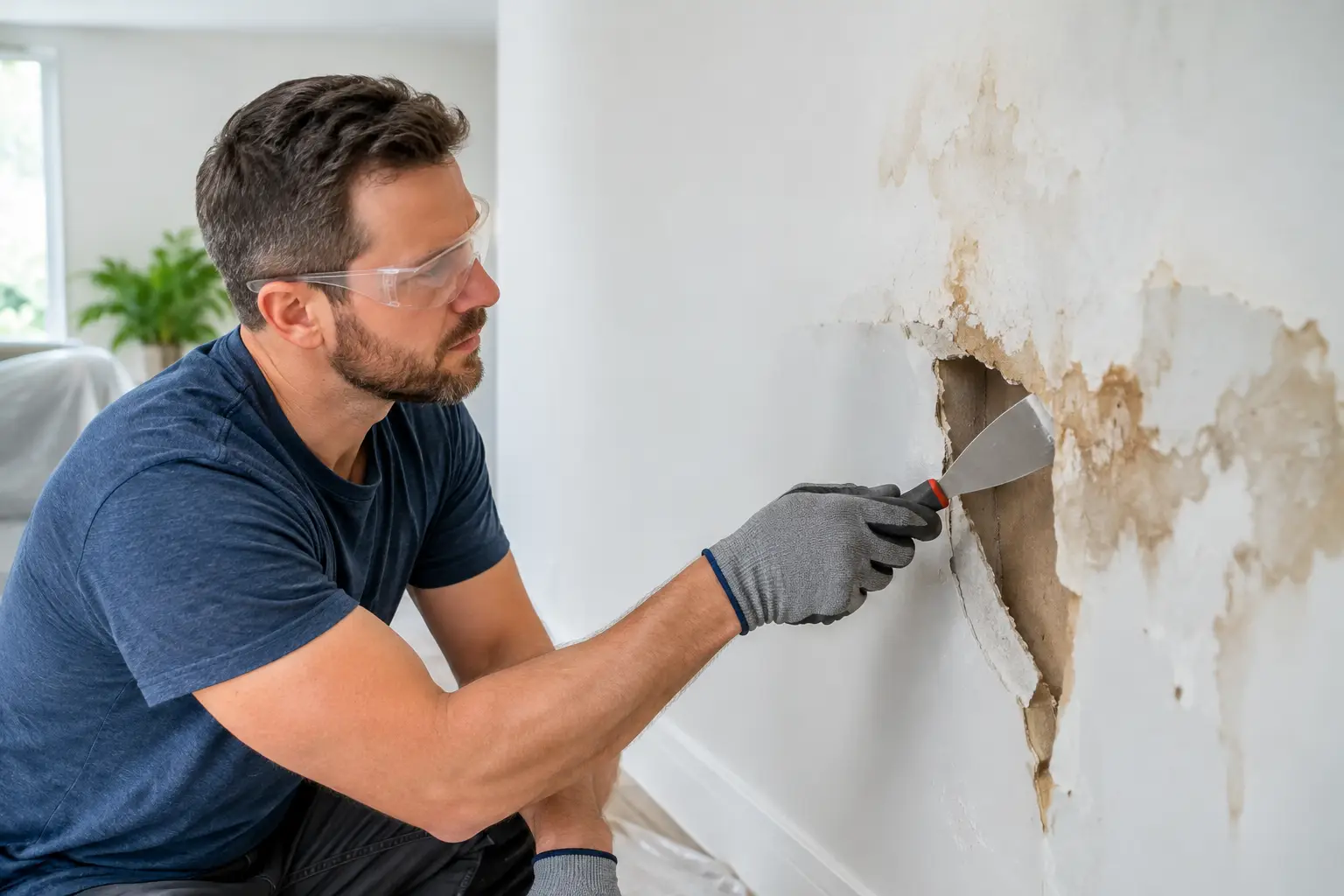
The contractor should also pay close attention to the transitions between old and new. Rooflines, exterior materials, flooring elevations, windows, insulation, HVAC capacity, electrical loads, and drainage all deserve careful consideration. A beautiful new room that is difficult to heat, has uneven floors, or creates water-management issues is not a successful addition.
For more complex projects, you may need structural planning or foundation work before the addition can begin. This is especially relevant in Central Texas, where soil movement and existing foundation conditions can affect the design. An experienced contractor will address these realities directly instead of treating them as an inconvenient surprise after demolition starts.
Look Beyond the Lowest Estimate
It is natural to compare estimates, but the lowest number does not always represent the best value. Construction proposals can look similar while covering very different levels of planning, materials, supervision, and finish quality.
Ask each contractor how the estimate was built. Is it based on clear plans and defined selections, or is it an early allowance that could rise later? Does it include permits, site protection, demolition, utility work, insulation, paint, cleanup, and final punch-list items? If a price seems dramatically lower than others, find out what may be missing.
A detailed proposal protects both sides. It establishes the scope of work, payment schedule, anticipated timeline, product assumptions, and process for changes. No renovation or addition is completely free of unknowns, particularly when tying into an existing home. What matters is whether the contractor has a professional process for identifying issues, explaining options, documenting changes, and controlling costs.
There are times when a phased approach makes sense. You may choose to complete the structural shell and major systems now, then delay certain built-ins or higher-end finishes. That can be a smart decision when it is intentional. Cutting corners on waterproofing, structural work, insulation, or mechanical systems, however, often leads to avoidable costs later.
Ask Questions That Reveal How They Work
A contractor’s portfolio is valuable, but the conversation around that portfolio is even more revealing. Ask to see projects that are similar in scale, age, or style to your home. A builder who excels at new construction may still be an excellent choice, but additions require special skill in integrating new work with existing conditions.
You should understand who will manage the job day to day and how often you can expect updates. Clear communication is one of the strongest indicators of a well-run project. You deserve timely answers about schedule changes, material decisions, inspection results, and any condition that may affect the budget.
It also helps to ask how the contractor handles the lived-in nature of an addition project. Will crews isolate dust? How will they protect flooring and furniture? When will utilities be interrupted? Where will materials and waste be staged? The answers show whether the company respects your home as a personal space, not just a job site.
Finally, ask about workmanship standards and support after completion. A contractor who stands behind the work should be willing to explain the warranty process, final walkthrough expectations, and how issues are addressed once the project is complete.
Choose Design That Serves Your Lifestyle and Your Home
The best additions do not announce themselves as additions. They feel proportionate to the home, bring in natural light, and create a logical flow from one room to the next. That does not mean every project has to copy the past exactly. A modern addition can complement a traditional home when the scale, materials, and transitions are thoughtfully handled.
Think carefully about circulation. A large room is less useful if people must walk through it to reach a bathroom or if it creates a bottleneck near the kitchen. Storage, outlets, lighting layers, ceiling height, window placement, and furniture layouts should be discussed before construction begins. These details influence how the space feels every day.
Energy performance matters, too. Proper insulation, efficient windows, air sealing, and an appropriately designed HVAC solution can make a new room more comfortable through Central Texas heat and changing weather. Sustainable choices should support performance and durability, not just appearance.
Know When an Addition Is the Right Investment
A house addition is often the right answer when you love your neighborhood, want to avoid the cost and disruption of moving, and need space that your current layout cannot provide. It can also make sense when your home has room to expand and comparable properties support the investment.
Still, it depends on your site, budget, and objectives. In some cases, reconfiguring interior space, converting an underused garage, building an accessory dwelling unit, or improving an outdoor living area may deliver a better result. A trustworthy contractor will discuss those options honestly rather than push every homeowner toward the largest possible build.
NXT Construction Inc. approaches additions as tailored transformations, balancing design vision with practical construction, durable materials, and the way your household truly lives. From an initial assessment through the final walkthrough, the goal is a space that feels intentional, performs reliably, and adds meaningful value to your property.
Prepare for a Better First Consultation
You do not need finished plans before speaking with a contractor. Bringing a few photos, rough dimensions, inspiration images, and a realistic budget range is enough to start a productive conversation. Be candid about your priorities. If natural light matters more than maximizing square footage, say so. If you need the project completed before a family milestone, discuss that early.
A strong consultation should leave you with more clarity, not more pressure. You should understand the likely next steps, the decisions that need to be made, the conditions that could affect the project, and whether the contractor is listening to your goals.
The right addition is not simply more house. It is a better-fitting home – one built with the planning, craftsmanship, and accountability needed to support the life you are building inside it.