A search for home remodelers near me can return dozens of names in seconds. The harder part is finding a construction partner who can turn your vision into a well-managed project that holds up to Central Texas weather, daily family life, and long-term property goals.
Whether you are reworking an outdated kitchen in Cedar Park, adding an ADU in Leander, repairing water damage in Lakeway, or building a covered patio in Georgetown, the right remodeler does more than provide a price. They help you make sound decisions before construction begins, coordinate the work with care, and stay accountable until the space is ready to enjoy.
Start With the Project, Not the Search Results
Before comparing contractors, get clear on what needs to change and why. A homeowner who says, “We need a bigger kitchen,” may actually need better storage, improved traffic flow, a place for kids to do homework, and durable surfaces for entertaining. Those needs can lead to very different designs and budgets.
Write down your priorities in practical terms. Consider how your household uses the space today, what frustrates you most, and what you want the finished project to make possible. For a growing family, that may mean another bedroom or bathroom. For remote professionals, it may mean a quiet home office with better insulation. For an investor or multigenerational household, an accessory dwelling unit may create flexibility and income potential.
It also helps to separate must-haves from nice-to-haves. This does not mean lowering your expectations. It means giving your remodeler the information needed to protect the features that matter most if design or material choices need to shift.
What to Look for in Home Remodelers Near Me
The best local contractor for a cosmetic bathroom refresh is not always the best fit for a structural addition, foundation repair, or whole-home renovation. Match the company’s experience to the complexity of your project.
A capable remodeler should be comfortable discussing the full scope of work, including design, permits, trade coordination, materials, site protection, inspections, and final details. When a project touches plumbing, electrical systems, framing, drainage, or structural components, experienced project management is not a luxury. It is part of protecting your home and investment.
Local knowledge matters in Central Texas
Central Texas homes face conditions that influence construction decisions. Expansive soils, intense heat, sudden storms, drainage challenges, and aging housing stock can all affect a remodel. A contractor familiar with the Austin-area market can identify potential concerns early instead of treating them as expensive surprises midway through the work.
For example, a new room addition may require more than a beautiful floor plan. The team should consider the foundation, roof tie-in, drainage around the property, HVAC capacity, and how the addition will perform through hot summers. An outdoor kitchen needs materials and layout choices suited to sun exposure, moisture, and the way you plan to entertain.
Local experience also matters when navigating permitting expectations in Austin, Liberty Hill, Leander, Cedar Park, Lakeway, Georgetown, and nearby communities. Requirements can vary, and a contractor should explain how the permitting process affects the schedule and scope.
Look for clear communication, not vague promises
Many remodeling frustrations begin with unclear expectations. A trustworthy contractor should be able to explain the proposed process in plain language: what happens first, who is responsible for what, how selections are handled, how changes are documented, and how you will receive updates.
Be cautious when someone gives a quick price without asking detailed questions or examining the property. A preliminary range can be useful early in the conversation, but a meaningful proposal needs to reflect the actual conditions of your home and the work required.
Professional communication is especially valuable when the unexpected occurs. Older homes may reveal hidden water damage, outdated wiring, framing issues, or foundation concerns once walls are opened. The goal is not to pretend these discoveries never happen. The goal is to work with a team that brings the issue to you promptly, explains the options, and provides a practical path forward.
Ask Better Questions During the Consultation
A consultation should feel like a working conversation, not a sales pitch. Bring your inspiration images, measurements if available, concerns about the property, and a realistic budget range. The more context you share, the better a contractor can guide the planning process.
Ask how the company approaches projects like yours and who will oversee the work day to day. Find out how subcontractors and trades are coordinated, how the jobsite is kept safe and orderly, and how the team protects occupied areas of the home. If you plan to live in the house during construction, discuss access, noise, dust control, temporary utilities, and work hours before signing an agreement.
You should also ask what is included in the estimate and what may be treated as an allowance. An allowance is a budget placeholder for selections such as tile, fixtures, cabinetry, or lighting. It is common in remodeling, but it should be clearly identified. A low initial number can become misleading if it relies on allowances that do not match your preferred quality level.
Compare Scope, Value, and Process – Not Just Price
Comparing bids can be difficult because two proposals may appear similar while covering very different work. One may include demolition, permits, finish materials, and cleanup. Another may cover only labor or omit necessary prep work. A lower bid may be the right choice in some cases, but only if the scope and quality expectations are truly comparable.
Review each proposal line by line. Look for specifics about materials, labor, schedule assumptions, demolition, disposal, permit responsibilities, inspections, and warranty coverage. If something is unclear, ask for clarification in writing.
There are always trade-offs. Premium cabinetry, natural stone, custom steel doors, and high-end appliances can create a striking result, but they affect lead times and budget. On the other hand, choosing durable, well-designed midrange materials may free resources for improvements that matter more, such as layout changes, better lighting, insulation, or drainage.
The strongest choice is usually the contractor who helps you understand those trade-offs without pressuring you into decisions that do not fit your priorities.
Confirm the Plan Before Construction Begins
A successful remodel is built on decisions made before the first wall is opened. Finalizing the layout, key materials, fixtures, and major finish selections early can reduce delays and help everyone work from the same expectations.
This is also the right time to talk about financing, payment schedules, and contingency planning. Remodeling is a significant investment, and a professional contractor should be transparent about when payments are due and what milestones they represent. Financing access may help some property owners move forward with a larger renovation, addition, or restoration project while protecting cash flow, but the payment terms should always be understood before work starts.
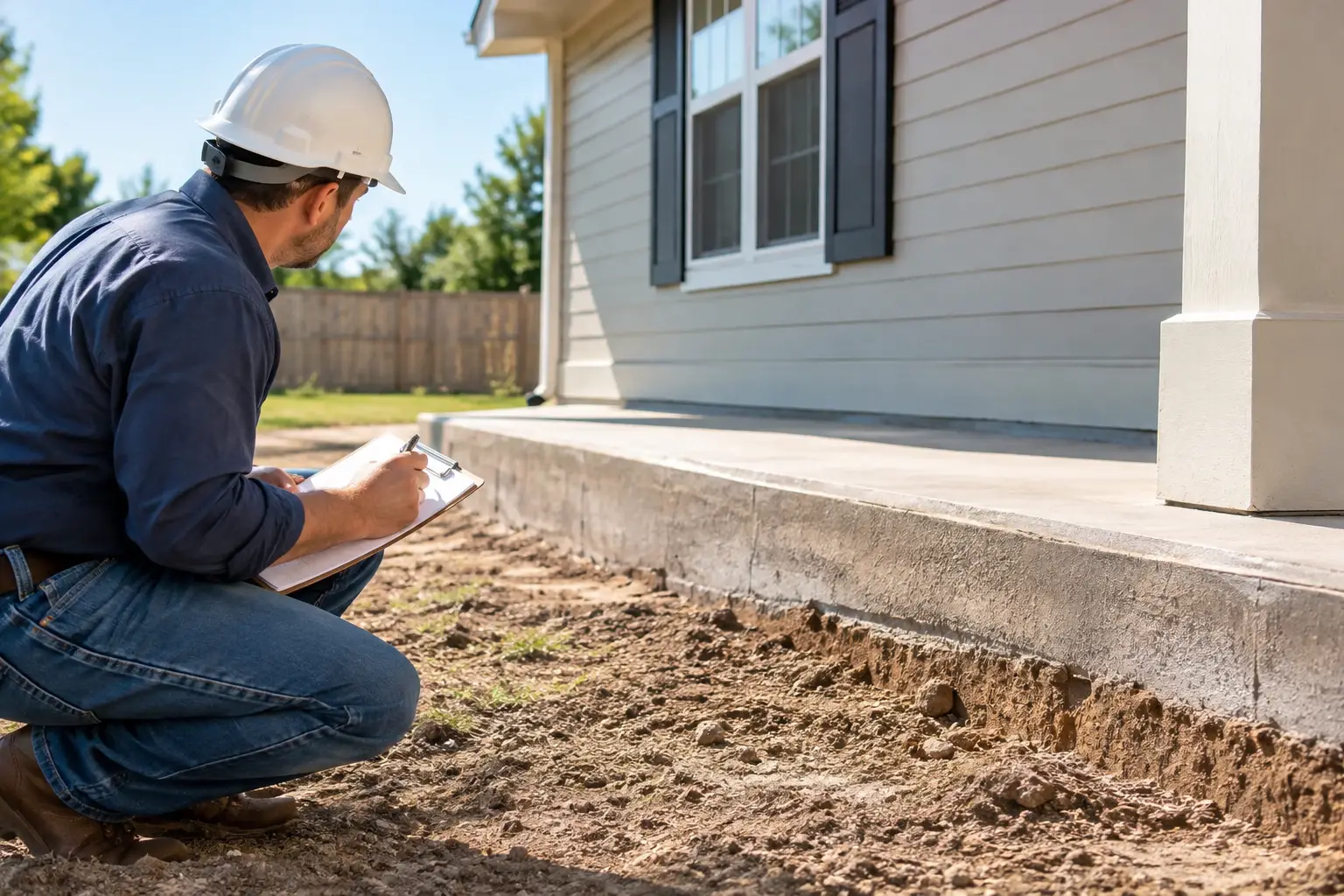
If your project involves water remediation, structural repair, or foundation work, prioritize diagnosis over cosmetic fixes. Fresh drywall and paint cannot solve an active moisture issue or a structural concern. Addressing the root cause first creates a more durable result and helps prevent repeated repairs.
Choose a Partner Who Sees the Whole Property
The most valuable remodeling conversations often go beyond the room you originally planned to update. A kitchen renovation may create an opportunity to improve adjacent flooring, lighting, insulation, or outdoor access. A garage conversion may lead to a smarter plan for an ADU, home gym, or guest space. A patio project may work better when paired with drainage improvements, a pergola, or an outdoor kitchen.
That does not mean every project needs to become larger. It means your remodeler should see how each improvement connects to the home’s function, appearance, and future value. The right recommendation may be to phase the work thoughtfully rather than stretch the budget too far at once.
NXT Construction Inc. approaches each project as a tailored transformation, combining design-minded planning with practical construction execution for Central Texas homeowners and property owners. From initial assessment through final walkthrough, the focus should remain on craftsmanship, communication, and a finished space that feels built for the way you live.
Your home deserves more than a contractor who can complete a task. Choose a remodeling partner who listens closely, plans carefully, and treats every decision as part of building a space you will be proud to call your own.