A commercial space has to do more than look finished. It needs to support your team, customers, equipment, workflow, safety requirements, and long-term growth. When you search for commercial builders near me, you are not simply hiring a crew to complete a build-out. You are choosing a partner who will influence how your business operates every day.
For Central Texas business owners, property managers, and investors, the right contractor can turn an underperforming property into a professional, efficient asset. The wrong fit can create expensive delays, unclear change orders, and a space that looks good on opening day but does not work for the people inside it.
Start With the Needs of Your Commercial Property
Before comparing contractors, define what success means for the project. A restaurant renovation has different demands than an office modernization, medical space, retail build-out, warehouse retrofit, or tenant improvement. Your builder should ask detailed questions about how the space will be used, not just the square footage and desired finish level.
Consider daily operations. Where do employees enter? How do customers move through the space? Is there enough room for storage, deliveries, equipment, accessibility, and future staffing? A well-planned commercial project solves these practical questions early, when adjustments are less costly and less disruptive.
It also helps to separate must-haves from nice-to-haves. A new reception area, upgraded lighting, improved restrooms, durable flooring, or reconfigured work areas may all add value, but priorities matter when working within a defined budget and schedule. An experienced builder can help you identify improvements that deliver the strongest return without compromising the core function of the space.
What to Look for in Commercial Builders Near Me
Local availability is valuable, but proximity alone should not make the decision. The contractor you choose should have relevant commercial experience, a clear process, and the ability to coordinate the many moving parts involved in a business-focused construction project.
Commercial Experience That Matches Your Scope
Ask to see examples of work similar to yours. A contractor who excels at residential remodeling may not automatically be prepared for the scheduling, code coordination, safety expectations, or operational constraints of a commercial environment. Commercial projects often involve more complex systems, including electrical capacity, plumbing changes, HVAC modifications, fire protection, accessibility requirements, and specialized finishes.
Relevant experience does not mean every project must look identical to yours. It means the builder understands the decisions that affect your business. For example, a warehouse retrofit requires a different approach to circulation, lighting, loading areas, and durability than a customer-facing office or retail space.
A Planning Process You Can See
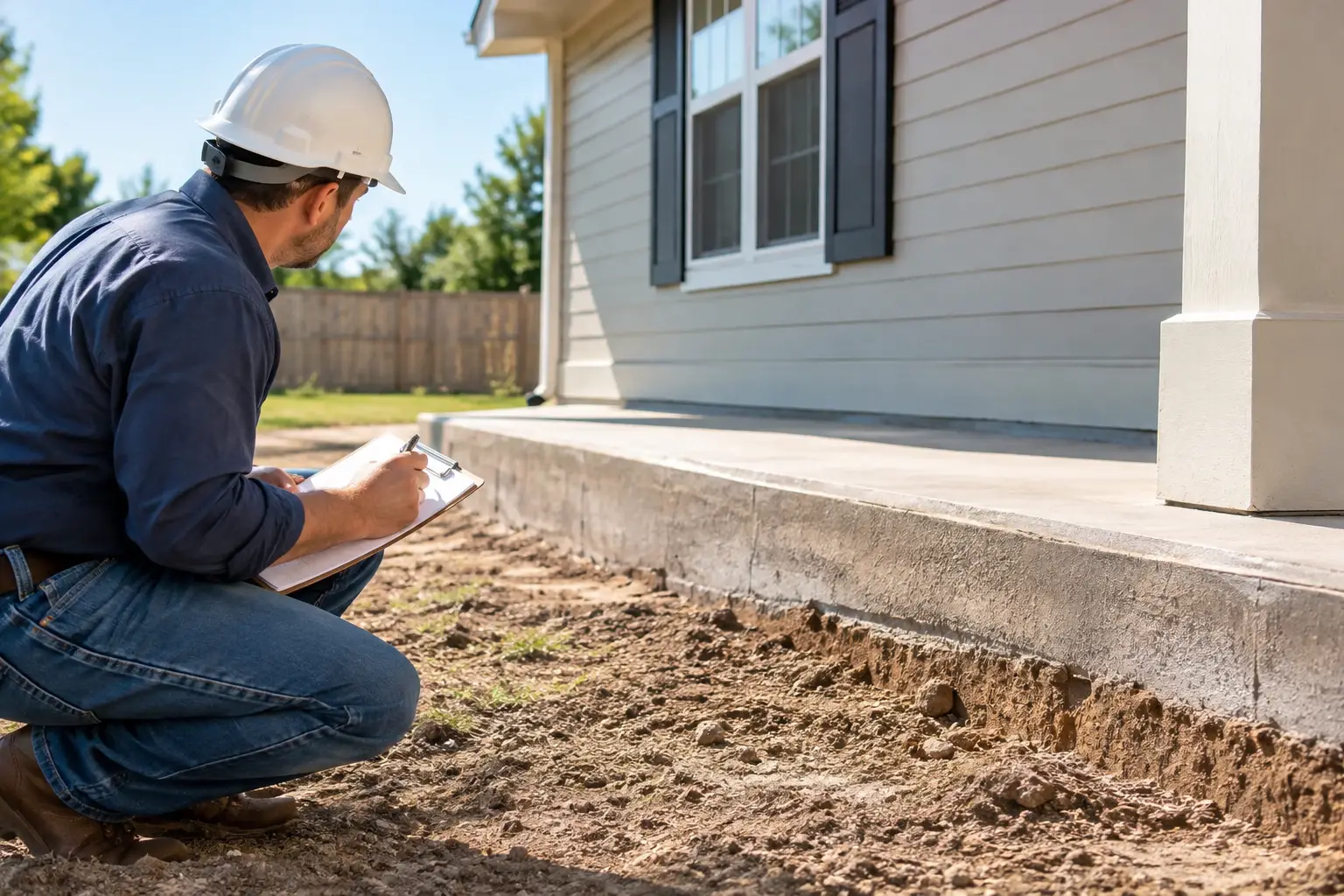
Good construction begins before demolition or framing. During early conversations, pay attention to the questions a contractor asks and the information they provide. You should understand the preliminary scope, likely project phases, material considerations, permitting needs, estimated timeline, and the factors that could affect cost.
No reputable builder can promise that every unknown will disappear before work begins. Existing conditions behind walls, supply availability, inspections, and owner-requested changes can all influence a project. What matters is whether the contractor is transparent about those variables and has a practical plan for handling them.
Clear Communication and Accountability
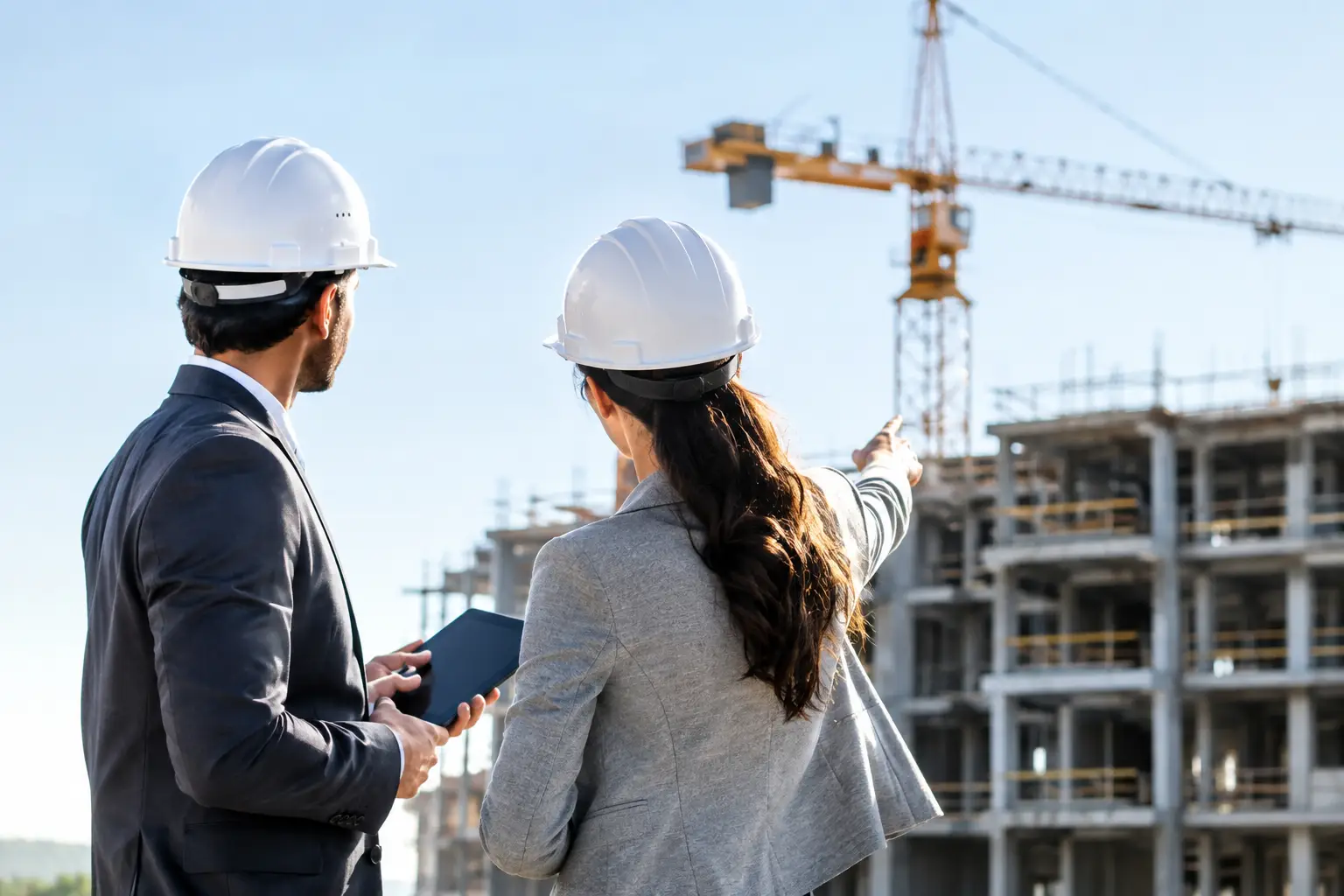
Commercial construction can interrupt operations, tenants, customers, and revenue. That makes communication a project requirement, not a courtesy. Ask who will be your primary contact, how often you will receive updates, and how decisions or changes will be documented.
A strong contractor communicates before a problem becomes a surprise. If a material lead time changes or an inspection needs to be rescheduled, you should hear about the impact promptly, along with options for keeping the project moving. That level of accountability protects both your investment and your ability to plan around the work.
Compare Proposals Beyond the Bottom Line
The lowest proposal can be appealing, especially when a project has a tight budget. But commercial construction estimates are only useful when the scope is equally clear. Two bids with very different totals may not be pricing the same materials, preparation, permits, finishes, or project management.
Review what is included and what is excluded. Is demolition included? Are permits, inspections, site protection, cleanup, and disposal accounted for? Does the estimate identify fixture allowances, finish selections, and potential unknowns? A vague proposal may seem simple, but it can leave too much room for confusion once construction starts.
The best value is often the contractor who provides a realistic plan, quality materials suited to the application, organized coordination, and a clear explanation of the investment. A cheap floor that wears out quickly, an undersized electrical solution, or poor scheduling can cost more than a properly planned improvement.
Ask How the Work Will Affect Your Operations
Many commercial projects take place while a business remains open or while a property continues to serve tenants. If that is your situation, the builder should help create a phasing strategy that respects your operational needs.
This may mean scheduling noisy work after hours, isolating construction areas, maintaining safe access, protecting occupied spaces from dust, or completing the project in sections. Not every project can avoid disruption entirely, and faster schedules can sometimes increase costs. Still, a thoughtful contractor will discuss those trade-offs directly rather than treating business continuity as an afterthought.
For landlords and property investors, timing is equally important. An extended vacancy or delayed turnover can affect lease revenue. For owner-operated businesses, every day of downtime has a direct impact. Your construction plan should reflect that reality.
Choose a Builder Who Thinks About Long-Term Value
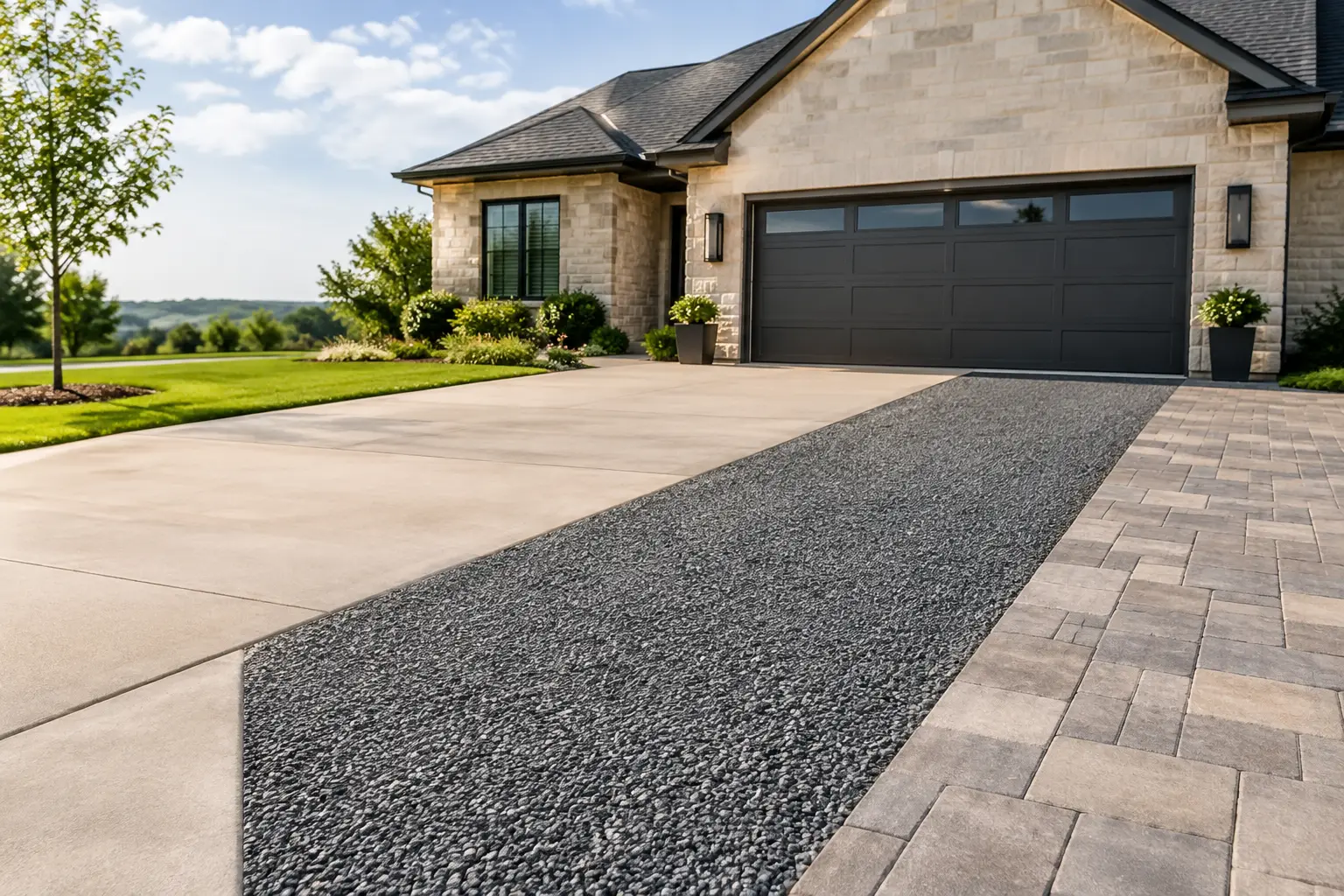
A commercial renovation should support more than immediate appearance. The materials, layout, lighting, insulation, mechanical systems, and finishes selected today influence maintenance needs, utility costs, tenant appeal, and resale potential later.
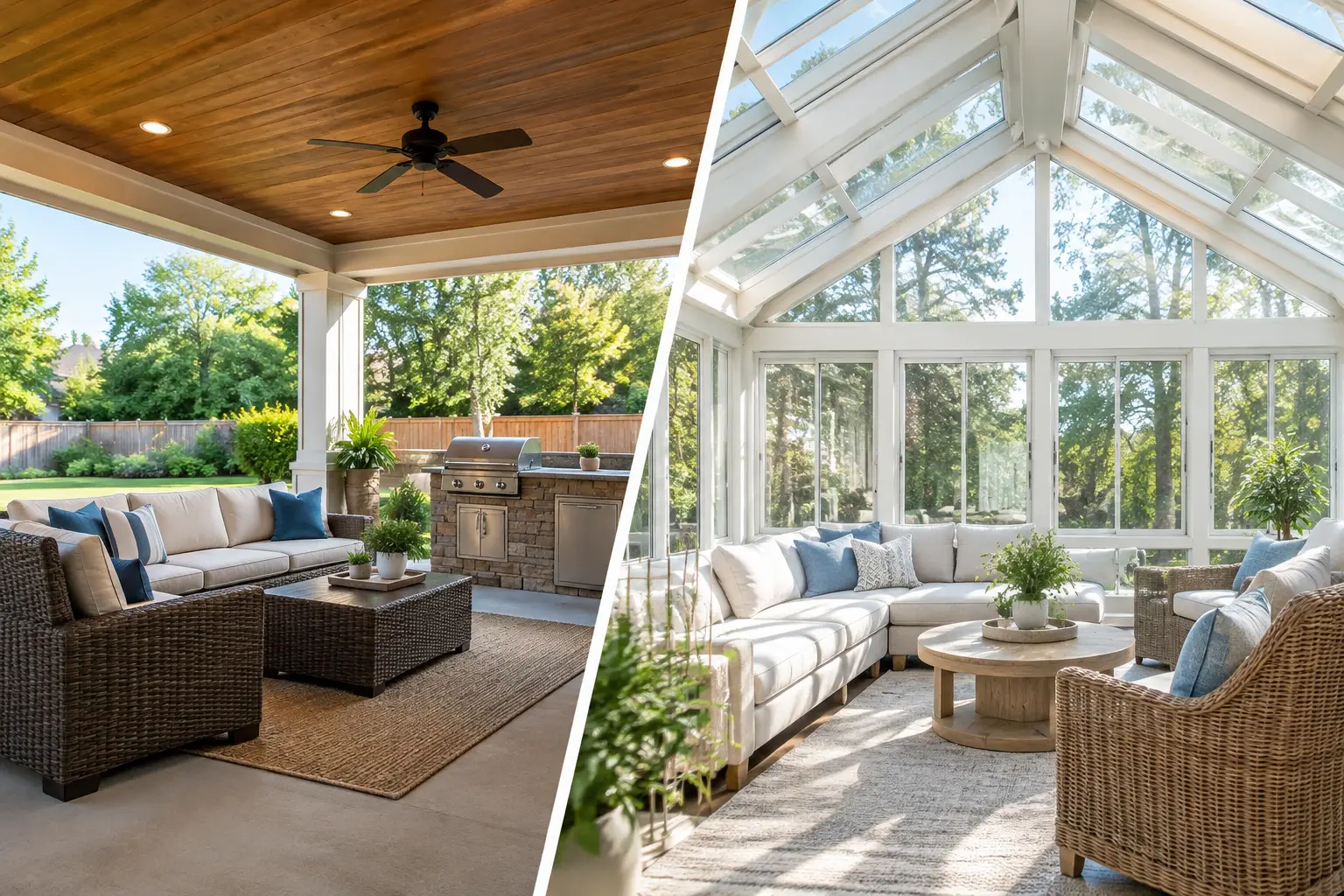
Durability matters in high-traffic environments. So does flexibility. A layout that can adapt to changing teams, new equipment, or a future tenant may provide more value than a highly customized design that only works one way. Energy-conscious improvements can also make sense, particularly when they reduce operating expenses or improve comfort across a large area.
The right choices depend on your property type, lease terms, business model, and budget. A builder should not push upgrades simply because they are premium. They should explain where investing more makes practical sense and where a cost-effective option will still perform well.
Build With a Partner, Not Just a Vendor
Construction is personal, even when the property is commercial. You may be preparing for a new location, improving a business you have built over years, making a property more competitive, or creating a better environment for employees and customers. The contractor should recognize what is at stake.
At NXT Construction Inc., commercial construction is approached as a tailored partnership – combining practical planning, skilled execution, clear communication, and detail-driven craftsmanship. From modern office improvements and retail updates to warehouse retrofits and property repairs, the goal is to create a space that works hard for the people who rely on it.
Before you commit, schedule a conversation, walk the property together, and ask direct questions about process, timing, budget, and responsibility. The best commercial builder will make the next steps clearer, not more complicated. Your property deserves a finished space that reflects the quality of your business and gives it room to move forward.