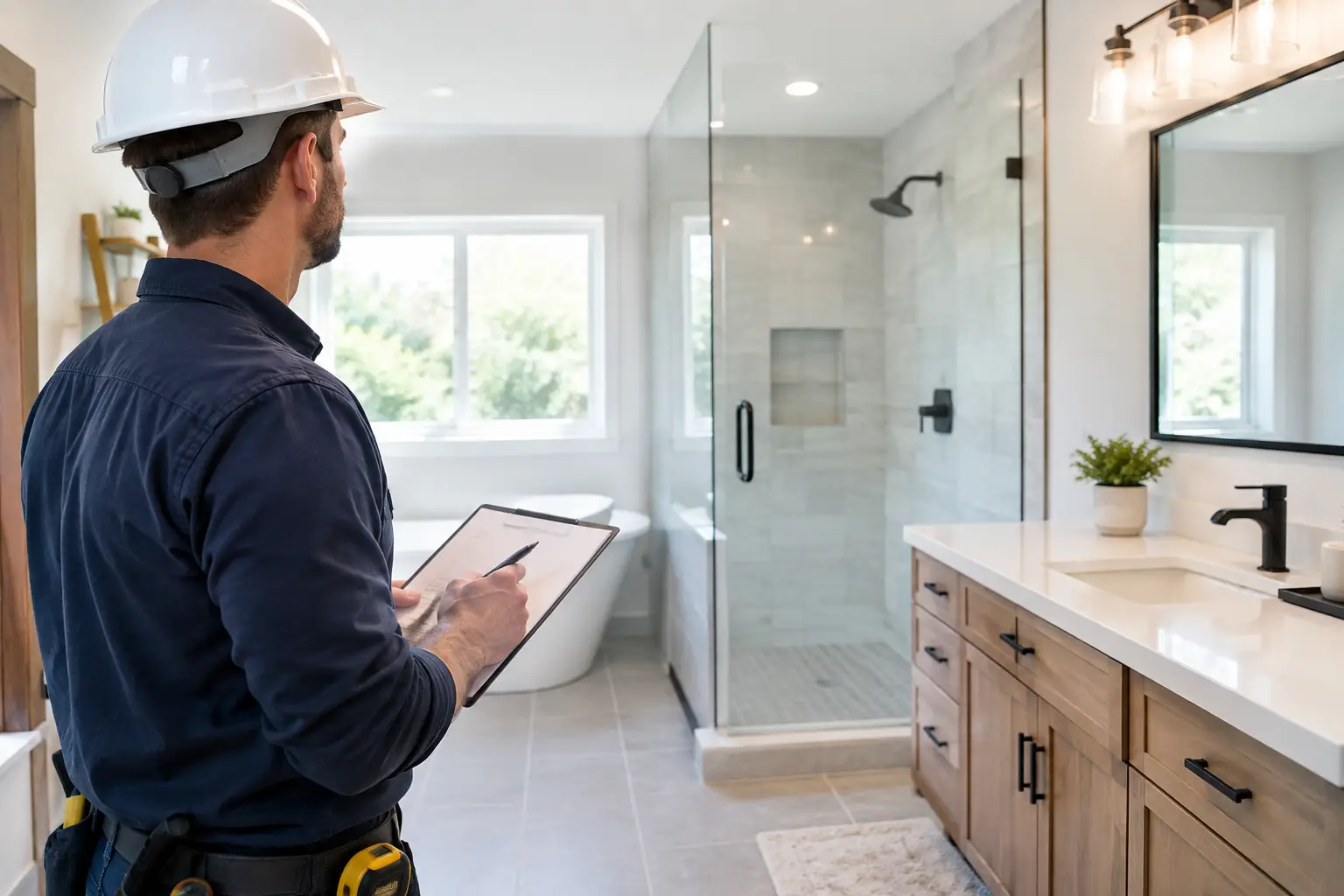
A bathroom can look finished while hiding the issues that make a renovation difficult: aging plumbing, poor ventilation, water-damaged framing, uneven floors, or an outdated layout that no longer works for your family. Choosing a bathroom remodel renovation contractor is not simply about finding someone who can install tile. It is about choosing a construction partner who can assess the full space, protect your investment, and turn your goals into a bathroom built for everyday life.
For Central Texas homeowners, that decision often carries more weight than expected. A primary bathroom may need to become a calmer retreat. A hall bathroom may need to withstand busy mornings with kids. A guest bath may need to improve comfort and resale appeal. The right plan depends on how you live now, what your property needs, and how long you intend to own it.
What a Bathroom Remodel Renovation Contractor Should Manage
A well-managed bathroom project starts before demolition. Your contractor should listen to what is frustrating you about the existing room, inspect visible conditions, ask the right questions about the home, and help define a realistic scope. If you want a larger shower, for example, the conversation should include plumbing locations, framing, waterproofing, ventilation, storage, accessibility, and the effect on the adjoining rooms.
This planning matters because bathrooms bring several construction systems into one compact area. Plumbing, electrical, insulation, drywall, tile, cabinetry, countertops, fixtures, paint, and ventilation all need to work together. A beautiful vanity cannot make up for a shower that was not properly waterproofed. Likewise, premium finishes can lose their impact when layout, lighting, or storage has been treated as an afterthought.
A capable contractor coordinates the trades and keeps the work moving in the right sequence. They also explain where choices affect cost, schedule, performance, and long-term maintenance. That level of accountability helps prevent the common problem of homeowners having to manage separate installers, suppliers, and repair crews on their own.
Start With the Way You Use the Room
The most successful renovations are not copied from a showroom photo. They are designed around the people using the space.
A family bathroom may benefit from durable flooring, double sinks, generous drawer storage, and materials that are easy to clean. A primary bath may call for a curbless shower, layered lighting, a soaking tub, or a more private toilet area. For aging parents or multigenerational households, a wider entry, grab-bar blocking behind the walls, slip-resistant tile, and a low-threshold shower can make the room safer without giving up style.
There are trade-offs in nearly every design decision. Large-format tile creates a clean, modern look with fewer grout lines, but it may require more preparation on uneven walls or floors. A floating vanity can make a smaller room feel open, but it offers less concealed storage than a full cabinet base. Moving a toilet or shower can dramatically improve the layout, yet relocating plumbing usually adds labor and cost.
A contractor should not push every project toward the most expensive answer. Instead, they should help you decide which upgrades will make the strongest difference for your lifestyle, budget, and property value.
Think Beyond the Visible Finishes
Fixtures and finishes get attention because they are easy to see. The construction behind them is what protects the bathroom over time.
Proper shower waterproofing is especially critical. Tile and grout are not waterproof on their own. A reliable installation includes the correct waterproofing system, carefully treated corners and transitions, and proper drainage so water moves where it should. This is not an area to cut corners, particularly in a home that has experienced moisture issues before.
Ventilation deserves the same attention. Central Texas humidity, warm showers, and a tightly enclosed bath can create conditions for lingering moisture. A properly sized exhaust fan, correctly routed ductwork, and thoughtful placement help protect paint, drywall, cabinetry, and indoor air quality. If the bathroom has an exterior wall or attic access, your contractor may also identify insulation or air-sealing improvements that support comfort and efficiency.
Planning a Budget That Holds Up
Bathroom renovation budgets vary widely because the scope can range from a surface refresh to a full reconfiguration. Replacing a vanity, lighting, paint, and fixtures is different from rebuilding a shower, opening walls, relocating plumbing, and installing custom cabinetry.
The clearest estimates separate the major parts of the project: demolition, labor, materials, plumbing and electrical work, tile installation, cabinetry, countertops, permits when required, and any needed repairs discovered during the process. You should understand what is included, what allowances apply to selections, and what conditions could change the price.
Some unknowns are unavoidable until walls or flooring are opened. Older homes may reveal water damage, outdated wiring, corroded pipes, mold concerns, or framing that needs correction before new finishes go in. The goal is not to pretend those possibilities do not exist. The goal is to discuss them early, document any change in scope, and give you clear options before work moves forward.
Financing can also be a practical tool when a bathroom renovation is part of a larger home improvement plan. It may allow homeowners to address necessary repairs and complete the design they actually want rather than settling for short-term patches. The right approach depends on your budget, timeline, and plans for the home.
Questions That Reveal How a Contractor Works
Before selecting a contractor, pay attention to the quality of the conversation. Are they asking about the condition of the home, or only asking what color tile you want? Are they willing to inspect the space closely? Do they explain their process in language you understand?
You should also ask how the project will be managed from start to finish. Find out who will be your primary contact, how schedule updates are handled, when selections need to be finalized, and how change orders are communicated. Construction can be disruptive, but professional communication makes the experience far more manageable.
Ask about the contractor’s experience with the specific work your bathroom requires. A straightforward cosmetic update has different demands than a shower rebuild, structural modification, water remediation repair, or accessibility-focused remodel. If an issue reaches beyond the bathroom itself, a full-service construction partner can assess how it affects the surrounding structure instead of treating one symptom at a time.
Quality workmanship should be visible in the details: straight tile lines, clean transitions, level fixtures, properly aligned cabinetry, protected surfaces, and a finished space that functions as promised. But it should also be present in the work you cannot see after completion.
A Clear Process Protects Your Home
A thoughtful renovation process usually begins with a consultation and inspection, followed by scope development, design decisions, selections, pricing, scheduling, construction, and final walkthrough. Each stage should reduce uncertainty rather than create it.
During construction, your home deserves respect. That means protecting nearby floors and pathways, controlling dust where possible, keeping the jobsite organized, and communicating when water or power interruptions are necessary. If your household will be without a key bathroom for part of the project, advance planning becomes even more important.
Timing depends on the scope and material availability. A modest refresh may move quickly, while a custom layout with specialty tile, custom glass, or extensive plumbing changes takes longer. Rushing a bathroom remodel is rarely a bargain. Waterproofing, curing, inspections, and precise finish work require time, and that time supports the durability of the finished room.
Build for Daily Comfort and Long-Term Value
A bathroom renovation should make your home work better on an ordinary Tuesday morning, not only impress visitors on a weekend. The best projects improve storage, simplify routines, increase comfort, and give homeowners confidence that the room has been built with care.
For homeowners in Austin, Liberty Hill, Leander, Cedar Park, Lakeway, Georgetown, and surrounding communities, NXT Construction Inc. approaches each renovation as a tailored investment in the way you live. From early assessment through final details, the focus is on practical construction, refined design, clear communication, and craftsmanship that lasts.
Before you choose finishes, choose the partner who will protect what sits behind them. A well-planned bathroom can become one of the most valuable and satisfying rooms in your home for years to come.