
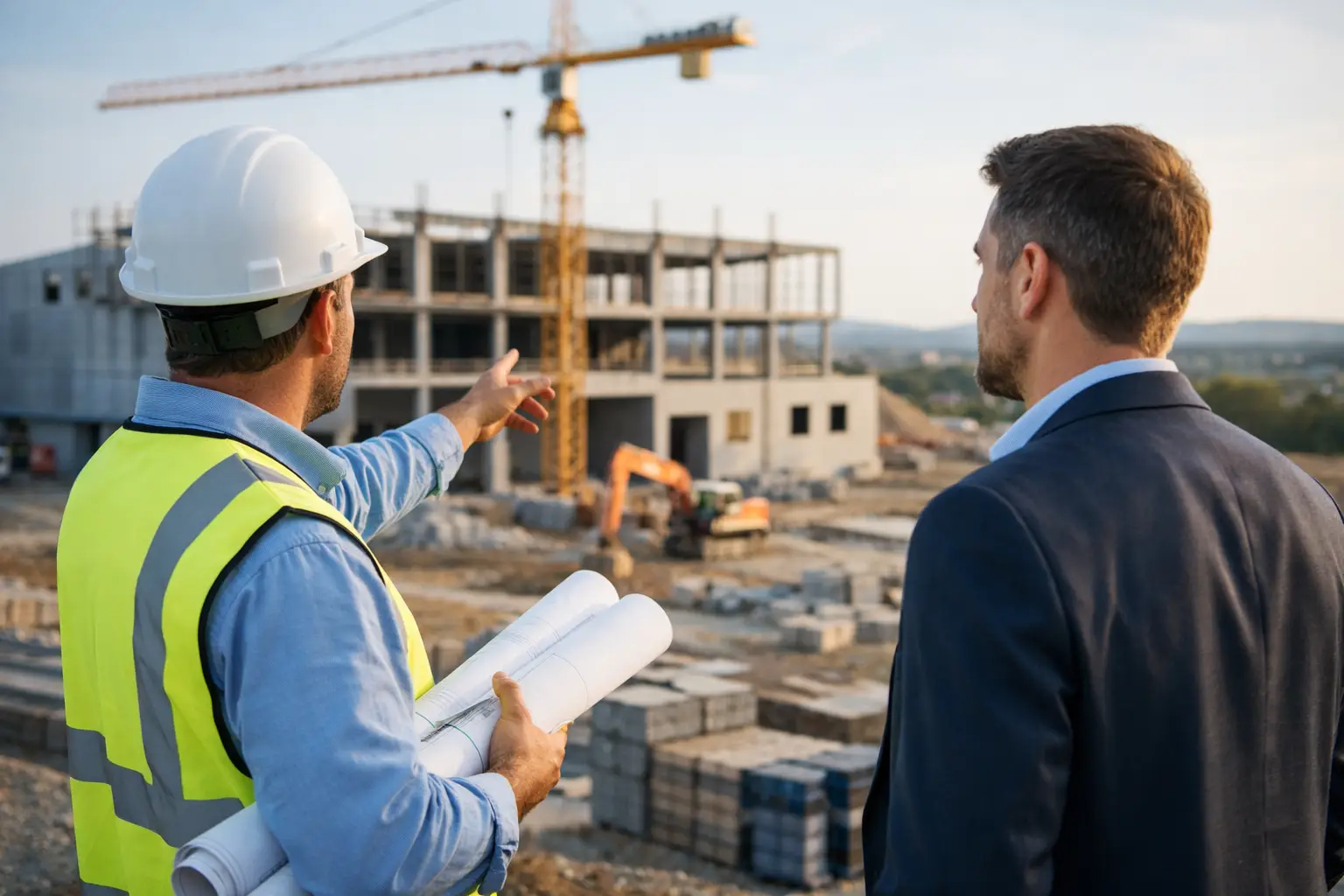
A commercial space has to do more than look polished. It has to support your employees, welcome customers, protect daily operations, and reflect the standard of your business. Choosing the right commercial contractor in Leander can shape whether your renovation, build-out, or retrofit becomes a source of momentum or an ongoing disruption.
For business owners, property managers, and investors, construction is a meaningful decision. A restaurant refresh, office conversion, warehouse improvement, retail build-out, or tenant finish-out affects revenue, workflow, safety, and long-term property value. The best results start with a contractor who understands that every construction choice must work in the real world, not just on a drawing.
What a Commercial Project Needs to Accomplish
Commercial construction is different from a typical cosmetic update. Your space may need to meet occupancy requirements, accommodate specialized equipment, provide accessible routes, improve lighting or utility capacity, and remain practical for staff and visitors. A successful project balances appearance with performance from the beginning.
That balance looks different for every property. A professional office may need private meeting areas, upgraded finishes, and better acoustic control. A retail space may need an open customer path, durable flooring, storage, and flexible display areas. A warehouse or light-industrial facility may need a safer workflow, improved insulation, concrete work, loading-area improvements, or a more efficient layout.
The goal is not to apply a standard formula. It is to understand how the space is used, where the current limitations are, and what improvements will make the strongest impact on operations and value.
Start With Operational Priorities, Not Just Finishes
Before selecting materials or discussing paint colors, define what the project needs to solve. This is where thoughtful planning protects both the budget and the schedule. If a business is growing, the layout should support the next phase of that growth rather than simply address today’s crowding.
Consider how employees, customers, deliveries, inventory, and equipment move through the building. Identify areas that create delays, safety concerns, or an unprofessional customer experience. Clarify whether the work must happen while the business remains open and, if so, which areas can be phased to reduce downtime.
A clear scope should address practical questions early:
- Which spaces need to be built, remodeled, repaired, or repurposed?
- What business functions must stay operational during construction?
- Are electrical, plumbing, HVAC, structural, or accessibility upgrades needed?
- Which finishes need to withstand heavy traffic, moisture, cleaning, or equipment use?
- What budget range supports the desired result without sacrificing critical work?
Some priorities are nonnegotiable, such as safety, code compliance, and building performance. Other choices, including premium finish selections or decorative upgrades, may be adjusted as the project develops. An experienced contractor can help distinguish between a smart investment and an expense that does not serve the business.
How to Choose a Commercial Contractor in Leander
The right partner should bring more than a crew to the jobsite. Look for a contractor who can evaluate the existing property, translate your goals into an actionable construction plan, coordinate skilled trades, and communicate clearly when decisions need to be made.
Begin with the contractor’s relevant experience. Commercial work can involve tenant improvements, interior renovations, structural repairs, exterior upgrades, concrete, water remediation, insulation, and complex coordination between several systems. A contractor should be comfortable identifying potential concerns before work begins, especially in older properties or spaces being converted to a new use.
Communication matters just as much as technical skill. Ask how the contractor manages schedules, change requests, material lead times, site access, cleanup, and project updates. You should know who your primary point of contact is and how progress will be documented. Commercial owners need direct answers because delayed decisions can affect staffing, leases, vendors, and opening dates.
It is also wise to discuss the estimate in detail. The lowest number is not always the best value if it leaves out preparation, permits, site protection, quality materials, or necessary repairs discovered during demolition. A thorough estimate helps you understand the scope, assumptions, allowances, and possible variables before the work is underway.
For projects with active operations, ask about phasing. Completing one area at a time may allow a business to keep serving customers, though it can extend the overall schedule. Closing the property for a concentrated construction period may be faster, but it can create a greater short-term interruption. The right approach depends on your revenue model, safety needs, and available workspace.
Local Planning Makes a Real Difference
Leander’s continued growth creates opportunity for businesses, but it also makes planning essential. Commercial properties may face evolving site conditions, permitting requirements, utility considerations, parking needs, and coordination with landlords, property owners, or neighboring tenants. Addressing these items early can prevent avoidable delays later.
A dependable commercial contractor in Leander should assess the property before promising a timeline. Existing conditions can change the scope quickly. Concealed water damage, outdated wiring, foundation movement, drainage issues, or insufficient HVAC capacity may need attention before new finishes are installed. Correcting the underlying issue protects the investment and keeps the finished space from becoming a temporary fix.
Permitting and inspections should be treated as part of the project plan, not an afterthought. Requirements vary based on the nature of the work, the building type, and the systems being changed. A contractor who plans carefully can help keep the process organized while maintaining a focus on workmanship and the client’s operational goals.
Build for Durability, Efficiency, and Daily Use
Commercial materials should be selected for more than visual appeal. Flooring, wall finishes, doors, lighting, plumbing fixtures, and exterior surfaces need to match the wear they will receive. The right material for a boutique office may not be the right choice for a busy clinic, restaurant, warehouse, or retail environment.
Durability often delivers the better long-term value. Easy-to-maintain finishes, well-planned storage, energy-conscious insulation, efficient lighting, and properly designed drainage can reduce future maintenance demands. The upfront cost may be higher in certain areas, but repeated repairs, premature replacement, and operational interruptions carry their own price.
This is also where craftsmanship becomes visible. Clean transitions, level surfaces, reliable doors, properly installed fixtures, thoughtful lighting placement, and orderly mechanical work all contribute to a space that feels professional. Those details influence how customers perceive your company and how comfortably your team can work each day.
A Partnership That Keeps the Project Moving
The strongest commercial projects are built on steady collaboration. Owners and managers bring business knowledge, brand standards, and operational needs. The construction team brings planning, technical experience, trade coordination, and problem-solving. When both sides stay engaged, decisions are made faster and the finished environment is more aligned with the original vision.
NXT Construction Inc. approaches commercial work as a tailored property transformation, combining design-minded planning with practical construction execution. From the initial assessment through final walkthrough, the focus is on creating a durable, functional space that serves the people who depend on it.
Your commercial property should support the next step for your business, whether that means welcoming more customers, improving employee workflow, modernizing an aging space, or preparing a property for a new tenant. Start with a clear conversation about what the space must achieve, then choose a construction partner prepared to build it with care, accountability, and lasting value.



One Response