A vacant rental can create pressure to move fast, especially when every unleased day affects cash flow. But a smart rental property renovation checklist keeps owners from spending heavily on cosmetic upgrades while overlooking a failing HVAC system, hidden water damage, or a safety issue that could become far more expensive later. For Central Texas investors, the right renovation plan protects the property, improves tenant appeal, and supports a stronger long-term return.
The goal is not to make every unit look like a luxury custom home. It is to make thoughtful upgrades that fit the neighborhood, rental rate, tenant profile, and condition of the property. A well-managed renovation should create a clean, durable, functional home that tenants want to care for and owners can maintain with confidence.
Start With a Full Property Assessment
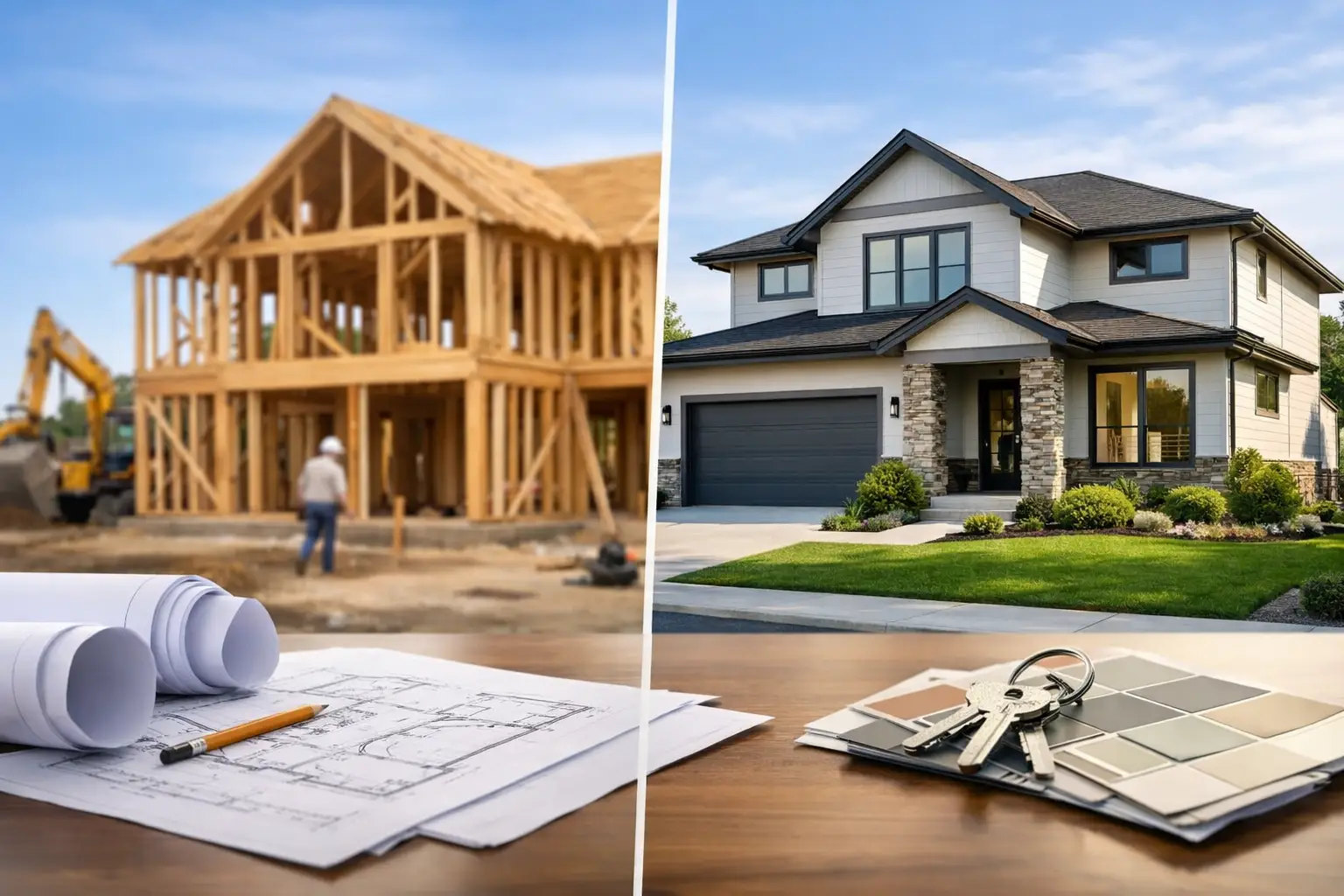
Before choosing paint colors or ordering cabinets, assess the property from the foundation to the roof. This is where owners establish priorities, uncover risks, and build a realistic scope of work. Cosmetic work is visible, but structural, mechanical, and moisture-related concerns determine whether the investment will hold up over time.
Walk the home with a contractor who can evaluate major systems and document what needs immediate attention versus what can be scheduled for a later phase. In Central Texas, foundation movement, roof wear, drainage issues, and water intrusion deserve close attention. A small crack, a slow plumbing leak, or poor grading around the home can affect far more than appearance.
Your first assessment should cover:
- Foundation condition, visible cracks, drainage patterns, and signs of movement
- Roof, gutters, exterior siding, windows, doors, and weather sealing
- Plumbing supply lines, drains, water heater, shutoff valves, and leak damage
- Electrical panel capacity, outlets, lighting, smoke detectors, and GFCI protection
- HVAC performance, duct condition, insulation, ventilation, and thermostat operation
- Interior walls, ceilings, floors, cabinets, appliances, and signs of pest activity
Document the condition with photos before work begins. This helps define the scope, supports accurate contractor pricing, and creates a useful baseline for future maintenance decisions.
Put Safety, Code Compliance, and Water First
A rental renovation should always prioritize work that protects people and preserves the building. That means resolving active leaks, electrical hazards, unsafe stairs, loose railings, damaged subfloors, and nonfunctioning smoke or carbon monoxide detectors before investing in finishes.
Permitting requirements vary by project and municipality. Work involving structural changes, electrical systems, plumbing, HVAC, additions, and major alterations may require permits and inspections. Owners should also confirm local rental-property requirements and ensure any work is performed by properly qualified tradespeople. Cutting corners on regulated work may delay leasing, jeopardize insurance coverage, or create liability when the property changes hands.
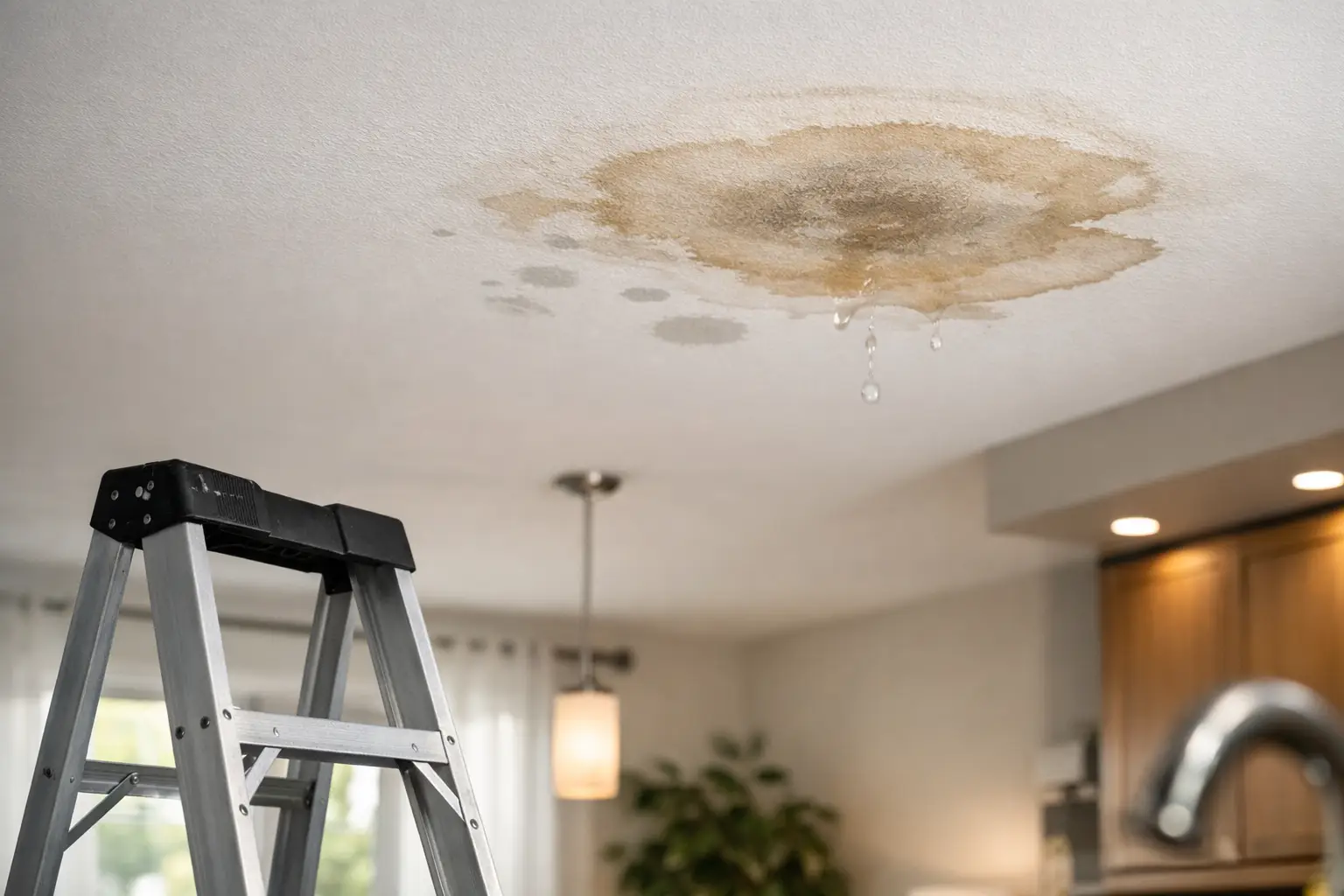
Water management is especially valuable in this region. Repair roof leaks, replace failed caulking around windows and tubs, correct poor exterior drainage, and address any mold or moisture damage at its source. New flooring and fresh paint will not solve an underlying leak. They simply hide it until the repair becomes larger and more disruptive.
Build a Budget Around Return, Not Just Appearance
The best upgrades are not always the most expensive ones. A rental property should be improved to a standard that supports its market position without exceeding what tenants in that area are willing to pay. A high-end kitchen may make sense in a desirable Austin neighborhood or a premium Lakeway property, while durable midrange finishes may produce a better return in another market.
Start by separating your budget into three categories: required repairs, value-building upgrades, and optional enhancements. Required repairs include safety and system issues. Value-building upgrades may include a kitchen refresh, a second bathroom vanity, improved storage, or a more efficient HVAC system. Optional enhancements are items that look appealing but may not materially improve rent, occupancy, or resale value.
Keep a contingency reserve for concealed conditions. Once walls, flooring, or old fixtures are removed, contractors may find deteriorated framing, outdated wiring, damaged plumbing, or moisture issues. The exact amount depends on the age and condition of the home, but planning for the unexpected is more responsible than treating every surprise as a crisis.
Also consider lifecycle cost. Low-cost materials can become expensive if they chip, stain, or fail between tenants. Spending more on durable flooring, quality plumbing fixtures, washable paint, and properly installed cabinetry can reduce future turnover work and maintenance calls.
Focus on High-Impact Interior Upgrades
Tenants notice kitchens, bathrooms, flooring, lighting, storage, and the overall sense of cleanliness immediately. These areas influence application quality and how confidently a property can be marketed. The most successful rental updates make the home feel current without relying on overly personal or difficult-to-replace design choices.
Refresh the Kitchen for Daily Use
A full kitchen remodel is not always necessary. If the layout functions well, consider refinishing or replacing worn cabinets, adding durable countertops, upgrading the sink and faucet, replacing damaged backsplash, and installing dependable appliances. Good task lighting and sufficient outlets make a practical difference for tenants who cook and work from home.
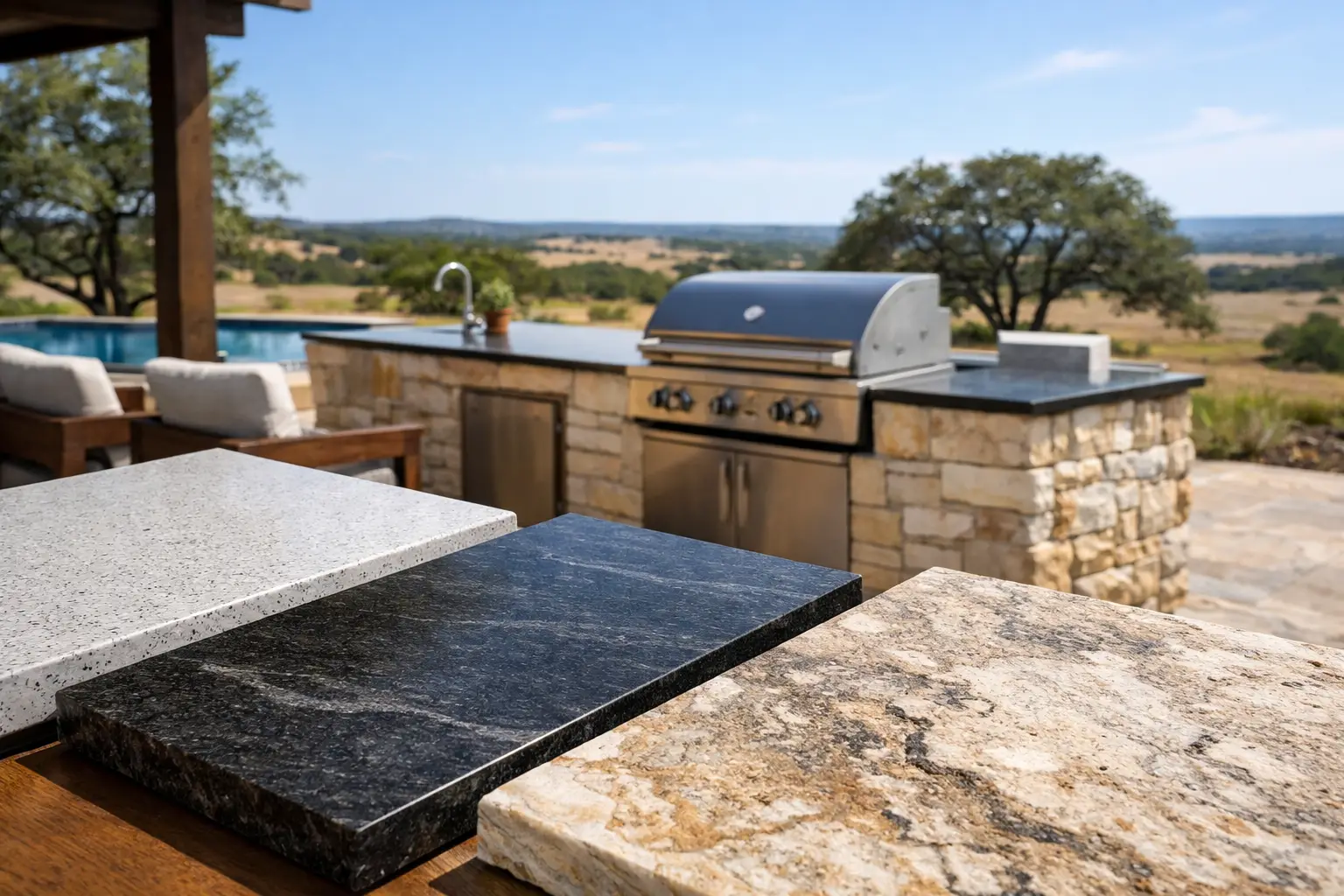
Choose materials that can handle everyday use. Quartz or quality solid-surface counters, durable cabinet hardware, and easy-to-clean flooring often outperform trendy choices that require delicate care. Neutral finishes broaden appeal and make repairs or replacements easier down the road.
Make Bathrooms Clean, Bright, and Easy to Maintain
Bathrooms should feel clean, well-lit, and ventilated. Replace failing tub surrounds, cracked tile, leaking toilets, worn vanity tops, and outdated exhaust fans. A new mirror, vanity light, faucet, and hardware can modernize a bathroom without requiring a complete reconfiguration.
If water damage is present, investigate behind the walls and below the floor before installing new finishes. This is one place where a cosmetic fix can quickly turn into a repeat repair if the underlying plumbing or ventilation issue remains.
Choose Durable Flooring and Paint
Flooring is one of the most consequential turnover decisions. Luxury vinyl plank can be an excellent option for many rentals because it offers a clean look, water resistance, and easier replacement than many alternatives. Tile may be appropriate in entryways, bathrooms, or higher-end properties, while carpet can still make sense in bedrooms when budget and tenant expectations support it.
Use a neutral, washable interior paint with a consistent color palette throughout the property. Consistency simplifies touch-ups after move-out and helps create a polished, move-in-ready appearance. Avoid pure white walls if they will show every mark, but do not choose dark or highly individualized colors that narrow the renter pool.
Improve Comfort and Efficiency Where It Counts
Central Texas summers place real demands on cooling systems. An HVAC inspection, clean ducts where needed, proper insulation, sealed air gaps, and a programmable thermostat can improve comfort while helping tenants manage utility costs. Energy efficiency is not only a selling point. It can reduce strain on equipment and support a more dependable living experience.
Check windows and exterior doors for drafts, failed seals, and damaged weatherstripping. If full window replacement is not justified, repairs and improved sealing may provide meaningful results. Consider ceiling fans in bedrooms and living spaces, especially in homes where airflow is limited.
Spray foam insulation or targeted insulation improvements can be worthwhile in the right property, but the decision depends on attic conditions, existing insulation, ventilation needs, and the overall renovation budget. A qualified assessment can help determine whether the investment will produce practical savings.
Do Not Neglect Exterior Appeal and Security
A renter often decides how they feel about a home before stepping inside. A tidy exterior signals that the property is cared for, while a neglected entry can make even a renovated interior feel less valuable. Focus on practical curb appeal: repair trip hazards, refresh exterior paint where needed, trim overgrown landscaping, clean hardscapes, and ensure exterior lighting works.
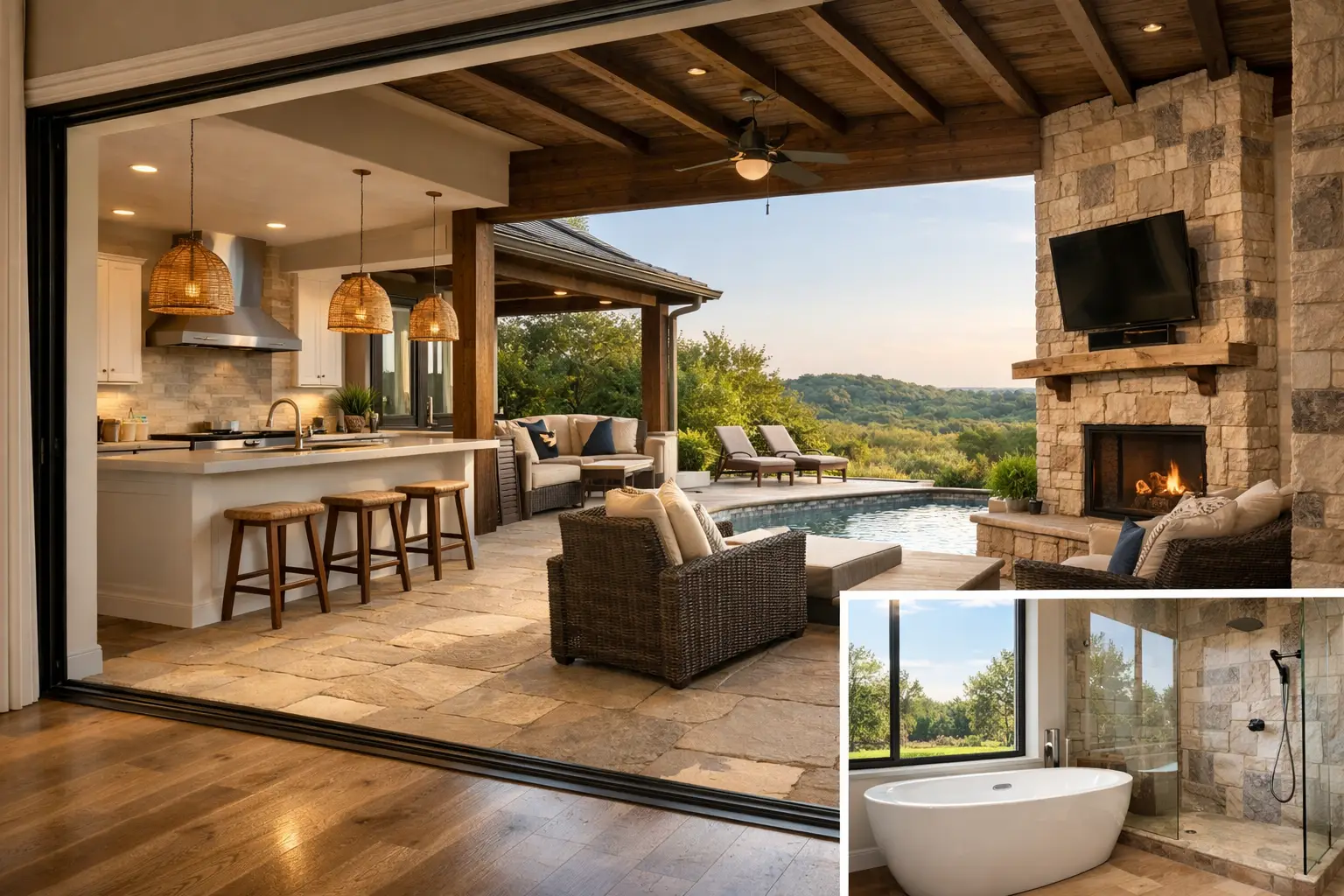
Secure, properly operating doors and windows are essential. Replace damaged locks, repair gates and fencing, and make sure house numbers are visible. For single-family rentals, a usable patio, covered area, or simple outdoor seating space can be a meaningful advantage, particularly for families and pet owners. The upgrade does not need to be elaborate to improve how the property lives.
Complete This Rental Property Renovation Checklist Before Listing
Before the property goes back on the market, complete a final walkthrough as if you were the prospective tenant. Test every light switch, outlet, faucet, appliance, lock, exhaust fan, garage door, and thermostat. Confirm that smoke and carbon monoxide detectors are installed and operational, the water heater is functioning safely, and the home is professionally cleaned.
Review the work against the original scope and confirm all permits and inspections have been closed when required. Save warranties, paint colors, appliance records, fixture details, and contractor information in a property file. These records make future maintenance faster and help preserve the value of the improvements you have made.
A rental renovation is most successful when it serves both the tenant and the investment. NXT Construction Inc. helps Central Texas property owners turn repair lists and renovation ideas into practical, well-built improvements that support comfort, durability, and long-term value. Before your next turnover, give the property the same careful attention you would expect from a home you plan to keep for years.