A Central Texas attic can exceed 140 degrees in summer, turning small insulation gaps into higher cooling bills, uneven rooms, and HVAC systems that work harder than they should. When homeowners compare foam insulation versus cellulose, the right answer is rarely about choosing the material with the highest advertised R-value. It is about how your home is built, where energy is escaping, how moisture moves through the structure, and what you want the project to accomplish over the long term.
For a new build, major remodel, attic upgrade, or conversion of an underused space into a home office or living area, insulation is a performance decision. Done well, it protects comfort, supports indoor air quality, and helps preserve the value of your investment.
Foam Insulation Versus Cellulose: The Core Difference
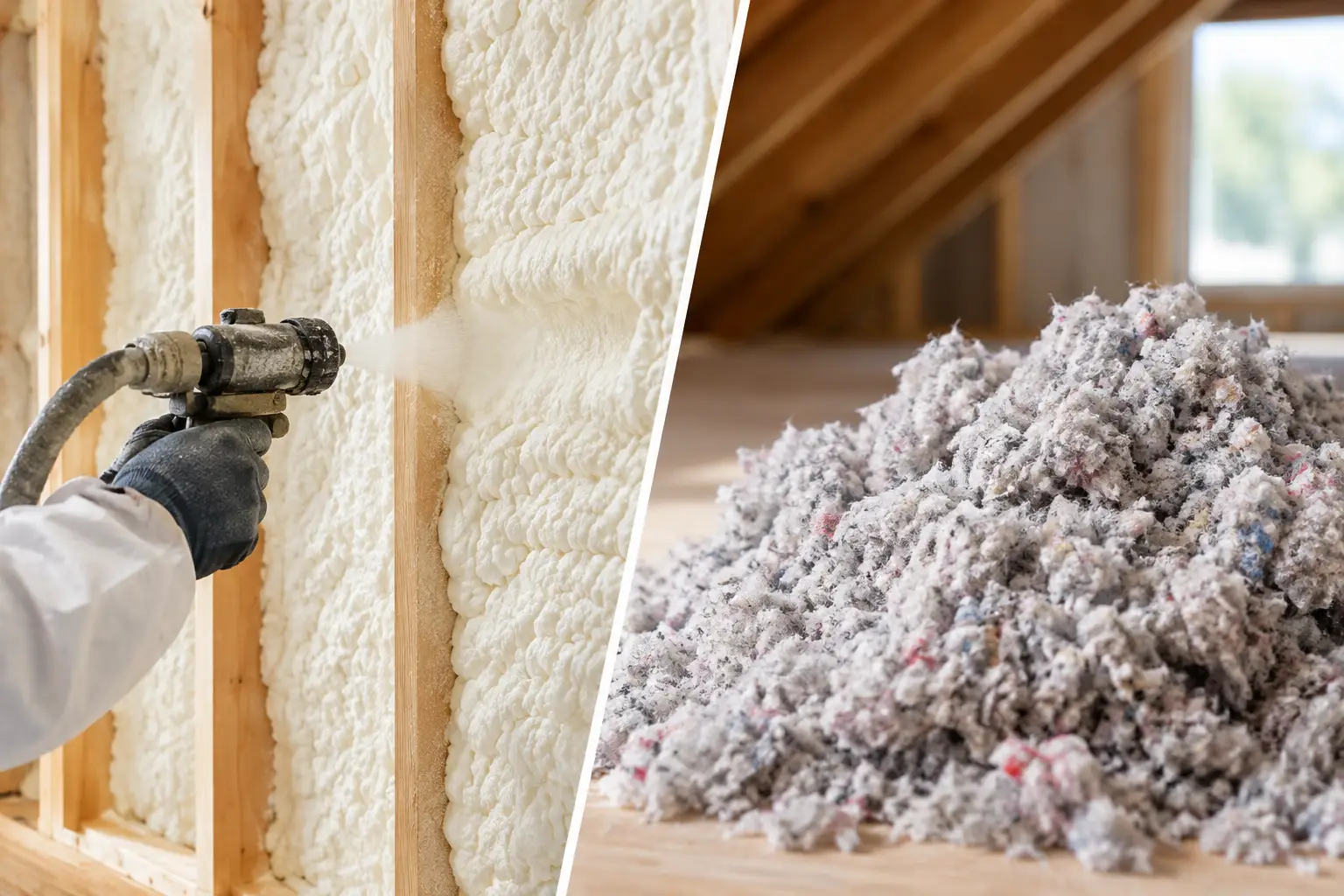
Spray foam and cellulose both slow heat transfer, but they work in very different ways. Spray foam is applied wet, expands or adheres to the surface, and forms a continuous insulating layer. Cellulose is a loose-fill product, typically made from recycled paper fibers treated for fire and pest resistance, that is blown into attic floors and enclosed wall cavities.
The biggest practical difference is air sealing. Insulation slows heat, but moving air carries heat and humidity with it. Spray foam can insulate and air seal in one application when installed correctly. Cellulose can reduce air movement better than some traditional insulation materials, especially when densely packed, but it does not create the same continuous air barrier.
That distinction matters in Austin, Cedar Park, Leander, Georgetown, Lakeway, Liberty Hill, and surrounding communities. Summer heat, high humidity, and long cooling seasons make attic performance especially important. A home with air leaks around penetrations, ductwork, framing transitions, and attic access points may lose conditioned air even if the attic has a respectable amount of insulation.
Where Spray Foam Makes Sense
Spray foam is often the stronger option when a project needs more than added R-value. It is especially useful in complicated rooflines, tight framing cavities, wall assemblies with many penetrations, and unvented attic designs where the HVAC equipment and ductwork sit inside the insulated envelope.
Closed-cell spray foam offers a high R-value per inch and adds moisture resistance. Its dense structure can be a smart fit where space is limited or where a particular assembly needs a stronger vapor-control strategy. It is commonly considered for metal buildings, certain roof applications, rim joists, crawlspaces, and areas where durability and moisture management are priorities.
Open-cell spray foam expands dramatically and is often used in attics and wall cavities. It provides excellent air sealing and can help reduce outside noise, though it has a lower R-value per inch than closed-cell foam and is more vapor permeable. The right type depends on the building assembly, local conditions, and the specific location being insulated.
For homeowners planning a major renovation or custom home, foam can support a more intentional whole-home performance strategy. Encapsulating an attic can bring ducts and mechanical equipment into a more stable environment, which may improve comfort and reduce strain on the cooling system. It also creates a cleaner attic environment for future maintenance.
Spray foam does come with a higher upfront cost. Installation requires trained professionals, proper preparation, correct material ratios, and attention to ventilation and curing requirements. It is not a material to treat as a simple add-on or a do-it-yourself shortcut. Quality installation is central to its value.
When Cellulose Is the Better Fit
Cellulose is a practical, proven choice for many attic upgrades, particularly when the attic floor is accessible and the primary goal is to increase thermal resistance at a more moderate cost. Blown-in cellulose can cover a large, open attic efficiently and conform around joists, wires, and other obstructions.
For a homeowner who is not converting the attic into conditioned space, adding cellulose over a properly air-sealed attic floor can be a cost-effective path to better comfort. The critical phrase is properly air-sealed. Before cellulose is installed, a contractor should identify and seal penetrations around plumbing, electrical boxes, ceiling fixtures, top plates, and chases. Otherwise, conditioned air can still find its way into the attic.
Cellulose also has strong sound-dampening characteristics and uses a high percentage of recycled content. For clients focused on material efficiency and responsible building choices, that can be a meaningful advantage. Dense-pack cellulose can also be used in walls during certain remodeling projects, helping improve insulation without removing every section of exterior siding.
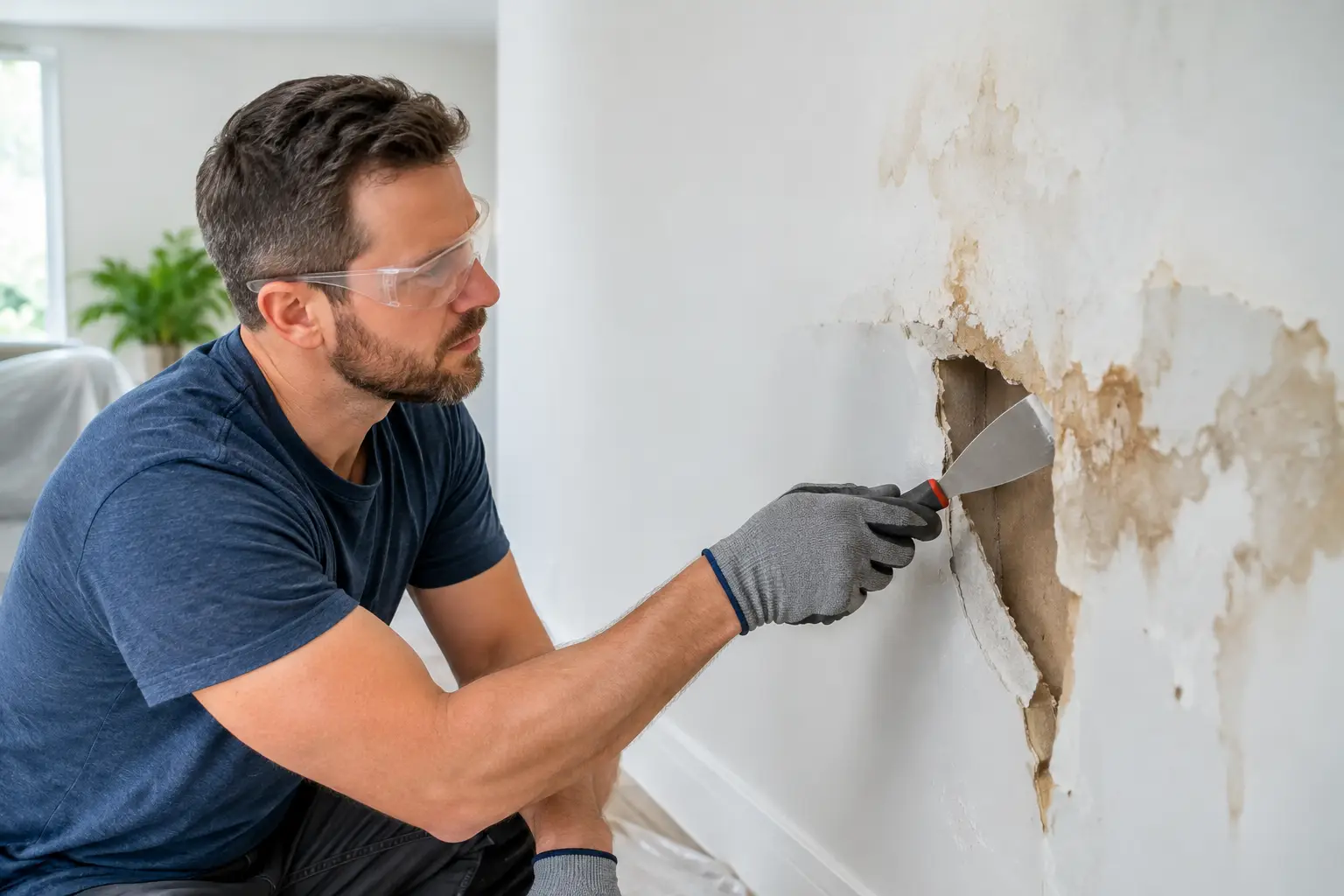
The trade-off is that cellulose can settle over time, particularly if it is not installed to the correct depth and density. It also needs to stay dry. A roof leak, plumbing issue, or persistent moisture problem should be repaired before any insulation upgrade, whether the chosen material is cellulose or foam. Insulation cannot solve an active water intrusion problem.
Cost Is More Than the Installation Price
It is tempting to compare insulation by price per square foot, but that approach can miss the larger picture. Cellulose generally costs less initially, especially for straightforward attic-floor applications. Spray foam costs more, but it can combine insulation and air sealing while supporting specific building-envelope goals.
The better comparison is the cost of the full solution. If an attic needs extensive air sealing, duct improvements, baffles, repairs around penetrations, or moisture corrections, those items should be included in the decision. A lower-priced insulation material may still be the best choice, but only after the home’s actual performance issues are understood.
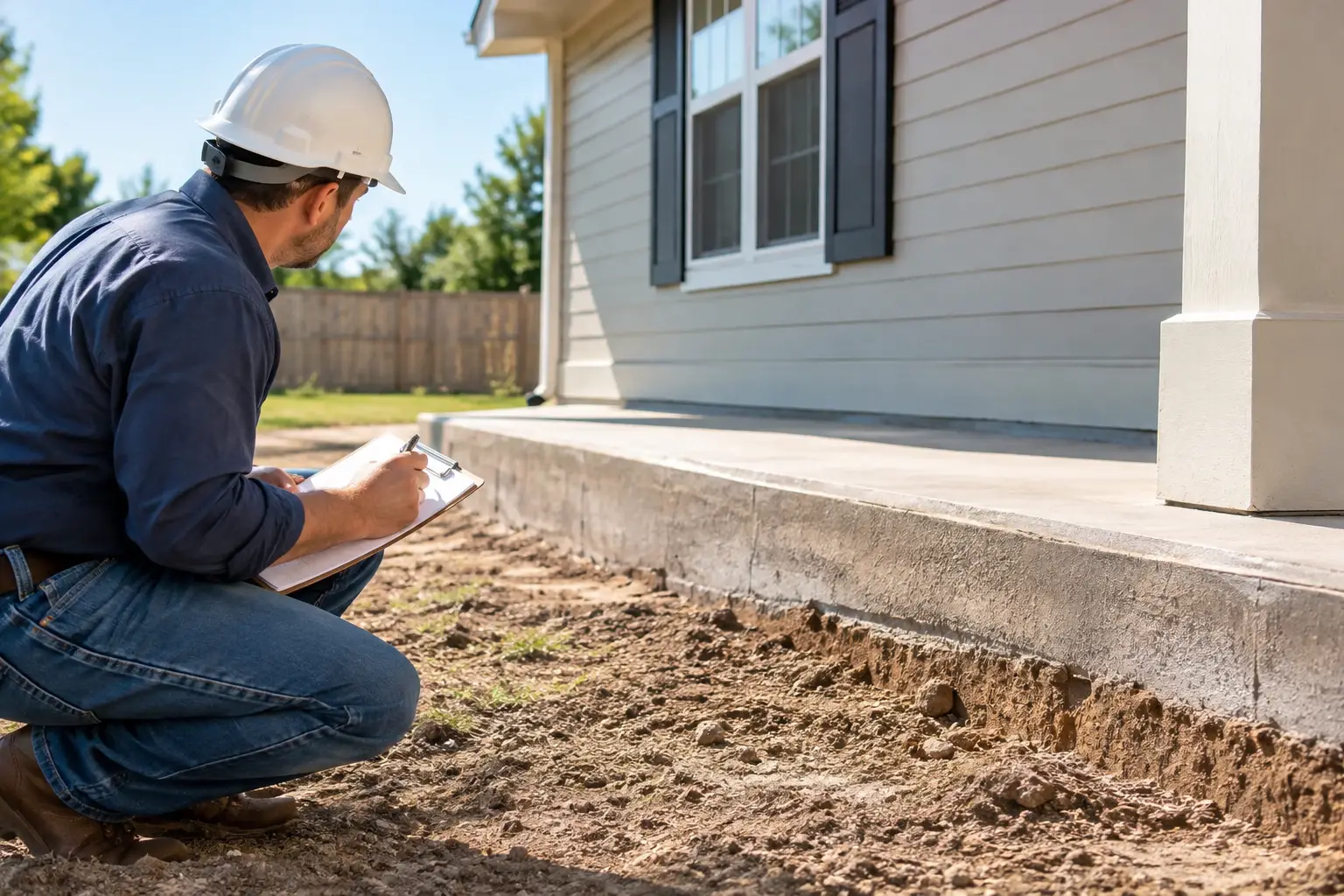
A free inspection can be valuable because comfort complaints do not always point to insulation alone. A hot upstairs bedroom may involve inadequate attic insulation, but it can also result from undersized ductwork, poorly balanced airflow, roof heat gain, window exposure, or a combination of issues. A professional assessment helps prioritize the improvements that will make a noticeable difference.
Moisture, Ventilation, and Central Texas Conditions
Central Texas homes need insulation strategies that account for heat and humidity, not just cold-weather R-values. Ventilated attics, unvented attics, duct location, roof design, and the age of the home all affect the right approach.
A traditional vented attic usually keeps insulation at the ceiling plane, with airflow above it. In that situation, cellulose can perform very well when paired with detailed air sealing. An unvented attic places insulation along the underside of the roof deck, and spray foam is frequently used to create the required continuous air and thermal boundary.
Neither approach is automatically superior. A vented attic can be durable and effective when it is designed and maintained correctly. An encapsulated attic can offer meaningful benefits when ductwork, complex roof geometry, or renovation plans justify the investment. The wrong move is copying a neighbor’s solution without evaluating your own home.
Questions to Ask Before You Choose
Before selecting a material, consider the scope of the project. Are you simply improving an accessible attic floor, or are you remodeling the home and opening walls? Is the attic vented, or are you considering an encapsulated design? Are ducts located in a punishingly hot attic? Have you noticed humidity, musty odors, roof leaks, or uneven temperatures?
Also consider how long you plan to own the property. Cellulose may deliver the practical performance you need for an attic upgrade today. Spray foam may make more sense when you are investing in a long-term remodel, new construction, or a high-performance building envelope designed around comfort and efficiency.
Make the Choice Part of a Better Building Plan
The best insulation decision begins with the home, not the product. At NXT Construction Inc., that means looking at the attic, roofline, ductwork, moisture conditions, renovation goals, and budget as connected parts of one project. A thoughtful recommendation should explain what is being improved, why it matters, and where your investment will have the greatest impact.
Whether foam or cellulose is the better fit, the goal is the same: a more comfortable space that performs reliably through Central Texas summers, supports your lifestyle, and protects the work you put into your property.