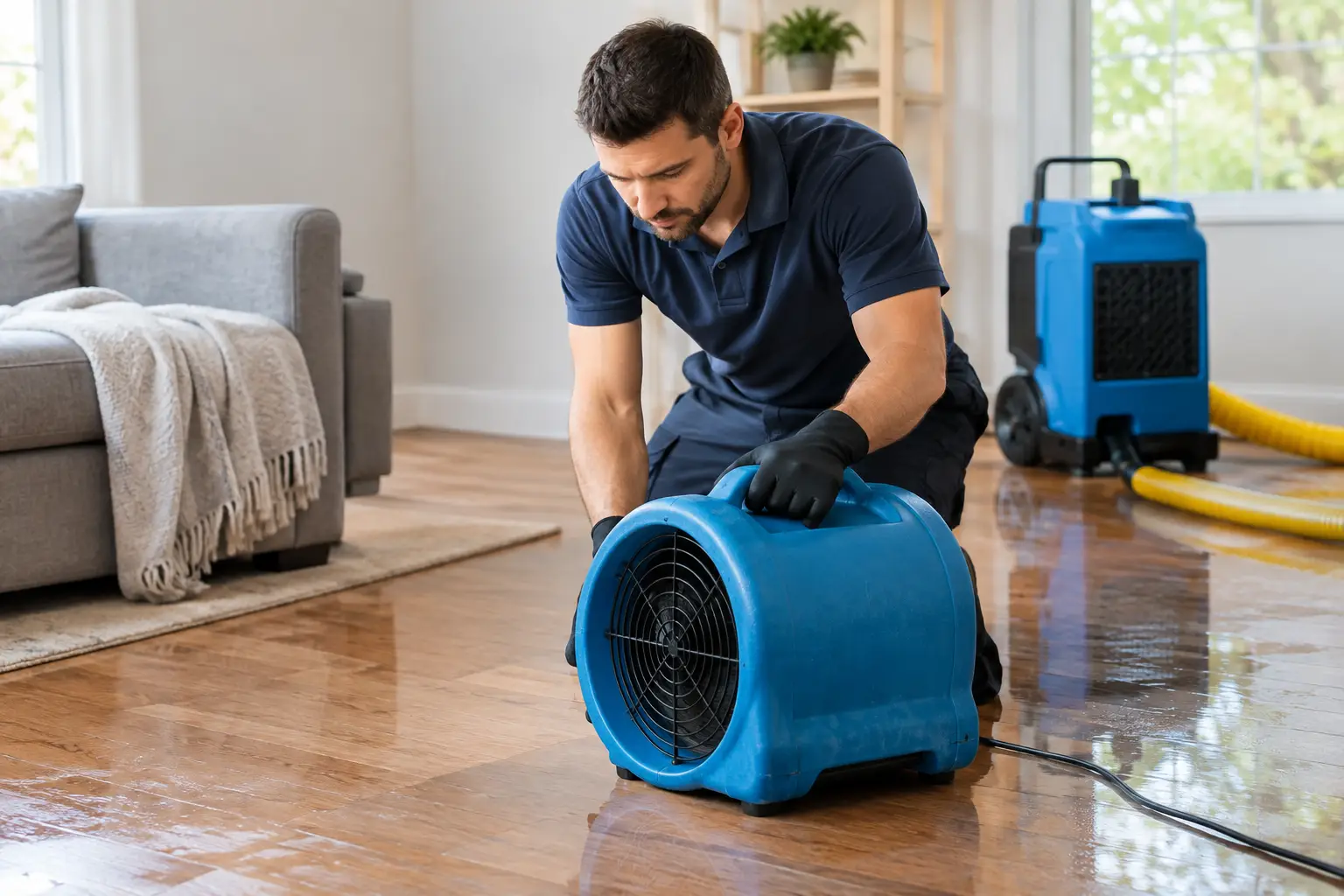
A water stain spreading across a ceiling, damp carpet after a storm, or a burst supply line under the sink can change the condition of a home in a matter of hours. A practical guide to home water remediation starts with this reality: drying what you can see is not always enough. Water can travel behind baseboards, under flooring, into insulation, and through wall cavities, creating structural and health concerns long after the original leak appears resolved.
For Central Texas property owners, quick action protects more than finishes. It protects the investment you have made in your home, the comfort of your family, and your ability to make thoughtful repair decisions instead of rushed ones. The right response combines immediate safety measures, professional moisture assessment, controlled drying, and repairs that restore both function and appearance.
First, Stop the Water and Protect the Space
The first priority is always to stop the source. Shut off the nearest water valve for a plumbing leak, turn off the main water supply if necessary, or contain rainwater with buckets and temporary coverings while protecting the roof or exterior opening. If water is near electrical outlets, appliances, or the breaker panel, avoid the area and shut off power only if it is safe to do so. When there is any doubt, call an electrician or emergency professional.
Move furniture, rugs, electronics, and personal belongings away from the wet area. Place aluminum foil or plastic blocks beneath furniture legs if items cannot be moved, which can help prevent staining and moisture transfer. Photograph the affected spaces before removing materials or beginning cleanup. Clear documentation helps with insurance conversations and gives your contractor a better picture of how the event unfolded.
A common mistake is assuming that a small visible area means a small problem. Water follows gravity, framing, pipes, and the gaps between building materials. A leak from an upstairs bathroom may show up at a downstairs ceiling, but moisture could also be present behind the vanity, beneath tile, or inside the subfloor.
Guide to Home Water Remediation: Know What Kind of Water You Have
Water remediation is not one-size-fits-all. The source of the water affects what can be dried, cleaned, and saved.
Clean water generally comes from a broken supply line, overflowing sink, or rainwater that has not contacted contaminants. It still needs fast extraction and drying, but many nonporous materials and some structural components can often be restored when addressed promptly.
Gray water may come from washing machines, dishwashers, showers, or toilet overflows without solid waste. It can carry detergents, dirt, and microorganisms. Porous materials such as padding, insulation, and some drywall may need removal depending on the extent and duration of exposure.
Black water includes sewage backups, toilet overflows containing waste, and floodwater that may carry contaminants. This requires specialized handling. Do not attempt to salvage saturated carpet, padding, insulation, or upholstered items affected by black water. A qualified remediation team should contain the area, remove contaminated materials, clean affected surfaces, and verify that the space is safe for reconstruction.
The longer water remains in place, the more its category and risk level can change. That is one reason a prompt assessment matters even when the cause seems straightforward.
What Professional Remediation Should Include
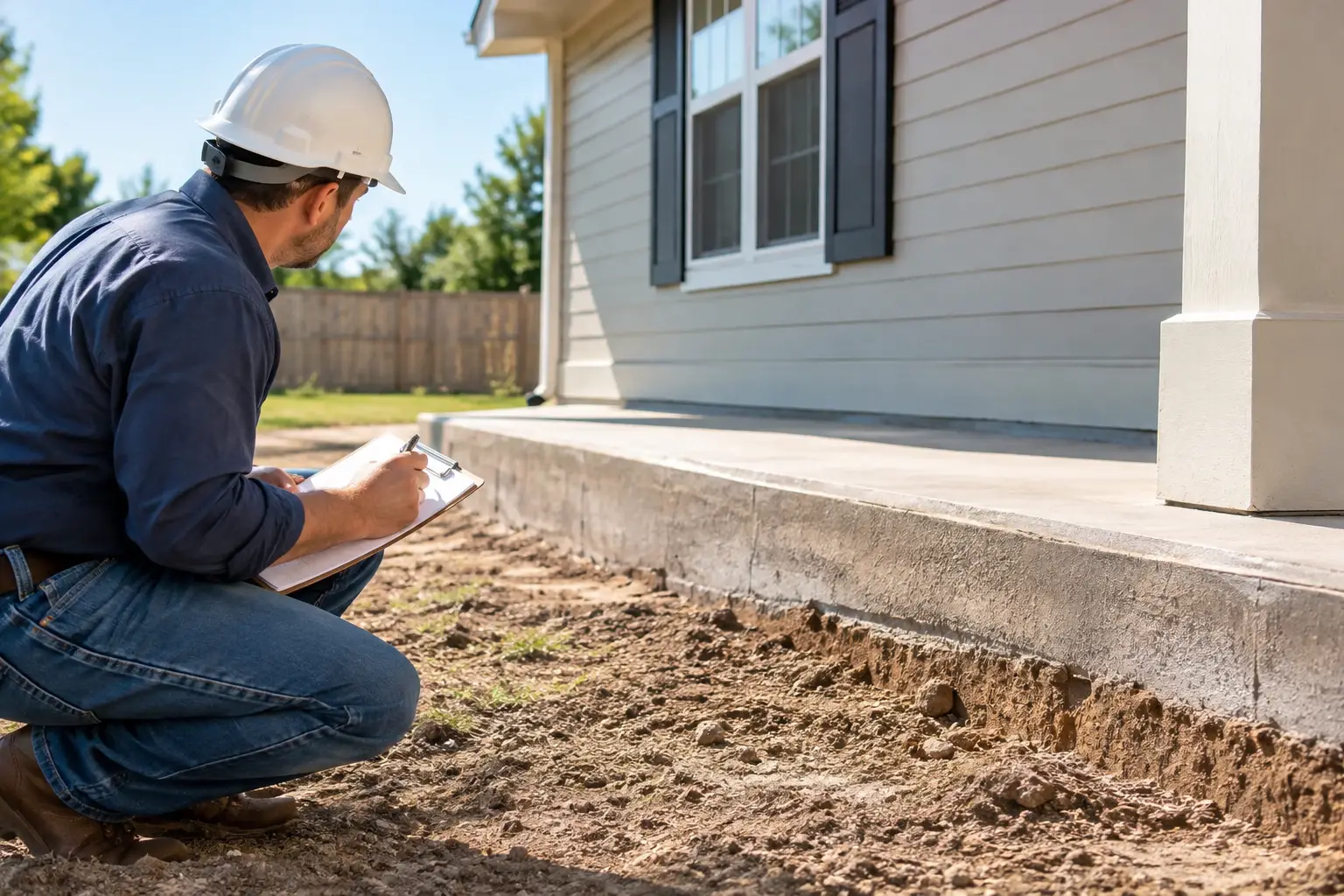
A trustworthy remediation process is designed to identify hidden moisture before cosmetic repairs cover it up. It begins with an inspection of the affected room and the areas around it. Professionals may use moisture meters, thermal imaging, and humidity readings to determine how far water traveled through floors, walls, ceilings, cabinets, and framing.
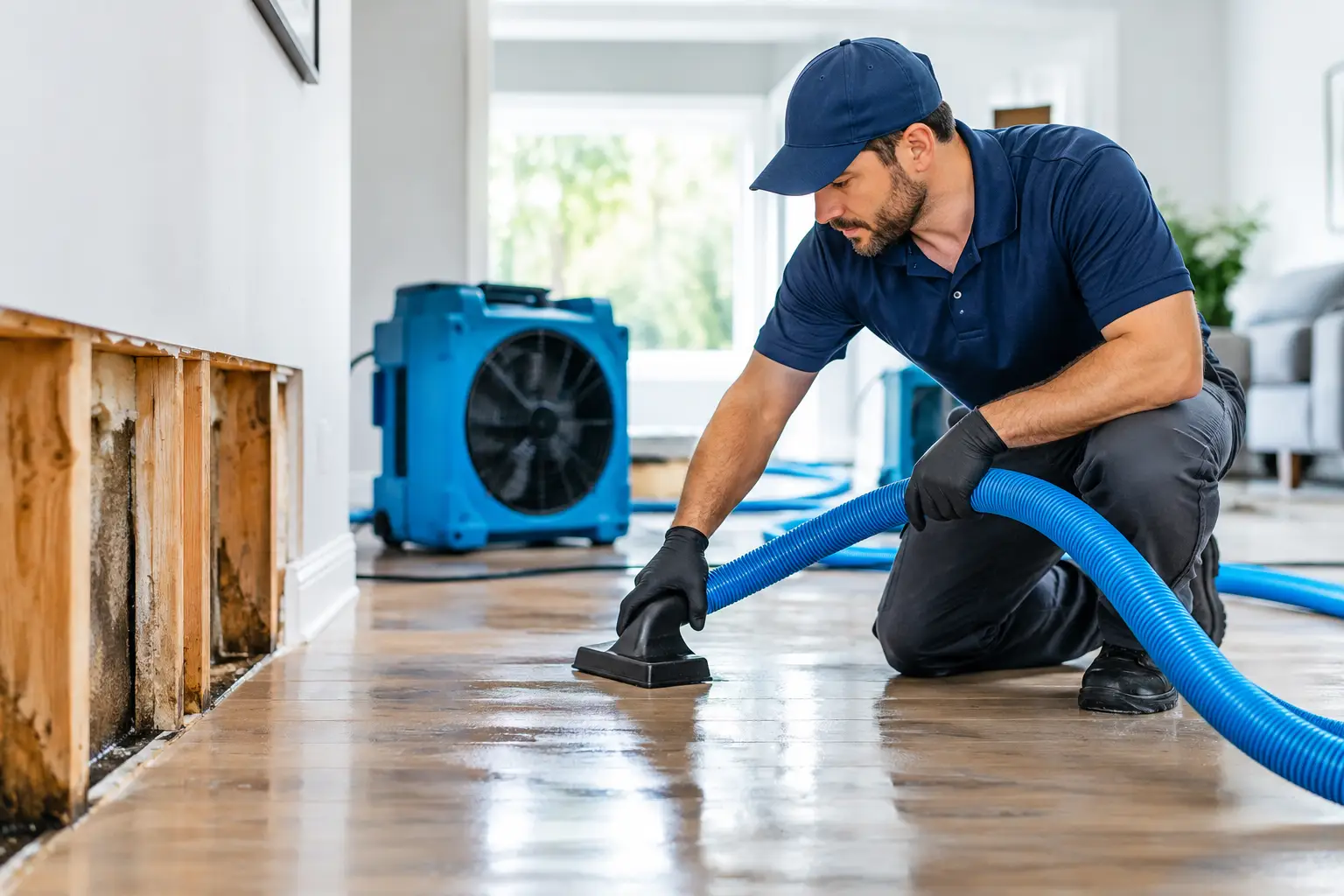
Once the affected materials are identified, the team creates a controlled drying plan. This can include water extraction, air movers, dehumidifiers, temporary containment, and selective removal of materials that cannot be safely dried. The goal is not simply to make a room feel dry. It is to return building materials to appropriate moisture levels and prevent conditions that support mold growth.
Selective demolition is often part of responsible remediation. That may mean removing a strip of drywall, damaged baseboards, wet carpet padding, or swollen engineered flooring to reach what lies behind it. While homeowners understandably want to minimize demolition, leaving trapped moisture in place can lead to bigger repairs later. The trade-off is clear: targeted removal may feel disruptive now, but it helps protect framing, indoor air quality, and the finished surfaces you plan to install next.
A complete process also includes cleaning and antimicrobial treatment where appropriate. This is especially important after gray or black water exposure and in areas where materials were wet long enough for microbial growth to become a concern. Drying equipment should remain in place until moisture readings support removal, not just until the room looks better.
Watch for Hidden Damage and Mold Risks
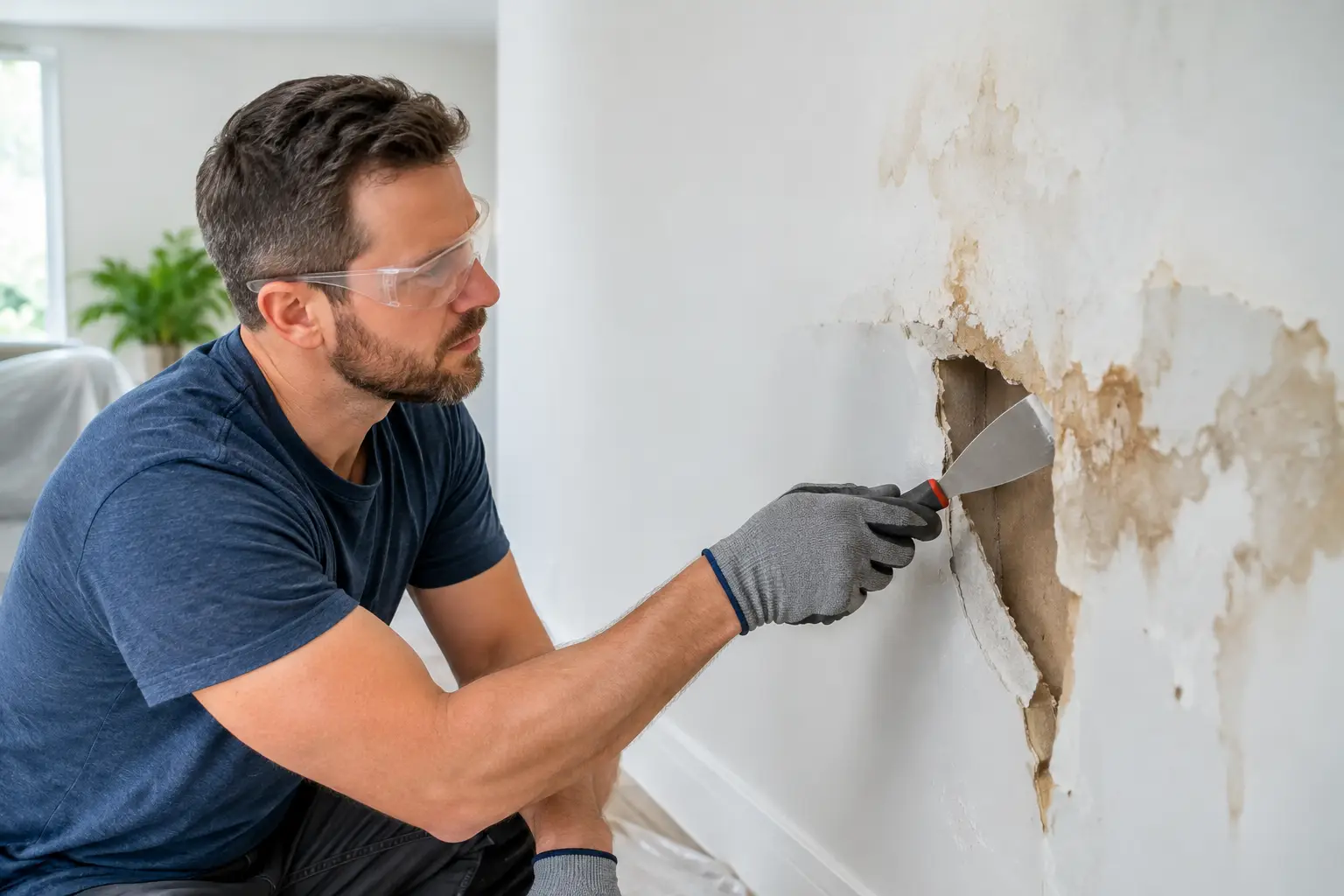
Mold can begin developing quickly when materials remain wet, particularly in warm, humid conditions. Central Texas homes may face added moisture pressure during heavy rain events, plumbing failures, or periods when air conditioning systems are working hard. A musty smell, peeling paint, buckled flooring, discolored drywall, warped trim, or doors that suddenly stick can all point to moisture beyond the surface.
Not every water event requires extensive demolition or mold remediation. A small clean-water spill that is dried completely within a short time may need little more than extraction and monitoring. However, water behind walls, under cabinets, below flooring, or in ceiling cavities should not be guessed at. Professional testing and inspection help determine whether the home needs targeted drying, material removal, or a more involved restoration plan.
Avoid covering stains with paint, laying new flooring over a damp subfloor, or reinstalling baseboards before the area is fully dry. These shortcuts can hide the evidence while allowing damage to continue. Quality repairs begin with a dry, stable surface.
Plan Repairs Around Long-Term Value
After remediation, reconstruction is the point where a damaged room can become an opportunity to improve the space. The right scope depends on the cause of the water damage, the condition of adjacent materials, insurance coverage, and your long-term goals for the property.
For example, a kitchen leak may require cabinet removal to dry the wall and floor behind it. If the cabinetry is older or no longer matches the homeowner’s needs, it may be practical to evaluate layout improvements, durable flooring, upgraded plumbing connections, and moisture-resistant finishes as part of the rebuild. A bathroom leak can be the right time to address ventilation, waterproofing behind tile, shower pan performance, and aging supply lines.
This is where a construction partner brings value beyond emergency cleanup. NXT Construction Inc. helps Central Texas homeowners connect remediation with well-managed repairs, from damaged drywall and flooring to full bathroom, kitchen, and interior restoration work. The focus should be on a repair that looks finished, performs well, and fits the way you live in the home.
Ask for a clear scope of work before reconstruction begins. It should distinguish emergency mitigation from restoration work, explain which materials will be removed or replaced, and identify any conditions that could affect cost or schedule. If structural wood, subflooring, or foundation-adjacent areas were exposed to prolonged moisture, request an evaluation before finishes are installed.
Prevent the Next Water Event
No home is immune to water damage, but regular maintenance can reduce the likelihood and severity of an incident. Check supply lines under sinks, behind toilets, and at washing machines for corrosion, bulging, or loose fittings. Replace aging hoses before they fail. Keep gutters and downspouts clear, direct drainage away from the foundation, and inspect roof penetrations after major storms.
Inside, make sure bathroom exhaust fans vent effectively and are used during showers. Watch for slow drains, recurring caulk failures, soft flooring near tubs, and unexplained increases in water bills. These smaller warnings are often less expensive to address than a full water loss.
A well-remediated home should not carry a hidden question mark behind its walls or beneath its floors. When water enters your property, act quickly, document carefully, and choose repairs that protect the comfort, safety, and lasting value of the space you call home.