A bathroom can look like a simple room until you start changing it. Behind the tile are plumbing lines, electrical connections, ventilation, waterproofing, framing, and often years of hidden wear. The right bathroom remodeling contractor does more than install a new vanity or shower. They help you make sound decisions that protect your home, support your daily routine, and create a space you will be proud to use for years.
For Central Texas homeowners, the stakes can be even higher. An outdated bath may hide water damage, aging supply lines, poor ventilation, or materials that no longer hold up to a busy family, guests, or rental use. A well-managed remodel turns those concerns into an opportunity for better function, modern design, and lasting value.
What a Bathroom Remodeling Contractor Should Manage
A successful bathroom remodel is a coordinated construction project, not a collection of separate purchases. You may be selecting tile, fixtures, lighting, cabinetry, mirrors, paint colors, and hardware, but those visible choices depend on the work behind the walls.
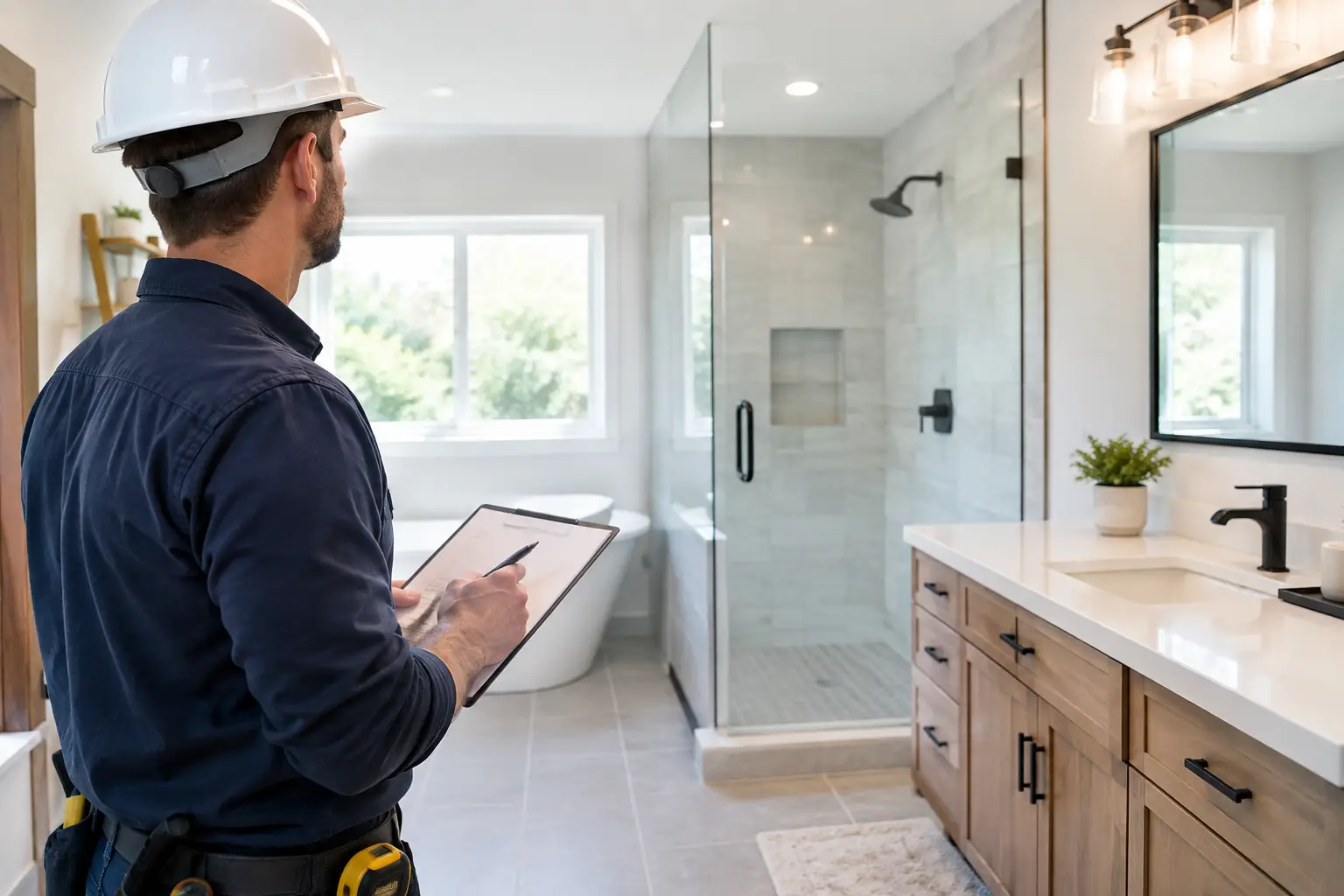
A capable contractor should guide the project from initial assessment through final walkthrough. That includes measuring the space, discussing layout options, evaluating existing conditions, developing a clear scope, coordinating trades, obtaining permits when required, scheduling inspections, and maintaining quality control through installation.
This full-project perspective matters most when your goals go beyond cosmetic updates. Moving a shower, adding a double vanity, converting a tub to a walk-in shower, or improving accessibility can involve changes to plumbing, electrical, ventilation, framing, and flooring. Working with one accountable construction partner helps prevent the gaps that occur when homeowners are left to coordinate multiple independent trades on their own.
Start With How You Want the Room to Work
Before comparing contractors, define what is not working in your current bathroom. Is the shower too cramped? Is there never enough counter space in the morning? Does poor lighting make the room feel smaller than it is? Are moisture issues creating peeling paint, loose flooring, or persistent odors?
Your answers should shape the plan. A family bathroom may need durable finishes, generous storage, and a tub that works for young children. A primary suite might call for a larger shower, a more open layout, layered lighting, and materials that create a calmer retreat. For an aging homeowner or multigenerational household, a curbless shower, wider access, grab-bar blocking, and slip-resistant flooring may be more valuable than a purely decorative upgrade.
A good contractor listens for these real-life needs before proposing products. Trends can be helpful for inspiration, but the best result is one that fits your home, budget, and everyday habits.
How to Evaluate a Bathroom Remodeling Contractor
Price will matter, but it should not be the only deciding factor. A low estimate can become expensive if important work was excluded, materials were not clearly specified, or the contractor has not accounted for potential conditions behind the walls.
Ask each contractor how they approach planning, communication, scheduling, changes, and final quality checks. Their answers should be direct and specific. You are looking for a partner who can explain the work in plain language without overselling or making promises that cannot be supported by the scope.
Look for Clear Scope Before a Final Price
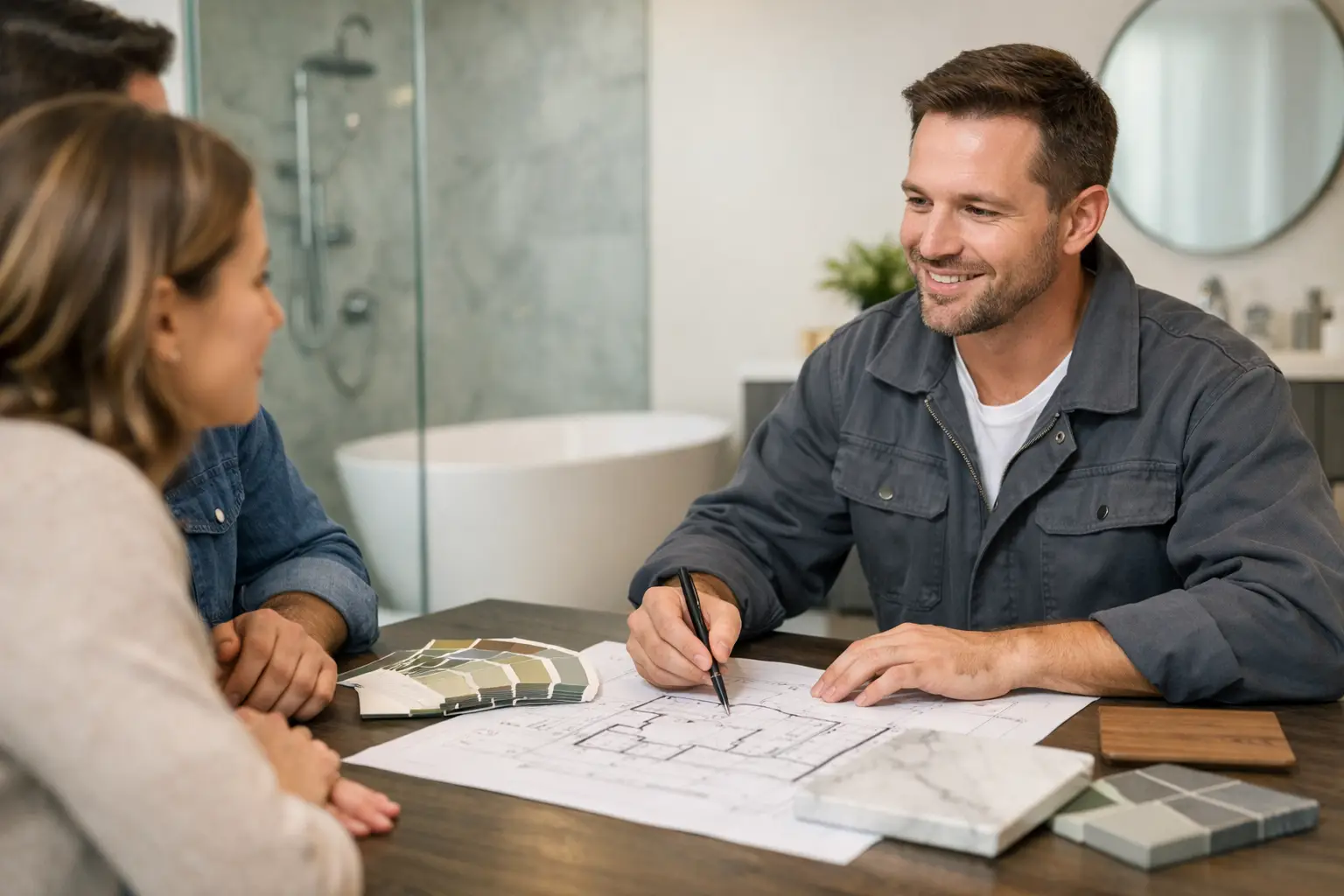
A detailed proposal is one of the strongest signs of a professional process. It should explain what will be demolished, what will be installed, who is providing materials, and what assumptions are included. It should also identify allowances for selections that have not been finalized, such as tile, plumbing fixtures, or cabinetry.
This detail makes estimates easier to compare. One proposal may appear less expensive because it excludes demolition, waterproofing, electrical upgrades, permit fees, disposal, painting, or fixture installation. Another may include those items from the beginning. Comparing only the bottom-line number does not reveal the true value.
Be especially cautious with vague language such as “bathroom remodel” without a description of the actual work. A professional estimate should give you enough clarity to understand where your investment is going.
Ask About Waterproofing, Ventilation, and Plumbing
Beautiful tile does not stop water on its own. In showers and wet areas, the waterproofing system underneath the finish materials is what protects your walls, subfloor, and framing. Ask what system will be used and how the contractor checks that it is installed correctly before tile goes up.
Ventilation deserves the same attention. An undersized, poorly vented, or ineffective exhaust fan can lead to excess humidity, mildew, peeling finishes, and damage over time. The right solution depends on the bathroom’s size, layout, existing ducting, and how the room is used.
Plumbing is another area where a remodel can reveal surprises. Older homes may have corroded lines, outdated valves, or drain configurations that limit layout changes. A contractor should evaluate those conditions early and explain whether updates are recommended, required, or optional. That honest distinction helps you control the budget without ignoring work that could prevent future repairs.
Confirm Communication and Jobsite Standards
You should know who your primary point of contact will be, how often you will receive updates, and how decisions or change orders will be documented. Bathroom renovations affect daily life, particularly when the space is the only full bath in the home. A reliable schedule will account for lead times, inspections, trade coordination, and the possibility of uncovering hidden conditions.
Ask how the crew will protect adjacent rooms, manage dust, secure the jobsite, and clean up at the end of the day. These details are not minor. They reflect the respect a contractor shows for your home while work is underway.
Design Choices That Hold Up Beyond the Reveal
The most photographed bathroom is not always the most practical bathroom. A skilled remodeling partner can help you balance visual impact with maintenance, durability, and resale value.
Large-format tile can create a clean, expansive look with fewer grout lines, but it may require flatter surfaces and careful installation. Natural stone delivers character, yet it can need more maintenance than porcelain. A floating vanity can make a smaller room feel open, while a furniture-style vanity may offer more enclosed storage. The right choice depends on the room, the household, and how much ongoing care you want to take on.
Lighting should be planned in layers. Overhead lighting provides general illumination, but task lighting near the mirror makes grooming easier and reduces harsh shadows. Accent lighting can add warmth in a primary bath, while dimmers give the room flexibility throughout the day.
Storage is often where a remodel earns its value. Recessed medicine cabinets, drawer organizers, linen storage, built-in niches, and appropriately sized vanities can eliminate the clutter that makes an otherwise beautiful bathroom feel unfinished.
Budget for the Work You Cannot See
It is reasonable to have a target budget, and a trustworthy contractor should respect it. At the same time, a bathroom remodel needs room for informed choices once demolition begins. Water damage, deteriorated subflooring, code-related electrical updates, and plumbing repairs are not guaranteed, but they are possible in older or heavily used bathrooms.
The best approach is to prioritize first. Invest in proper waterproofing, ventilation, plumbing, electrical safety, and experienced installation before stretching the budget for a premium fixture or decorative feature. You can often find a finish that achieves the right look at a range of price points. It is much harder to correct construction work that was rushed or skipped.
Financing may also help some homeowners phase costs responsibly or choose improvements that better serve their long-term plans. The right path depends on your timeline, property goals, and the scope of the renovation.
Local Experience Matters in Central Texas
Central Texas homes range from established Austin properties to newer construction in Leander, Cedar Park, Georgetown, Lakeway, and Liberty Hill. Each neighborhood can bring different construction conditions, permitting considerations, home styles, and renovation priorities.
A local contractor understands that a bathroom project may connect to larger concerns, from water remediation and foundation movement to an addition, ADU, or whole-home update. That perspective is valuable when you want the remodeled bath to feel intentional within the rest of the property rather than like an isolated improvement.
NXT Construction Inc. approaches remodeling as a client partnership, pairing design-minded planning with practical construction execution. The goal is not simply to replace finishes. It is to build a durable, functional space that reflects the way you live and strengthens the value of your home.
Choose Confidence Over Quick Promises
The best bathroom remodeling contractor will not pressure you into a one-size-fits-all solution. They will ask thoughtful questions, provide a clear scope, explain trade-offs, and remain accountable from the first assessment to the final details.
Your bathroom should make daily life easier, whether that means a safer shower, smarter storage, better lighting, or a more restorative start and end to every day. Take the time to choose a construction partner who treats that investment with the same care you do.