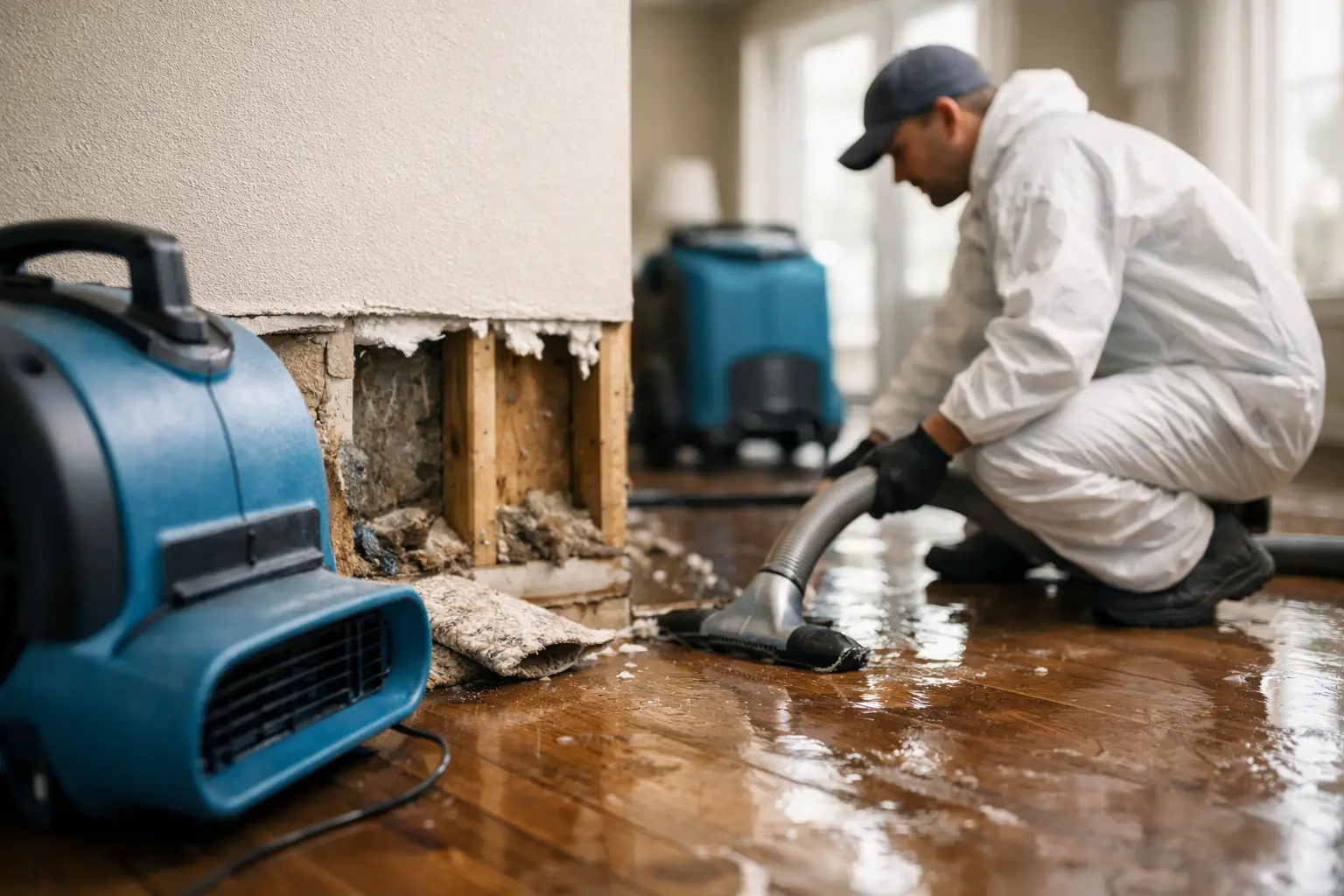
A water stain on the ceiling is rarely just a cosmetic problem. Behind it may be saturated insulation, weakened drywall, warped framing, or moisture moving quietly beneath flooring. Fast, thorough water damage restoration protects more than the finish of your Central Texas property – it protects the structure, the air quality, and the investment you have worked hard to build.
In Austin and surrounding communities, water damage can come from a sudden plumbing failure, a leaking roof after a severe storm, an overflowing appliance, or a slow leak hidden inside a wall. The source may be small, but the consequences can expand quickly in Texas heat and humidity. The right response is not simply removing visible water. It is identifying the source, controlling moisture, documenting conditions, and restoring affected areas with durable workmanship.
The First Hours After Water Damage Matter
Water moves farther than most property owners expect. It can travel under baseboards, through wall cavities, into cabinets, beneath tile, and across subflooring before any visible sign appears. That is why a prompt inspection is essential, even when the affected area seems limited.
If it is safe to do so, shut off the water supply when a plumbing leak is involved and move valuables away from the affected area. Avoid entering spaces with standing water near electrical outlets or equipment. Do not assume a carpet, wall, or ceiling is dry because its surface feels dry to the touch. Moisture trapped underneath finishes can create a much larger repair later.
A professional assessment helps establish what has been affected and what can be saved. It also creates a practical plan for drying, removal, repairs, and any rebuilding required. For homeowners and commercial property owners, this early clarity can prevent a disruptive situation from becoming an open-ended project.
Water Damage Restoration Is More Than Drying
Effective water damage restoration is a coordinated construction process. Drying equipment is critical, but it is only one part of the work. The goal is to return the property to a safe, sound, and functional condition while addressing the cause of the damage.
The process typically begins with locating and stopping the source of water. A burst supply line, roof penetration, failed water heater, drain backup, or foundation-related drainage issue each calls for a different repair strategy. Fixing finishes without solving the source only creates a repeat problem.
Next comes moisture evaluation and controlled drying. Depending on the material and severity of exposure, this may involve removing wet carpet and pad, opening sections of drywall, lifting damaged flooring, or addressing insulation that can no longer dry properly. Some materials can be preserved with prompt drying. Others hold moisture, lose structural integrity, or become unsuitable after contamination.
Once the affected materials are dry and the area is stable, restoration work can begin. That may include drywall replacement, trim and paint, flooring repair, cabinet rebuilding, ceiling repairs, insulation, and structural carpentry. A complete approach keeps the transition from emergency mitigation to quality reconstruction organized under one accountable plan.
Not All Water Damage Requires the Same Response
The source and condition of the water matter. A clean-water leak from a supply line is different from water affected by sewage, a toilet overflow, or outdoor flooding. Contaminated water requires more protective measures, more selective material removal, and more careful cleaning before reconstruction begins.
The length of time water has been present also changes the scope. A leak discovered and addressed within hours may need focused drying and limited finish repair. A slow leak behind a shower wall or beneath a kitchen sink can damage framing, flooring, cabinetry, and insulation before it is found. In those cases, the visible damage is often only part of the story.
Older homes can present additional considerations. Previous renovations may have concealed plumbing routes, layered flooring, or aging materials that complicate access. Commercial properties may need restoration phased around operations, tenant access, inventory protection, or safety requirements. A tailored plan matters because every property has different construction details and priorities.
Hidden Moisture Can Affect Your Home’s Long-Term Value
Property owners often focus first on what they can see: stained drywall, buckled flooring, or a damaged ceiling. The more costly risk is moisture that remains behind finished surfaces. Over time, it can contribute to wood deterioration, odors, mold growth, material failure, and future repair expenses.
This is why careful inspection and verification are central to a quality restoration. Moisture readings, visible conditions, the duration of exposure, and the type of materials involved all help determine the right scope. Cutting corners may make a room look repaired quickly, but it can leave the underlying issue in place.
A well-executed restoration also preserves the character of the space. Whether the affected area is a family kitchen, primary bathroom, home office, retail suite, or rental property, repairs should align with the property’s existing finishes and intended use. When reconstruction is necessary, it can be an opportunity to improve durability, update dated materials, or correct a layout weakness exposed during the work.
A Clear Plan Makes a Stressful Situation Manageable
Water damage can feel overwhelming because several decisions seem urgent at once. You may be coordinating a plumber, an insurance claim, drying work, and repairs while trying to protect daily life at home or keep a business open. Working with a construction partner that communicates clearly helps bring order to the process.
Before work begins, you should understand the likely scope, which materials need attention, what can be retained, and what reconstruction may involve. Documentation is especially helpful when insurance is part of the process. While coverage depends on the policy and cause of loss, detailed records of conditions, repairs, and restoration needs support informed conversations with your carrier.
Timing also deserves an honest discussion. Emergency drying and stabilization should begin quickly, but permanent reconstruction should not be rushed before the affected area is properly evaluated and dry. The best schedule balances urgency with quality control. A finished space should not only look renewed – it should perform reliably for years.
Rebuild With Durability and Purpose in Mind
After the immediate damage is addressed, reconstruction is where craftsmanship becomes visible. The right materials and installation details can reduce vulnerability in areas prone to moisture. In bathrooms, kitchens, laundry rooms, and utility spaces, that may mean improving waterproofing, selecting resilient flooring, upgrading ventilation, or correcting drainage around the exterior.
For larger projects, restoration may connect naturally with broader improvements. A damaged bathroom can become a more functional retreat. A water-affected kitchen may be rebuilt with better storage and durable finishes. A commercial space can be repaired with an eye toward workflow, appearance, and easier maintenance. The right decision depends on the extent of damage, budget, insurance considerations, and your long-term plans for the property.
At NXT Construction Inc., the focus is on helping Central Texas property owners move from uncertainty to a well-built solution. From initial inspection through restoration and finish work, a thoughtful process protects the details that matter most: your safety, your time, your property’s value, and the way you want the space to serve your life.
If you notice staining, soft flooring, a persistent musty odor, peeling paint, or unexplained changes around walls and cabinets, act before the damage has more time to spread. A professional inspection can turn a difficult discovery into a clear path forward – and help your property come back stronger than before.