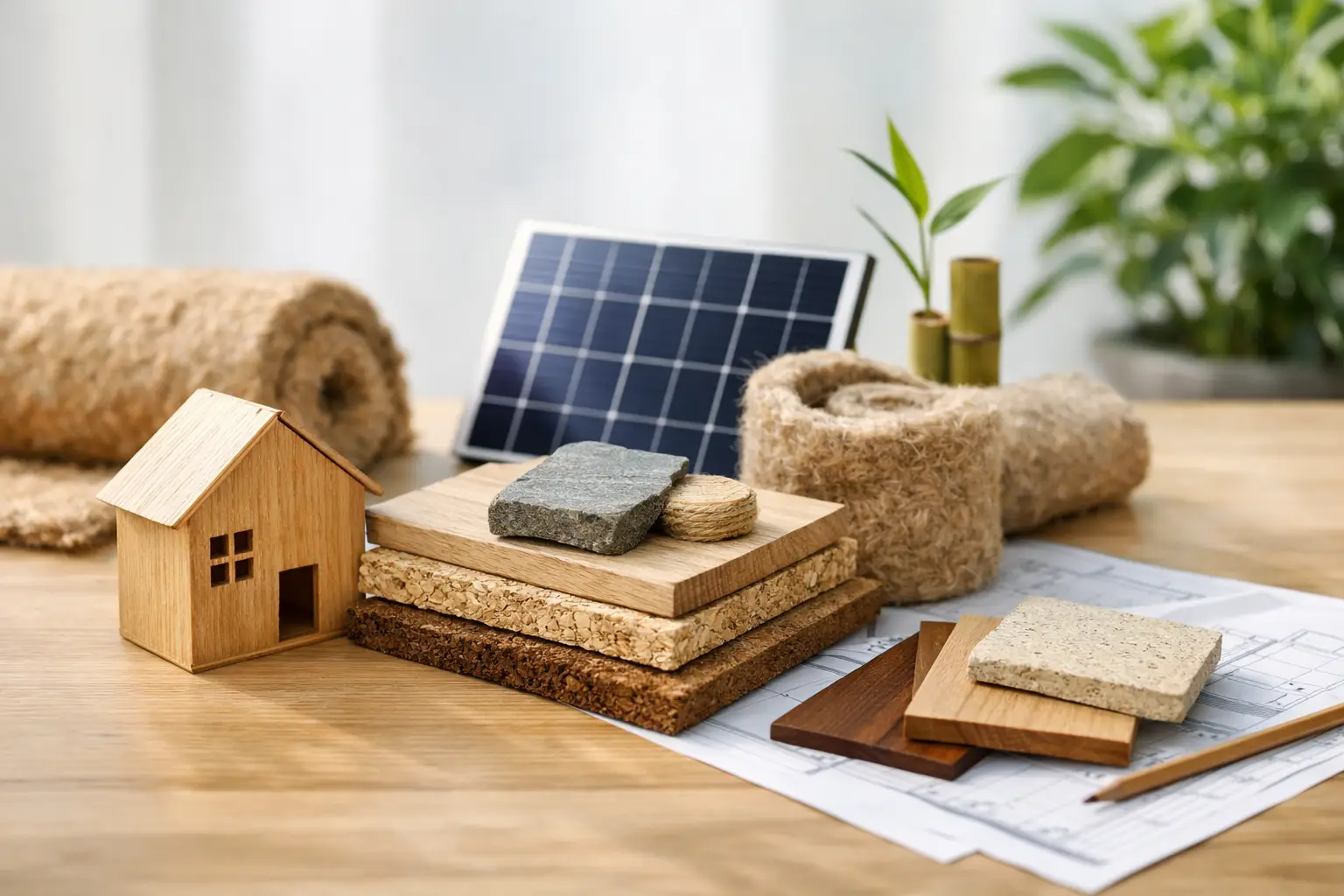
A remodel should feel better years after the dust settles, not just look impressive on reveal day. The right sustainable home remodeling materials can lower maintenance demands, improve comfort during a Central Texas summer, reduce construction waste, and protect the long-term value of your property.
Sustainability is not one product label or a single design style. For homeowners in Austin, Leander, Cedar Park, Georgetown, Lakeway, Liberty Hill, and nearby communities, it means choosing materials that make sense for heat, sun exposure, sudden storms, humidity, and the way your family actually lives. A beautiful surface that fails early is not a sustainable choice. Neither is a low-cost product that requires frequent replacement.
What Makes a Remodeling Material Sustainable?
A sustainable material is evaluated over its full working life, not only at the point of purchase. Responsible sourcing matters, but so do durability, energy performance, indoor air quality, maintenance requirements, and whether a material can be reused or recycled later.
For example, a locally made concrete countertop may have a larger upfront environmental footprint than a lightweight alternative, but it can be a practical long-life choice when it is properly sealed and maintained. On the other hand, reclaimed wood can reduce demand for new lumber and bring character to a room, but it needs careful inspection for moisture damage, insects, lead-based finishes, and structural limitations.
The best choice depends on the space. A material suited to a shaded bedroom may not hold up on a sun-facing patio, in a busy kitchen, or around a frequently used shower. Thoughtful planning looks at performance first, then balances appearance, budget, and environmental goals.
Sustainable Home Remodeling Materials for Central Texas
Reclaimed and Responsibly Sourced Wood
Wood adds warmth that manufactured finishes often struggle to match. Reclaimed beams, salvaged flooring, and repurposed doors can give a kitchen, living room, or outdoor structure a sense of history while keeping usable material out of the waste stream.
When new wood is the better fit, look for responsibly sourced products from forests managed for regeneration. Engineered wood can also be a smart option for cabinetry, shelving, and flooring because it uses wood fiber efficiently and can provide greater stability than solid boards in changing temperatures and humidity.
The trade-off is maintenance and product quality. Exterior wood needs the right finish and regular care in Texas sun. For interior applications, choose low-emission adhesives and finishes to support healthier indoor air.
Recycled-Content Countertops and Tile
Kitchens and bathrooms are excellent places to make sustainability visible. Countertops made with recycled glass, recycled paper composite, or reclaimed stone can create a distinctive finish without relying entirely on newly extracted raw materials. Recycled porcelain and ceramic tile can deliver the same flexibility, water resistance, and easy-clean performance homeowners expect from traditional tile.
For high-use kitchens, durability should guide the final decision. Some recycled-content surfaces need periodic sealing, while others are more sensitive to heat, scratching, or staining. A busy household with young children may prioritize a forgiving quartz-like surface, while a homeowner creating a statement powder room may be comfortable with a more specialized material.
Tile also has a practical advantage in Central Texas homes: it stays cool underfoot and performs well in wet areas. Choosing a timeless color and format can help prevent a remodel from feeling dated before the material reaches the end of its service life.
Low-VOC Paints, Adhesives, and Finishes
Many remodeling decisions happen behind the walls or in the final coat of paint, yet these choices have a direct effect on indoor air quality. Volatile organic compounds, commonly called VOCs, can be released from paints, stains, caulks, adhesives, flooring underlayment, and cabinetry finishes.
Low-VOC and zero-VOC products help reduce chemical odors and emissions during and after construction. They are especially worthwhile in nurseries, bedrooms, home offices, and homes where family members have sensitivities. Better ventilation during construction still matters, but choosing cleaner products is a practical starting point.
Do not assume every product labeled “green” performs the same way. Paint sheen, washability, moisture resistance, and surface preparation all affect long-term results. A durable, properly applied low-VOC paint is a better investment than a cheaper coating that peels or requires early repainting.
Insulation That Improves Everyday Comfort
Sustainability is often won or lost in the building envelope. When attic spaces, exterior walls, crawl spaces, ducts, and air gaps are addressed during a remodel, the home can hold conditioned air more effectively. That means less strain on the HVAC system and more consistent comfort from room to room.
Spray foam insulation can be particularly effective when installed correctly in the right application because it both insulates and air-seals. Other options, including cellulose made from recycled paper and mineral wool, can also support energy-conscious upgrades. The correct material depends on the home’s assembly, moisture conditions, ventilation needs, and local code requirements.
This is not an area for guesswork. Insulation works as part of a larger system that includes roofing, windows, ventilation, and moisture management. A professional assessment can reveal whether the greatest opportunity is in the attic, around penetrations, within walls during an addition, or near aging ductwork.
Durable Flooring With a Long Service Life
Flooring is one of the largest material decisions in any renovation. Sustainably harvested hardwood, reclaimed wood, cork, linoleum, polished concrete, and recycled-content tile all offer different advantages.
Hardwood can be refinished rather than replaced, making it a strong long-term choice when the species, finish, and installation method fit the home. Cork offers a softer feel underfoot and renews more quickly than traditional timber, though it may not be ideal for every high-moisture area. True linoleum, made from natural ingredients, is durable and resilient, but it should not be confused with vinyl flooring.
Polished concrete deserves consideration in modern homes, ADUs, garages, and commercial spaces. If an existing slab is in good condition, refining it into a finished floor can reduce the need for additional material layers. It is highly durable and easy to maintain, though it can feel hard and cool, which may call for rugs or thoughtful furniture planning.
Water-Wise Materials for Bathrooms and Outdoor Living
Water is a major consideration in Central Texas, especially for outdoor improvements. Permeable pavers can help rainwater move into the ground rather than immediately running across a driveway or patio. Native and drought-tolerant landscaping around a new outdoor kitchen, pergola, or seating area can reduce irrigation demands while still creating a polished setting for entertaining.
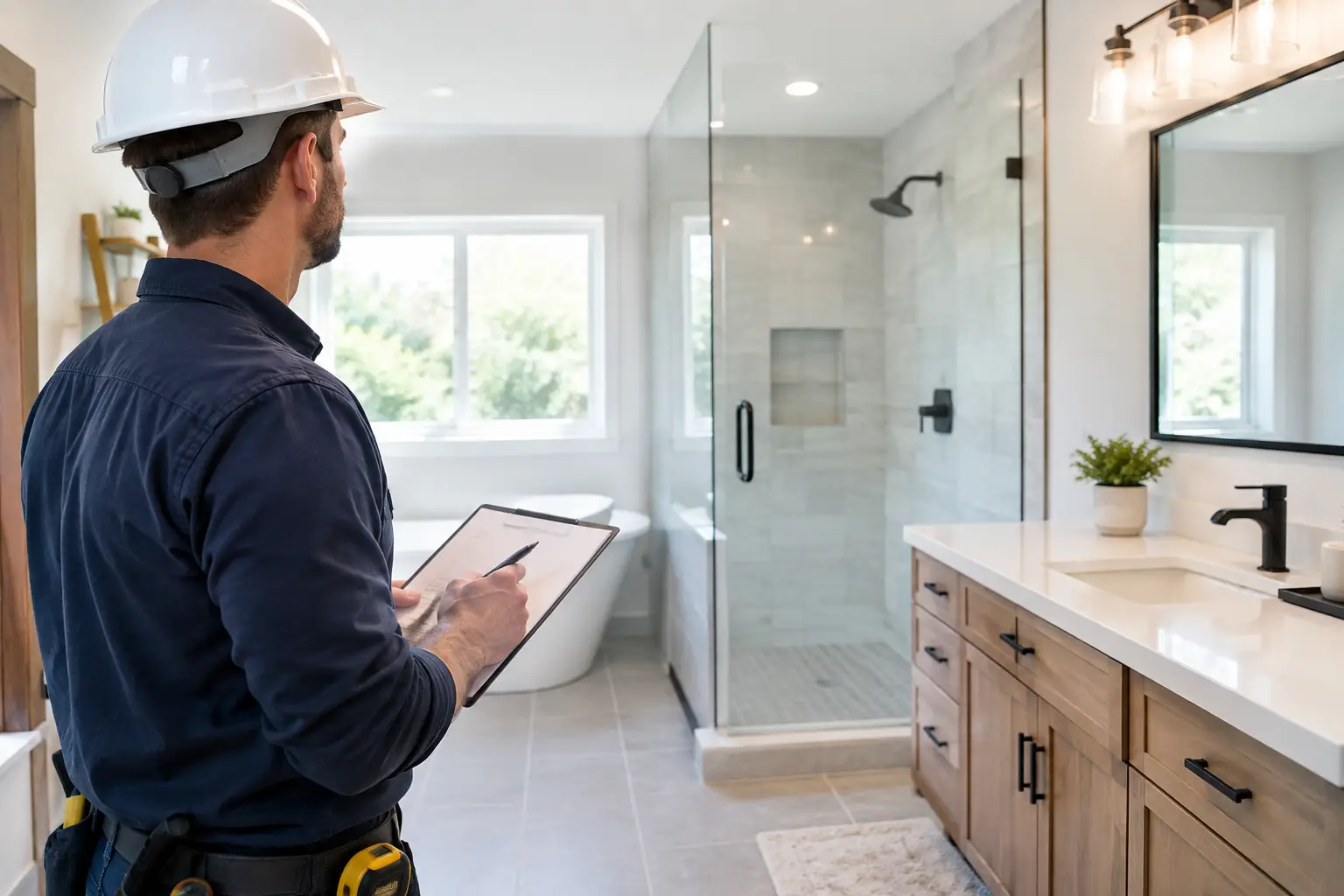
Inside, porcelain tile, quality waterproofing membranes, efficient plumbing fixtures, and moisture-resistant wall systems protect the home from preventable water damage. The sustainable decision is often the one that reduces the risk of demolition and reconstruction later. A shower built with correct drainage, waterproofing, and durable finishes will outperform a fast cosmetic update every time.
Avoid the One-Size-Fits-All Approach
Material decisions should not be made from a showroom sample alone. Ask how a product handles direct sunlight, whether it needs sealing, how it responds to pet traffic, what cleaning products it requires, and whether replacement parts or matching material will be available later.
It is also worth considering the project scope. If you are remodeling a kitchen but your home has significant air leaks, aging insulation, or water intrusion, addressing those underlying issues may deliver more lasting value than upgrading finishes alone. In an older home, a foundation concern, moisture issue, or damaged framing should be resolved before premium materials are installed on top of it.
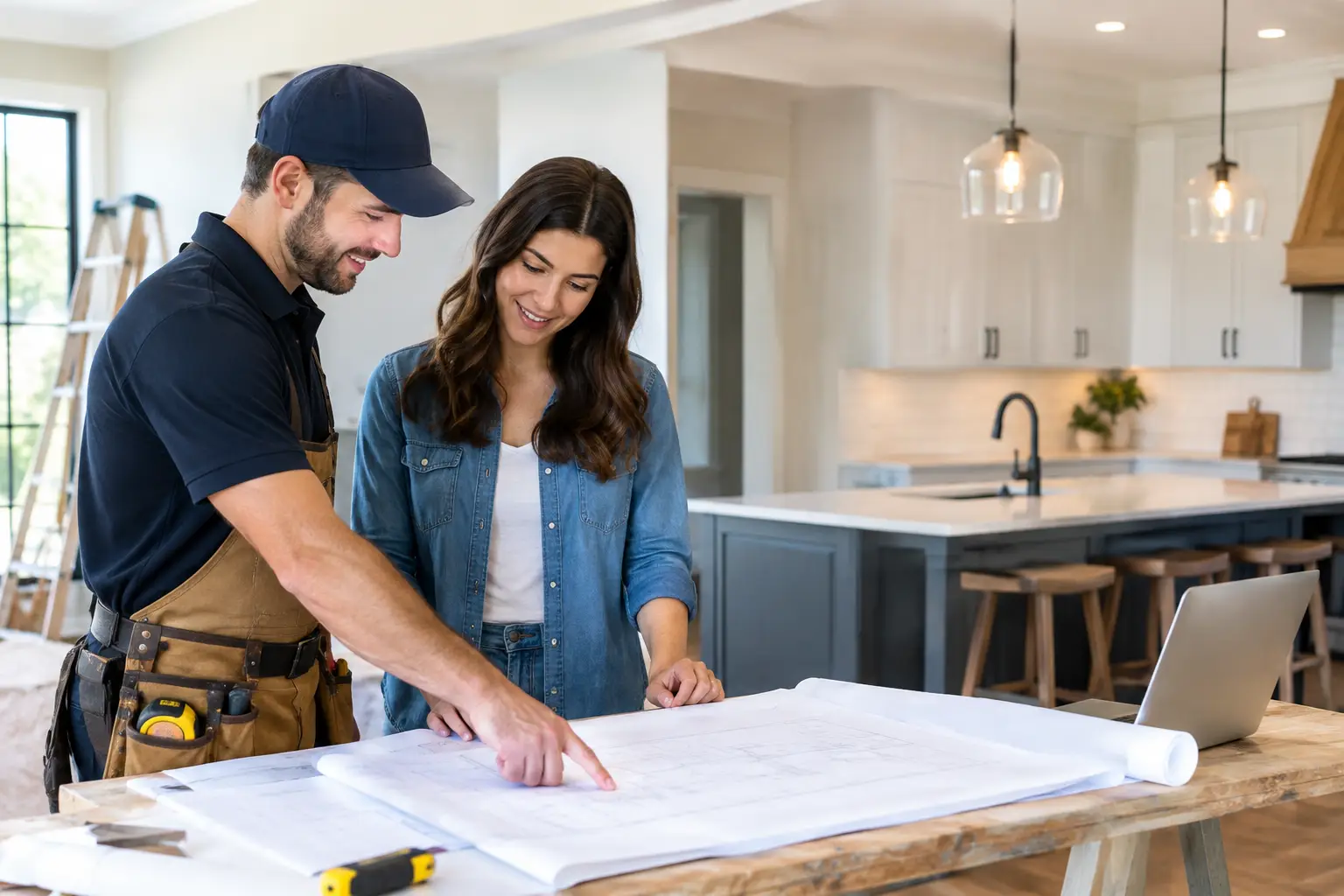
A well-managed remodel brings these decisions together early. Material selections, structural needs, energy goals, design preferences, and budget should inform one another instead of competing at the end of construction.
Build for the Home You Plan to Keep
The most sustainable remodel is rarely the one with the most trendy finishes. It is the one that gives your household a healthier, more functional, and more durable space without creating unnecessary replacement work down the road.
At NXT Construction Inc., we help Central Texas property owners evaluate choices through the lens of craftsmanship, performance, and real life. Whether you are updating a bathroom, building an ADU, improving insulation, or creating an outdoor living area, start by choosing materials that will continue to serve your home well through the next season, the next gathering, and the next chapter of your life.