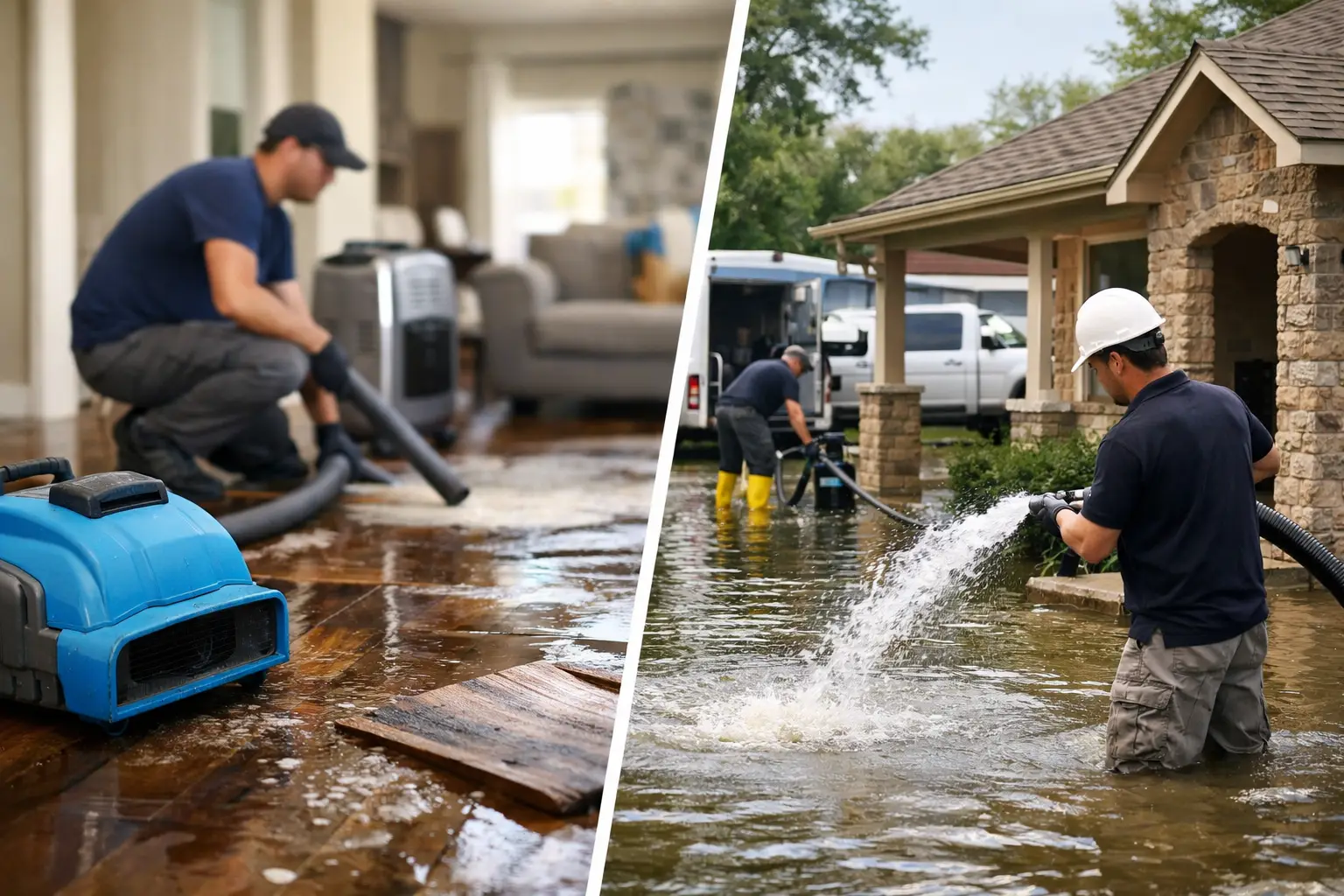
A water-damaged ceiling, warped flooring, or musty room can look like a contained repair. Often, it is evidence of a larger moisture problem behind the surface. These water restoration examples show what a complete recovery can look like for Central Texas homes and commercial properties – and why fast, well-managed work protects both the structure and the life happening inside it.
Water restoration is not simply drying a wet area and replacing damaged materials. The right scope depends on where the water traveled, how long it remained, what materials were affected, and whether the source has been fully corrected. In Austin, Liberty Hill, Leander, Cedar Park, Lakeway, Georgetown, and surrounding communities, that can mean anything from a failed appliance line to intense storm-driven roof intrusion.
Water Restoration Examples Homeowners Commonly Face
A supply-line leak beneath a kitchen sink
A small leak beneath a sink can slowly saturate cabinet bases, drywall, and flooring without creating a dramatic puddle. A homeowner may first notice a swollen toe kick, peeling finish, or a lingering odor. By that point, moisture may have moved into adjacent walls or beneath the finished floor.
A proper restoration begins by stopping the leak and assessing the full path of water. Damaged cabinet components, wet insulation, affected drywall, and flooring may need removal so the framing and subfloor can dry properly. Once moisture conditions are stable, the rebuild can include new cabinetry, flooring, drywall, paint, and upgrades that make the kitchen more functional than it was before the loss.
This is a good example of why restoration and remodeling often overlap. If a kitchen already needs modernization, a coordinated rebuild can turn an unexpected disruption into an opportunity for better storage, durable finishes, and a more polished design.
An upstairs bathroom overflow
An overflowing toilet, bathtub, or shower can send water through a second-floor bathroom and into the ceiling below. The visible damage may appear in a living room, hallway, or bedroom, while the source is one floor above. Ceiling staining is only part of the concern. Water can become trapped in insulation, light-fixture openings, wall cavities, and wood framing.
The restoration process may require controlled removal of ceiling materials, insulation, and portions of affected flooring or wallboard. Drying equipment is then placed strategically, with moisture readings used to confirm that hidden building materials have returned to acceptable levels. After repairs, the project may include a rebuilt bathroom floor, updated plumbing connections, a repaired ceiling, fresh paint, and electrical checks where fixtures were exposed.
There is a trade-off here: removing more material can feel disruptive, but leaving wet materials in place can create a more expensive problem later. The goal is not unnecessary demolition. It is targeted removal that allows the property to dry, be repaired correctly, and remain safe for the people using it.
A washing machine or refrigerator line failure
Appliance failures are among the most common water-loss events because they can happen while residents are asleep, at work, or away for the weekend. A failed washing machine hose can affect a laundry room, nearby bedrooms, baseboards, and flooring. A refrigerator supply-line leak may damage kitchen flooring and migrate into cabinets or an adjoining room.
In these cases, the material matters. Tile might look unaffected while moisture sits underneath it. Engineered wood and laminate can swell or separate at the seams. Carpet and pad can hold substantial water and may need removal, depending on the water source and duration of exposure.
A complete plan addresses the failed connection, drying, material removal where needed, and reconstruction. It may also be the right time to install a floor finish better suited to a busy family home, improve laundry-room drainage, or relocate vulnerable supply lines during the rebuild.
Roof leaks after a Central Texas storm
Heavy rain, wind-driven storms, and damaged roofing materials can introduce water through a small opening that spreads across the attic before becoming visible inside. Homeowners often see a ceiling stain and assume the repair is limited to paint and drywall. But attic insulation may be wet, roof decking may need evaluation, and the leak source must be repaired before any interior finish work begins.
One of the most important water restoration examples is the storm-related leak that appears minor but has been recurring for months. Repainting the ceiling without correcting the roofing issue only hides the symptom. The right sequence is to identify the entry point, address the exterior condition, remove compromised interior materials as needed, dry the affected assembly, and restore the finish.
For properties with older roofs or repeated leak history, a wider inspection may be worthwhile. Water intrusion can expose deferred maintenance that affects insulation performance, attic ventilation, and long-term energy costs.
Commercial Water Restoration Examples
Water damage can interrupt operations as quickly as it affects a home. For a retail space, office, restaurant, or warehouse, the priority is to protect people, equipment, inventory, and business continuity while restoring the space to a professional standard.
A commercial example might involve a burst pipe above office suites. Water can affect ceiling tile, lighting, flooring, workstations, and electrical systems. The project needs a controlled response: isolate the affected area, coordinate safe access, remove unsalvageable materials, dry structural components, and schedule reconstruction around business needs whenever possible.
Another example is a slab or plumbing leak in a leased retail space. Moisture may damage flooring and baseboards while creating concerns for neighboring tenants. Here, restoration must account for lease requirements, code considerations, finish consistency, and the need to reopen quickly. A practical contractor helps property stakeholders make decisions that balance speed, cost, durability, and the expectations of customers or tenants.
What Separates Restoration From a Surface Repair
The most effective water restoration work follows the moisture, not just the visible stain. That means identifying the source, documenting affected areas, removing materials that cannot be dried or safely retained, and verifying drying before reconstruction begins.
A quality project also considers the next stage: rebuilding the property with materials and details suited to how it is used. A family with children and pets may prioritize waterproof flooring and durable baseboards. A Lakeway homeowner restoring a primary suite may choose to update the shower, lighting, and cabinetry while walls are already open. A business owner may need finishes that can withstand heavy foot traffic and are easy to maintain.
Insurance can be part of the process, but coverage and responsibility vary. Sudden and accidental damage may be treated differently from long-term leakage, neglected maintenance, or groundwater issues. Clear documentation, photos, and a detailed scope of work can help property owners understand the repair needs and communicate with their insurer. The restoration plan should stand on its own as a sound construction solution, regardless of how the claim is resolved.
How to Respond When You Find Water Damage
First, stop the source if it is safe to do so. Shut off the local valve or main water supply for an active plumbing leak, move belongings away from standing water, and avoid using electrical equipment near wet areas. For storm damage, limit interior exposure with temporary measures only when conditions allow; roof work during severe weather should be left to qualified professionals.
Then document what you see before cleanup changes the scene. Take photos of the source, damaged finishes, affected belongings, and the extent of any standing water. Do not assume that a room is dry because the surface feels dry. Water can travel under flooring, behind baseboards, and through insulation.
A professional inspection brings clarity to the next decision. At NXT Construction Inc., the focus is on identifying the real scope of damage and planning repairs that protect the property while restoring its appearance, comfort, and value. For some projects, that is a focused repair. For others, it is a carefully planned reconstruction that improves the space for years ahead.
Water damage is stressful because it interrupts the place where you live, work, and invest. A thoughtful restoration process gives you a path forward: correct the cause, protect what remains, rebuild with purpose, and make every repaired square foot feel like it belongs in the property you envisioned.