A kitchen that no longer fits family life, a cracked foundation, or a backyard that sits unused is not a small inconvenience. It is a daily reminder that your home is not working as hard as it should. Choosing the right residential construction company is what turns that frustration into a well-planned improvement – without leaving you to coordinate trades, chase updates, or make expensive decisions in the dark.
For Central Texas homeowners, the stakes can be especially high. Fast-growing communities, varying soil conditions, intense heat, and local permitting requirements all shape what a successful project requires. Whether you are considering a renovation in Cedar Park, an ADU in Leander, a custom home in Liberty Hill, or an outdoor living space in Lakeway, the contractor you choose should bring more than a crew. They should bring a process, accountability, and a clear commitment to your property’s long-term value.
Start With the Problem You Need Solved
Not every project needs the same type of contractor. A cosmetic bathroom update and a whole-home remodel may both involve tile, plumbing, and finish selections, but the planning, budget control, and structural coordination are very different. Before contacting a contractor, define what is not working and what a better outcome looks like.
For example, a growing family may need an addition or garage conversion rather than another round of storage solutions. A remote professional may need a quiet, insulated office that does not compete with family space. A homeowner who wants room for parents, adult children, or rental income may find that an accessory dwelling unit offers more flexibility than moving. The right solution depends on your property, budget, future plans, and local requirements.
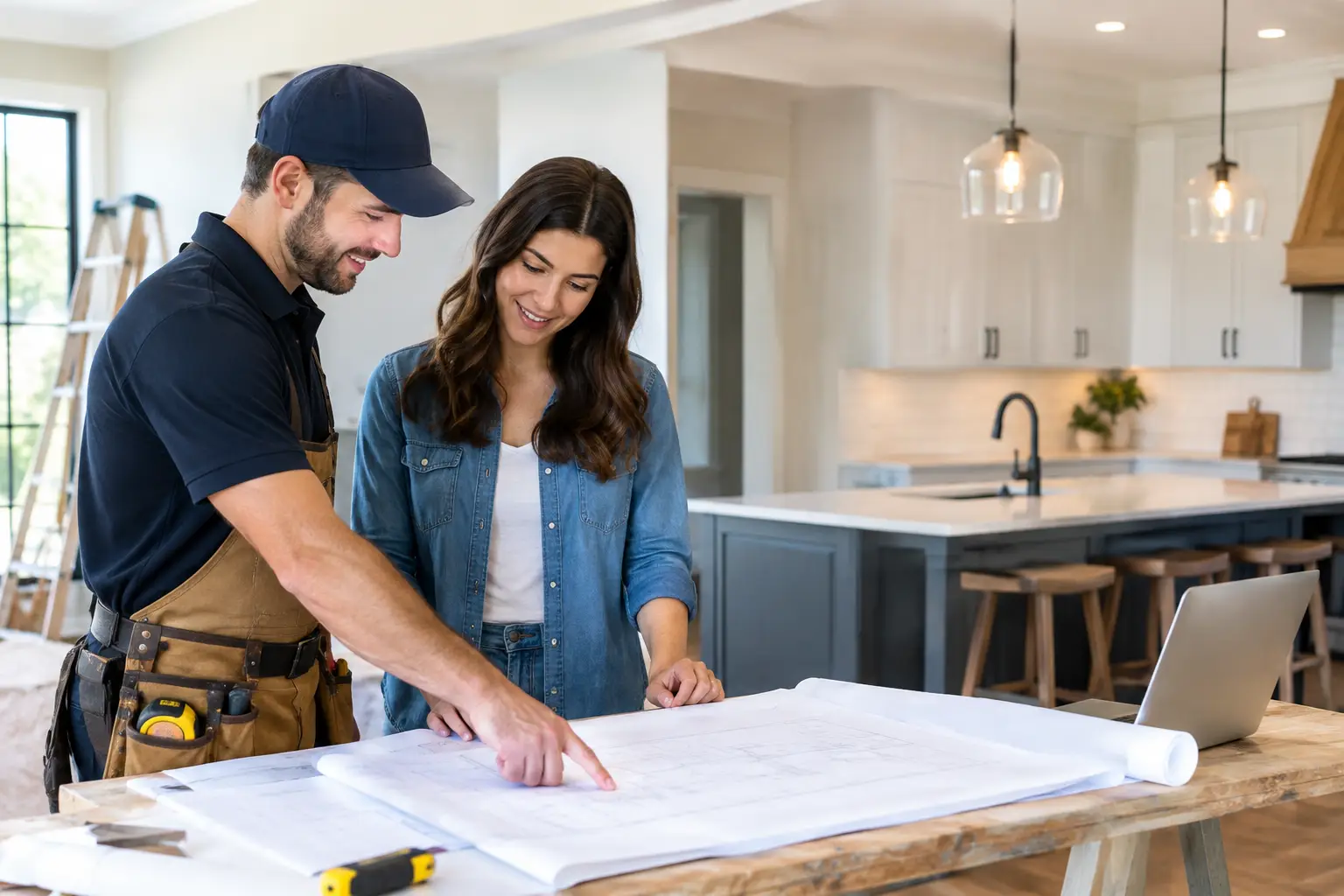
A capable contractor should listen before recommending a service. They should ask how you use the space, what you want to preserve, where the pain points are, and how long you expect to remain in the home. This is where a project becomes a tailored transformation instead of a standardized job.
What a Residential Construction Company Should Manage
A strong residential construction company provides a coordinated path from early ideas through final completion. That does not mean every decision is made for you. It means you have experienced guidance, a clear sequence of work, and one accountable team managing the moving parts.
During planning, your contractor should help evaluate feasibility, budget ranges, design direction, material options, permit needs, and potential structural concerns. A free inspection can be especially valuable when you are dealing with water damage, foundation movement, aging finishes, or an unclear scope of work. It gives both sides a more accurate starting point than a quick estimate based on photos alone.
Once construction begins, coordination matters just as much as craftsmanship. Remodeling and new construction often require electricians, plumbers, framers, concrete crews, insulation specialists, painters, and finish carpenters to work in the proper order. Poor scheduling creates delays, rework, and unnecessary disruption. Good project management protects the schedule while maintaining quality at each stage.
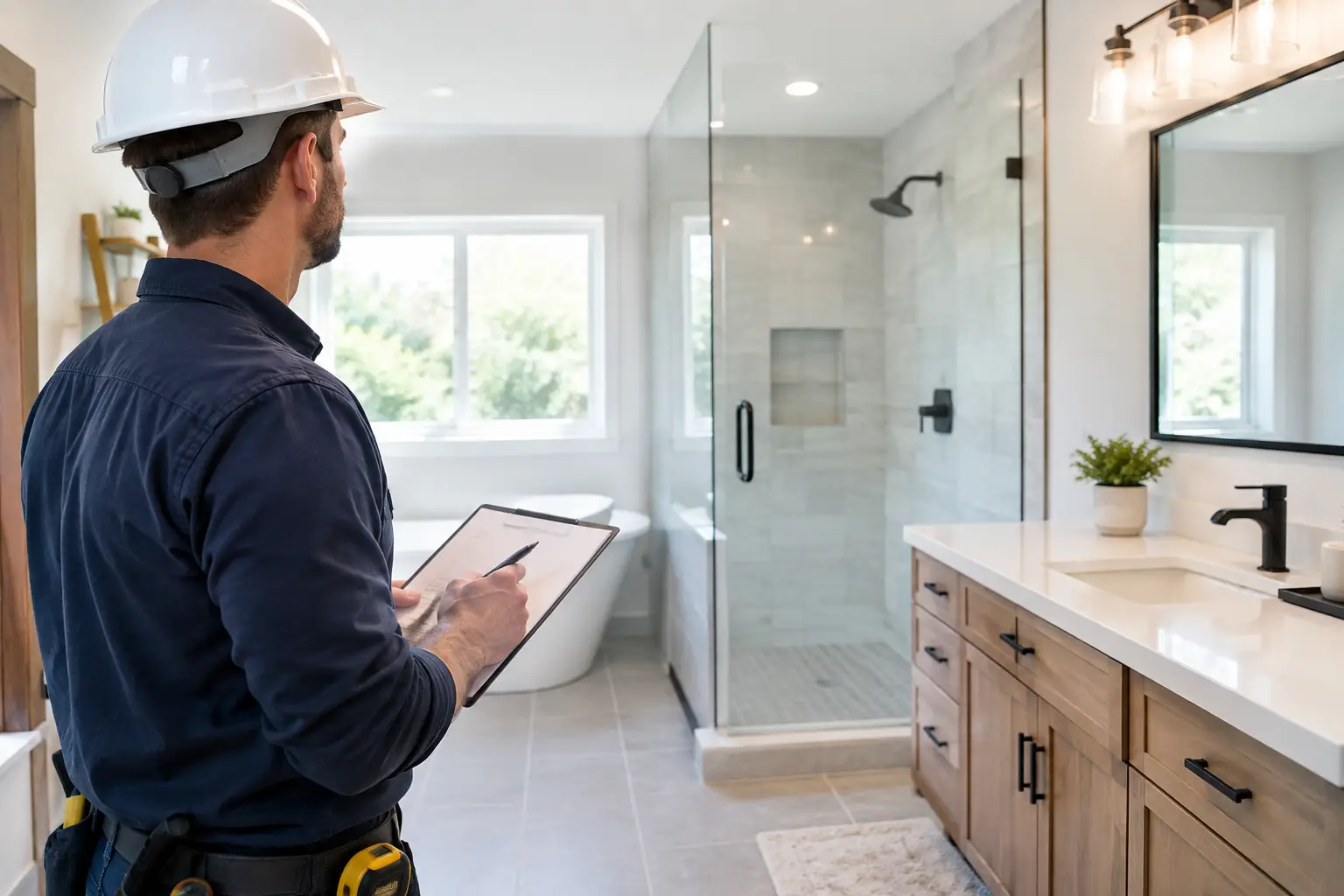
The final phase should not feel like a handoff after the last crew leaves. Your contractor should walk the project with you, address legitimate punch-list items, explain new systems or finishes when needed, and remain available if questions arise. Ongoing support is a meaningful sign that a company stands behind its work.
Look for Communication You Can Measure
Construction involves variables. Materials can arrive late, hidden damage can appear after demolition, and weather can affect exterior work. A trustworthy contractor does not promise that nothing will change. They explain how changes will be handled before the project starts.
Ask how often you will receive updates, who your main point of contact will be, and how approvals are documented. You should understand the project scope, payment schedule, anticipated timeline, and process for change orders. If additional work becomes necessary, the contractor should clearly explain why, provide pricing, and receive authorization before moving forward whenever possible.
Clear communication is not just a customer-service detail. It is budget protection. When expectations are documented and conversations happen early, you can make informed choices instead of reacting to surprises after work is underway.
Be cautious of vague proposals that list only broad categories, such as “bathroom remodel” or “foundation repair,” without describing the work. A detailed scope makes it easier to compare bids fairly and reduces the chance that important items are excluded. The lowest number can become the most expensive choice if it leaves out permits, demolition, waterproofing, site preparation, finish work, or cleanup.
Evaluate Craftsmanship Beyond the Portfolio
Project photos are useful, but they are only one part of the evaluation. A polished image may show beautiful cabinets or an impressive patio, yet it cannot tell you how the contractor handled drainage, protected the existing home, managed inspections, or resolved challenges behind the walls.
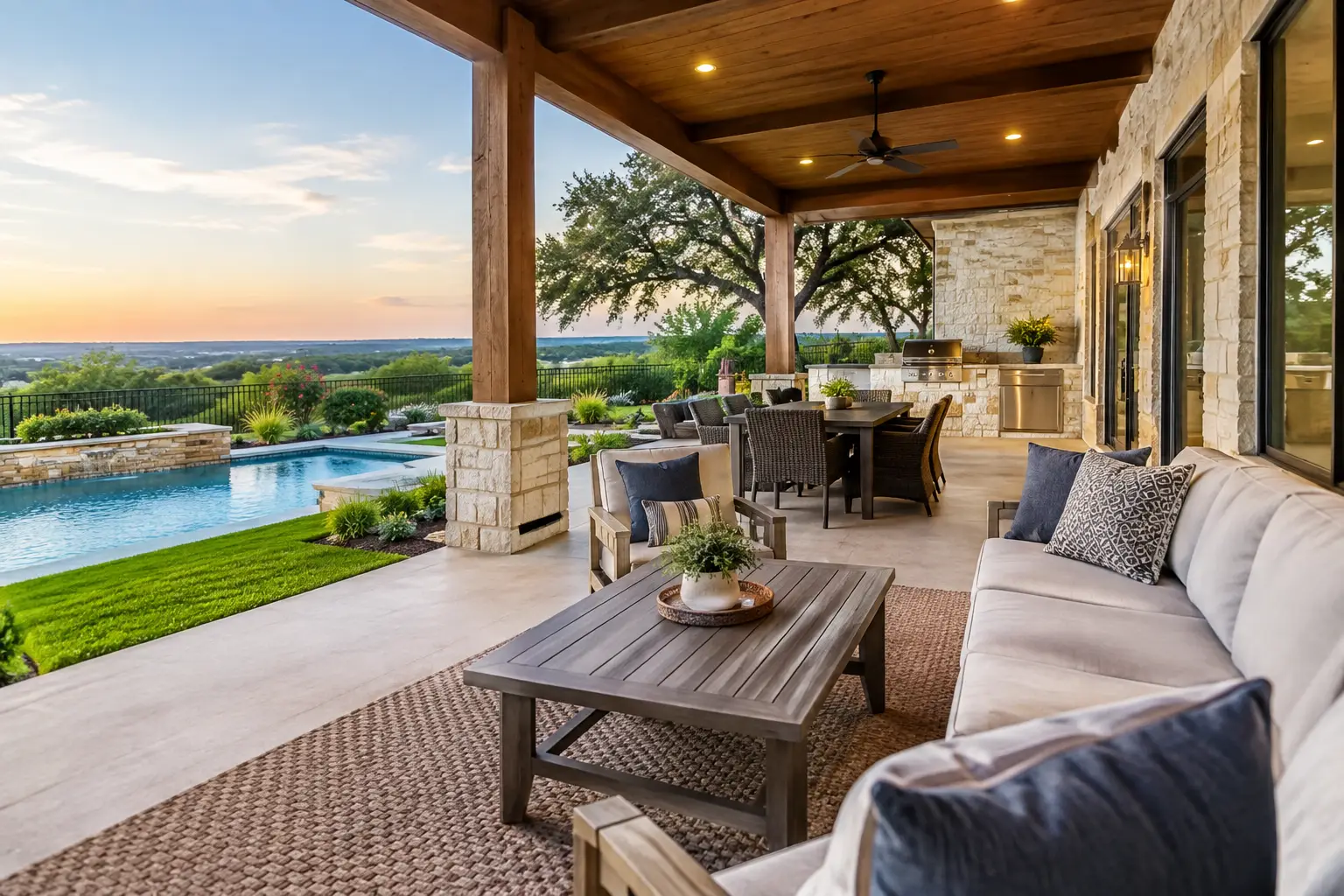
Ask to see examples relevant to your project type. If you are planning an outdoor kitchen, look for durable materials, functional layouts, weather-conscious details, and a strong relationship between the new space and the home. If you need foundation repair or water remediation, focus on assessment practices, root-cause solutions, and the protection of surrounding finishes. For an ADU or addition, ask about utilities, access, insulation, privacy, and how the new structure will feel connected to the property.
Customer reviews can also reveal patterns that photos cannot. Look for comments about reliability, cleanliness, responsiveness, honesty, and the team’s ability to solve problems. No construction company can control every unexpected condition, but professional handling of those conditions separates dependable partners from contractors who disappear when a project becomes difficult.
NXT Construction Inc. approaches projects with this full-picture mindset, combining design-minded planning with practical execution across remodeling, new construction, structural repairs, and outdoor improvements.
Consider Central Texas Conditions From Day One
A home improvement that looks great on completion day should also perform well through Central Texas summers, heavy rain, and years of everyday use. Local knowledge affects material recommendations, construction methods, drainage planning, insulation choices, and foundation awareness.
For exterior projects, that may mean selecting finishes that tolerate sun exposure and heat while designing shade structures that make patios usable in more seasons. For indoor renovations, it can mean improving insulation, addressing moisture pathways, or updating layouts to support more efficient comfort. Spray foam insulation, for example, can improve energy performance in the right application, but it should be evaluated as part of the home’s overall building envelope rather than treated as a one-size-fits-all upgrade.
Foundation concerns deserve the same thoughtful approach. Texas soils can expand and contract with changes in moisture, so visible cracks, sticking doors, sloping floors, or separation around trim should not be ignored. The right response depends on the cause and extent of movement. A thorough inspection is far more valuable than a quick fix that addresses symptoms without investigating the underlying condition.
Balance Budget, Value, and Long-Term Plans
Every homeowner has a budget, and a responsible contractor should respect it. The goal is not to push the most expensive option. It is to help you invest where performance, durability, and daily enjoyment matter most.
Sometimes a phased approach is the smarter choice. You may complete structural repairs and core systems first, then return for finishes or outdoor upgrades when the timing is right. In other cases, combining work can save money because demolition, permitting, site access, or trade mobilization only happen once. Your contractor should be willing to discuss both paths honestly.
Financing options can also make a meaningful project more accessible, particularly when the work addresses urgent repairs, creates usable living space, or improves a property’s market appeal. Still, financing should support a realistic scope and payment plan, not encourage rushed decisions. Ask for clarity on costs, allowances, and which selections could change the final investment.
The best construction decisions are tied to the way you want to live. A thoughtfully redesigned kitchen can make daily routines easier. A well-built ADU can create flexibility for family or income. A covered patio can turn an underused yard into the place everyone gathers. These are not just upgrades on a checklist. They are improvements to how your home supports the life happening inside and around it.
Questions Worth Asking Before You Sign
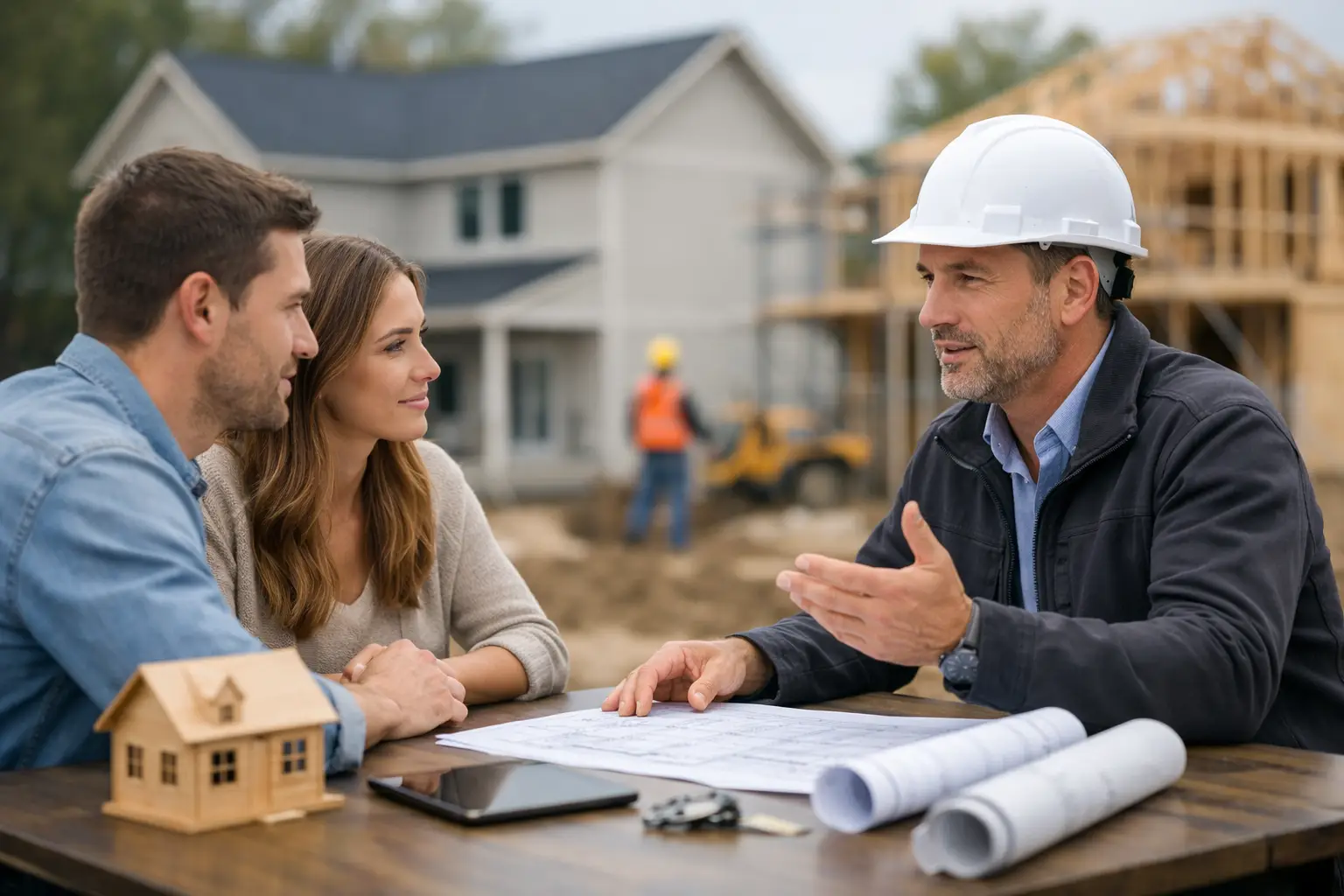
Before choosing a contractor, have a direct conversation about experience, licensing and insurance, project supervision, scheduling, warranties, and the communication process. Ask who will be on site, how the work area will be protected, and what happens if an unforeseen issue changes the scope. You should also discuss permits and inspections for projects that require them.
Pay attention to how the company responds. Do they explain trade-offs clearly? Do they ask useful questions about your goals? Are they willing to say when a certain approach may not be the best fit? Confidence is valuable, but so is candor. A trusted construction partner earns confidence through preparation, transparency, and consistent follow-through.
Your home deserves more than a quick estimate and a generic plan. Start with a detailed conversation, bring forward the ideas that matter most to your family, and choose a team prepared to build with care long after the first day of work.