A search for a general contractor near me usually begins when a property can no longer work the way you need it to. Maybe the kitchen cuts off family gatherings, a growing household needs an addition, water damage has exposed a larger issue, or a commercial space no longer supports daily operations. The right contractor should do more than provide a price. They should help turn a real need into a well-planned, durable improvement that respects your property, budget, and goals.
For Central Texas homeowners and business owners, the decision carries extra weight. Austin-area construction requires practical knowledge of local conditions, from shifting soils and foundation concerns to extreme heat, fast-growing communities, permitting requirements, and the materials that will hold up over time. A polished proposal matters, but accountable planning and proven execution matter more.
What a General Contractor Near Me Should Actually Manage
A general contractor is the person or team responsible for bringing the full project together. On a straightforward job, that may mean coordinating labor and ordering materials. On a kitchen renovation, custom home, ADU, structural repair, or commercial retrofit, it means managing a much broader set of moving parts: planning, estimating, scheduling, trade coordination, inspections, quality control, site protection, and communication.
That role is especially valuable when your project affects more than one system in the property. Moving a wall may involve framing, electrical, plumbing, HVAC, drywall, flooring, cabinetry, and paint. A foundation repair may need to be evaluated alongside drainage, concrete, and water remediation concerns. Without clear coordination, small gaps between trades can become expensive delays or finish issues later.
A qualified local contractor should help you see the complete picture before work begins. That includes discussing your priorities, identifying likely constraints, explaining viable options, and setting realistic expectations around scope, timing, and investment. The goal is not to make every project more complicated. It is to prevent avoidable surprises from becoming your responsibility halfway through construction.
Start With the Outcome, Not Just the Room
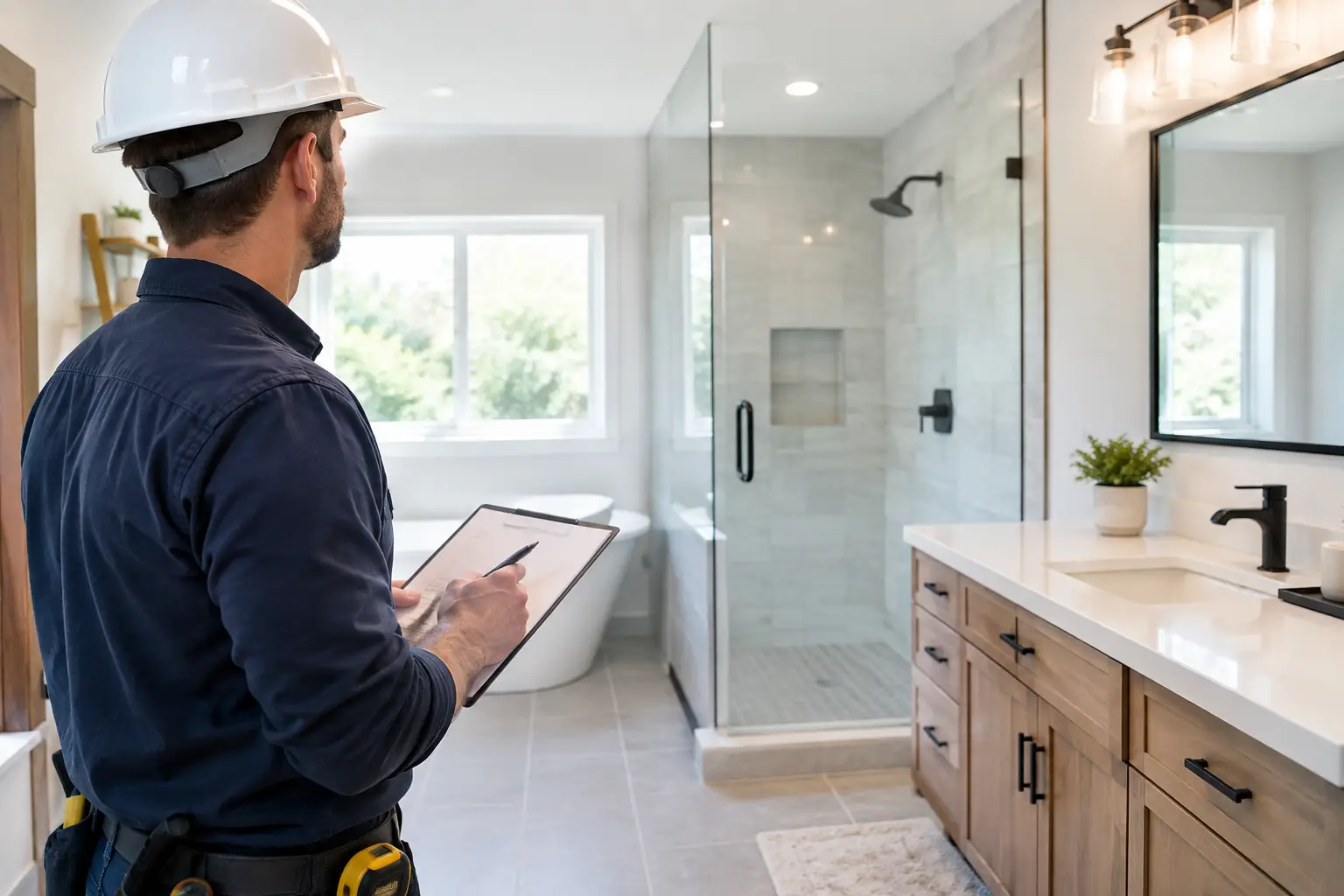
Before comparing contractors, define what success looks like for you. “Remodel the bathroom” is a starting point, but it does not tell a builder whether your real priority is better storage, easier aging in place, a spa-like retreat, improved resale value, or a more efficient layout for a busy family.
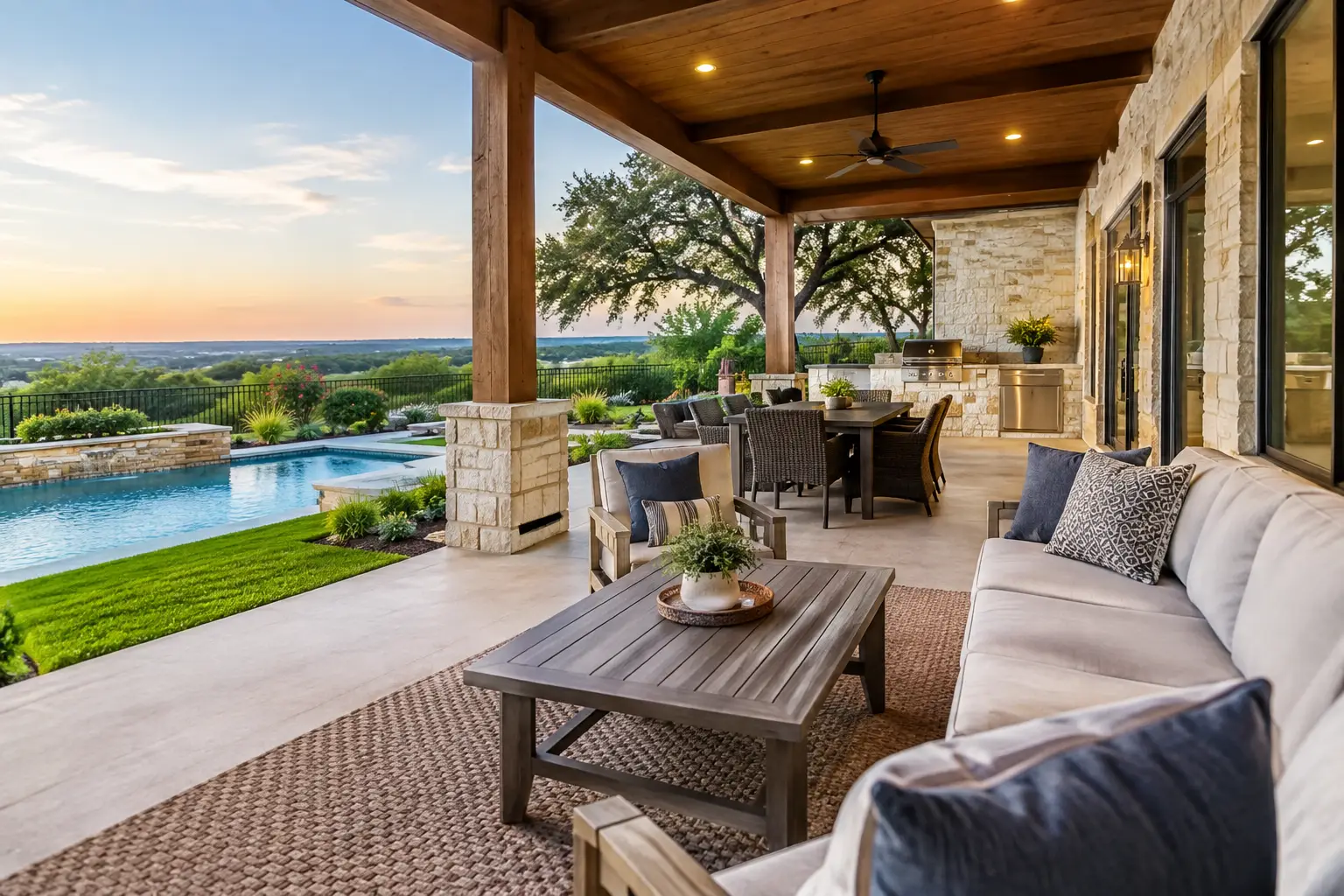
The same principle applies outside. An outdoor kitchen may be about hosting friends, while a covered patio may be about making summer afternoons usable. A garage conversion could become a dedicated office, gym, guest suite, or income-producing space. When you explain how you want to live or work in the finished environment, a thoughtful contractor can recommend solutions that serve the purpose instead of simply replacing surfaces.
It also helps to separate must-haves from preferences. For example, correcting a structural issue, improving drainage, or replacing damaged materials may need to come before aesthetic upgrades. In other cases, combining related work can be more efficient than revisiting the same area in phases. There is no single right answer. It depends on the property’s condition, your timeline, and how long you plan to own or operate the space.
How to Evaluate a General Contractor Near Me
Local search results, referrals, project galleries, and reviews can all be useful, but they are only the first screen. A contractor should be evaluated based on how they think through your specific project, not only on how attractive a completed photo looks.
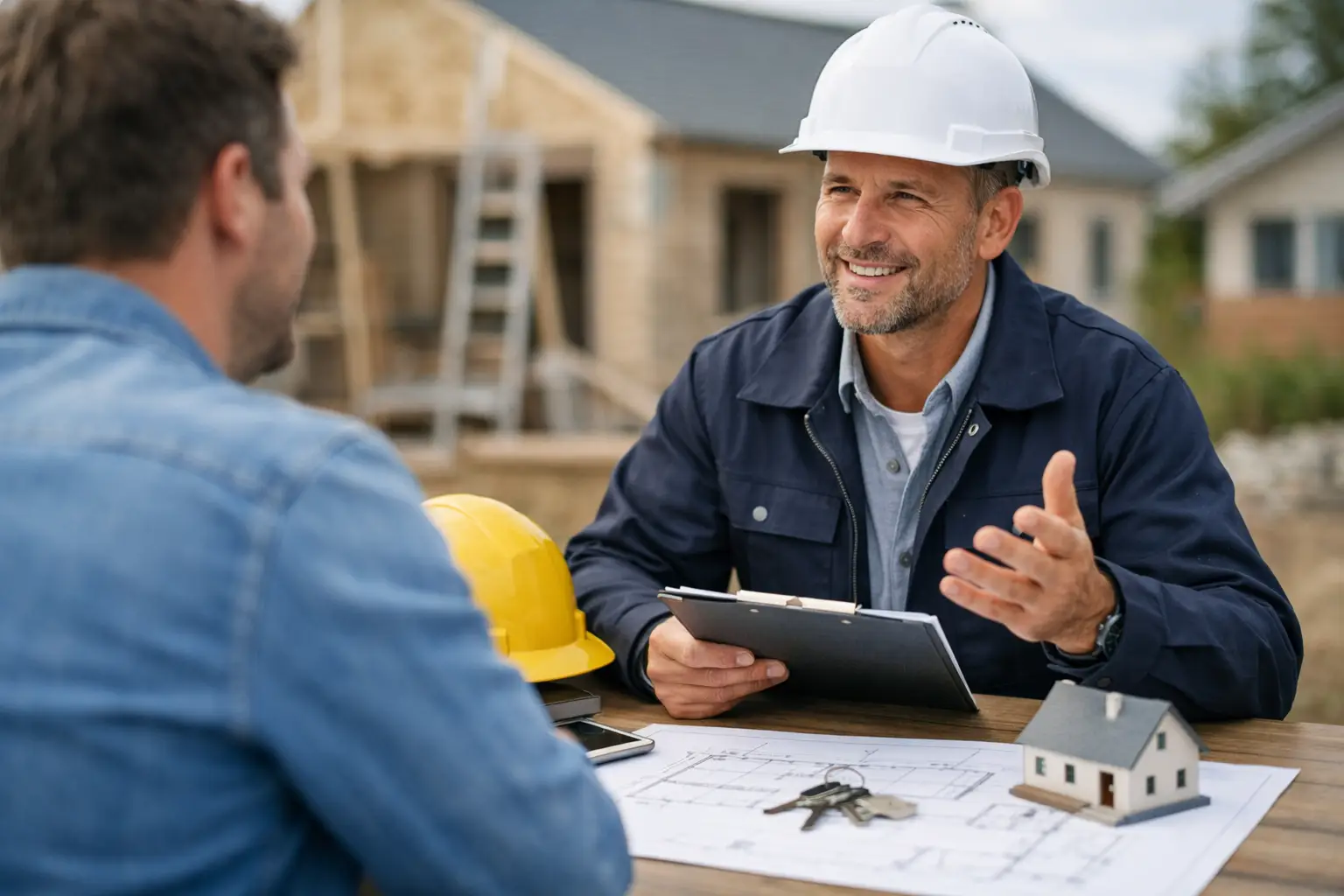
During an initial conversation, pay attention to the questions they ask. Do they want to understand the age and condition of the property? Do they ask about daily routines, desired finishes, budget range, future plans, and any known water, structural, or permitting concerns? A contractor who listens carefully is better positioned to build a plan that fits your life.
Experience should also match the type of work you need. A team that handles cosmetic updates may not be the right fit for a foundation issue, a full-home renovation, an ADU, or a commercial retrofit. Ask about comparable projects and how the contractor handles the trades and decisions involved. Specialized work does not have to feel intimidating, but it does require a team that knows when additional evaluation, engineering, or municipal approvals are necessary.
Credentials and protection are practical parts of the conversation as well. Ask about insurance, licensing requirements that apply to the work, warranties, and how subcontractors are selected and supervised. You are not looking for vague reassurance. You are looking for clear, professional answers.
Compare Scope Before You Compare Prices
The lowest number is not always the lowest-cost decision. Estimates can differ because contractors are making different assumptions about materials, demolition, preparation, code updates, repairs behind walls, labor, or final finishes. If one proposal appears dramatically cheaper, find out what is included and what is left open.
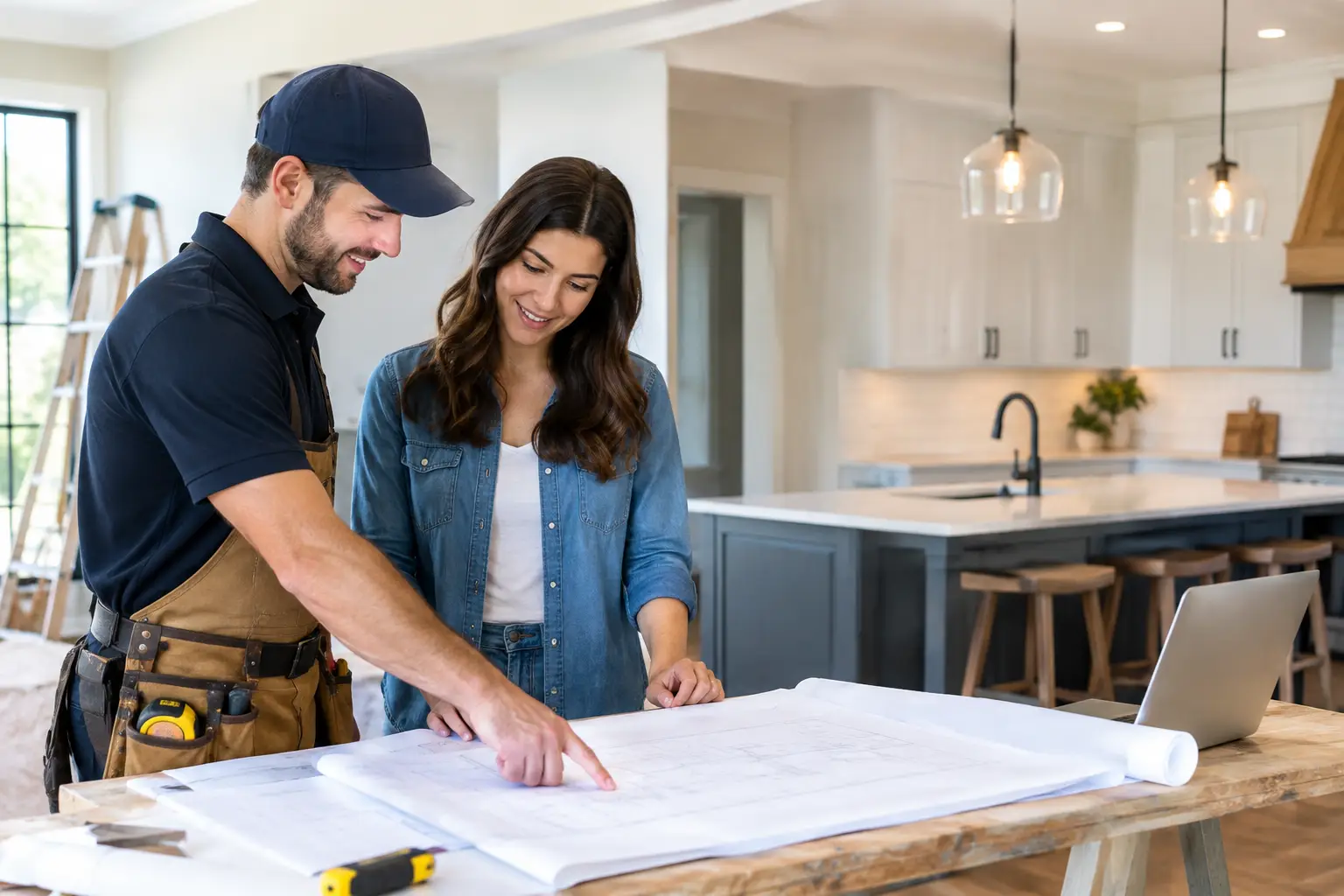
A useful estimate describes the scope in plain language. It should clarify what will be built, repaired, removed, or installed; which materials and allowances are included; how changes will be handled; and what milestones or payment structure apply. You do not need a construction degree to review it. You do need enough detail to compare like with like.
Be honest about budget early. A skilled contractor can often show you where to invest for long-term performance and where a different material, layout, or construction approach may protect the budget without compromising the project’s purpose. That conversation is far more productive before selections are finalized than after work is underway.
Financing may also affect the right approach. If you are considering a major renovation, addition, outdoor living project, or new build, ask whether financing access is available and when those options should be explored. A clear financial plan supports better decisions and helps keep the project moving with confidence.
Communication Is Part of the Craftsmanship
Construction naturally involves variables. Existing conditions can be hidden until demolition begins. Materials may change availability. Weather can affect exterior work. The standard to look for is not a promise that nothing will change. It is a process for communicating changes quickly, explaining their effect, and documenting decisions before additional work proceeds.
Ask who your main point of contact will be, how often you can expect updates, and how questions or change requests are approved. For occupied homes, discuss site access, dust control, safety, pet considerations, work hours, and how the team will protect the spaces outside the work area. For commercial clients, clarify how construction will minimize disruption to staff, customers, inventory, and operations.
Good communication creates peace of mind because you know what is happening and why. It also improves quality. Decisions about tile layout, cabinet placement, lighting, paint, hardware, drainage, or exterior details are easier to make when the contractor brings them forward at the right time instead of treating them as last-minute issues.
Look for Local Knowledge That Protects the Investment
Central Texas properties have distinct needs. Expansive soil, drainage patterns, heat exposure, and heavy rain can influence everything from foundations and concrete driveways to insulation, roofing details, and outdoor structures. The best design choice on paper is not always the best choice for a particular lot or existing home.
A local contractor should consider durability alongside appearance. That might mean assessing water intrusion before rebuilding damaged finishes, recommending spray foam insulation for better comfort and efficiency in the right application, or planning a patio cover that provides meaningful shade without undermining drainage or structural performance. Sustainable, resilient choices are often the ones that reduce maintenance and improve comfort for years.
NXT Construction Inc. approaches projects as tailored transformations, whether the need is a remodel, custom build, ADU, structural repair, outdoor upgrade, or commercial improvement. The focus is on translating the client’s goals into practical construction decisions, with clear coordination from the first assessment through the final details.
Make the Final Decision With Confidence
Once you have spoken with qualified contractors, choose the team that gives you confidence in both the work and the working relationship. You should understand the proposed scope, feel heard when discussing priorities, and know how the contractor will manage the project when decisions become complex.
Trust matters, but it should be supported by substance: relevant experience, detailed planning, transparent pricing, responsive communication, and a commitment to standing behind the finished work. Free inspections or consultations can be valuable when they lead to an honest assessment rather than a rushed sales pitch.
Your property is more than a job site. It is where your family gathers, where your business serves customers, or where your next chapter takes shape. Choose a construction partner prepared to treat that investment with the care, craftsmanship, and accountability it deserves.