A search for a construction company near me usually starts when something in your property can no longer wait. Maybe the kitchen is too cramped for family life, a foundation crack has raised concern, water damage is spreading behind a wall, or your business needs a more functional space to serve customers. The right contractor should do more than provide a price. They should help you understand the work, protect your investment, and turn a clear vision into a space built for the way you live or operate.
For Central Texas property owners, that decision carries extra weight. Our climate, soil conditions, fast-growing communities, and varied housing styles all shape how a project should be planned and built. Choosing well means looking beyond the first search result and finding a construction partner with the communication, technical knowledge, and craftsmanship your project deserves.
What a Construction Company Near Me Should Mean
“Near me” is not only about a short drive from the contractor’s office to your property. It should mean a company understands the conditions that affect your project every day. In Austin, Liberty Hill, Leander, Cedar Park, Lakeway, Georgetown, and surrounding communities, expansive soils can affect foundations, severe rain can expose drainage weaknesses, and high summer temperatures influence material choices and energy performance.
A local construction partner should also understand how neighborhood character, property layouts, and local permitting processes can affect the schedule and scope. A modern home addition in Leander may require a different approach than a lake-area outdoor kitchen in Lakeway or a commercial retrofit in Austin. Local experience does not eliminate every surprise, but it helps a contractor anticipate the questions that matter before work begins.
Proximity is valuable when it supports accountability. You want a team that can visit the site, assess existing conditions carefully, coordinate trades, communicate changes promptly, and remain available after completion. A contractor who is present throughout the process is better positioned to solve problems before they become expensive delays.
Start With the Problem, Not the Product
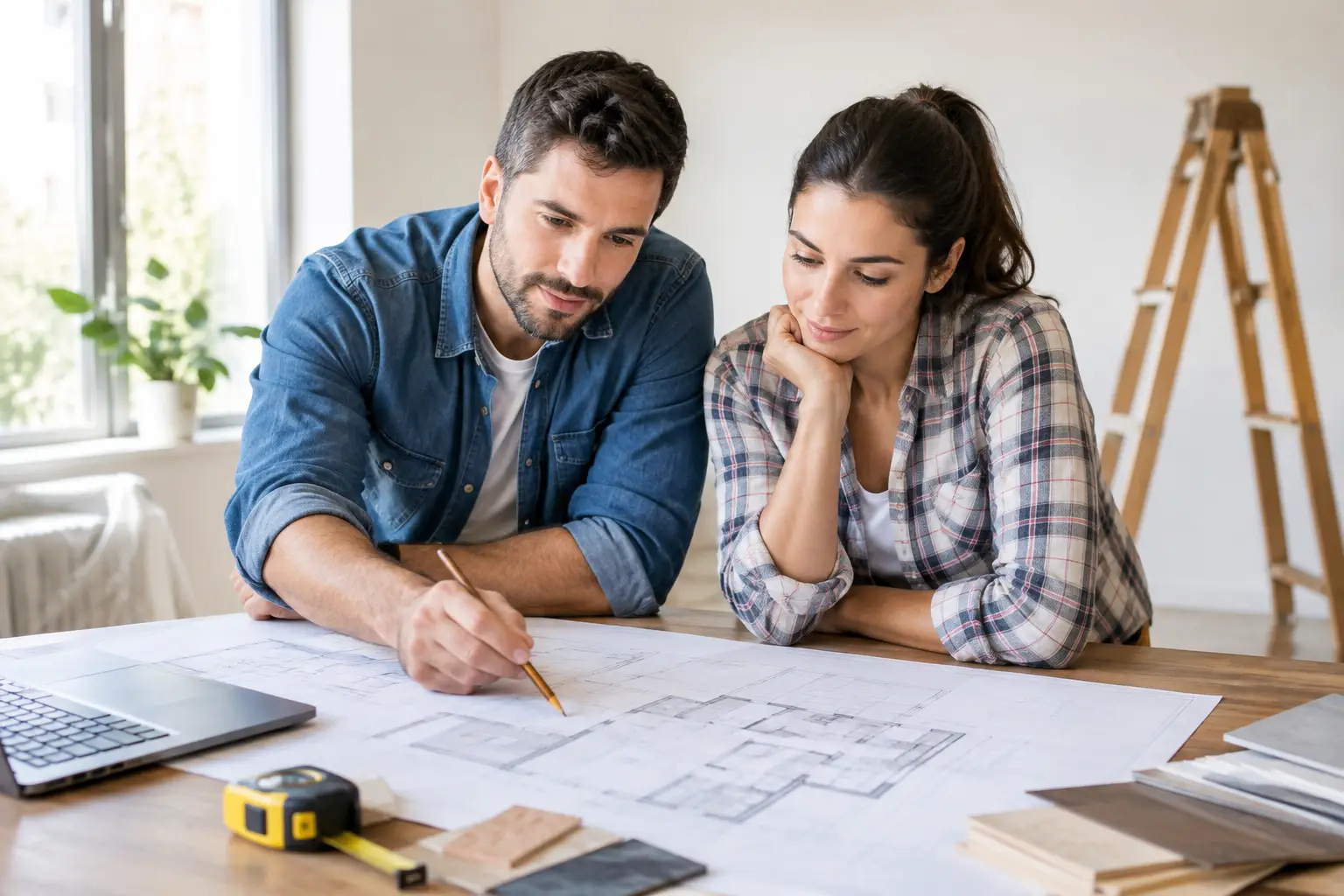
Before requesting estimates, define what you need the project to accomplish. This does not mean you need a finished set of plans or every material selected. It means getting clear on the outcome you want.
A kitchen remodel may be about better storage, more natural light, and room for entertaining. An ADU may support multigenerational living, a home office, or rental income. Foundation repair may be about protecting the structure before cosmetic damage worsens. A commercial renovation may need to improve workflow, customer experience, or the professional image of the business.
When you can explain the problem, a quality contractor can recommend the right solution. That may mean a targeted repair rather than a full rebuild, or it may reveal that a more comprehensive project offers stronger long-term value. The best recommendation is not always the biggest project. It is the one that fits your property, priorities, timeline, and budget.
It also helps to separate must-haves from nice-to-haves. If a bathroom remodel must improve accessibility, that requirement should guide the layout first. If a backyard project must create shade and usable gathering space, a patio cover or pergola may matter more than decorative upgrades. Clear priorities make design decisions faster and help keep the budget focused on what matters most.
Look for a Partner Who Can Manage the Full Scope
Construction projects involve more than a crew arriving with tools. Even a focused renovation can require planning, demolition, framing, plumbing, electrical work, insulation, concrete, finishes, inspections, and final details. The more complex the project, the more important it is to have a contractor who can coordinate those moving parts with purpose.
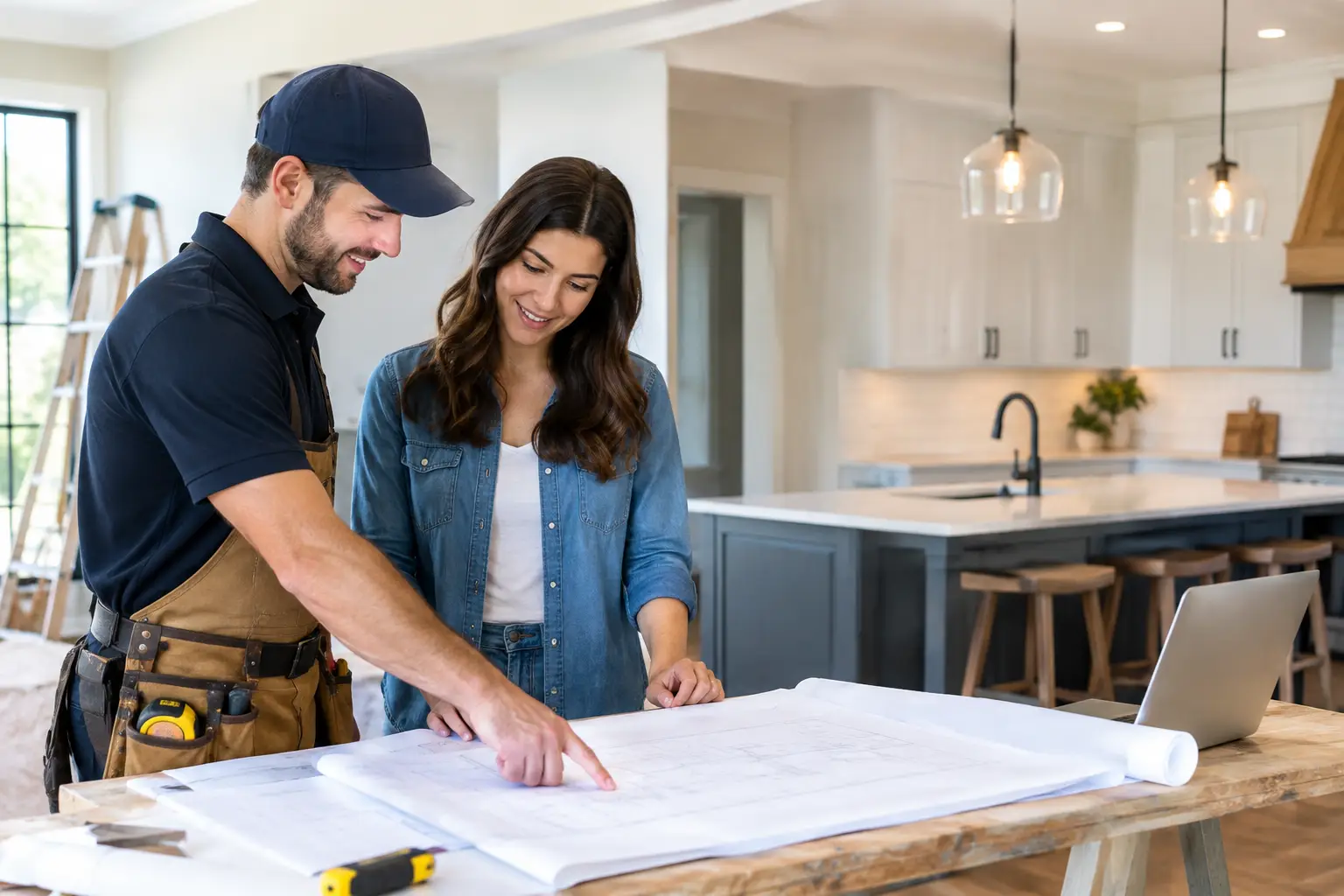
Ask how the company handles the process from the first inspection through final walkthrough. A capable team should be able to explain how it evaluates the property, develops the scope, establishes a schedule, communicates progress, and handles changes. For larger work such as custom homes, additions, commercial construction, or extensive restoration, that project-management discipline is often the difference between a controlled process and a frustrating one.
This is especially important when your needs cross service categories. A water-damaged room may need remediation, structural evaluation, insulation replacement, drywall work, and finish restoration. A garage conversion or detached ADU may need site preparation, concrete, utilities, framing, and interior build-out. Working with one accountable construction partner can reduce handoffs and keep the finished space aligned with the original vision.
Review Experience That Matches Your Project
Not every contractor is the right fit for every type of work. A company that does excellent cosmetic updates may not be equipped for structural foundation repair. A specialist in small repairs may not be the right partner for a new build, major addition, or commercial retrofit.
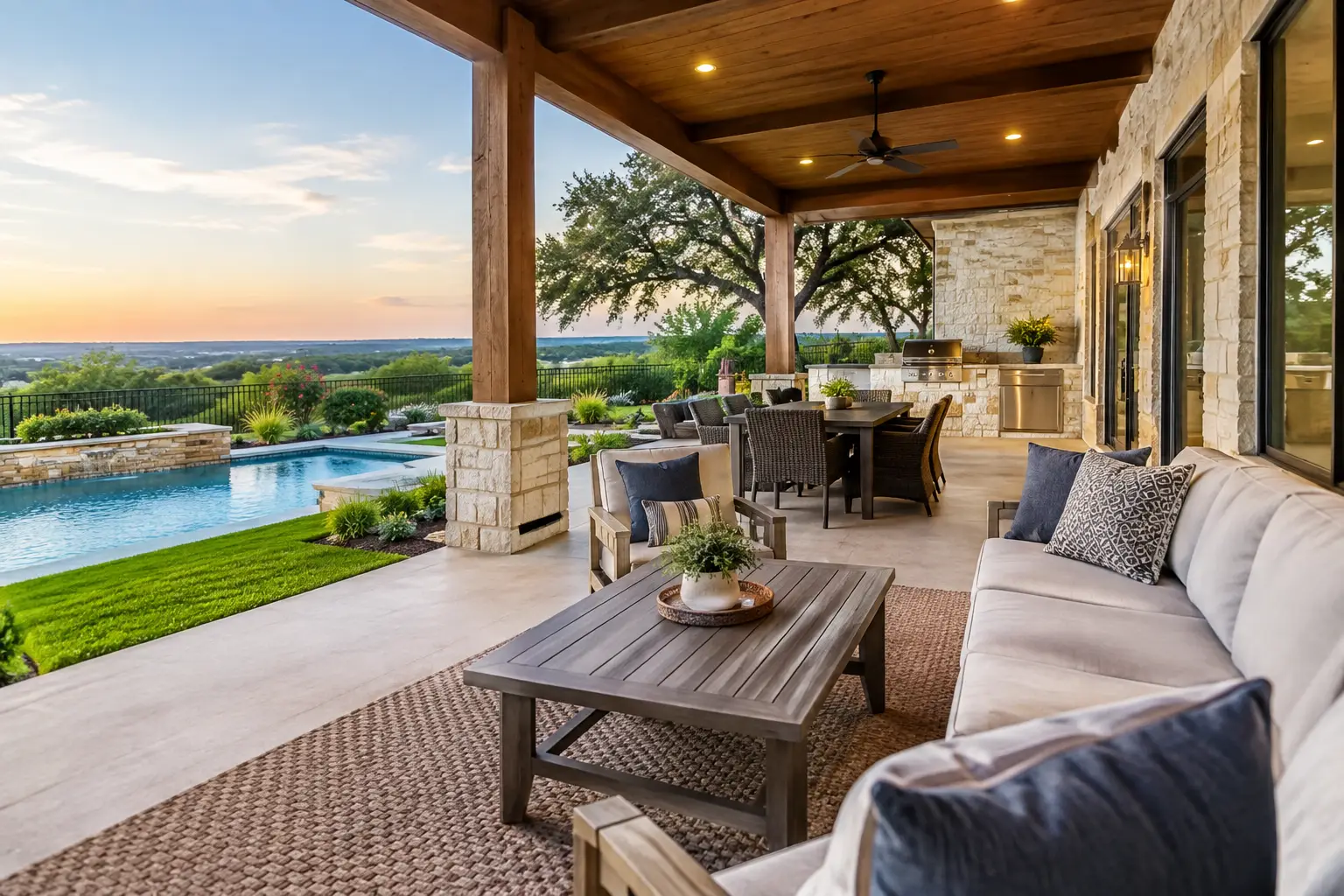
Ask to see examples of projects similar in scale and purpose to yours. Focus on more than the finished photographs. Find out what challenges were involved, how the team approached them, and whether the project required coordination across multiple trades. For example, an outdoor living project should reflect durable material choices, drainage awareness, and practical circulation, not simply an attractive final image.
Experience should also show up in the questions a contractor asks you. A thoughtful builder will want to know how your family uses the space, what frustrates you about the current layout, which features matter most, and how long you plan to own the property. For commercial clients, the conversation should include operations, customer flow, employee needs, and downtime concerns.
NXT Construction Inc. approaches these conversations as a partnership, connecting design-minded planning with practical execution across remodeling, new construction, repairs, outdoor projects, and commercial improvements. That kind of broad capability can be especially valuable when a property needs more than one isolated fix.
Compare Estimates With Care
A low price can feel like a win until missing scope, weak materials, or unclear allowances create additional costs later. When comparing estimates, look for clarity rather than simply comparing the bottom line.
A useful proposal should describe the work to be performed, major materials or allowances, anticipated schedule, payment structure, and responsibilities for permits or inspections when applicable. If one estimate is much lower than the others, ask what has been excluded. It may reflect a legitimate difference in approach, but it may also leave out critical preparation, protection, disposal, finish work, or code-related requirements.
You should also ask how changes are handled. Existing homes can reveal hidden conditions once walls, flooring, or exterior surfaces are opened. No contractor can predict every issue in advance, but a professional team can explain how it documents discoveries, prices changes, and gets approval before proceeding. That transparency protects both the client and the contractor.
Financing can also shape the right decision. If available financing lets you address an urgent repair properly or complete a high-value renovation without compromising essential materials, it may be worth discussing. The goal is not to stretch the project beyond your comfort level. It is to make an informed decision about cost, timing, and long-term value.
Pay Attention to Communication Before Work Starts
The consultation phase is a preview of the working relationship. Notice whether the contractor listens carefully, answers questions directly, arrives prepared, and follows up when promised. Construction requires decisions, and you should not have to chase down basic information about your own project.
Strong communication does not mean a contractor will promise that every detail is effortless. Honest professionals explain trade-offs. They may tell you that a certain material has a longer lead time, that a design change affects the budget, or that weather can influence exterior work. Straight answers build more confidence than unrealistic promises.
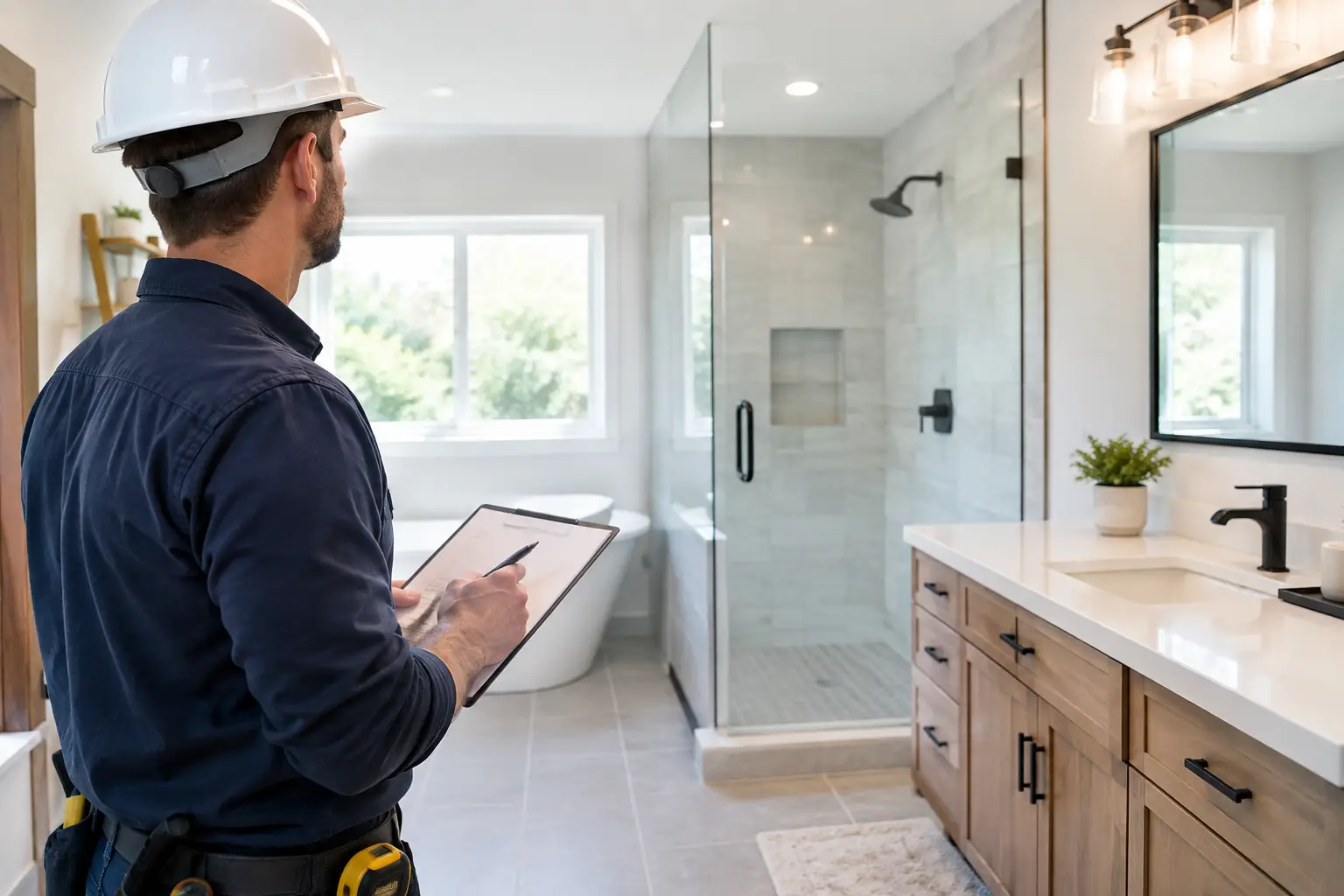
Free inspections can be particularly helpful when you are unsure whether you need a repair, renovation, or deeper structural assessment. A thorough site visit gives the contractor a chance to evaluate conditions rather than guessing from a brief description or a few photos.
Know the Warning Signs
A contractor should never pressure you to make a rushed decision, avoid putting the scope in writing, or be vague about who will perform the work. Be cautious if you receive an estimate with almost no detail, are asked for an unusually large payment before materials or work are scheduled, or cannot get clear answers about the project timeline.
Another warning sign is a company that treats every project as identical. Your home, business, budget, and goals are specific. A strong contractor brings proven systems to the work while still tailoring recommendations to your property. That balance is what turns a basic construction job into a meaningful improvement.
Ask Questions That Protect Your Investment
During your consultation, ask who will be your primary point of contact and how often you will receive updates. Ask how the site will be protected, how debris will be managed, and what steps will be taken to keep the work area safe. For occupied homes, it is reasonable to discuss daily access, pets, children, dust control, and how the project will affect normal routines.
For structural repairs, water remediation, additions, and major remodels, ask how the contractor evaluates underlying conditions instead of only addressing visible damage. For outdoor work, ask about drainage, foundations, material durability, and maintenance needs. For commercial projects, ask how the team will limit disruption to your operations.
The answers should be clear, practical, and connected to your project. A contractor who welcomes these questions is showing respect for your property and your decision-making process.
Choose the Team You Can Trust With the Details
The right construction company combines craftsmanship with organization. You need a team that can see the big picture – a more valuable home, a safer structure, a better place to gather, or a more efficient business environment – while paying close attention to the details that make the result last.
Take the time to choose a local partner that understands your goals and communicates with integrity. The project may begin with a repair, a remodel, or an idea sketched on a notepad, but the right team can help turn that starting point into a space that serves you well for years to come.