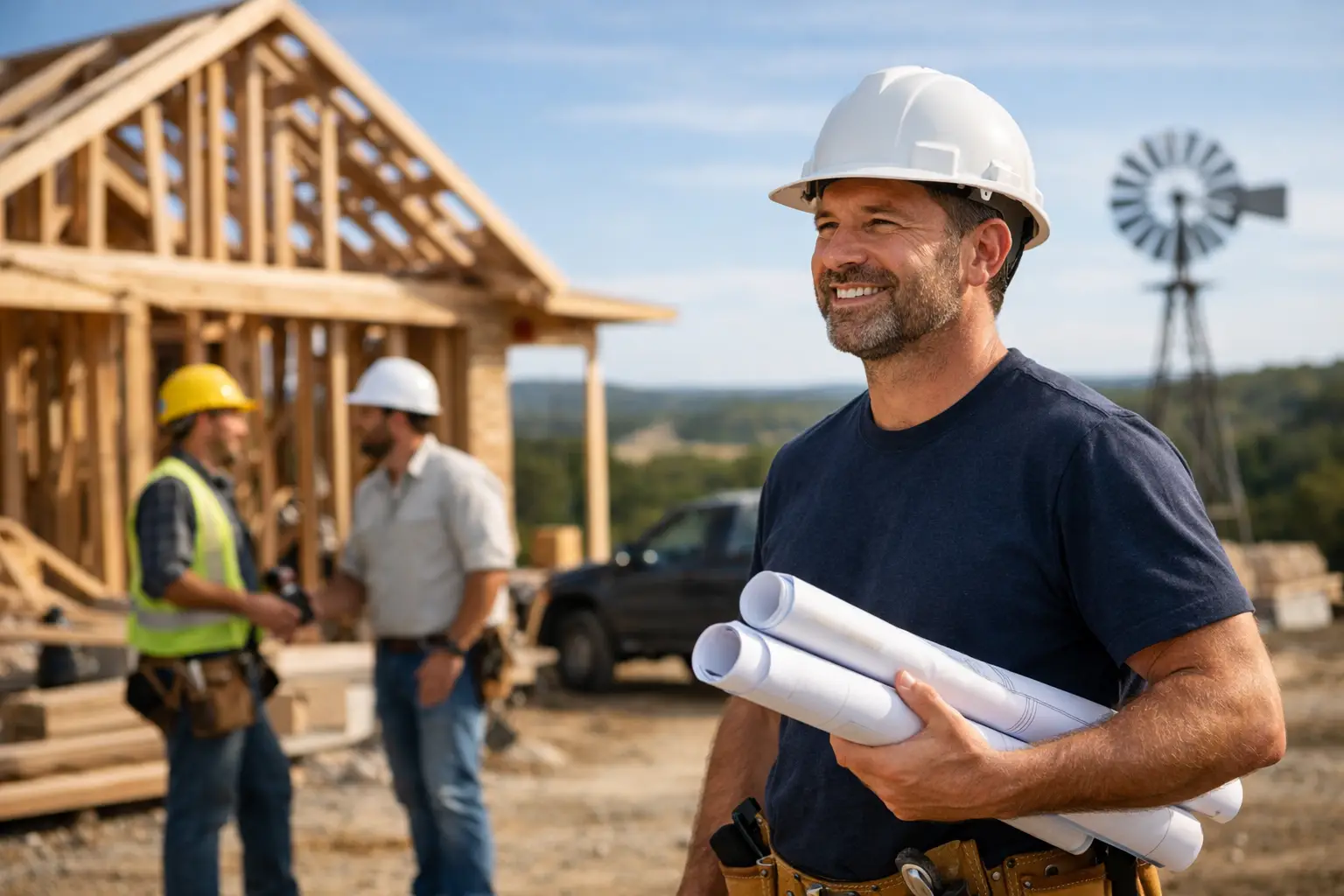
Austin homes ask a lot of their owners. A kitchen may need to support busy family mornings and remote work. A backyard may need to handle Texas heat, weekend gatherings, and year-round entertaining. An older property may carry hidden water damage, settling concerns, or outdated systems behind an attractive exterior. Choosing the right general contractor in Austin is not simply about finding someone available to start. It is about choosing a partner who can understand the full picture, protect your investment, and turn a clear vision into lasting work.
The right contractor brings more than crews and materials to the jobsite. They bring organization, practical judgment, communication, and accountability across every phase of construction. Whether you are planning a whole-home remodel, custom addition, ADU, foundation repair, outdoor kitchen, or commercial retrofit, the selection process deserves thoughtful attention.
What a General Contractor in Austin Should Manage
A general contractor is responsible for coordinating the many moving parts that make a construction project successful. That can include evaluating the existing structure, developing a realistic scope, scheduling trades, ordering materials, managing inspections, maintaining site safety, tracking progress, and addressing issues before they become expensive surprises.
For a homeowner, this coordination matters because construction decisions are connected. Moving a wall may affect electrical, plumbing, structural framing, HVAC, flooring, and finishes. Adding an accessory dwelling unit can involve site conditions, utility access, drainage, design choices, and local requirements. A contractor who sees only one piece of the project can create avoidable gaps. A full-service partner considers how each decision affects the finished space, the budget, and long-term performance.
Austin-area properties also vary widely. A historic central Austin home, a Lakeway hillside property, a growing Liberty Hill neighborhood, and a commercial space in Cedar Park present different access, soil, design, and permitting considerations. There is no one-size-fits-all construction plan. A contractor should be prepared to assess your property before presenting a confident recommendation.
Start With the Outcome You Want
Before comparing bids, define what success looks like for your property. You do not need a complete set of drawings or every finish selected. You do need clarity about how you want the space to function.
A family remodeling a kitchen may prioritize storage, durable surfaces, better traffic flow, and an island that works for homework and hosting. A remote professional may need a quiet office or detached studio. An investor may be focused on rental potential and low-maintenance materials. A business owner may need a retrofit completed with minimal disruption to daily operations.
Share those priorities early. The best contractor will ask questions that go beyond square footage and aesthetics: Who uses the space? What frustrates you today? Are you planning to stay in the home for years? Is energy efficiency a priority? Where are you willing to invest, and where do you prefer a practical solution?
Those answers shape the project. They also help you recognize whether a contractor is listening or simply selling a standard package.
Look Beyond the Lowest Bid
A low estimate can be tempting, especially when construction costs are a major investment. But price only has meaning when the scope is equally detailed. Two proposals can look similar at first glance while covering very different levels of planning, materials, labor, project management, and protection against change.
Ask each contractor to explain what is included, what is excluded, and what assumptions were made. If allowances are used for cabinetry, tile, fixtures, or other selections, make sure you understand the amount assigned and what happens if your preferred product costs more. A clear proposal should make it easier to compare value, not harder to identify missing pieces.
The lowest price may be appropriate for a straightforward project with a well-defined scope. For complex remodeling, structural repairs, additions, and new construction, an unusually low number can signal incomplete planning or a contractor who expects to recover costs later through change orders. It depends on the project, but clarity at the beginning is almost always less expensive than confusion during construction.
Questions Worth Asking Before You Hire
A consultation should feel like a working conversation, not a quick sales pitch. Ask how the contractor approaches the conditions that can affect your project, including existing damage, material lead times, inspections, design changes, and weather delays.
The following questions can help you evaluate the relationship:
- How do you develop the scope, estimate, and construction schedule?
- Who will be my day-to-day point of contact once work begins?
- How do you handle permits, inspections, and coordination with subcontractors?
- What is your process for approving changes to the scope or budget?
- Can you explain the materials and construction methods you recommend for this property?
Pay attention to how the answers are delivered. A qualified contractor should be direct about unknowns, not promise that every renovation will unfold without a surprise. Older homes, concealed water damage, soil movement, and code-related upgrades can require adjustments. What matters is having a process to document the issue, explain the options, and make decisions with the owner rather than around them.
Communication Is Part of the Craftsmanship
Beautiful tile work and clean framing matter. So do returned calls, organized schedules, documented decisions, and a jobsite that is treated with respect. Construction can be disruptive even when it is well managed. Clear communication helps homeowners plan for that disruption and stay confident in the work being performed.
Ask what updates you can expect and how often. Will you receive progress reports? Who answers questions if you are concerned about a detail? How are selections approved? What happens if a product is delayed? A contractor does not need to be available every minute, but you should know how to reach the team and when to expect a meaningful response.
This is especially important for occupied homes. If your kitchen, bathroom, driveway, or primary living areas will be under construction, you need a plan for access, dust control, work hours, safety, and temporary routines. For commercial clients, the same principle applies to customer access, employee safety, noise, operating hours, and business continuity.
Local Knowledge Protects Your Project
Working with an Austin-area contractor brings practical advantages that may not appear as a line item in an estimate. Local experience supports better decisions about heat exposure, drainage, insulation, concrete performance, foundation movement, material availability, and project scheduling.
For example, outdoor living improvements need more than a stylish pergola or patio. They need to be designed around shade, water runoff, durability, electrical needs, and how your family will actually use the space. Foundation concerns should be evaluated carefully before cosmetic remodeling begins. Water remediation should address the source of moisture, not only the visible damage. Spray foam insulation can improve comfort and efficiency, but the right approach depends on the home’s existing assembly and ventilation needs.
These details are why a free inspection or early site assessment can be so valuable. It gives the contractor an opportunity to identify risks and helps the owner make decisions based on the property itself rather than a generic online estimate.
Choose a Partner for the Full Process
The strongest construction relationships begin with an honest assessment and continue through final details. You want a contractor who can help translate ideas into a practical scope, guide material decisions, coordinate skilled trades, and stand behind the completed work.
At NXT Construction Inc., that partnership approach extends across residential remodeling, custom homes, ADUs, structural repairs, restoration, outdoor living projects, and commercial construction. The goal is not to force every property into the same solution. It is to create a space that feels intentional, performs reliably, and supports the way you live or work.
Review past work with a critical eye, but also consider whether the projects reflect the level of care you expect in your own home. Look for thoughtful details, clean transitions between materials, functional layouts, and finishes that appear suited to the property instead of chosen only for a trend. Then consider the process behind those results: planning, communication, craftsmanship, and follow-through.
Your property is more than a project address. It is where your family gathers, your business operates, or your next investment takes shape. Choose a contractor who treats that responsibility with the same care you do, and the finished space can serve you well long after the final walkthrough.